


Dental Trauma Treatments
Dental Trauma Treatment and Repair of Damaged Teeth
In cases of trauma to the teeth and surrounding tissues, a controlled intervention and planned treatment process is applied.
Dental trauma treatments encompass the assessment and treatment of damage to teeth and supporting tissues resulting from falls, impacts, or blows. The goal is to preserve tooth function, relieve pain, and prevent potential complications.
In the clinical process, the type of trauma, the developmental status of the tooth, and the degree of damage to surrounding tissues are evaluated together. In accordance with current scientific protocols, controlled interventions are applied, and the healing of the tooth and surrounding tissues is monitored through regular follow-ups.
Dental trauma treatments are planned taking into account the severity of the trauma and the clinical condition of the tooth. The treatment is determined individually for each patient.
Our Case Studies
Watch videos of real patient experiences and our treatment processes. Each case is presented with details before and after treatment.
Frequently Asked Questions About Dental Trauma Treatments
You can find clear and up-to-date answers to the most frequently asked questions about treatments, appointment scheduling, pricing, and patient experiences.
Dental Trauma Treatment and Follow-up: Clinical Approach, Rehabilitation Process, and Long-Term Monitoring
Dental Trauma Treatment and Follow-up plays a critical role in the management of dental injuries that can be seen in every age group, from childhood to adulthood. Dental traumas resulting from sports accidents, falls, traffic accidents, and sudden collisions can create a wide clinical spectrum ranging from enamel fractures to root fractures, and from tooth displacement to avulsion. Therefore, Dental Trauma Treatment and Follow-up is an integrated process that covers not only acute intervention but also long-term monitoring and evaluation of the biological response.
What is Dental Trauma Treatment and Follow-up?
Dental Trauma Treatment and Follow-up refers to the entirety of applications aimed at restoring the functional and aesthetic integrity of the teeth and surrounding tissues after trauma. In this process, regular check-ups and radiographic monitoring are as important as the initial intervention.
Dental trauma affects not only the tooth tissue; it can also affect the periodontal ligament, alveolar bone, and pulp tissue. Therefore, clinical evaluation requires a multidisciplinary approach. While creating a treatment plan, the patient's age, the development level of the tooth, and the type of trauma are taken into account. Correct intervention performed immediately after the trauma can directly affect the long-term prognosis. However, each case may show a unique biological response.
Types of Dental Trauma and Clinical Classification
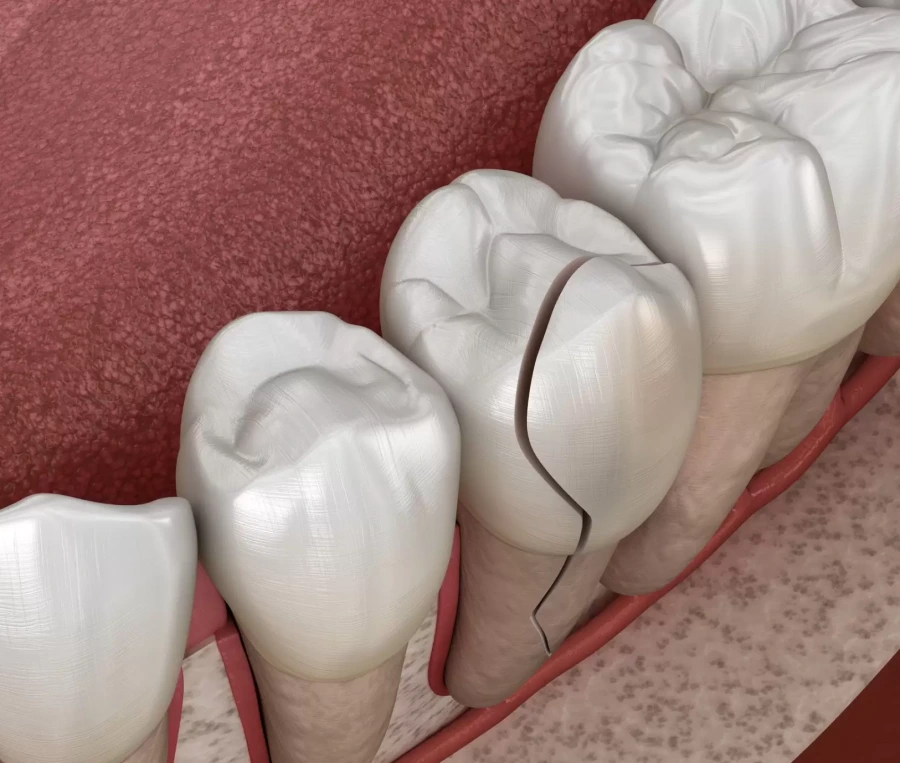
Correct classification is the first step in planning Dental Trauma Treatment and Follow-up. Traumas are generally divided into two: hard tissue injuries and periodontal tissue injuries.
- Enamel fracture
- Enamel-dentin fracture
- Complicated fracture
- Luxation
- Avulsion
- Superficial loss of substance
- Sensitivity
- Pulp exposure
- Tooth displacement
- Complete loss of the tooth
- Aesthetic problem
- Pulp irritation
- Infection risk
- Pulpal necrosis
- Resorption
There are significant differences between traumas seen in primary (milk) teeth and those seen in permanent teeth. Especially in primary teeth, the protection of the underlying permanent tooth germ is a priority.
Dental Trauma Treatment and Follow-up in the Acute Period
The first hours after trauma are considered critical. Procedures to be performed in the acute period during the Dental Trauma Treatment and Follow-up process can increase the chance of preserving the vitality of the tooth. For example, in avulsion cases, keeping the tooth in an appropriate storage medium can affect the survival chance of the periodontal ligament cells. In luxation cases, repositioning and splint applications may come to the fore. At this stage, clinical examination, vitality tests, and radiographic analysis are evaluated together.
Pulpal Response and Endodontic Approach
The response given by the pulp tissue is a decisive factor in the Dental Trauma Treatment and Follow-up process. After trauma, the pulp may show temporary inflammation or progress to necrosis. In young permanent teeth, if the apex is open, continuation of root development can be aimed at with vital pulp treatments. In teeth with closed apices, root canal treatment comes to the agenda when pulpal necrosis develops. The literature states that the first 6 months after trauma are critical.
Follow-up Protocols in the Dental Trauma Treatment and Follow-up Process
Regular follow-up appointments in trauma management are as important as the initial intervention. Dental Trauma Treatment and Follow-up includes not only the procedure performed but also a long-term monitoring plan. Generally recommended control intervals are as follows:
- First-week follow-up
- 1st-month evaluation
- 3rd-month and 6th-month controls
- 1st-year and annual follow-up
During these controls, clinical examination and radiographic evaluation are performed. The aim is to notice root resorption, pulpal necrosis, or ankylosis development early.
Differences in Dental Trauma Treatment and Follow-up Between Primary and Permanent Teeth
Trauma management in primary teeth aims to protect the underlying permanent tooth germ. Therefore, aggressive endodontic procedures can be avoided. In permanent teeth, the long-term function of the tooth is the priority. While Dental Trauma Treatment and Follow-up in primary teeth often proceeds based on observation, it may require more active intervention in permanent teeth. Especially in young individuals, aesthetic concerns after trauma also gain importance.
Long-Term Complications and Clinical Prognosis
The most common complications encountered during the Dental Trauma Treatment and Follow-up process include pulpal necrosis, root resorption, and ankylosis. In some cases, a change in colour may be noticed months after the trauma. This situation may suggest that the pulpal circulation might have been affected. Scientific publications show that long-term success rates can be higher in cases where early intervention and regular follow-up are performed.
Why Should Dental Trauma Treatment and Follow-up Be Systematic?
Dental Trauma Treatment and Follow-up is a planned and systematic process that is not limited only to emergency intervention. The type of trauma, the patient's age, and the development level of the tooth determine the treatment strategy. Successful management is based on the trio of correct classification, timely intervention, and regular monitoring. Dental Trauma Treatment and Follow-up is an integrated dentistry discipline covering both acute and chronic stages. Evaluating clinical experience and scientific data together is the key to long-term functional and aesthetic success.