


Vital Pulp Treatment
Preserving Tooth Vitality with Vital Pulp Treatment
A controlled and tissue-focused treatment approach is applied to preserve the vitality of the pulp tissue.
Vital pulp treatment is an endodontic procedure that aims to control existing damage while preserving the vitality of the tooth's pulp tissue. The goal of this approach is to support the tooth's natural defense mechanisms, enabling the pulp tissue to maintain its function.
During the clinical planning process, the vitality of the tooth, the extent of the damage, and the patient's overall oral health are evaluated. In accordance with current scientific guidelines, treatment protocols prioritizing pulp tissue preservation are determined, and the process is carried out in a controlled manner.
Vital pulp treatment is planned taking into account the clinical findings of the tooth and the vitality of the pulp tissue. The method to be applied is determined as a result of an individual evaluation for each patient.
Our Case Studies
Watch real patient experiences and our treatment processes in videos. Each case is presented to you with details before and after treatment.
Frequently Asked Questions About Vital Pulp Treatment
You can find clear and up-to-date answers to the most frequently asked questions about treatments, appointment scheduling, pricing, and patient experiences.
What is Vital Pulp Therapy? A Modern Approach to Preserving Tooth Vitality
Vital Pulp Therapy is a biological treatment approach aimed at preserving the pulp tissue that has been damaged due to caries, trauma, or restorative procedures but has not completely lost its vitality. With the strengthening of the minimally invasive understanding in modern dentistry, Vital Pulp Therapy has gained more importance. The primary goal of this approach is to reduce the need for root canal treatment by supporting the natural defense mechanism of the tooth.
The pulp tissue is a living connective tissue that provides the nutrition and sensory function of the tooth. Preserving this tissue instead of removing it completely can provide advantages in terms of the long-term durability of the tooth. Vital Pulp Therapy is considered a conservative and biocompatible option when appropriate case selection is made.
In Which Situations is Vital Pulp Therapy Applied?
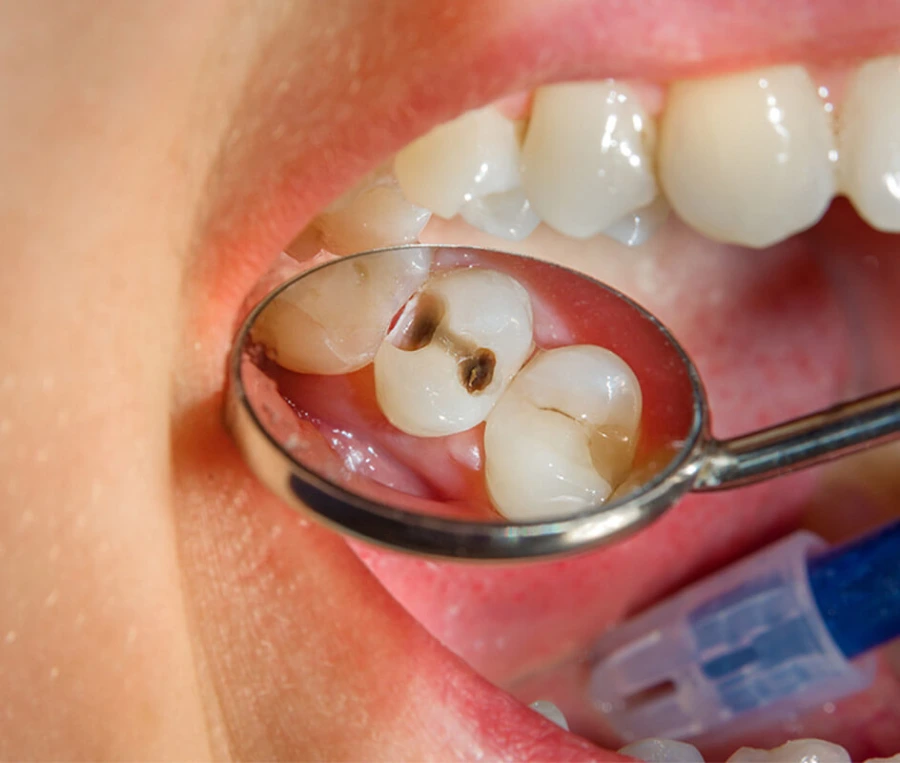
Vital Pulp Therapy generally comes to the forefront in deep caries or pulp exposures due to trauma. However, the important criterion here is that the pulp has not suffered irreversible damage. Clinical evaluation and symptom analysis are decisive at this point.
Symptoms such as spontaneous, prolonged pain that increases at night may suggest that the pulp has been irreversibly affected. On the other hand, Vital Pulp Therapy can be planned in the presence of short-term sensitivity and controlled inflammation. Radiographic findings also contribute to the decision-making process.
General application areas are as follows:
- Deep dentin caries
- Traumatic pulp exposures
- Pulp exposure occurring during restoration
- Cases where root development continues in young permanent teeth
Each case must be analyzed individually.
What are the Types of Vital Pulp Therapy?
Vital Pulp Therapy is divided into different techniques within itself. The method of application depends on the degree to which the pulp tissue is affected. The most common methods are indirect pulp capping, direct pulp capping, and partial pulpotomy.
In indirect pulp capping, it is aimed to protect the pulp by leaving a portion of the caries. In direct pulp capping, biocompatible material is placed over the exposed pulp. In partial pulpotomy, a portion of the infected pulp tissue is removed.
- Indirect Pulp Capping
- Direct Pulp Capping
- Partial Pulpotomy
- To reduce pulp irritation (No direct contact)
- To cover the exposed pulp (Superficial contact)
- To remove the infected part (Partial removal)
How is Vital Pulp Therapy Performed?
During Vital Pulp Therapy, first, the carious tissues are carefully cleaned. If the pulp is exposed, bleeding control is ensured. The cessation of bleeding in a short time can be a positive sign that the pulp is healthy.
Then, biocompatible materials are applied. Today, calcium silicate-based materials (MTA, etc.) are preferred due to their properties that support biological healing. After Vital Pulp Therapy, the tooth is sealed with a leak-proof restoration. This stage is critical in terms of preventing re-contamination by bacteria.
What is the Success Rate of Vital Pulp Therapy?
The success of Vital Pulp Therapy depends on correct case selection, sterile working conditions, and the use of appropriate materials. Positive results are reported in the literature, especially in young individuals and cases with early intervention.
However, it is not correct to give a definitive success rate. The degree of inflammation of the pulp, the patient's immune response, and the quality of the restoration can affect the process. In the long term, it is aimed for the tooth to remain vital, for root development to continue, and for it to function without pain.
Difference Between Vital Pulp Therapy and Root Canal Treatment
The fundamental difference between Vital Pulp Therapy and root canal treatment is whether the pulp tissue is preserved or not. While the pulp is completely removed in root canal treatment, Vital Pulp Therapy aims to maintain the healthy part of the pulp.
This approach can contribute to the tooth maintaining its proprioceptive sense, and its structural integrity is better preserved. The decision process is shaped in line with the clinical evaluation and the patient's symptom history.
Process After Vital Pulp Therapy
Slight sensitivity may be seen after treatment; this condition is usually short-lived. Vitality tests and radiographic examinations are performed during follow-up appointments. The aim is to verify that the pulp tissue continues its function healthily. Good oral hygiene and regular follow-up are important parts of success.
Scientific and Biological Foundations of Vital Pulp Therapy
Vital Pulp Therapy is based on the biological capacity of the dentin-pulp complex. The pulp tissue has the ability to create secondary or tertiary dentin when appropriate conditions are provided. Current research shows that biocompatible materials can support cellular proliferation and contribute to the formation of a mineralized barrier.
A Rational Option for Preserving the Natural Tooth
Vital Pulp Therapy is a conservative method that contributes to maintaining the vitality of the tooth when applied under appropriate conditions. Early diagnosis, correct case selection, and the use of biocompatible materials are the cornerstones of the process. Preserving the pulp tissue means not only preventing pain but also maintaining the biological integrity of the tooth.