


How to Get Rid of Canker Sores? Solutions for Mouth Sores
Don't put off your smile. Message us now to discuss your treatment options with our expert dentists.
WhatsAppOral sores that start suddenly during the day and turn into an unbearable sting when you consume something hot or acidic can significantly reduce your quality of life. Most people have encountered these white sores surrounded by a red halo at some point in their lives. While the curiosity about how to cure canker sores usually begins after the sore appears, understanding the causes and taking preventive measures is just as valuable as the treatment itself.
As Avrupa Saglik Dis, we view our patients' oral health as a whole. Canker sores, which are as common as tooth decay or gum problems, can sometimes serve as warnings regarding the body's general health. In this guide, we will provide a comprehensive roadmap covering everything from how to treat a canker sore in the mouth to practical methods that can be applied at home.
Table of Content
- What is a Canker Sore? How to Tell the Difference from a Cold Sore
- Why Do Canker Sores Occur? 5 Important Triggering Factors
- How to Cure Canker Sores?
- Specific Advice for Canker Sores on the Tongue and Gums
- How Many Days Does It Take to Heal? Ways to Speed Up the Process
- Watch Out for Recurring Canker Sores: When to See a Doctor?
- Nutrition and Oral Care Tips to Prevent Canker Sores
- FAQ
What is a Canker Sore? How to Tell the Difference from a Cold Sore
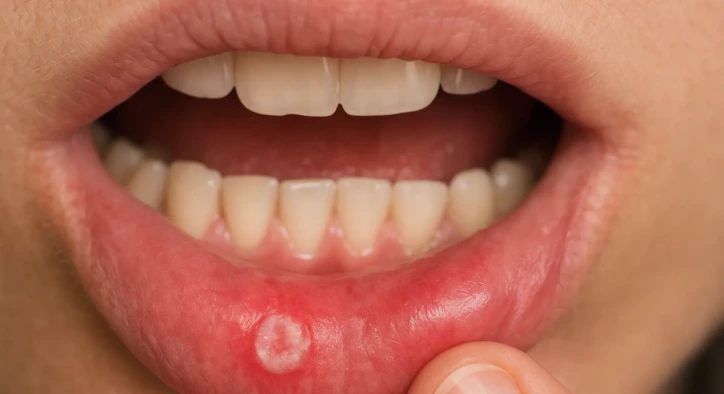
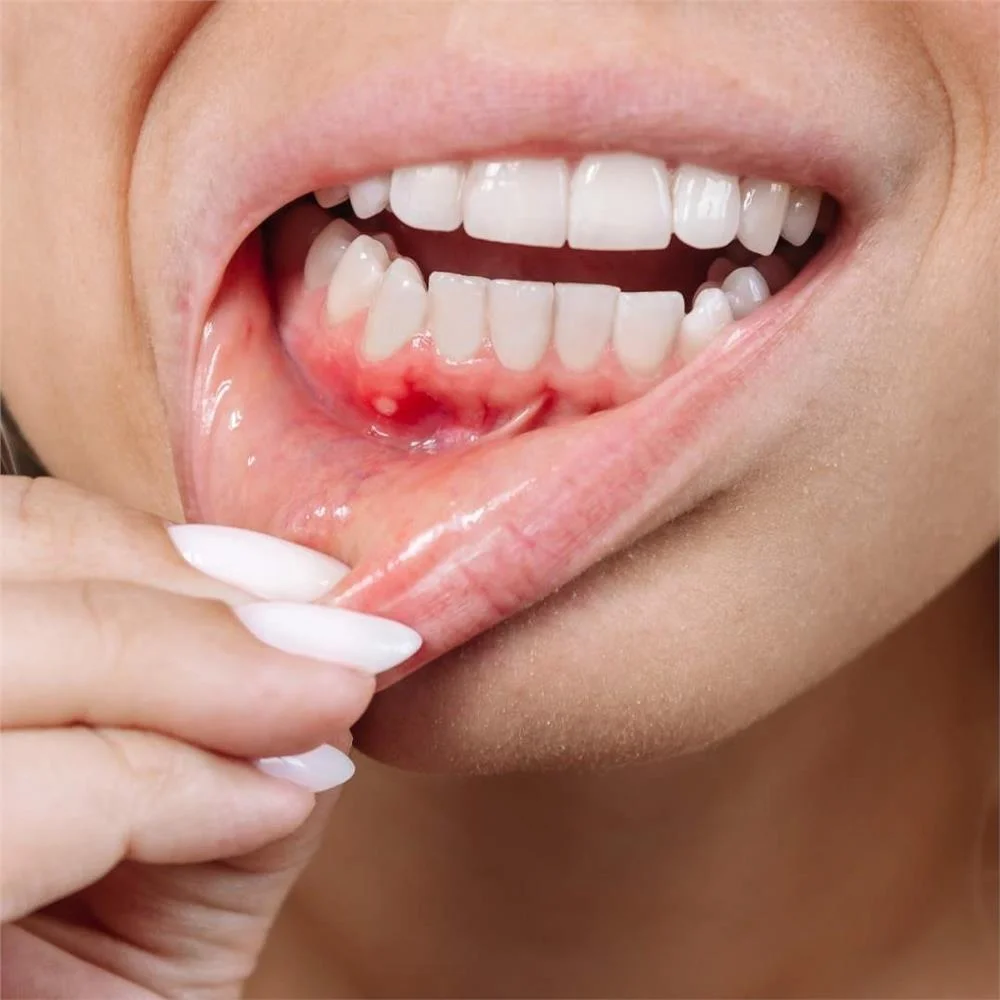
A canker sore (aphthous ulcer) is often confused with a cold sore, but the two are entirely different. A canker sore is a non-contagious mouth ulcer that forms on the soft tissues inside the mouth (inner cheek, on the tongue, or at the base of the gums). Cold sores, on the other hand, usually appear outside the mouth, such as around the edges of the lips; they are viral and highly contagious.
Canker sores typically have a white or yellow center with an inflamed red border. When the tongue touches the wounded area while eating or speaking, it can cause a pain similar to an electric shock. Before focusing on how to cure canker sores, identifying the type of sore is critical for treatment success. Small (minor) sores usually heal without leaving scars, while larger (major) sores are deeper and may require professional intervention.
Why Do Canker Sores Occur? 5 Important Triggering Factors
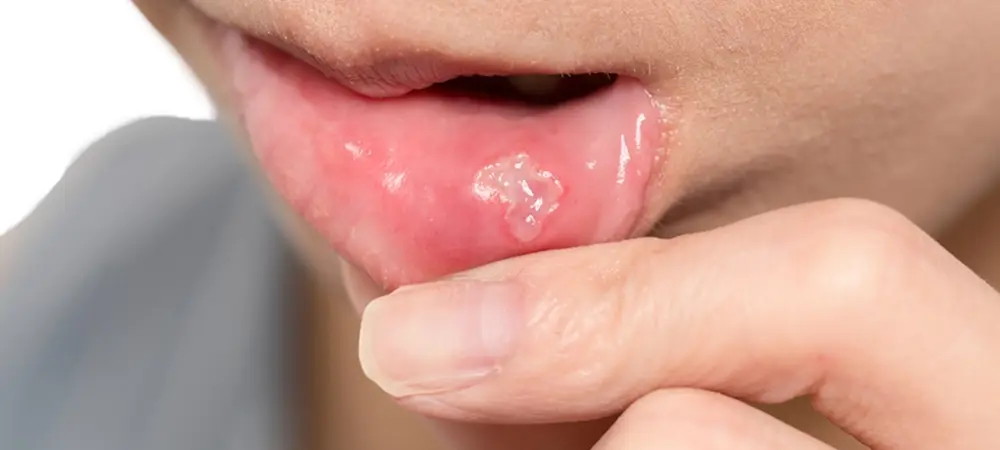
Many patients ask why canker sores occur and how they go away. There is no single cause for a canker sore; it is usually triggered by a combination of several factors:
- Tissue Trauma: Accidentally biting the cheek, irritation of the gums by hard foods, or brushing teeth too hard paves the way for canker sores.
- Stress and Anxiety: Intense periods of stress that weaken the immune system can lower the body's ability to protect the mucosal structure inside the mouth.
- Nutritional Deficiencies: Deficiencies in Vitamin B12, iron, folic acid, and zinc are the most common causes of chronic canker sores.
- Food Sensitivities: Acidic beverages, pickles, spicy foods, and gluten can accelerate the formation of canker sores in some individuals.
- Toothpaste Ingredients: Sodium Lauryl Sulfate (SLS), found in some toothpastes, can trigger sores by irritating sensitive oral tissues.
How to Cure Canker Sores?
Both home remedies and professional supports are available for the healing of these uncomfortable sores in the mouth. The fundamental answer to how to cure canker sores is to reduce the bacterial load in the area and allow the tissue to repair itself.
As a first step, one should stay away from acidic, excessively hot, or spicy foods that irritate the wound. During this process, it is necessary to use a soft toothbrush and pay more attention to oral hygiene than ever. Keeping the area clean increases the body's healing speed by reducing the risk of infection.
Practical Home Remedies
Many people look for ways on how to cure canker sores at home before seeing a doctor. In mild cases, these methods can be quite soothing:
- Saltwater Rinse: Adding a teaspoon of salt to a glass of warm water and gargling disinfects the area. Although it may sting at first, it helps regulate the acid balance.
- Baking Soda Mixture: Baking soda balances the pH level in the mouth. Applying baking soda made into a paste with a small amount of water onto the sore can alleviate the pain.
- Clove Oil: Clove oil, a natural antiseptic, can slightly numb the area when applied with a cotton swab, making it easier to eat.
- Sumac Water: Frequently used in traditional remedies, sumac is a powerful anti-inflammatory. Gargling with sumac water is an effective natural alternative for those looking for the fastest way to heal.
Specific Advice for Canker Sores on the Tongue and Gums
The question of how to treat a canker sore on the tongue is the most challenging because the tongue is constantly in motion. These sores can make even speaking difficult. In this case, special oral gels that cover the area with a protective layer should be used. These gels, available over the counter, cut off contact with external stimuli by sealing the wound.
Regarding sores on the gums, the most important point to consider is the tooth brushing habit. Canker sores on the gums can often worsen with brush strokes. During this process, using non-alcoholic, antiseptic mouthwashes can protect the wound by replacing mechanical cleaning. If a canker sore on the gum becomes chronic, it may be a sign of gum disease or an improperly made filling.
How Many Days Does It Take to Heal? Ways to Speed Up the Process
People feel that time passes slowly when they are in pain, so it is quite natural to wonder how many days it takes for a canker sore to heal. A standard sore usually causes its most severe pain within 2-3 days and may disappear on its own within 7-10 days. However, speeding up the process is in your hands.
To accelerate healing, plenty of water should be consumed, and dry mouth should be avoided. Saliva is the most powerful natural protector in the mouth. Additionally, taking Vitamin C supplements to support immunity activates the body's repair mechanisms.
Watch Out for Recurring Canker Sores: When to See a Doctor?
If you have canker sores more than three times a year, or if a sore has not healed for more than two weeks, it may be more than just a simple ulcer. A mouth sore can sometimes appear as the first symptom of Behçet's disease, celiac disease, or inflammatory bowel diseases.
You should definitely consult a specialist in the following situations:
- The size of the sore is larger than normal and is spreading.
- Multiple canker sores appear at the same time.
- The mouth sore is accompanied by a high fever.
- Your eating and drinking functions have reached a complete standstill.
In our clinics, we investigate the root of the problem for such cases by planning special blood tests and, if necessary, biopsies. Remember, oral tissues are a mirror of the body's general health.
Nutrition and Oral Care Tips to Prevent Canker Sores
Once you find the answer to why canker sores occur, taking preventive steps is the most logical path. With regular nutrition and proper oral care, you can reduce the frequency of canker sores by 80%.
- Nutrition: Consumption of seasonal vegetables, yogurt, and nuts can strengthen the oral mucosa. Especially the probiotics in yogurt can balance the oral flora.
- Vitamin Support: If your blood values are low, B12 and iron supplements should be taken under a doctor's supervision.
- Correct Toothpaste: Choosing toothpastes with more natural ingredients that do not contain SLS can prevent irritation.
- Night Hygiene: Rinsing the mouth with even just water before going to sleep can limit bacterial growth throughout the night.
|
Condition |
Method to Apply |
Expected Effect |
|
Suddenly Developing Sore |
Baking Soda Rinse |
Alleviating pain and cleaning |
|
Severe Pain |
Topical Gel/Ointment |
Local numbing and protection |
|
Chronic Recurrence |
Blood Test & B12 Measurement |
Detection of the root cause |
|
Desire for Fast Healing |
Laser Treatment |
Pain relief within seconds |
FAQ
What is the maximum duration of a canker sore?
Minor sores usually last 7-10 days. Major canker sores can take 2 to 4 weeks to heal and may sometimes leave a scar.
Is it good to put salt directly on a canker sore?
Pressing salt directly can burn the wound and damage the tissue. Instead, mixing salt in a warm glass of water and gargling is much safer and more effective.
Are canker sores contagious?
No, canker sores are not contagious because they are not caused by a virus. They do not pass to another person through kissing or sharing glasses.
Which vitamin deficiency causes canker sores?
Canker sores are seen more frequently and severely in cases of Vitamin B12, iron, folic acid, and zinc deficiencies.
How many days does it take for a canker sore to heal?
Mild cases usually lose their painful sting after the first 3-4 days and heal within a week.
About the Author