



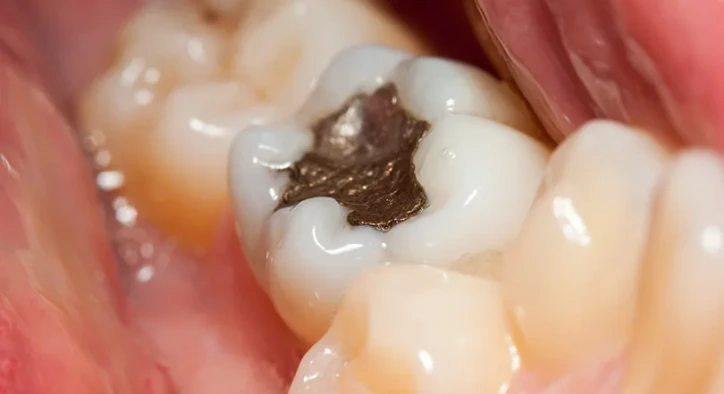
Why Are Dental Fillings Done? How Are They Done?
Don't put off your smile. Message us now to discuss your treatment options with our expert dentists.
WhatsAppIf you feel a sudden, sharp sensitivity in your teeth while eating or drinking something cold, you are likely dealing with a cavity. A dental filling is the most frequently performed dental procedure that extends the lifespan of a tooth while preserving overall oral health. When caught early, a cavity filling can completely save a tooth without the need for root canals or extractions. At Avrupa Sağlık Diş clinics, we combine advanced biocompatible materials with artistic expertise. This comprehensive guide covers everything you need to know about dental fillings.
Table of Content
Why is a Dental Filling Done?
A common question patients ask during their initial examination is why a filling is necessary. A dental filling is not merely an aesthetic patch; it is a critical medical intervention designed to restore the tooth's anatomical shape and physiological function. Fillings are heavily performed for the following reasons:
- Halting Advanced Decay: Bacteria in the mouth mix with food remnants to produce harmful acids. These acids dissolve the protective enamel, forming a cavity. If the decayed area is not cleared and filled, the bacterial infection will progress to the living pulp chamber, requiring complex root canal therapy.
- Preserving Tooth Structure: Teeth structural weakened by deep decay or structural cracks cannot tolerate vertical forces during chewing. A filling populates this void, distributing forces evenly and preventing catastrophic crown fractures.
- Eliminating Hot and Cold Sensitivity: When outer enamel layers erode, the underlying dentin layer becomes exposed. A filling seals these tubules, providing dynamic temperature insulation.
- Repairing Severe Tooth Wear: Aggressive tooth brushing, unconscious jaw clenching (bruxism), or highly acidic diets cause structural erosion (abrasion/attrition) near the gumline or on biting surfaces. These damaged zones must be restored with modern fillings.
- Restoring Bite Function and Aesthetics: Patients unable to chew comfortably due to missing tooth structures, or those who hide their smile due to visible chips, can regain complete bite function and facial aesthetics through composite restorations.
How is a Dental Filling Done?
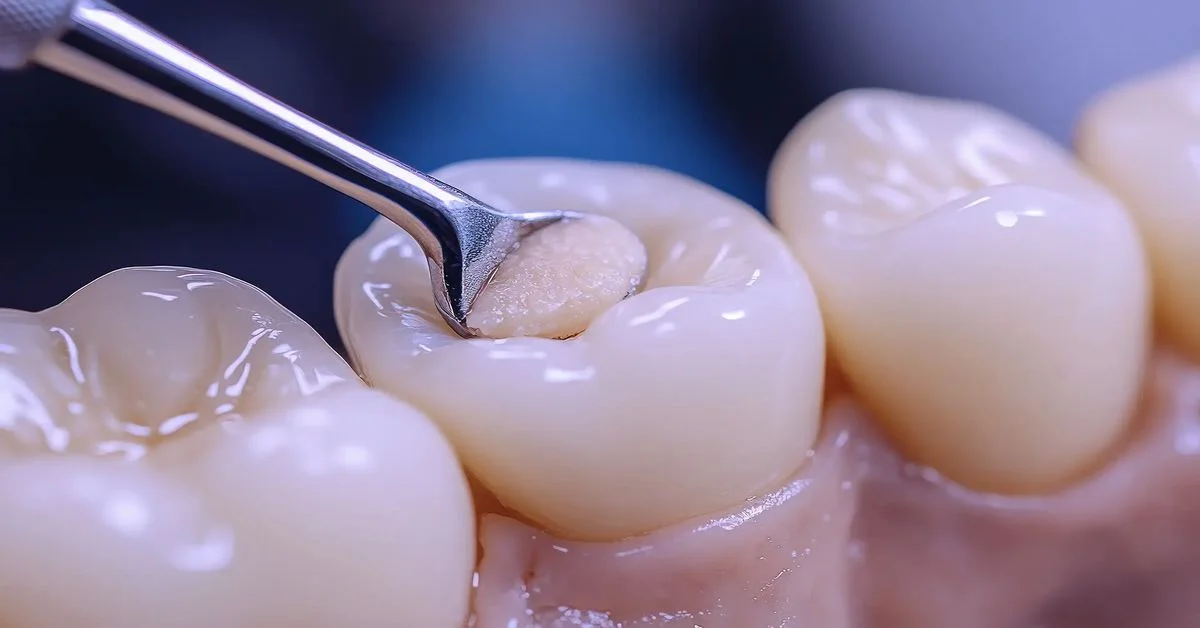
Performed comfortably using state-of-the-art digital tools at our clinics, a standard dental filling procedure involves the following steps:
1. Local Anesthesia
The target tooth and its surrounding tissues are completely numbed to ensure a totally pain-free experience. The patient feels no sharp sensations during deep excavation.
2. Removing the Cavity
Utilizing specialized high-speed dental drills, all decayed, weakened, and bacteria-ridden hard tissues are removed with millimeter precision, preserving the underlying healthy structure.
3. Shaping and Disinfection
The remaining space (cavity) is anatomically shaped to secure the material and thoroughly washed with antiseptic solutions to clear out any remaining microscopic bacteria.
4. Applying the Bonding Agent
Special conditioning agents (bonding) are applied to the tooth surface to ensure the filling material bonds chemically, which is then cured using a specific blue LED light source.
5. Placing and Sculpting the Filling
The selected material, such as a composite dental filling, is placed into the space layer by layer. Each layer is hardened using the blue light. The dentist sculpts the material to match the natural ridges and contours of a tooth’s chewing surface.
6. Bite Check and Polishing
The patient bites on articulating paper to check for high spots, which are then smoothed down. Finally, the filling surface is polished to a glass-like finish to prevent staining and plaque accumulation.
Does a Dental Filling Hurt?
"Does a dental filling hurt?" is the single most common concern among patients experiencing dental anxiety. Thanks to premium local anesthetics utilized in modern dentistry, you will feel absolutely no pain during the procedure. The only minor sensation is a quick pinch during the numbing injection. Mild post-operative sensitivity for a couple of days after the numbness fades is completely normal.
How Long Does a Dental Filling Take?
The duration of a filling appointment depends on the size, depth, and overall location of the cavity.
- A small, single-surface cavity filling usually takes around 20 to 30 minutes.
- Deep cavities spanning multiple surfaces (interproximal fillings between teeth) can take up to 45 minutes.
- It is entirely possible to fill multiple adjacent teeth during a single visit.
What Are the Different Dental Filling Types?
With continuous advancements in dental materials science, practitioners now utilize several types of fillings tailored to specific dental needs:
1. Composite Dental Filling
Made from a mixture of durable plastic and silica particles, these fillings match the exact natural color of your teeth. They bond chemically to the tooth structure and harden instantly with a light guide. They are safely used for both rear molars and high-visibility front teeth fillings.
2. Aesthetic Dental Filling
Specially engineered micro-hybrid composite systems applied to repair chips, cracks, or gaps (diastemas) in the front teeth. By perfectly matching the natural opacity, color gradients, and light reflection of human teeth, these fillings become completely invisible to the naked eye.
3. Porcelain Inlays and Onlays
When a tooth has lost massive amounts of structure, we take a digital impression using our in-house CAD/CAM system to mill a custom porcelain piece. This custom piece is then bonded to the tooth. It stands out as the most fracture-resistant and durable filling type available.
4. Amalgam Filling
An older generation material made from a mixture of mercury, silver, copper, and tin. Due to its dark metallic color, it is visually unappealing. At our clinics, we prioritize biophysiological safety and aesthetics, choosing modern composites and porcelain over amalgam.
How Are Dental Filling Costs Determined in Turkey?
Answering "how much is a dental filling?" requires a detailed clinical examination, as individual cases dictate specific steps. Final pricing tracks the base framework provided by the Turkish Dental Association alongside these criteria:
- Number of Restored Surfaces: A simple filling on a single surface costs less than multi-surface restorations that require reconstruction of walls between teeth.
- Material Selection: Standard composite resins, ultra-aesthetic front teeth adjustments, and computer-milled porcelain onlays carry distinct manufacturing and raw material costs.
- Depth of the Cavity: Deep decay close to the nerve requires protective base liners or pulp capping therapies, altering the procedural steps.
What to Expect and Maintain After a Dental Filling?
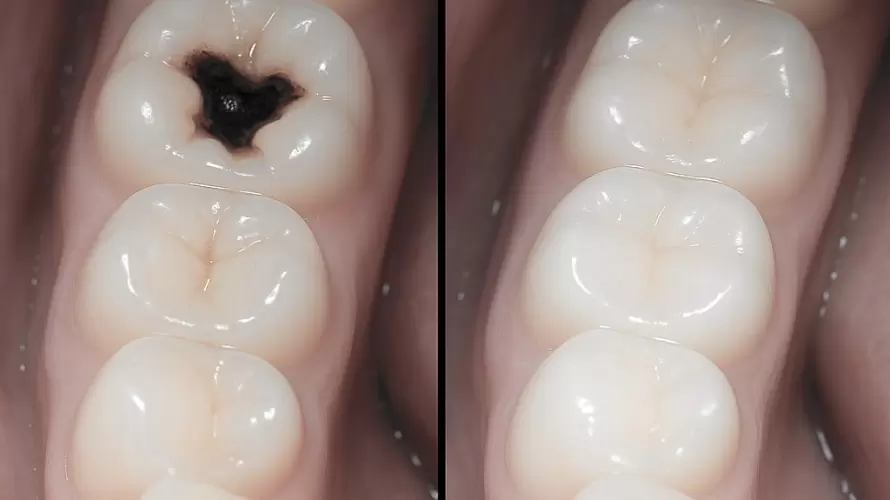
To maximize the longevity of your new restoration, ensure you implement these essential rules:
- Eating Post-Treatment: If a light-cured composite resin was used, you can eat right after the session. However, we advise waiting until the local numbness completely wears off to prevent accidentally chewing your lip or tongue.
- Managing Sensitivity: Minor temperature sensitivity to hot or cold foods is expected for the first few weeks. If this progresses into spontaneous, throbbing pain at night, contact your dentist immediately.
- Daily Oral Hygiene: Filled teeth can still develop secondary decay around the margins if neglected. Brushing twice a day and flossing daily are mandatory to protect your investment.
Frequently Asked Questions
Can an amalgam filling cause allergies?
Yes, though rare, some individuals can develop localized allergic reactions (oral lichenoid lesions, mucosal redness, burning sensations) due to the mercury or metallic components inside an amalgam filling. In these scenarios, the old metal filling should be removed and replaced with a biocompatible composite alternative.
Can you get a dental filling while having a cold or the flu?
If you have a mild cold, it is generally safe to proceed. However, if you have a high fever, a severe cough, or an intensely blocked nose that forces you to breathe entirely through your mouth, it is best to reschedule. Mouth-breathing compromises the dry environment required for composite resins to bond correctly to the tooth structure.
Will a front tooth filling turn yellow over time?
Modern composite materials are highly resistant to discoloration. However, heavy consumption of tea, coffee, red wine, or smoking coupled with subpar hygiene can cause minor staining around the edges over time. These can be easily refreshed during routine dental check-ups through professional polishing.
Can a lost filling be replaced immediately?
Yes. The dentist will examine the exposed cavity, clean out any new decay that may have developed underneath, and place a brand-new filling during the same session to protect the tooth structure.
About the Author