


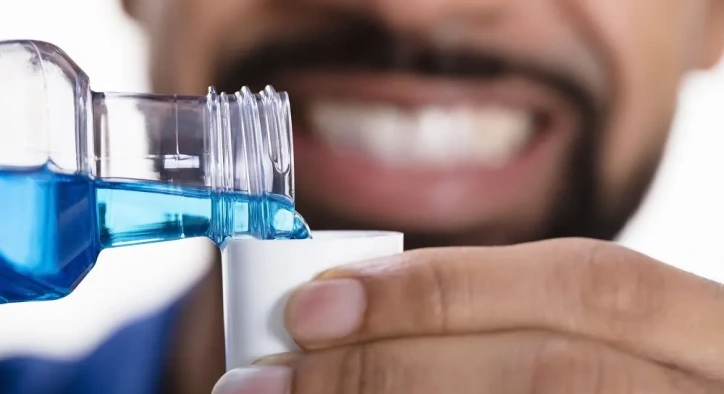
What Is Mouthwash? Its Benefits, How to Use It and Types
Don't put off your smile. Message us now to discuss your treatment options with our expert dentists.
WhatsAppWhile toothbrushing and interdental flossing remain the foundational elements of oral hygiene, these mechanical cleaning methods access only about 20% to 25% of the total intraoral surface area. Soft tissue domains (including the dorsal tongue surface, buccal mucosa, hard and soft palate, tonsillar pillars, and deep gingival crevices) are inaccessible to toothbrush bristles yet harbor vast reservoirs of pathogenic biofilm and volatile sulfur compounds (VSCs). Liquid oral rinses, commonly termed mouthwash, serve as essential chemical plaque control agents that complement mechanical cleaning.
Therapeutic and cosmetic mouthwashes are formulated to reduce pathogenic microbial loads, control localized gingival inflammation (gingivitis), biochemically neutralize halitosis rather than masking it, and enhance enamel remineralization. However, indiscriminate or prolonged use of high-potency antiseptic mouthwashes can disrupt normal oral microflora, induce mucosal drying, or cause extrinsic tooth staining. This comprehensive YMYL master guide analyzes what does mouthwash do, details how to use mouthwash, differentiates between antiseptic mouthwash and antibacterial mouthwash, evaluates zinc mouthwash formulations, answers is mouthwash harmful, outlines how to make natural mouthwash, and guides patients on selecting the best mouthwash.
Table of Content
- What Is Mouthwash? Its Benefits, How to Use It, and Types
What Is Mouthwash and What Does It Do?
In periodontology literature, the clinical definition of mouthwash is: An active liquid chemical solution designed to reduce intraoral microbial counts, control plaque formation, mitigate halitosis, or enhance tissue healing following oral surgical procedures.
When used correctly, what does mouthwash do for oral health?
- Inhibits Biofilm & Plaque Accumulation: Disrupts bacterial cell membranes, delaying new plaque formation across enamel and soft tissues.
- Prevents & Reduces Gingivitis: Reaches gingival margins and interdental crevices to soothe inflamed, bleeding gum tissue.
- Biochemically Neutralizes Malodor: Chemically binds volatile sulfur compounds (VSCs) (such as hydrogen sulfide produced by anaerobic oral bacteria) eliminating the root cause of halitosis.
- Supports Post-Surgical Healing: Delivers regional antisepsis following tooth extractions, implant placement, or periodontal surgery when mechanical brushing is contraindicated.
- Enhances Enamel Remineralization: Delivers bioavailable fluoride ions to re-harden acid-softened enamel matrices.
Primary Types of Mouthwash Formulations
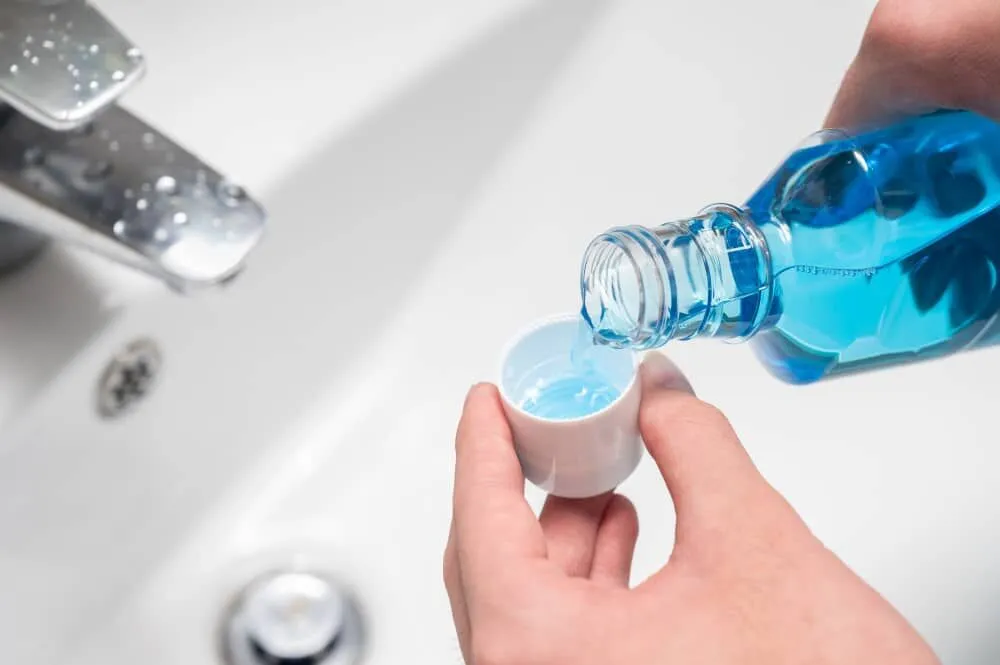
Mouthwash formulations are categorized into four primary clinical groups:
1. Antiseptic and Antibacterial Mouthwash
High-potency clinical rinses that disrupt viral, fungal, and bacterial cell walls. An antiseptic mouthwash or antibacterial mouthwash typically contains Chlorhexidine Gluconate (0.12% to 0.20%) Cetylpyridinium Chloride (CPC), or Sodium Fluoride. These are prescribed short-term following surgical interventions or for acute periodontal conditions.
2. Zinc-Infused Mouthwash
Formulated specifically for managing chronic halitosis. Bioavailable zinc ions (Zn2+) in a zinc mouthwash directly inhibit the metabolic pathways of VSC-producing anaerobic bacteria, converting malodorous sulfur compounds into odorless salts.
3. Therapeutic / Prescription Rinses
Formulated with active anti-inflammatory or analgesic agents (such as Benzydamine Hydrochloride or mild corticosteroids) to manage aphthous ulcers, oral stomatitis, or radiation/chemotherapy-induced mucositis.
4. Cosmetic and Natural Mouthwash
Alcohol-free formulations designed for daily long-term use, providing pleasant oral freshness, mild plaque inhibition, or daily fluoride support without disrupting microflora balance.
How to Use Mouthwash Properly: Clinical Steps
To ensure maximum substantivity and clinical efficacy, follow these proper steps on how to use mouthwash:
- Prioritize Mechanical Cleaning: Mouthwash is an adjunct, not a substitute for mechanical toothbrushing and flossing. Always brush and floss first.
- Measure the Dosage: Dispense 10 to 15 mL (approximately 2 to 3 teaspoons) into the measuring cap.
- Swish Thoroughly: Take the liquid into the mouth and swish vigorously across cheeks, lips, and teeth for 30 to 60 seconds.
- Gargle for Oropharyngeal Coverage: Tilt the head back slightly and gargle to allow the rinse to contact the posterior tongue and tonsillar region.
- Spit and DO NOT Rinse: Expectorate the rinse completely; never swallow mouthwash! Crucially, DO NOT RINSE YOUR MOUTH WITH WATER IMMEDIATELY AFTERWARD! Rinsing with water washes away the active ingredients, destroying their binding capacity (substantivity) to soft tissues.
- Observation Window: Refrain from eating, drinking, or smoking for at least 30 minutes post-rinsing.
Is Mouthwash Harmful? Risks and Side Effects

Addressing is mouthwash harmful requires analyzing ingredients, frequency, and duration of use. Uncontrolled or chronic use can lead to these clinical side effects:
- Microflora Dysbiosis: Using high-potency chlorhexidine rinses for longer than 14 consecutive days kills beneficial oral commensal bacteria alongside pathogens, creating an environment susceptible to fungal overgrowth (Oral Candidiasis).
- Extrinsic Tooth & Tongue Staining: Prolonged chlorhexidine use produces temporary brown or black extrinsic staining on dental enamel, composite restorations, and the dorsal tongue.
- Dysgeusia (Altered Taste Perception): Strong antiseptic agents can temporarily affect gustatory receptors on tongue papillae, causing altered taste sensation.
- Mucosal Desiccation & Dry Mouth: Alcohol-containing mouthwashes can dehydrate delicate oral mucosa, aggravating burning mouth sensations or pre-existing xerostomia. Alcohol-free rinses are recommended.
Comparative Matrix: Mouthwash Categories
Compare key properties of different mouthwash formulations below:
|
Mouthwash Category |
Primary Active Ingredients |
Primary Clinical Indication |
Safe Duration of Use |
|
Chlorhexidine Antiseptic |
Chlorhexidine Gluconate (0.12% - 0.20%) |
Post-Surgical Care, Acute Gingivitis |
Strictly 7 to 14 Days Max |
|
Zinc / CPC Formula |
Zinc Ions (Zn2+), Cetylpyridinium |
Chronic Halitosis (Oral Malodor) |
Suitable for Long-Term Use |
|
Fluoride Rinse |
Sodium Fluoride (NaF) |
High Caries Risk, Root Sensitivity |
Suitable for Daily Use |
|
Alcohol-Free Daily Rinse |
Essential Oils, Xylitol, CPC |
Daily Hygiene, Plaque Control |
Suitable for Daily Use |
|
Natural Salt Water |
Sodium Chloride (Salt + Warm Water) |
Mucosal Ulcers, Extraction Healing |
As Needed |
How to Choose the Best Mouthwash
Selecting the best mouthwash depends on individual oral health parameters determined by your dental professional:
- For bleeding gums or post-surgical recovery: Prescription chlorhexidine therapeutic rinses are most effective short-term.
- For chronic oral malodor: Formulations containing zinc ions or Cetylpyridinium Chloride (CPC) are ideal.
- For dry mouth (xerostomia): Strictly select alcohol-free, hydrating rinses containing xylitol or hyaluronic acid.
- For high caries susceptibility: High-concentration sodium fluoride rinses provide optimal enamel protection.
Frequently Asked Questions
Does mouthwash replace toothbrushing?
No, absolutely not! Mouthwashes provide chemical biofilm control, but they cannot remove adherent calcified plaque or food debris. Physical brushing and interdental flossing are required to mechanically disrupt plaque. Mouthwash should always be used as an adjunct following brushing and flossing.
Should I rinse my mouth with water after using mouthwash?
No, do not rinse with water. Rinsing with water immediately after expectorating mouthwash washes away the active fluoride or antiseptic agents, destroying their substantivity (ability to bind to tissues and work over time). Allow the residual thin layer of rinse to remain on oral tissues.
Is mouthwash safe for young children?
Chemical mouthwashes are not recommended for children under 6 years of age because their swallowing reflex is not fully developed, posing risks of ingestion, nausea, or excessive fluoride intake. For children aged 6 to 12, alcohol-free, child-formulated fluoride rinses can be used under strict parental supervision.
How do you remove brown teeth stains caused by chlorhexidine mouthwash?
Chlorhexidine-induced staining is extrinsic (surface-level) and does not penetrate enamel structure. Once chlorhexidine use is discontinued, a routine professional dental cleaning and polishing (prophylaxis) performed by your dentist removes all surface stains completely within minutes.
About the Author