


Is Teeth Whitening Permanent? Longevity, Relapse & Care
Don't put off your smile. Message us now to discuss your treatment options with our expert dentists.
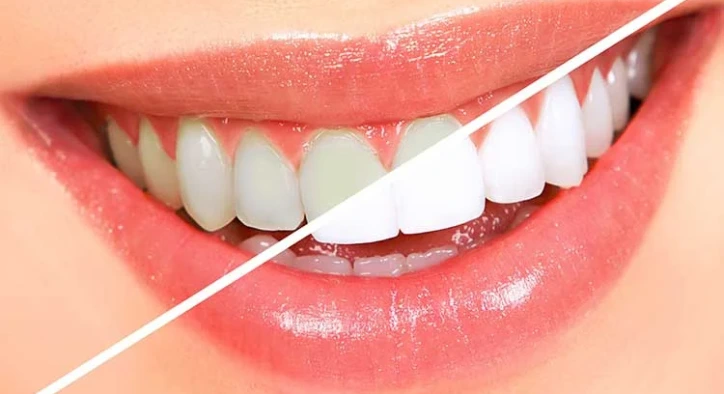
WhatsAppIn modern cosmetic dentistry, professional dental bleaching is one of the most reliable and conservative modalities for restoring luminosity, vitality, and youthfulness to a smile without removing natural enamel. Over decades of routine mastication, dark dietary chromogens derived from brewed tea, espresso, red wine, turmeric spices, and tobacco byproducts slip past the surface pellicle, embedding deep within the microscopic prism sheaths of dental enamel. Professional in-office whitening systems utilizing pharmaceutical-grade hydrogen peroxide or carbamide peroxide formulas release reactive oxygen species. These free radicals break down complex conjugated double bonds within dark pigment molecules, altering light refraction and lifting tooth shades by three to eight tones on the VITA shade guide.
Table of Content
- Is Teeth Whitening Permanent?
- How Long Does Teeth Whitening Last?
- Is Laser Teeth Whitening Permanent?
- Does Teeth Whitening Shade Relapse?
- Are There Truly Permanent Teeth Whitening Methods?
- Prolonging Whitening Longevity: The White Diet Protocol
- Comparative Matrix: Whitening Modalities and Longevity Profiles
- Frequently Asked Questions
Is Teeth Whitening Permanent?
Stated clearly according to clinical dental science: No, professional teeth whitening is not biologically permanent.
Why is lifelong permanence impossible with natural enamel?
- Enamel Is a Living, Semi-Permeable Substrate: Dental enamel is not an impenetrable ceramic glaze; it is a porous crystalline structure composed of millions of microscopic hydroxyapatite prisms and interprismatic protein matrix channels.
- Continuous Chromogen Exposure: The oral cavity remains in active functional contact with dark dietary liquids, complex tannins, and polyphenols. In individuals consuming daily tea or espresso, pigments inevitably re-enter exposed enamel pores over time.
- Secondary Dentinogenesis: As part of natural physiological aging, the internal pulpal chamber continuously deposits secondary and tertiary dentin. Because dentin possesses an intrinsically yellow, opaque hue, its gradual thickening combined with thin enamel naturally dims surface radiance over decades.
How Long Does Teeth Whitening Last?
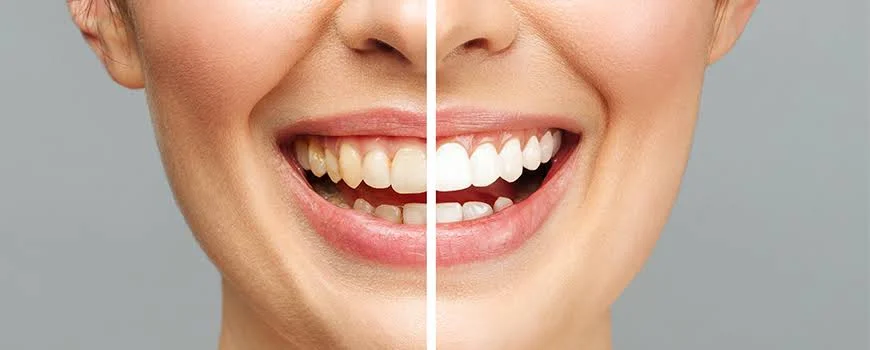
In clinical restorative dentistry, evaluations of how long does teeth whitening last and teeth whitening longevity indicate:
- Across standard patient populations, results endure between 1 and 3 years.
- In non-smokers who maintain meticulous oral hygiene, floss daily, and consume staining beverages through a straw, brightened shades remain stable for 2 to 3 years.
- In patients who smoke heavily or drink multiple cups of dark coffee or black tea daily without immediate rinsing, shade degradation can begin within 6 to 8 months.
Is Laser Teeth Whitening Permanent?
A common question is: is laser teeth whitening permanent?
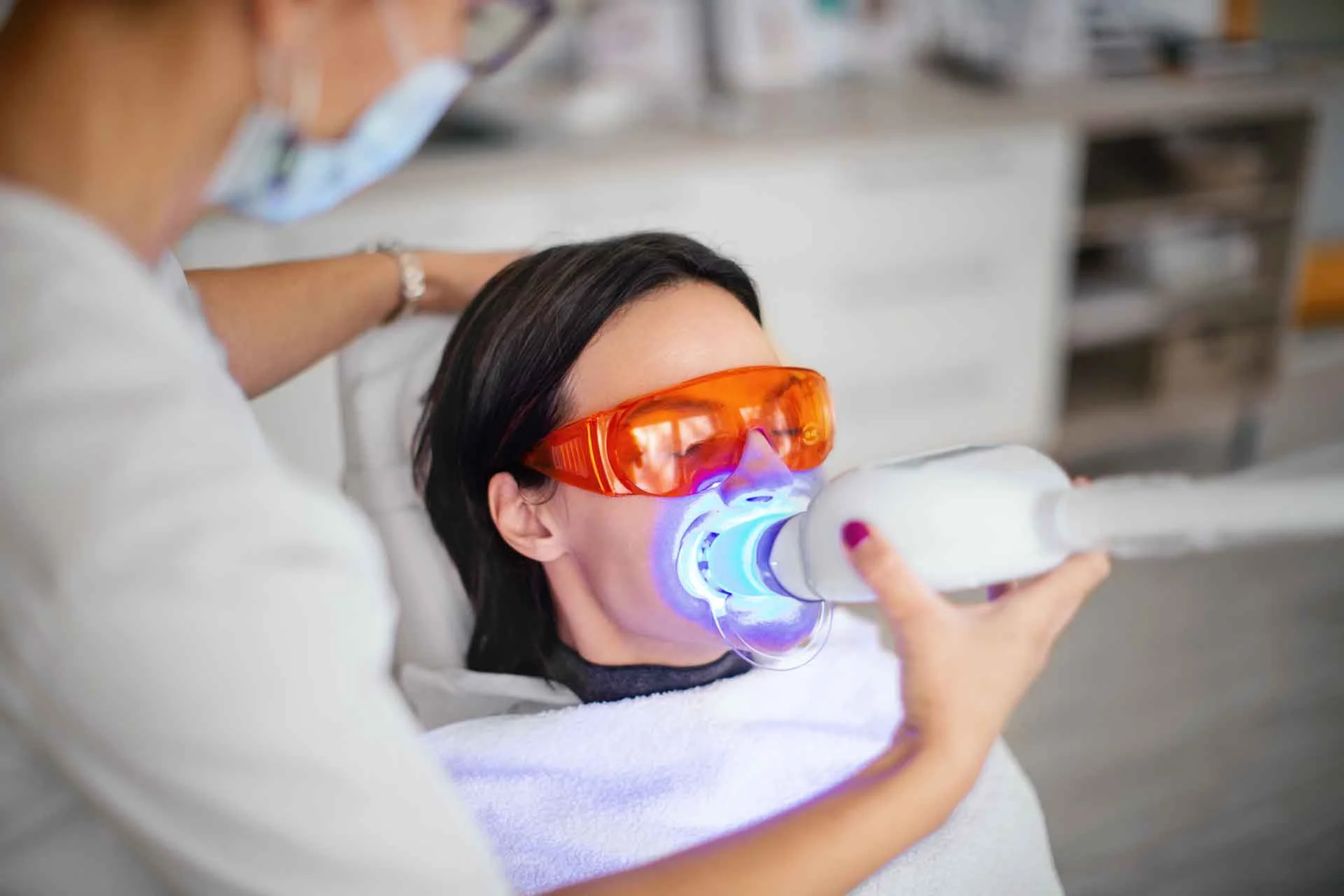
- The Role of the Dental Laser: In-office laser or high-intensity LED light units do not whiten teeth on their own. The laser light functions as a photochemical accelerator, heating and energizing hydrogen peroxide gel so that hydroxyl radicals penetrate deeper enamel prisms within forty-five minutes.
- Deeper Initial Oxidation: Laser-assisted whitening produces a rapid, dramatic shade improvement in a single clinical appointment compared to take-home trays.
- Susceptibility to Restaining: While lasers accelerate the bleaching reaction, they cannot alter the biological porosity of natural enamel. Over one to three years, enamel exposed to dietary tannins gradually relapses toward its baseline shade regardless of whether a laser was used during initial application.
Does Teeth Whitening Shade Relapse?
Patients occasionally report that their teeth seem darker just days after treatment. Evaluating does teeth whitening shade relapse requires distinguishing between two distinct phases:
1. Transient Dehydration Rebound (First 48 Hours)
Immediately after chairside bleaching, teeth often display an opaque, chalky, bright appearance. This initial shade is partially driven by transient enamel dehydration during isolation. As saliva remineralizes and rehydrates the enamel matrix over the next forty-eight hours, the shade softens slightly into its true, natural optical baseline.
2. Gradual Long-Term Chromogen Infiltration
Over following months, dietary chromogens gradually diffuse back into the prism spaces. However, teeth rarely return fully to their baseline pre-treatment shade; they typically stabilize several shades lighter than their initial appearance.
Are There Truly Permanent Teeth Whitening Methods?
When considering permanent teeth whitening methods, clinical realities dictate:
- No non-invasive chemical bleaching gel can permanently alter living enamel biology forever.
- The Definitive Permanent Option (Porcelain Veneers & Crowns): If a patient desires a permanently locked, non-relapsing white shade unaffected by coffee, tea, or red wine, custom porcelain veneers (such as feldspathic or lithium disilicate E-Max) represent the alternative. High-fused dental ceramics are vitrified and completely non-porous; they resist dietary staining and maintain their manufactured shade indefinitely.
Prolonging Whitening Longevity: The White Diet Protocol
During the first 48 hours to 7 days following bleaching, the protective salivary pellicle remains temporarily depleted, leaving exposed enamel pores susceptible to external pigment absorption. Strictly following a "white diet" during this window helps safeguard the newly brightened shade:
- Substances to Avoid: Black tea, coffee, colas, red wine, dark fruit juices, soy sauce, tomato paste, curries, berries, and all tobacco products.
- Approved Foods: Plain yogurt, skim milk, white cheeses, white rice, peeled potatoes, skinless chicken breast, turkey, clear-broth white pasta, and bananas.
- Straw Usage: When resuming iced tea or cold brew consumption in later months, drinking through a straw minimizes liquid contact with the anterior facial enamel.
Comparative Matrix: Whitening Modalities and Longevity Profiles
|
Whitening Modality |
Protocol & Clinical Time |
Shade Improvement Range |
Longevity Expectancy |
Relapse Potential |
|
In-Office Laser Bleaching |
1 or 2 Visits (45 Minutes) |
4 to 8 VITA Shades |
1 to 3 Years |
Slow, diet-dependent |
|
Custom Take-Home Trays |
7 to 14 Days (4-6 hrs daily) |
3 to 5 Shades |
1 to 2 Years |
Moderate |
|
Combination Therapy |
1 Chairside + 1 Wk Trays |
6 to 10 Shades (Maximal) |
2 to 4 Years |
Most stable outcome |
|
Over-the-Counter Strips |
10 to 14 Days |
1 to 2 Shades |
1 to 3 Months |
Rapid shade loss |
|
Porcelain Veneers (Ceramic) |
2 to 3 Visits (1 Week) |
Customized target shade |
10 to 15 Years (Permanent) |
Zero relapse (Stain-proof) |
Frequently Asked Questions
Does professional teeth whitening damage or thin tooth enamel?
No. Supervised dental whitening using approved clinical hydrogen peroxide formulations does not dissolve, scratch, or thin tooth enamel. The bleaching mechanism is an oxidative process targeting organic chromophore bonds within enamel pores, leaving the mineralized hydroxyapatite scaffold intact.
How often should touch-up treatments be performed to maintain white teeth?
To maintain optimal brightness indefinitely, a brief in-office fifteen-minute touch-up session once every twelve months, or wearing custom take-home trays with maintenance gel for two consecutive nights every six months, keeps enamel bright without requiring a full initial treatment.
Will teeth whitening lighten existing fillings, bonding, or porcelain crowns?
No. Whitening gels interact exclusively with natural organic tooth structure. Resin composite fillings, glass ionomers, and ceramic crowns do not respond to peroxide oxidation. If older restorations on front teeth appear mismatched after whitening, they should be replaced two weeks post-treatment once the enamel shade stabilizes.
Is sensitivity following teeth whitening permanent?
No. Mild transient thermal sensitivity to cold air or liquids often occurs during the first twenty-four to forty-eight hours because enamel tubules are temporarily open. Clinicians apply topical desensitizing varnishes containing potassium nitrate or sodium fluoride, resolving sensitivity within one to two days.
About the Author