


What Is Gum Peeling? Procedure, Laser Treatment, and Costs
Don't put off your smile. Message us now to discuss your treatment options with our expert dentists.
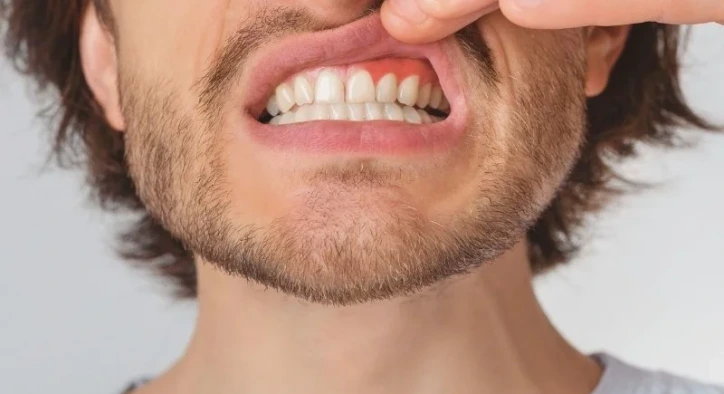
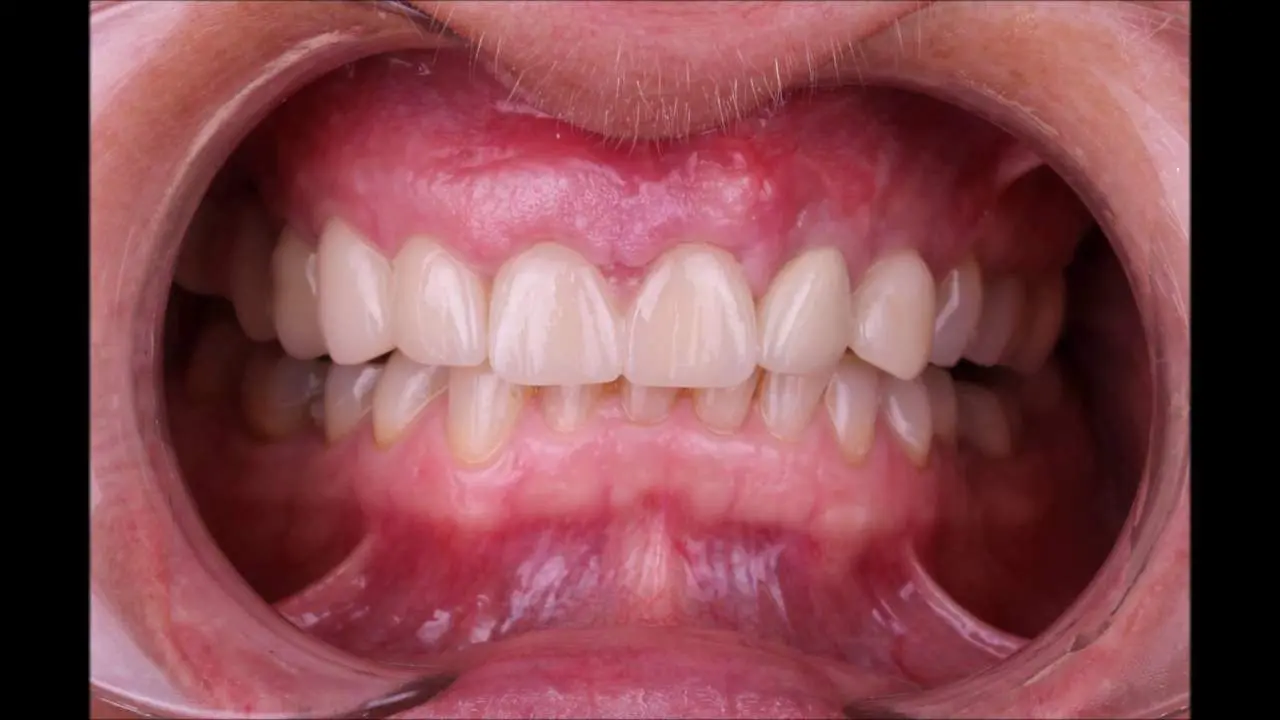
WhatsAppIn modern smile design, the visual harmony of a radiant smile depends on the balance between dental geometry and surrounding gingival tissues. Healthy attached gingiva should exhibit a uniform, stippled coral-pink appearance. However, in many individuals, genetic predisposition, heightened melanocyte activity, or chronic tobacco usage produces irregular purple, dark brown, or black discolorations across the anterior gingiva. Known clinically as gingival hyperpigmentation or melanocytic pigmentation, this condition is non-pathological but can cause cosmetic concern, especially in patients with a high smile line (gummy smile).
Historically, eradicating hyperpigmented tissues required invasive scalpel excision or mechanical abrasion. In contemporary aesthetic periodontology, the gold standard is gum peeling via dental lasers. Laser energy selectively vaporizes excessive melanin deposits without scalpels, bleeding, or sutures.
Table of Content
- What Is Gum Peeling?
- What Causes Dark and Black Spots on Gums?
- How Gum Peeling Is Done: Clinical Modalities
- The Laser Gum Peeling Protocol: Clinical Steps
- Post-Operative Care Guidelines
- Factors Determining Gum Peeling Costs
- Comparative Matrix: Laser Gum Peeling vs. Scalpel Surgery
- Frequently Asked Questions
What Is Gum Peeling?
In aesthetic periodontology, the clinical definition of gum peeling, formally referred to as gingival depigmentation, is: The selective elimination of excessive melanin pigment accumulations and basal melanocytes from the gingival epithelium using micro-surgical, chemical, or laser modalities to restore physiological coral-pink tissue tones.
Hyperpigmentation of the oral mucosa does not represent a diseased or premalignant state; it is benign tissue coloration. However, because dark gums can make a smile appear neglected or aged, gum color lightening and cosmetic gum bleaching have become integral components of smile makeovers.
What Causes Dark and Black Spots on Gums?
Primary etiological drivers requiring dark gum treatment include:
- Genetic and Ethnic Pigmentation (Physiological Melanin): Individuals of African, Mediterranean, Middle Eastern, or Asian heritage naturally produce higher quantities of melanin in basal epithelial layers, resulting in widespread brown or black bands.
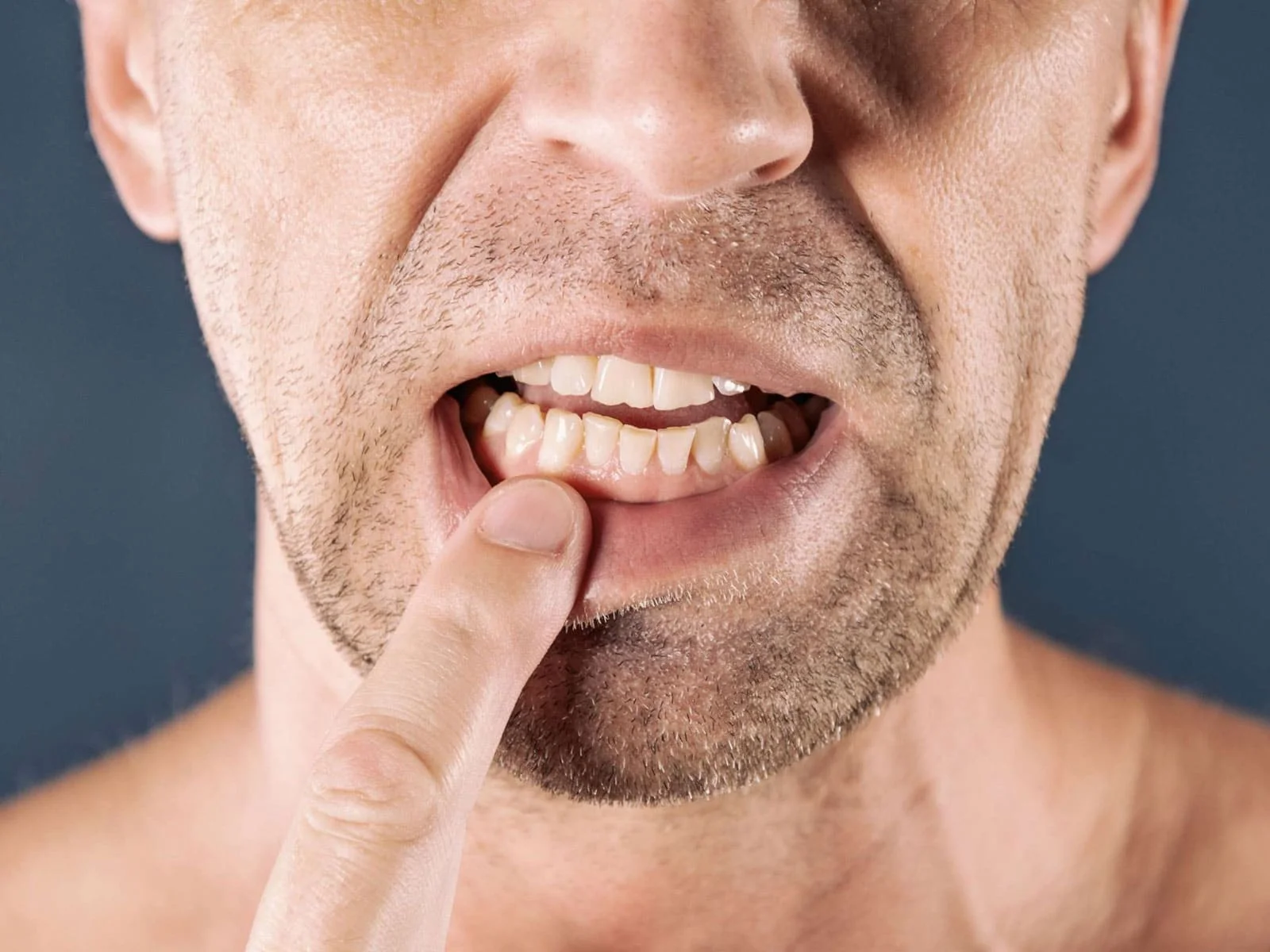
- Smoker's Melanosis: Chronic exposure to inhaled tobacco smoke stimulates defensive melanogenesis; nicotine binds to melanin granules, creating heavy dark pigmentation predominantly across anterior labial surfaces.
- Amalgam Tattooing: Accidental deposition of silver-tin particles into soft tissues during placement or removal of dental amalgam restorations, producing focal gray-black spots.
- Drug-Induced Discoloration: Long-term administration of systemic pharmacotherapies such as chloroquine, minocycline, or oral contraceptives can stimulate mucosal pigmentation.
- Endocrine Disorders (Addison Disease): Adrenocortical insufficiency causes elevated pituitary ACTH secretion, triggering diffuse oral and dermal bronze hyperpigmentation.
How Gum Peeling Is Done: Clinical Modalities
Addressing how gum peeling is done involves three primary methodologies:
1. Laser Gingival Depigmentation (Laser Gum Peeling)
Globally recognized as the modern gold standard, laser gum peeling utilizes advanced diode, Nd:YAG, or Er:YAG lasers:
- Mechanism: Laser wavelengths are selectively absorbed by melanin chromophores and hemoglobin. The laser ablates the thin pigmented epithelial layer without traumatizing the underlying connective tissue or periosteum.
- Advantages: Bloodless, requires no sutures or surgical packs, causes minimal discomfort, and provides localized sterilization.
2. Scalpel Surgical De-Epithelialization
Traditional excision involves slicing away the pigmented gingival epithelium with a surgical blade under local anesthesia. It presents higher post-operative discomfort, bleeding, and prolonged healing compared to lasers.
3. Rotary Diamond Bur Abrasion
High-speed fine-grit diamond burs mechanically strip superficial pigmented epithelial layers. While effective, precise depth control remains challenging compared to targeted laser light.
The Laser Gum Peeling Protocol: Clinical Steps
Executing an in-office laser gum peeling session follows five structured clinical phases:
- Pre-Operative Examination: The periodontist cleans calculus, evaluates gingival biotype, and confirms that pigmentation is physiological.
- Topical Anesthesia: Strong topical anesthetic gel or mild local infiltration eliminates needle discomfort.
- Laser De-Epithelialization: The optical fiber delivers targeted pulses over the dark bands in sweeping, circular motions. The appointment requires 15 to 30 minutes per arch.
- Debris Clearance: Denatured cellular remnants are rinsed away using sterile saline, revealing non-pigmented connective tissue.
- Epithelial Regeneration: A thin white fibrin slough covers the site for three to five days. As it exfoliates, newly regenerated coral-pink epithelium replaces it within one week.
Post-Operative Care Guidelines
To ensure smooth healing and long-term results:
- Dietary Adjustments: Consume soft, cool foods for 48 hours; avoid spicy, acidic, salty, and hot foods that irritate healing tissues.
- Smoking Cessation: Avoid smoking entirely during the two-week recovery phase. Continuing to smoke will stimulate melanocytes, increasing the risk of pigmentation recurrence.
- Gentle Oral Hygiene: Clean teeth gently with an ultra-soft brush, avoiding direct friction over treated gingival margins for the first few days. Supportive chlorhexidine rinses maintain site hygiene.
Factors Determining Gum Peeling Costs
Understanding gum peeling costs involves several clinical variables:
- Treated Arch Surface Area: Treating a localized anterior segment versus full-mouth maxillary and mandibular arches.
- Melanin Density & Tissue Biotype: Dense, deep-seated melanin deposits require greater laser application time.
- Technology Employed: Utilizing advanced Er:YAG or diode lasers influences equipment and clinic fees.
- Adjunctive Cosmetic Treatments: Combining depigmentation with crown lengthening (gingivectomy) or professional teeth whitening.
Comparative Matrix: Laser Gum Peeling vs. Scalpel Surgery
|
Clinical Parameters |
Laser Gingival Depigmentation |
Scalpel Surgical Excision |
|
Intraoperative Bleeding |
Zero Bleeding (Coagulates immediately) |
Moderate to heavy bleeding |
|
Sutures and Dressings |
No sutures or periodontal dressings needed |
Periodontal packs often required |
|
Healing Duration |
3 to 7 Days (Rapid re-epithelialization) |
10 to 14 Days |
|
Post-Operative Discomfort |
Minimal (Mild tingling sensation) |
Moderate pain and tissue tenderness |
|
Appointment Duration |
15 to 30 Minutes |
45 to 60 Minutes |
|
Recurrence Rate |
Minimal if smoking is avoided |
Comparable to laser |
Frequently Asked Questions
Does laser gum peeling hurt?
No. Modern laser depigmentation is virtually painless. Topical numbing gels or minimal local infiltration completely desensitize the area. Post-treatment sensations are mild and easily managed with standard pain relievers like ibuprofen for one day.
Can black gums return after peeling?
When pigmentation is genetic and the patient does not smoke, results remain stable for years, often permanently. However, regular smoking can re-stimulate melanocytes to produce melanin, which may cause partial discoloration to reappear over time.
Can laser gum peeling damage teeth or root surfaces?
No. Dental lasers calibrated for soft tissue interact with melanin and hemoglobin, passing over mineralized tooth enamel, cementum, and bone without damaging hard structures when operated by a trained specialist.
How many sessions does gingival depigmentation require?
In over ninety-five percent of cases, laser gum peeling achieves complete clearance in a single appointment. Only severe, deep pigmentations may occasionally require a brief touch-up visit four weeks later.
About the Author