


Does Tartar Removal Thin the Teeth? Is It Harmful or Painful?
Don't put off your smile. Message us now to discuss your treatment options with our expert dentists.
WhatsAppIn oral healthcare, the primary foundational preventive procedure is professional dental scaling, universally known as tartar removal. Following daily mastication, soft microbial plaque biofilm accumulates along cervical margins. When home brushing is suboptimal, this biofilm combines with calcium and phosphate salts present in saliva, mineralizing into calcified dental calculus within forty-eight hours. Once mineralized into calculus, this stone-like deposit cannot be eliminated by conventional toothbrushes or dental floss; it requires clinical instrumentation. However, persistent misconceptions continue to deter patients from seeking regular hygiene visits.
Many patients hesitate to schedule care out of fear that scaling leaves gaps between teeth, scratches enamel, or structurally thins tooth crowns.
Table of Content
- Does Tartar Removal Thin the Teeth?
- Does Dental Scaling Scratch Enamel? Modern Ultrasonic Technology
- Is Tartar Removal Harmful? Consequences of Neglecting Scaling
- Does Tartar Removal Hurt?
- Does Tartar Removal Whiten Teeth? Clarifying Aesthetic Expectations
- Gaps Between Teeth After Cleaning and Fears of Loose Teeth
- How Often Should Tartar Be Removed?
- Comparative Matrix: Tartar Removal Myths vs. Periodontal Science
- Frequently Asked Questions
Does Tartar Removal Thin the Teeth?
Stated clearly according to clinical periodontal evidence: No, properly executed professional dental scaling does not thin the teeth.
Why do patients perceive that their teeth have become thinner?
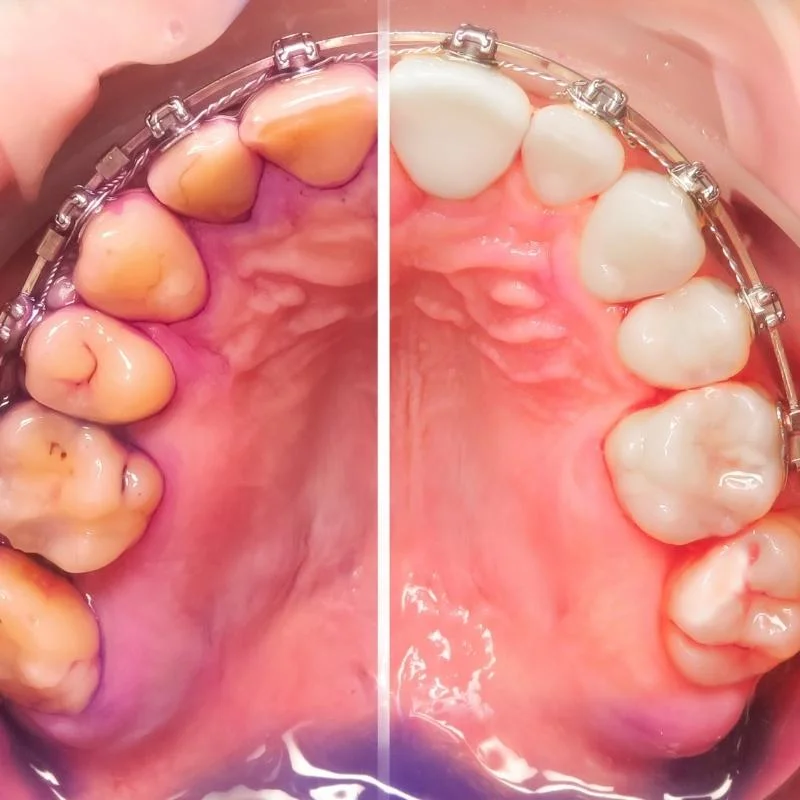
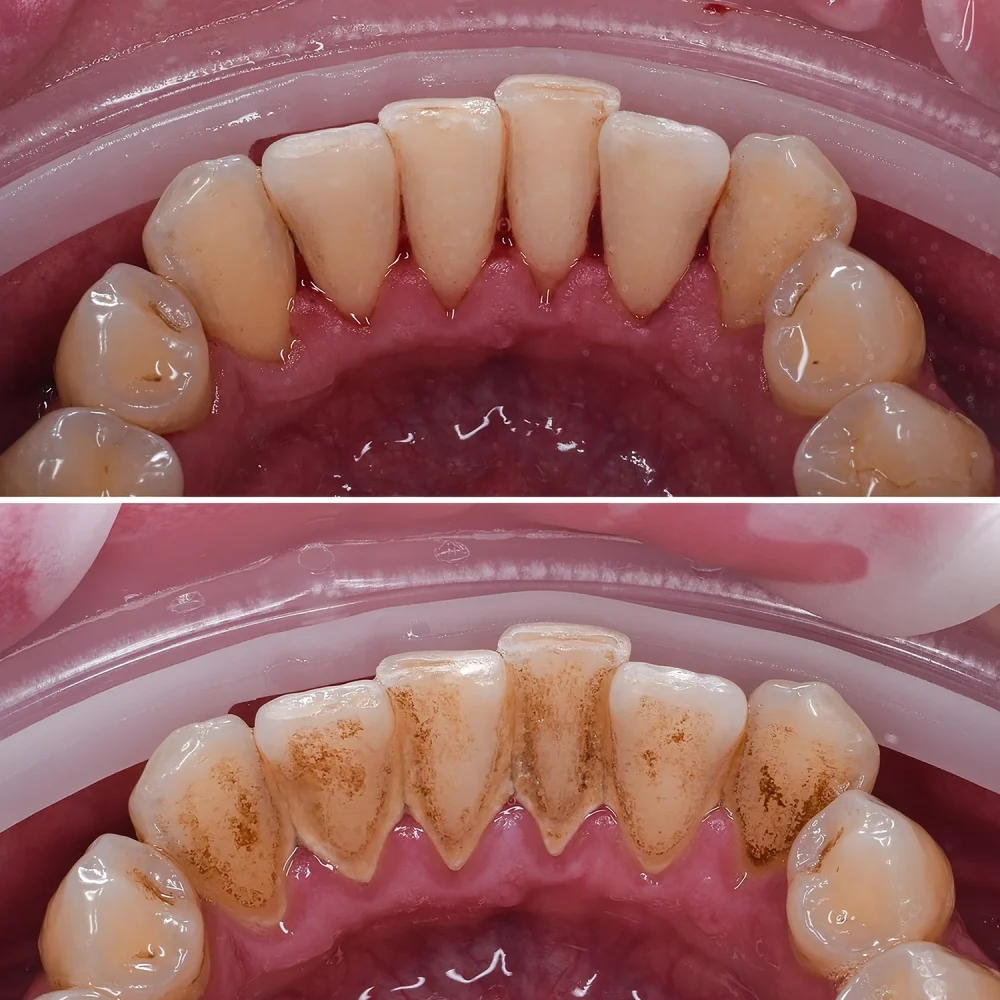
- Elimination of a Foreign Mass: In neglected dentitions, calcified calculus forms dense, bridge-like collars across lingual surfaces of lower anterior incisors. Over months or years, the patient's tongue adapts to this artificial volume.
- Unveiling Natural Anatomy: When the clinician fractures and evacuates this calcified mass using ultrasonic instrumentation, the tongue suddenly contacts the original, natural contours of the teeth. This sudden sensory transition creates a subjective impression that tooth structure has been drilled away. The removed material consists entirely of infected calcified debris rather than healthy dental tissue.
Does Dental Scaling Scratch Enamel? Modern Ultrasonic Technology
A common misconception is asking: does dental scaling scratch enamel?
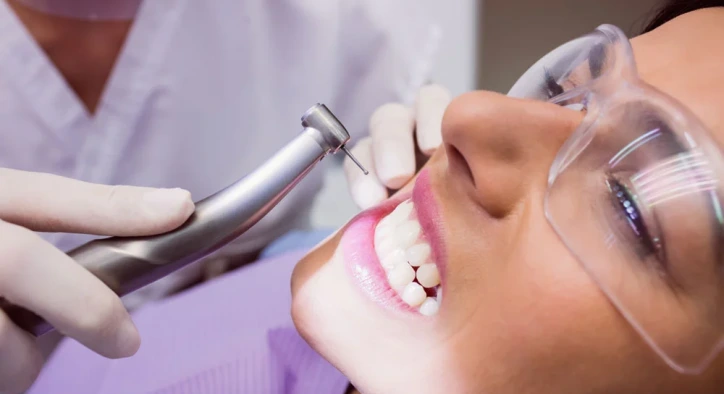
- Hand Curettes vs. Ultrasonic Scalers: Historically, improper aggressive scaling using dull hand instruments could occasionally produce micro-scratches on root cementum. In modern dental clinics, primary debridement is conducted using ultrasonic scalers that lack cutting edges or burs.
- Microscopic Vibration and Cavitation: Modern scaler inserts oscillate at frequencies between twenty-five thousand and forty thousand cycles per second. Irrigating water cools the insert while generating acoustic cavitation bubbles that shatter the adhesive bond between calculus and enamel.
- Enamel Hardness: Tooth enamel is the hardest biological substance in the human body, mineralized to over ninety-five percent hydroxyapatite. When an ultrasonic tip is held parallel to tooth surfaces with gentle strokes, these micro-vibrations cannot abrade or cut sound enamel matrices.
Is Tartar Removal Harmful? Consequences of Neglecting Scaling
The urban myth asserting that "scaling once ruins teeth and makes tartar return faster" is medically baseless. Evaluating is tartar removal harmful reveals that harm arises not from cleaning, but from allowing calculus to remain undisturbed.
Leaving dental calculus in place leads to progressive pathology:
- Alveolar Bone Destruction (Periodontitis): The porous surface of calculus shelters virulent anaerobic bacteria. Bacterial lipopolysaccharides trigger host osteoclastic activity, breaking down the alveolar bone socket.
- Gingival Recession: Expanding calculus exerts apical pressure on soft tissues, unseating the junctional epithelium and exposing root cementum to cervical decay.
- Chronic Halitosis: Anaerobic bacteria residing within subgingival calculus emit volatile sulfur compounds that cause persistent bad breath.
- Tooth Loss: As periodontal attachment is lost, healthy, non-carious teeth develop mobility and may exfoliate spontaneously.
Does Tartar Removal Hurt?
Prospective patients frequently ask: does tartar removal hurt?
- Mild-to-Moderate Calculus with Intact Gums: For individuals with healthy periodontiums or mild gingivitis, scaling is completely painless. Patients feel only cool water spray and mild vibrations against tooth surfaces. Anesthesia is unnecessary.
- Active Inflammation and Exposed Root Surfaces: When severe gingival recession has exposed sensitive root dentin or deep periodontal pockets exist, water temperature and vibration can cause transient cold sensitivity. In these cases, clinicians apply topical anesthetic gels or deliver localized infiltration, making the appointment comfortable.
Does Tartar Removal Whiten Teeth? Clarifying Aesthetic Expectations
Patients frequently ask: does tartar removal whiten teeth?
- Restoring Natural Baseline Shade: Dental scaling paired with prophylaxis polishing or air-polishing removes external stains caused by tea, coffee, red wine, and smoking. Clearing these deposits makes teeth appear brighter, cleaner, and refreshed.
- Distinction from Chemical Bleaching: Scaling does not chemically alter the genetic baseline shade of dentin. For patients seeking a brighter overall shade, in-office or take-home hydrogen peroxide bleaching must follow scaling once tissues are healthy. Professional cleaning represents the preparatory step for whitening.
Gaps Between Teeth After Cleaning and Fears of Loose Teeth
Two frequent post-operative patient observations:
1. Gaps Between Teeth After Cleaning
Following scaling, patients sometimes report: "My dentist created dark spaces and gaps between my teeth."
- Professional scaling does not generate gaps. Pre-existing alveolar bone loss and gingival recession had already created these spaces, but they were concealed beneath calcified calculus.
- Removing this inflammatory debris unmasks the pre-existing space. Leaving calculus in place would have allowed bone loss to advance further.
2. Does Dental Scaling Make Teeth Loose?
In advanced periodontitis, interlocking bands of calculus bind adjacent mobile teeth together like cement. When this diseased calculus is cleared, the true underlying lack of periodontal bone support is unmasked, making mobility noticeable. Scaling does not loosen teeth; it halts the active infection causing the bone loss.
How Often Should Tartar Be Removed?
Answering how often should tartar be removed depends on clinical risk assessment:
- Standard Periodontal Patients: American Dental Association (ADA) guidelines recommend professional examinations and prophylaxis every 6 months.
- High-Risk Periodontal Patients: Individuals with rapid mineral deposition, chronic smoking habits, low salivary clearance, or orthodontic appliances benefit from professional scaling every 3 to 4 months to maintain tissue stability.
Comparative Matrix: Tartar Removal Myths vs. Periodontal Science
|
Common Patient Myth |
Biological & Scientific Fact |
Clinical Reality |
|
"Scaling thins and files down enamel" |
Ultrasonic vibrations selectively fracture calculus only |
Enamel remains one hundred percent intact |
|
"Scaling leaves permanent holes between teeth" |
Removing diseased calculus exposes spaces caused by past recession |
Gingival tissue firms up and heals |
|
"Cleaning teeth makes calculus form faster" |
Calculus accumulation rate depends entirely on daily home flossing |
Plaque control stops calculus formation |
|
"Dental cleaning makes teeth loose" |
Removing calculus reveals pre-existing periodontal bone destruction |
Halts ongoing bone loss around roots |
|
"The procedure causes unbearable pain" |
Gentle ultrasonic tips require only topical numbing if sensitive |
A comfortable, minimally invasive visit |
Frequently Asked Questions
Is it normal to experience cold sensitivity after tartar removal?
Yes. Experiencing mild thermal sensitivity to cold air and liquids for three to five days is normal. For months, root surfaces were insulated by calcified calculus. Once removed, exposed root tubules react temporarily to temperature changes. Sensitivity resolves as tissues tighten and can be managed with fluoride desensitizing varnishes.
How can I stop dental tartar from returning after a cleaning?
Brush teeth twice daily using the Modified Bass technique, and floss or use interdental brushes daily. Plaque takes forty-eight hours to mineralize; removing it daily denies calcium salts an organic scaffold, preventing calculus formation.
Can I remove dental tartar at home using baking soda or scrapers?
No. Calcified calculus possesses bone-like density and cannot be dissolved by chemical home remedies like baking soda, lemon juice, or vinegar. Using metal scrapers at home causes severe soft tissue lacerations and scratches tooth enamel. Scaling must be performed by a licensed dental professional.
Can I smoke or drink coffee immediately after teeth cleaning?
Avoid consuming staining substances for the first twenty-four to forty-eight hours. Prophylaxis pastes temporarily remove the protective salivary pellicle, leaving microscopic enamel prisms receptive to dietary pigments. Avoid tea, dark coffee, red wine, and smoking to prevent immediate restaining.
About the Author