



When Does the Numbness in the Tooth Wear Off?
Don't put off your smile. Message us now to discuss your treatment options with our expert dentists.
WhatsAppTo perform dental restorative fillings, endodontic therapy, crown preparation, dental implant osteotomies, and surgical extractions comfortably, local anesthesia remains an indispensable clinical tool. Local anesthetic solutions block voltage-gated sodium channels along peripheral sensory nerve membranes, preventing pain depolarization waves from reaching the central nervous system. While this sensory block ensures pain-free treatment, the lingering loss of sensation post-treatment can feel disorienting. Experiencing swollen lips, an unresponsive tongue, heavy cheeks, and slurred speech prompts patients to wonder how soon normal sensation will return.
Table of Content
- How Long Does Dental Numbness Last?
- When Does Pulled Tooth Numbness Wear Off? Maxillary vs. Mandibular Dynamics
- When Does Numbness from Wisdom Tooth Wear Off? Surgical Extractions
- Why Does Dental Numbness Last Longer in Some Patients?
- How to Make Dental Numbness Wear Off Faster: Safe Methods
- Critical Safety Precautions While Numb
- Persistent Lip Numbness After Tooth Extraction: Understanding Paresthesia
- Comparative Matrix: Local Anesthetic Infiltration Types & Durations
- Frequently Asked Questions
How Long Does Dental Numbness Last?
According to clinical dental pharmacology, the timeline for how long does dental numbness last and when does the numbness in the tooth wear off is:
- Soft Tissues (Lips, Tongue, Cheeks): Typically persists for 2 to 4 hours.
- Hard Tissues (Pulpal Tooth Sensation): Typically resolves within 1 to 2 hours, though surrounding lips and facial tissues remain desensitized longer.
These timeframes apply to standard amide anesthetics, such as articaine, lidocaine, or mepivacaine formulated with vasoconstrictors (epinephrine). Vasoconstrictors constrict localized capillaries, keeping the anesthetic agent localized to ensure deep surgical anesthesia. As capillary blood gradually clears the compound, it enters the systemic circulation and is metabolized in the liver, gradually restoring nerve sensation.
When Does Pulled Tooth Numbness Wear Off? Maxillary vs. Mandibular Dynamics

Investigating when does pulled tooth numbness wear off depends heavily on jawbone anatomy and the injection method utilized:
1. Maxillary (Upper Jaw) Extractions (Infiltration Anesthesia)
The maxillary bone is cancellous and porous. Anesthetics deposited supraperiosteally diffuse rapidly through thin cortical plates to desensitize the target tooth.
- Upper jaw numbness generally wears off completely within two to three hours.
- The block remains strictly localized, desensitizing only the immediate socket and adjacent marginal tissue.
2. Mandibular (Lower Jaw) Extractions (Inferior Alveolar Nerve Block)
The lower jaw consists of dense, thick cortical bone that blocks simple diffusion. The clinician must deliver a nerve block near the mandibular foramen, targeting the main inferior alveolar nerve trunk.
- Lower jaw block anesthesia typically lasts three to five hours, occasionally persisting up to six hours.
- It desensitizes the entire ipsilateral half of the lower lip, chin point, mandibular teeth, and anterior two-thirds of the tongue.
When Does Numbness from Wisdom Tooth Wear Off? Surgical Extractions
Evaluating when does numbness from wisdom tooth wear off depends on operative complexity:
- Erupted, Non-Surgical Extractions: When third molars are fully erupted and removed without ostectomy, sensation returns within the expected 3 to 4 hours.
- Impacted Wisdom Tooth Surgery: When deep horizontal or vertical impactions require mucoperiosteal flaps and bone removal, oral surgeons often administer longer-acting agents (such as bupivacaine) to manage immediate post-operative pain. Numbness may persist for 6 to 8 hours.
- Secondary surgical edema and localized hematoma can also compress the epineurium, slightly delaying full sensory clearance.
Why Does Dental Numbness Last Longer in Some Patients?
Variables affecting individual clearance rates include:
- Total Anesthetic Volume Administered: Extra cartridges delivered to maintain intraoperative comfort increase the localized depot of anesthetic that requires systemic clearance.
- Systemic Metabolic Rate: Physically active patients with higher resting cardiac output and metabolic clearance process local anesthetics faster.
- Hepatic and Renal Clearance: Amide anesthetics rely on hepatic microsomal enzymes for breakdown; compromised metabolic clearance extends soft tissue numbness.
- Proximity to the Epineurium: Depositing anesthetic directly adjacent to the nerve sheath produces a denser, longer-lasting block than a peripheral depot.
- Tissue Acidosis and Infection: Severe abscesses create an acidic tissue pH, impairing base-form molecular absorption; clinicians often administer higher volumes to compensate.
How to Make Dental Numbness Wear Off Faster: Safe Methods
Patients searching for how to make dental numbness wear off faster can consider these supportive measures:
- Light Aerobic Activity (Brisk Walking): For non-surgical dental visits (such as routine fillings), light walking elevates heart rate and enhances peripheral vascular circulation, accelerating clearance of the depot into venous return. (Avoid intense workouts after surgical extractions to prevent bleeding).
- Warm Compresses: For restorative, non-extraction appointments, holding a warm compress against the cheek dilates local microvasculature, speeding clearance. (Contraindicated following surgical extractions within the first forty-eight hours, as heat exacerbates bleeding and edema).
- Systemic Hydration: Drinking water promotes physiological systemic dilution and renal clearance.
- Pharmacological Reversal Agents (Phentolamine Mesylate): Advanced dental clinics can administer phentolamine mesylate. Injected directly into the target site post-treatment, this alpha-adrenergic antagonist reverses localized vasoconstriction, clearing numbness in thirty to forty-five minutes.
Critical Safety Precautions While Numb
To avoid accidental self-inflicted injury while desensitized:
- Avoid Solid Foods: Do not chew solid foods until sensation returns. Chewing without proprioceptive feedback often results in severe, unintentional lacerations to the inner cheek, tongue, or lip. Consume smooth, room-temperature liquids if nutrition is necessary.
- Avoid Hot Liquids: Coffee, tea, and hot soups can cause second-degree mucosal thermal burns without the patient perceiving the temperature.
- Refrain from Pinching or Biting Lips: Patients often chew or pinch their desensitized lip to test for sensation. This creates deep mechanical abrasions and severe post-anesthetic swelling.
Persistent Lip Numbness After Tooth Extraction: Understanding Paresthesia
If numbness, pins-and-needles tingling, or altered dysesthesia continues past twenty-four hours, the presentation is classified as paresthesia (transient neurosensory deficit) rather than persistent anesthesia.
Why does it occur?
- Lower third molar roots frequently lie in close anatomical contact with the inferior alveolar nerve canal.
- Surgical elevation can stretch or compress the nerve trunk, causing neuropraxia.
- Rarely, an injection needle tip can cause a micro-hematoma within the epineural sheath.
Prognosis and recovery:
- Over ninety-five percent of paresthesias involve blunt compression (neuropraxia) rather than structural nerve transection.
- Peripheral nerves regenerate at an average rate of approximately one millimeter per day.
- Sensation typically resolves within 2 weeks to 6 months. Prescriptions of neurotropic B-complex vitamins (B1, B6, B12) support axonal recovery.
Comparative Matrix: Local Anesthetic Infiltration Types & Durations

|
Anesthetic Technique |
Anatomical Injection Site |
Target Tissues Desensitized |
Average Soft Tissue Duration |
|
Local Infiltration |
Maxillary buccal sulcus |
Single tooth, localized attached gum |
1.5 to 2.5 Hours |
|
Inferior Alveolar Block |
Mandibular pterygomandibular space |
Half of lower jaw, lower lip, chin |
3 to 5 Hours |
|
Lingual Nerve Block |
Lingual aspect of ramus |
Anterior two-thirds of the tongue |
3 to 4 Hours |
|
Intraligamentary Injection |
Periodontal ligament space |
Isolated single tooth, zero lip numbness |
45 to 60 Minutes |
|
Long-Acting Surgical Block |
Deep maxillofacial surgical fields |
Wide surgical quadrant |
6 to 8 Hours |
Frequently Asked Questions
My dental numbness has lasted five hours; is this normal?
Yes. Following an inferior alveolar block or procedures where multiple cartridges were required, soft tissue numbness lasting four to six hours is a recognized clinical variation. Metabolism rates vary, and lingering numbness will typically resolve gradually without intervention.
I accidentally bit my numb lip and now it is severely swollen; what should I do?
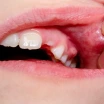
This is a frequent post-anesthetic complication, especially in younger patients. The damaged mucosa develops a grayish-white traumatic ulcer with marked edema. Keep the site clean, avoid acidic foods, apply soothing mucosal gels, and avoid further trauma; the tissue will regenerate within seven to ten days.
If numbness persists on the tongue, will taste perception be permanently lost?
The lingual nerve carries both general somatic sensation and taste fibers via the chorda tympani. Temporary lingual paresthesia can dull taste perception on that side. As the nerve sheath recovers, both tactile sensation and taste return completely.
Does drinking hot coffee help clear dental anesthesia faster?
No. Ingesting hot liquids is contraindicated because desensitized tissues cannot perceive thermal extremes, risking severe scalding burns. Any fluids consumed while numb must be lukewarm or cool.
About the Author