


What is Good for Toothache Caused by Cavities? Temporary Home Remedies and Final Treatments
Don't put off your smile. Message us now to discuss your treatment options with our expert dentists.
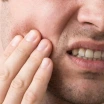
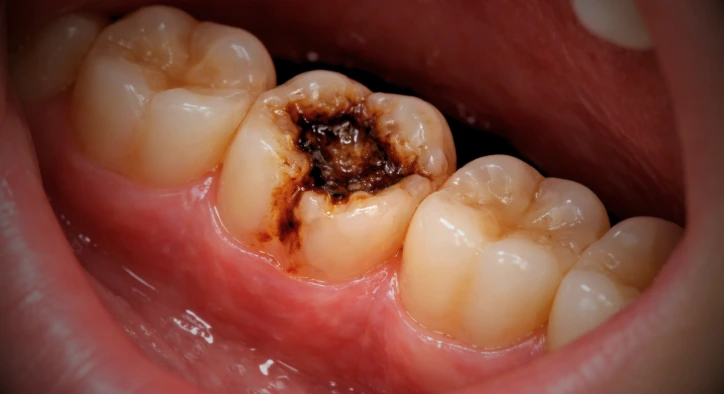
WhatsAppWaking up in the middle of the night with a throbbing, intense toothache that radiates all the way to your temples is one of the most challenging conditions anyone can experience. When cavities, caused by acid erosion of the hard tooth structure, progress deep enough to reach the dental pulp (nerve chamber), they trigger severe pain signals. This guide details effective temporary methods to manage your pain until you reach our clinic, adjusted for different types of decay.
Table of Content
What is Good for Toothache Caused by Cavities at Home?
If you cannot access a dentist immediately, certain practical and scientifically backed home care adjustments can help lower your discomfort threshold. However, please remember that these solutions do not cure the cavity; they merely provide temporary relief to irritated nerves.
1. Warm Salt and Vinegar Water Rinse
Mix one teaspoon of salt and a few drops of vinegar into a glass of warm water, and rinse your mouth thoroughly. Saltwater acts as a natural disinfectant. It helps flush out trapped debris from the cavity and draws out excess fluid from swollen tissues, easing the internal pressure.
2. Clove Oil Application
Cloves contain eugenol, a natural chemical compound known for its therapeutic anesthetic and antiseptic properties. Dab a small amount of clove oil onto a sterile cotton ball and place it carefully over the aching tooth for 10–15 minutes. Avoid letting the oil touch surrounding gums excessively to prevent localized tissue irritation.
3. Cold Compress (Ice Pack)

If your toothache is accompanied by facial swelling or heavy, rhythmic throbbing, place a cold pack or an ice bag wrapped in a thin towel against the outside of your cheek. The cold temperature constricts local blood vessels, slowing down inflammation and dulling the sharp nerve pain.
4. Elevate Your Head
Toothaches typically worsen at night because lying flat increases blood pressure to the head area. This extra blood flow puts pressure on the inflamed nerve chamber inside the tooth. Using extra pillows to sleep with your head elevated above your body can noticeably reduce this pressure.
How to Manage Tooth Pain Based on Different Types of Decay?
Not all toothaches stem from the same structural issue. Analyzing the exact physical state of the troubled tooth will guide you toward the right immediate step.
What is Good for Infected Cavity Pain?
If your cavity pain is paired with constant throbbing, visible gum swelling, an abscess, or a foul taste, the tooth nerve is infected. You must completely avoid hot compresses or warm packs for an infected tooth because heat expands gases inside the abscess, making the pain far worse.
Stick to external cold compresses and never take antibiotics without a dentist's prescription; antibiotics do not clear out the core bacterial center inside a dead tooth.
What is Good for Broken Cavity Pain?
Teeth structurally weakened by deep decay can break easily during chewing, exposing the living inner pulp directly to the oral environment. Exposure to air, hot liquids, or cold drinks triggers an immediate, sharp reaction.
Clean the area gently using a soft brush and warm water to prevent food from getting stuck, and see an endodontist immediately for a restorative filling or a root canal.
What is Good for Deep Hole (Open Cavity) Pain?
When decay creates a visible hole or a deep pit in a tooth, food debris easily wedges inside, ferments, and produces localized acid that irritates the nerves. The first step for an open cavity is to clean out the hole completely using dental floss and warm water.
Once clean, a cotton ball with clove oil can be applied inside. Never place chemicals like alcohol, cologne, aspirin, or tobacco into the hole, as they cause severe chemical burns on soft tissues.
What is Good for Wisdom Tooth Cavity Pain?

Because wisdom teeth sit at the very back of the mouth, keeping them clean is difficult, making them prone to rapid decay. Their pain often coexists with jaw stiffness, painful swallowing, and earaches. Keep the back of the mouth clean with antiseptic rinses and apply cold packs externally.
Since wisdom teeth are hard to maintain, decayed wisdom teeth are usually extracted surgically rather than restored.
What is Good for Severe Cavity Pain?
Excruciating, unrelenting pain that prevents sleep or basic daily tasks indicates that the tooth has reached acute irreversible pulpitis (irreversible nerve inflammation). At this stage, simple rinses will not suffice.
Over-the-counter anti-inflammatory pain relievers recommended previously by your doctor can provide temporary breathing room. However, the only final solution is an urgent root canal treatment to physically remove the dead nerve tissue.
What is Good for Cavity Pain During Pregnancy?
Hormonal shifts and morning sickness during pregnancy can speed up enamel erosion and cavity development. Because medication options are restricted for expectant mothers, managing tooth pain requires extra care.
- Safe Options: Rinsing with warm saltwater is completely safe throughout pregnancy, helping to soothe both cavity irritation and sensitive gums.
- Medication Safety: Only medications approved explicitly by your obstetrician and dentist (typically paracetamol-based options) should be taken under strict dosage controls.
- Clinical Care Window: The second trimester (months 4 to 6) is the safest time for essential dental procedures like fillings or root canals. Postponing treatment for an active infection can cause systemic stress, which harms the baby more than a localized dental procedure.
Frequently Asked Questions
Can cavity pain go away on its own?
No, pain caused by an advanced cavity does not simply disappear. If a severe toothache stops suddenly without treatment, it usually means the nerve inside the tooth has died completely from infection. This relief is temporary; the bacteria will continue to travel down the root, eventually leading to a painful bone abscess.
Is it safe to place an aspirin directly on an aching tooth?
Absolutely not. Placing an aspirin tablet, rubbing alcohol, or cologne directly onto a painful tooth or the adjacent gum tissue causes a severe chemical reaction known as an "aspirin burn." This leaves painful sores on your oral mucosa without relieving the internal tooth pain.
Can a cavity toothache cause a headache?
Yes. The nerves supplying your teeth belong to the trigeminal nerve system, which manages sensations for the majority of your face and head. Consequently, a deep cavity infection in either jaw can refer severe pain to your temples, eye area, and ears, mimicking a severe migraine.
Why do my teeth ache when eating sweet foods?
Sudden, short sips of sensitivity or pain when eating sweets or highly processed carbohydrates are a classic early sign that your outer enamel has broken down, allowing sugars to stimulate the sensitive dentin layer beneath.
About the Author