


What is Endodontics? Everything You Need to Know About Root Canal Treatment
Don't put off your smile. Message us now to discuss your treatment options with our expert dentists.
WhatsAppWhen a toothache strikes, most of us assume the problem is just on the surface. However, deep inside the roots of your teeth lies a living tissue made of nerves and blood vessels that keeps the tooth alive. The specialized branch of dentistry that treats this deep, inner part of the tooth and saves it from extraction is called endodontics.
Table of Content
- What Does Endodontics Mean?
- What is Endodontic Treatment?
- What Does an Endodontist Do?
- Which Department Performs a Root Canal?
- Deep Fillings vs. Root Canals: Which Department to Choose?
- What Are the Steps of a Root Canal Treatment?
- How Can You Tell if a Root Canal Treatment Failed?
- Can You Have a Root Canal During Pregnancy?
- How Are Root Canal Prices Determined in Turkey?
- Frequently Asked Questions
- Are endodontics and root canal treatment the same thing?
- Will I feel pain during a root canal?
- Can I get a filling done during an endodontics appointment?
- How long does a root canal-treated tooth last?
- Is it normal to have pain after a root canal?
- Why do some teeth turn dark after a root canal?
- Can antibiotics cure a tooth infection completely?
What Does Endodontics Mean?
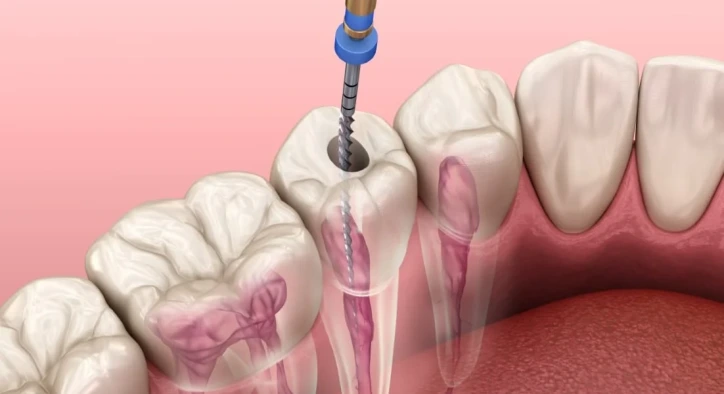
The term endodontics comes from the Greek words "endo" (inside) and "odont" (tooth). Literally translated, it means "inside the tooth." It is a recognized dental specialty that deals with the diseases, diagnosis, and treatment of the dental pulp the soft tissue container at the very core of your tooth.
What is Endodontic Treatment?
Endodontics is the dental science focused on studying, preventing, and treating injuries or infections within the dental pulp and the tissues surrounding the roots. While many people simply know it as root canal treatment, the discipline actually covers a wide range of procedures, from maintaining tooth vitality after an accident to micro-surgical root interventions.
What Does an Endodontist Do?
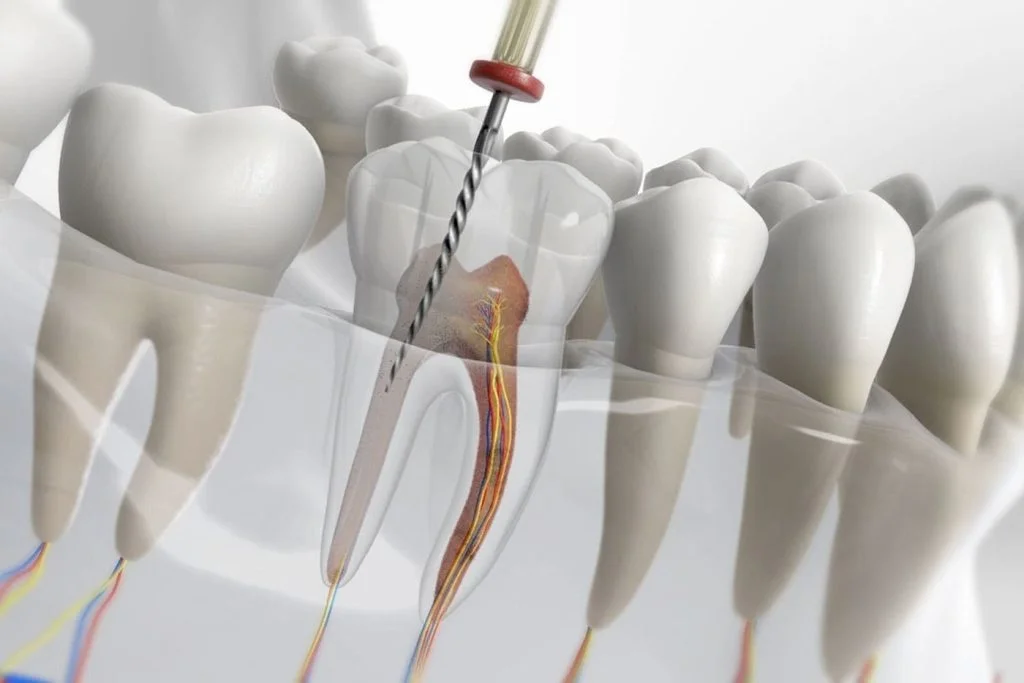
A common question international patients ask at our clinics in Istanbul is what exactly falls under this department's responsibility. An endodontist focuses on removing infected or dead nerve tissue from the root canals, cleaning the space, and sealing it to keep your natural tooth functioning in your mouth.
The primary treatments performed by an endodontics department include:
- Root Canal Treatment: Removing infected nerves caused by deep decay or trauma, then cleaning and sealing the canal.
- Root Canal Retreatment: Removing old, failing, or leaking canal fillings and performing the treatment again with advanced techniques.
- Dental Trauma Treatment: Saving teeth that have been broken, dislodged, or completely knocked out due to impacts or accidents.
- Apical Resection (Root-End Surgery): Surgically removing persistent cysts or infections at the root tip when standard root canal treatments are not enough.
- Internal Tooth Bleaching: Whitening teeth from the inside out that have turned gray or dark after a previous root canal.
Which Department Performs a Root Canal?
When booking an appointment at an international dental hospital, patients often get confused about which specialist they need.
Root canal treatments are performed by the endodontics department. Dental practitioners who complete an additional 4 to 5 years of specialized clinical training in this specific field after dental school are called endodontists. At our clinic, deep cavities, severe night pain, and complex root infections are handled directly by these specialists.
Deep Fillings vs. Root Canals: Which Department to Choose?
To clarify your treatment path, check the simple comparison table below based on the severity of the tooth damage:
|
Treatment Type |
Dental Department |
Primary Goal |
|
Surface Decay / Filling |
Restorative Dentistry (or General Dentist) |
To repair the outer structure of the tooth cosmetically and functionally. |
|
Deep Decay / Root Canal |
Endodontics |
To access the root canals, remove infected nerves, and eliminate deep infection. |
If the decay has not reached the nerve chamber, a restorative dentist can easily place a standard composite filling. However, if you experience spontaneous, throbbing pain that keeps you awake at night, you need to see an endodontist.
What Are the Steps of a Root Canal Treatment?
At Avrupa Sağlık Diş, we perform endodontic procedures using the latest dental technology and digital imaging systems, ensuring total patient comfort through the following steps:
1. Digital X-Ray and Examination
The root structure, canal anatomy, and the exact extent of the bone infection are analyzed via periapical or panoramic X-rays. In complex root structures, we also utilize 3D dental tomography.
2. Local Anesthesia (Pain Prevention)
To guarantee a completely pain-free experience, advanced local anesthesia is applied. This is usually the step patients worry about the most, but with modern techniques, you will feel absolutely no pain during the treatment.
3. Isolation of the Tooth (Rubber Dam)
The target tooth is isolated from the rest of the mouth using a special protective rubber sheet called a "rubber dam." This step is critical for our clinical safety standards because it prevents saliva and oral bacteria from entering the open root canals and ensures that irrigation solutions do not leak down your throat.
4. Cavity Cleaning and Opening the Access Point
All decay on the upper part of the tooth is thoroughly removed, and a precise access hole is created to reach the root canals. Once inside the pulp chamber, the damaged nerve tissue is carefully drawn out.
5. Shaping and Disinfecting the Root Canals
The exact length of each canal is measured with millimeter precision using electronic apex locators. Then, flexible nickel-titanium automated rotary instruments are used to widen and shape the canals all the way to the root tip. Throughout this process, the canals are constantly flushed with therapeutic antiseptic rinses to eliminate all remaining bacteria.
6. Filling the Root Canals
After the canals are dried completely, they are sealed tightly with a biocompatible material called gutta-percha and special root canal sealers. In cases with severe infections, the dentist may place a temporary medication inside the tooth and seal the permanent filling during a second visit.
How Can You Tell if a Root Canal Treatment Failed?
Like any medical procedure, endodontic treatments carry a minor risk of failure due to complex anatomy or resistant microorganisms. Symptoms of a failed root canal include:
- Spontaneous pain, especially at night, that persists months after the treatment.
- Severe tenderness or sharp pain when biting down or chewing.
- A pimple-like swelling (fistula) forming on the gums that releases pus.
- Sudden swelling in your face or along the jawline.
Why does it fail? Hidden or overlooked extra canals, complex root curvature, leaking top restorations, or instruments breaking near the root tip can cause failures. In these scenarios, the tooth is not extracted immediately; an endodontist can remove the old filling and perform a root canal yenilenmesi (Retreatment).
Can You Have a Root Canal During Pregnancy?
Expectant mothers often fear dental treatments during pregnancy. However, an acute dental infection poses a much greater risk to the baby's health than the treatment itself.
- The Safe Window: The second trimester (between months 4 and 6) is the safest period for most dental procedures, including root canals.
- Anesthesia Safety: Special local anesthetics that do not cross the placenta are safely used to keep the mother free from pain and stress.
- X-Ray Precautions: X-rays are avoided unless absolutely necessary. If required, lead aprons and thyroid collars are utilized to ensure the baby is entirely safe from radiation.
How Are Root Canal Prices Determined in Turkey?

Providing a single flat rate for endodontic treatments is medically inaccurate. Pricing varies based on the criteria outlined by the Turkish Dental Association guidelines:
- Number of Root Canals: Front teeth usually have a single canal and take less time. Molar teeth can have 3, 4, or even 5 canals. As the number of canals increases, the required materials and clinical time increase, altering the cost.
- Type of Procedure: A first-time root canal and a retreatment of an old, failed canal have different price tags. Retreatment procedures demand much higher expertise and specialized time.
- Use of Advanced Tech: Utilizing dental microscopes or advanced lasers for root tip disinfection also plays a role in final pricing.
Frequently Asked Questions
Are endodontics and root canal treatment the same thing?
Endodontics is the name of the official dental specialty branch. A root canal treatment is the specific procedure most commonly performed by this department.
Will I feel pain during a root canal?
No. Thanks to modern local anesthesia techniques, the tooth and surrounding area are completely numbed. You will not feel pain during the treatment. Some mild soreness after the anesthesia wears off is entirely normal.
Can I get a filling done during an endodontics appointment?
After the endodontist completes the root canal, they might place the final core filling. However, if the tooth has lost too much structure, they will refer you to a prosthodontist for a dental crown to protect the tooth from fracturing.
How long does a root canal-treated tooth last?
A root canal performed with proper isolation, precise disinfection, and a high-quality top restoration can last a lifetime, provided you maintain good oral hygiene.
Is it normal to have pain after a root canal?
It is completely normal to feel mild sensitivity or soreness when biting down for the first few days after treatment. This is just the tissues around the root tip healing. It can be easily managed with basic over-the-counter pain relievers recommended by your dentist.
Why do some teeth turn dark after a root canal?
When the living pulp tissue is removed, the tooth is no longer nourished. Over time, the tooth structure can take on a slight gray or dark tint. If this causes cosmetic concerns, an endodontist can apply internal bleaching (devital bleaching) to restore its natural color.
Can antibiotics cure a tooth infection completely?
No. Antibiotics travel through the bloodstream to reach the surrounding tissues, but since the nerves inside the tooth are already dead, the medicine cannot reach the core infection. Antibiotics only temporarily suppress swelling; the bacterial source inside the tooth can only be cleared out physically through a root canal.
About the Author