


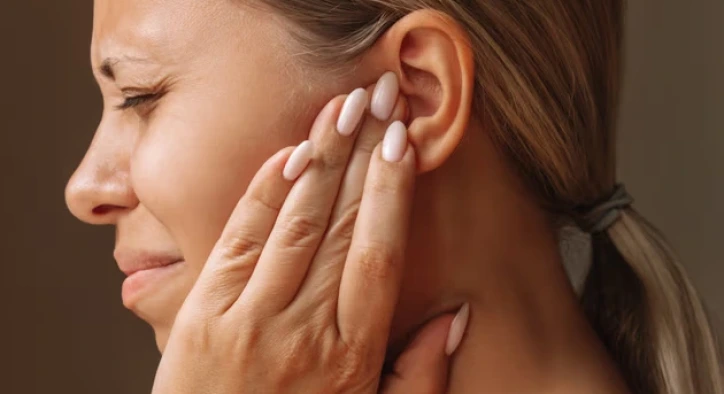
Does Toothache Radiate to the Ear? Causes, Symptoms, and Treatment
Don't put off your smile. Message us now to discuss your treatment options with our expert dentists.
WhatsAppThe anatomical architecture of the head and neck features an intricate convergence of sensory nerves, masticatory muscle fibers, and vascular networks. At the center of this network lies the fifth cranial nerve (the trigeminal nerve), which innervates the face, dental arches, temporomandibular joint, and external ear canal. Because branches of this nerve share common pathways, deep infections within a tooth or biomechanical strain in the jaw joint rarely remain confined to their origin. This clinical phenomenon is recognized as toothache ear referred pain.
Patients frequently visit otolaryngology clinics complaining of sharp, throbbing ear pain or a feeling of deep ear pressure, only to discover their ears are anatomically healthy and infection-free. The actual culprit is often an impacted wisdom tooth, an asymptomatic necrotic molar, or temporomandibular joint (TMJ) internal derangement.
Table of Content
- Can Toothache Cause Ear Pain?
- Does Toothache Radiate to Ear and Head?
- Does Toothache Radiate Behind Ear and Cause Swelling?
- Can Toothache Cause Ear Fullness and Tinnitus?
- Does Toothache Radiate to Ear and Throat?
- Does Wisdom Tooth Pain Cause Ear Pain? (Pericoronitis)
- Treatment Protocols for Dental-Related Ear Pain
- Frequently Asked Questions
Can Toothache Cause Ear Pain?
In maxillofacial and neurological science, the answer to can toothache cause ear pain is yes.
This referred otalgia is governed by the anatomy of the Trigeminal Nerve (CN V):
- The trigeminal nerve divides into three major sensory branches: ophthalmic (V1), maxillary (V2), and mandibular (V3).
- The mandibular nerve branch innervates the lower teeth while simultaneously giving off the auriculotemporal nerve, which supplies sensory fibers to the external auditory meatus, tympanic membrane, and temporal scalp.
- When acute pulpal inflammation or deep infection strikes posterior lower molars, pain signals converge at the spinal trigeminal nucleus. The central nervous system struggles to isolate the peripheral origin, projecting pain sensations across both the jaw and ear simultaneously.
Does Toothache Radiate to Ear and Head?

Patients frequently report that a does toothache radiate to ear and head pattern generates debilitating, migraine-like discomfort:
- Temporal Headache Radiation: Chronic pulpitis in maxillary or mandibular molars triggers sustained protective guarding in the temporalis muscle, producing unilateral temporal headaches radiating toward the ear.
- Occipital and Neck Pain: Constant masticatory clenching irritates the greater occipital nerve pathways, sending dull throbbing sensations from the base of the skull upward into the retroauricular and cranial regions.
Does Toothache Radiate Behind Ear and Cause Swelling?
Understanding whether does toothache radiate behind ear and causes toothache swelling behind ear involves two clinical realities:
- Retroauricular Lymphadenopathy: When periapical abscesses or advanced pericoronitis occur, the regional lymphatic system responds. The submandibular and retroauricular (mastoid) lymph nodes enlarge into tender, palpable nodules directly behind the earlobe.
- Sternocleidomastoid (SCM) Muscle Hypertonicity: Protective jaw splinting overactivates the deep cervical neck muscles that insert into the mastoid process behind the ear, causing a sharp pulling sensation.
Can Toothache Cause Ear Fullness and Tinnitus?
Many patients experience auditory symptoms prior to identifying an underlying dental problem:
- Can Toothache Cause Ear Fullness?: Yes. Temporomandibular joint disc displacement or pterygoid muscle spasms compress and dysregulate the tensor veli palatini muscle, which operates the Eustachian tube. Impaired Eustachian tube opening disrupts middle ear pressure equalization, producing a clogged, underwater feeling.
- Toothache Ear Ringing (Tinnitus): High muscle tension around the articular capsule and inflammatory mediators near cranial nerve anastomoses stimulate the tensor tympani muscle, causing subjective clicking, low-frequency buzzing, pulsing, or high-pitched ringing.
Does Toothache Radiate to Ear and Throat?
Experiencing discomfort that prompts does toothache radiate to ear and throat typically occurs during deglutition:
- Posterior molar root apices and pericoronal tissues lie millimeters from the palatopharyngeus muscles and tonsillar fossa.
- When submandibular fascial spaces become inflamed, swallowing triggers sharp pain that shoots directly into the pharynx, neck, and ipsilateral ear.
Does Wisdom Tooth Pain Cause Ear Pain? (Pericoronitis)
A frequent emergency scenario is whether does wisdom tooth pain cause ear pain:
- Lower third molars sit immediately adjacent to the ascending mandibular ramus and the auriculotemporal nerve trunk.
- When bacterial plaque infects the mucosal flap overlying an erupting wisdom tooth (pericoronitis), severe pain radiates along the nerve directly into the ear.
- This is frequently accompanied by trismus (limited jaw opening), cervical lymph node tenderness, and painful swallowing.
Treatment Protocols for Dental-Related Ear Pain
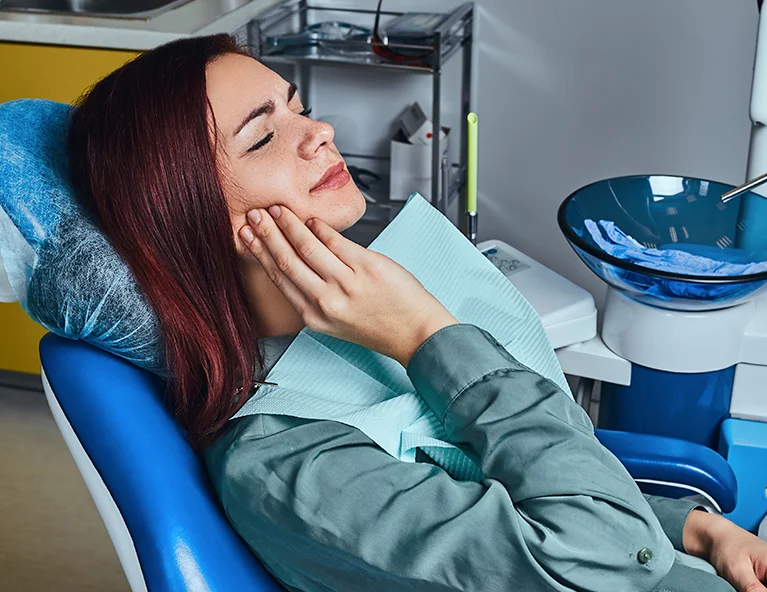
Definitive relief requires resolving the primary odontogenic source:
- Root Canal Therapy: For teeth with irreversible pulpitis or apical periodontitis radiating to the ear, pulpal extirpation and canal sealing immediately terminate pain pathways.
- Surgical Wisdom Tooth Extraction: Removing impacted, infected third molars relieves auriculotemporal nerve compression and cures pericoronitis.
- Abscess Debridement & Targeted Antibiotics: Suppurative infections causing swollen retroauricular lymph nodes require clinical drainage and prescription antibiotic therapy.
- Occlusal Splint Therapy (Bite Splints): For ear fullness, tinnitus, and temporal headaches driven by TMJ dysfunction, custom hard acrylic splints decompress the joint.
- Palliative Home Care: Until clinical intervention, over-the-counter analgesics (ibuprofen or acetaminophen) and warm saline rinses provide temporary symptom reduction.
Frequently Asked Questions
Why does my ear hurt if my ENT doctor found nothing wrong?
When an otoscopic exam reveals a healthy ear canal and tympanic membrane, the pain is almost certainly referred from the teeth or jaw joint. The auriculotemporal branch of the trigeminal nerve carries sensory signals from both lower molars and the ear, causing the brain to misinterpret dental pathology as an earache.
Will ear pain resolve after a wisdom tooth is extracted?
Yes. If the ear pain is caused by pericoronitis, impaction pressure, or inflammation from a lower third molar, surgical extraction and soft tissue healing will permanently eliminate the radiating ear, throat, and head pain.
Can a tooth abscess damage or rupture the eardrum?
A dental abscess cannot directly rupture the tympanic membrane. However, unmanaged dental infections can spread through deep facial fascial spaces or obstruct the Eustachian tube, creating middle ear pressure imbalances and severe pain.
Will swollen lymph nodes behind the ear shrink after dental treatment?
Yes. Reactive lymph nodes enlarge as an immune response to oral bacterial toxins. Once the dentist performs root canal therapy, drainage, or tooth extraction to eradicate the infection, enlarged retroauricular and submandibular nodes return to normal size within 1 to 2 weeks.
About the Author