


What Is Tooth Wear? Causes, Symptoms, and Treatment
Don't put off your smile. Message us now to discuss your treatment options with our expert dentists.
WhatsAppDental enamel is the hardest, most heavily mineralized biological tissue in the human body. Yet, despite its exceptional crystalline hardness, enamel remains vulnerable to chemical dissolution from organic acids, physical friction from improper hygiene tools, and mechanical overload from nocturnal bruxism. Unlike bacterial dental decay, the non-carious, progressive loss of dental hard tissues is clinically recognized as tooth wear.
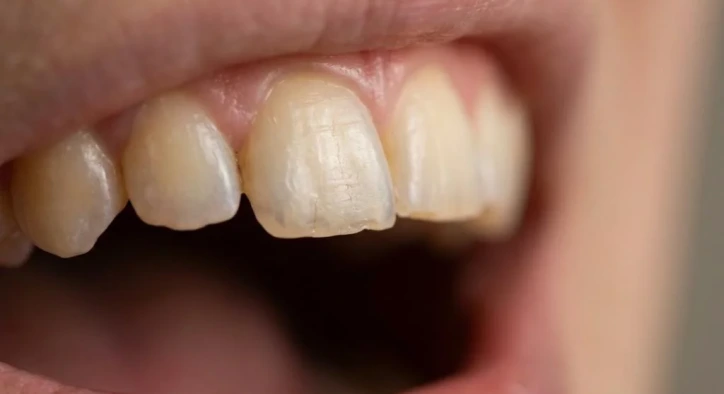
When localized as front tooth wear, enamel degradation shortens clinical crown height, compromises smile aesthetics, imparts an aged facial profile, and exposes sensitive underlying dentin.
Table of Content
- What Is Tooth Wear?
- What Causes Tooth Wear?
- Recognizing Tooth Wear Symptoms: Clinical Indicators
- Front Tooth Wear: Functional and Aesthetic Management
- How to Treat Tooth Wear: Restorative Dentistry Approaches
- Preventative Home Care Guidelines for Worn Teeth
- Comparative Matrix: Tooth Wear Classifications and Solutions
- Frequently Asked Questions
What Is Tooth Wear?
In restorative dental literature, the medical definition of what is tooth wear is: The cumulative, non-bacterial, irreversible loss of superficial enamel and deeper dentinal architectures induced by chemical dissolution, abrasive contact, or occlusal mechanical stress.
Clinical science divides non-carious wear into four distinct mechanisms:
- Dental Erosion (Chemical Dissolution): Non-bacterial chemical dissolution caused by extrinsic dietary acids (carbonated soft drinks, energy beverages, citrus fruits, wine) or intrinsic gastric acids (gastroesophageal reflux, frequent vomiting).
- Dental Attrition (Mechanical Tooth-to-Tooth Friction): Wear resulting from direct physical contact between opposing maxillary and mandibular arches, typically driven by nocturnal bruxism, heavy clenching, or coarse diets.
- Dental Abrasion (Mechanical Foreign Body Friction): Wear produced by aggressive horizontal toothbrushing using hard-bristled brushes, highly abrasive whitening pastes, fingernail biting, pipe smoking, or occupational habits.
- Dental Abfraction (Biomechanical Flexure): Wedge-shaped cervical notches at the cementoenamel junction (gumline) caused by heavy eccentric occlusal loads flexing the tooth along its long axis, popping off brittle enamel prisms.
What Causes Tooth Wear?
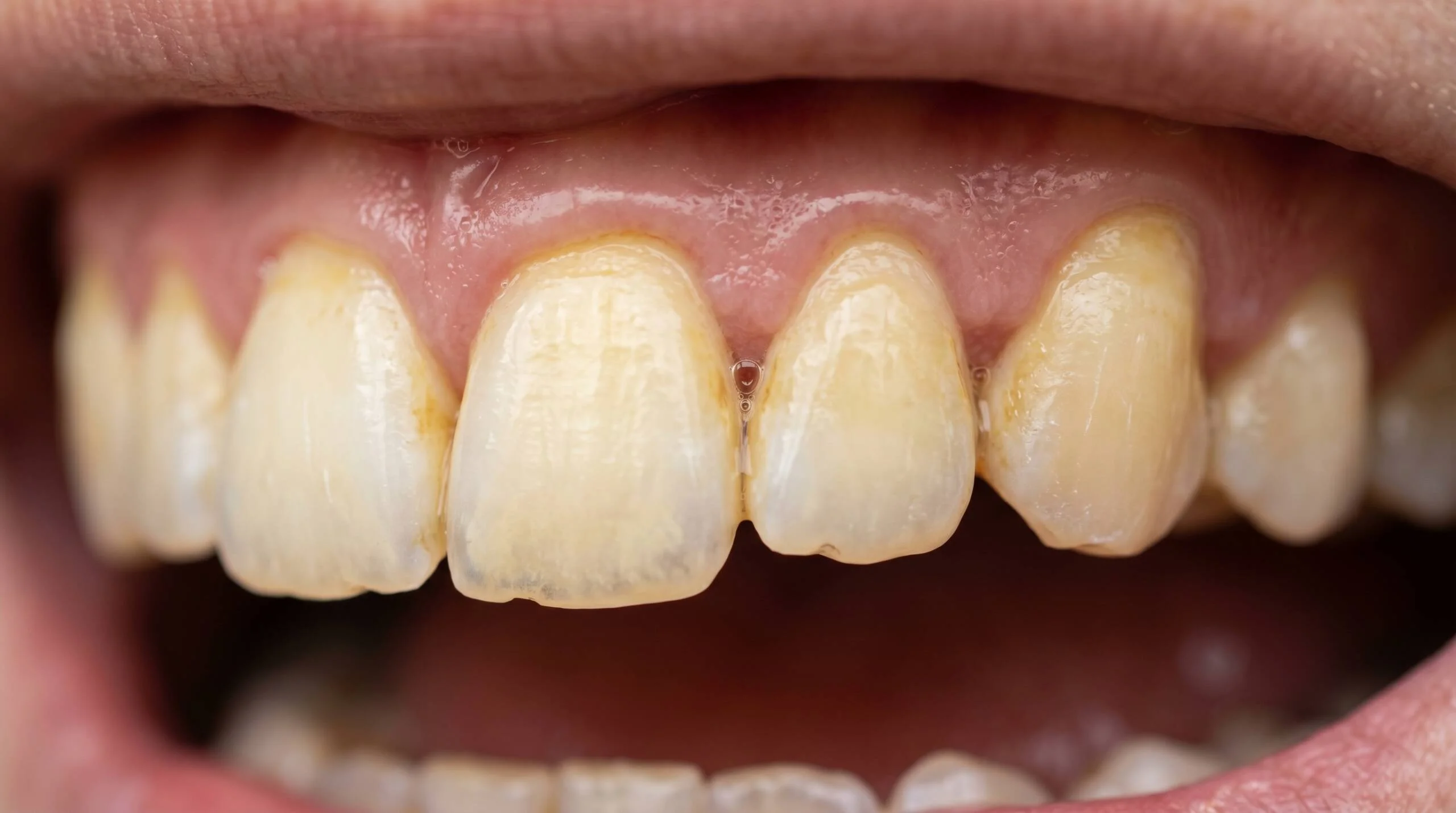
In daily life, primary factors answering what causes tooth wear include:
- Acidic Dietary Regimens: Frequent sipping of acidic carbonated beverages, sports drinks, lemons, and vinegar-based dressings depresses oral pH well below the critical enamel demineralization threshold of 5.5.
- Gastroesophageal Reflux Disease (GERD): Unbuffered hydrochloric acid regurgitating into the oral cavity selectively demineralizes the palatal aspects of maxillary anterior and posterior teeth.
- Nocturnal Bruxism and Jaw Clenching: Subconscious grinding exerts hundreds of pounds of pressure, acting as an abrasive stone that flattens natural cuspal anatomy.
- Aggressive Toothbrushing Habits: Scrubbing cervical margins with hard brushes in forceful horizontal strokes carves deep grooves into root cementum and enamel.
- Xerostomia (Diminished Salivary Flow): Saliva serves as the natural biological buffer that neutralizes acids and replenishes lost calcium and phosphate. Individuals with dry mouth experience accelerated wear rates.
Recognizing Tooth Wear Symptoms: Clinical Indicators
Enamel wear begins silently, gradually presenting distinct clinical signs:
- Thermal and Chemical Hypersensitivity: Thinning enamel leaves fluid-filled dentinal tubules exposed; cold drinks, ice cream, hot tea, or sweet fruits trigger sharp, transient sensations.
- Translucency and Shortened Incisal Edges: Front incisors develop thin, glassy, chipped edges, causing teeth to appear jagged and noticeably shorter.
- Generalized Yellowing: As translucent white enamel wears away, the deeper, yellowish dentin shines through, giving teeth a chronically discolored appearance.
- Cervical V-Shaped Notches: Distinct horizontal indentations or scooped-out defects form along the gingival margin where dental floss or fingernails catch.
- Loss of Facial Vertical Dimension: Severely worn posterior teeth collapse the vertical height between the nose and chin, deepening marionette lines and creating premature facial aging.
Front Tooth Wear: Functional and Aesthetic Management
Experiencing front tooth wear creates immediate aesthetic and psychological distress. As incisal edges wear flat and chip, smile harmony disappears.
Restoring worn anterior teeth requires rebuilding lost tooth structure without aggressive crown reduction wherever possible. If neglected, wear progresses toward the vascular pulp chamber, necessitating invasive endodontic therapy before cosmetic reconstruction can proceed.
How to Treat Tooth Wear: Restorative Dentistry Approaches
Addressing how to relieve tooth wear requires a fundamental biological truth: Enamel cannot regenerate, grow back, or heal on its own because it contains no living cells once fully formed. Consequently, professional restorative care is mandatory.
Explaining how to treat tooth wear and executing a comprehensive tooth wear treatment plan involves four clinical modalities:
1. Tooth Wear Filling Applications (Cervical Composite Restorations)
For wedge-shaped abfraction defects along the gumline or cup-shaped occlusal erosions, a tooth wear filling is placed. Modern micro-hybrid composite resins bond micromechanically to exposed dentin, sealing sensitive tubules and restoring natural cervical contours in a single 30-minute visit without anesthesia.
2. Aesthetic Direct Composite Bonding
To lengthen shortened front teeth, eliminate incisal translucency, and restore youthful incisal edge anatomy, direct composite bonding is applied conservatively without cutting away healthy natural enamel.
3. Porcelain Veneers (E-Max) and Ceramic Crowns
For severe structural wear with substantial enamel loss, ultra-thin lithium disilicate (E-Max) porcelain veneers are bonded onto the facial surfaces of anterior teeth. When generalized attrition has collapsed the entire bite, full-coverage monolithic zirconia crowns rebuild vertical occlusal height.
4. Custom Hard Occlusal Nightguards (Splints)
When bruxism is the underlying cause, delivering a custom-fitted hard acrylic nightguard protects new restorations and shields remaining dentition from future attrition forces during sleep.
Preventative Home Care Guidelines for Worn Teeth
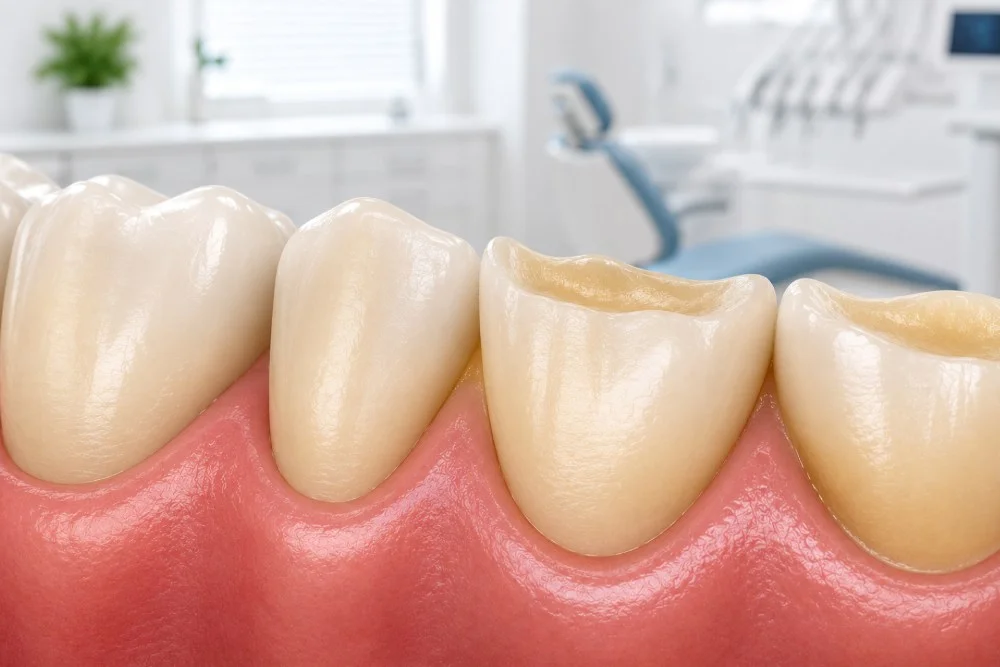
To stop progressive dental erosion and abrasion, adopt these daily habits:
- Use Soft Bristles with Circular Strokes: Never scrub teeth horizontally with hard bristles. Hold a soft or ultra-soft toothbrush at a 45-degree angle to the gumline, brushing in gentle circular motions.
- The 30-Minute Post-Acid Rule: Never brush immediately after consuming acidic foods, wine, or citrus. Acids temporarily soften enamel; brushing immediately scrubs away softened minerals. Rinse thoroughly with plain water and wait at least 30 minutes before brushing.
- Use a Straw: When drinking sodas, juices, or iced tea, drink through a straw positioned toward the back of the mouth to minimize enamel contact.
- Remineralizing and Desensitizing Pastes: Brush with toothpastes containing fluoride, biomimetic nano-hydroxyapatite, or potassium nitrate to plug patent tubules and fortify weakened enamel.
- Medical Reflux Control: Manage chronic heartburn or gastroesophageal reflux under the care of a gastroenterologist to eliminate internal acid exposure.
Comparative Matrix: Tooth Wear Classifications and Solutions
|
Wear Classification |
Primary Etiology |
Typical Clinical Presentation |
Recommended Dental Treatment |
|
Dental Erosion |
Dietary acids, gastric reflux |
Smooth, cupped-out, yellowish enamel |
Dietary Control + Fluoride + Bonding |
|
Dental Attrition |
Bruxism, clenching, heavy bite |
Flat chewing surfaces, chipped edges |
Occlusal Nightguard + Veneers / Crowns |
|
Dental Abrasion |
Hard toothbrushing, abrasives |
V-shaped cervical notches at gumline |
Hygiene Re-education + Composite Filling |
|
Dental Abfraction |
Heavy eccentric occlusal flexure |
Deep wedge-shaped enamel fractures |
Occlusal Equilibration + Resin Filling |
Frequently Asked Questions
Can worn tooth enamel grow back or repair itself naturally?
No. Mature enamel is an acellular, non-regenerative biological structure lacking ameloblast cells. Once lost to erosion, abrasion, or grinding, enamel cannot regrow. Lost tooth architecture must be reconstructed artificially using composite resins, bonding, or ceramic prostheses.
Do cervical tooth wear fillings pop off easily?
When placed using proper moisture isolation, modern multi-step dental bonding agents, and flexible microfilled composite resins, cervical wear fillings are exceptionally durable. However, if unmanaged nocturnal grinding continues, heavy flexural stress can dislodge fillings; wearing a custom nightguard protects their longevity.
Does tooth wear cause nerve pain?
Yes. As insulating enamel wears away, sensitive dentin with millions of microscopic fluid-filled tubules becomes exposed. External cold liquids, hot foods, or cool air stimulate internal pulpal nerves, causing sharp, electric shock-like sensations.
Why do worn teeth become more sensitive during a cold or the flu?
During viral respiratory infections, nasal congestion forces continuous mouth-breathing. This airflow dries out the oral cavity, evaporating saliva and stripping the hydrating layer over exposed dentin tubules, amplifying sensitivity and dull aching.
What happens if tooth wear is left untreated?
Neglected tooth wear steadily advances through dentin into the dental pulp chamber, causing irreversible pulpitis, severe throbbing pain, and necessitating root canal therapy. Severe generalized wear also causes bite collapse, precipitating chronic temporomandibular joint (TMJ) osteoarthritis and facial asymmetry.
About the Author