


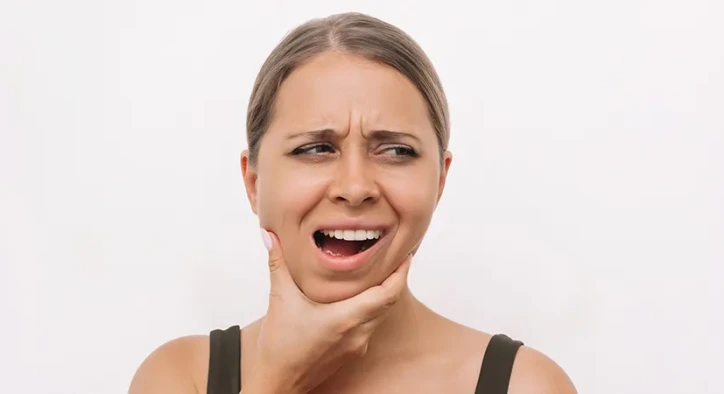
What Is Jaw Misalignment? Symptoms, Causes, Exercises, and Treatment
Don't put off your smile. Message us now to discuss your treatment options with our expert dentists.
WhatsAppEssential physiological activities such as mastication, articulation, deglutition, and yawning depend on coordinated biomechanical synergy between the mandible (lower jaw), maxilla (upper jaw), masticatory musculature, and the bilateral temporomandibular joints (TMJ) connecting the jaw to the temporal bone. However, dental malocclusions, developmental skeletal asymmetries, unilateral chewing habits, acute trauma, or articular disc displacement disrupt this delicate homeostatic balance. This anatomical and functional deviation where the jaw shifts to the right, left, forward, or backward during rest or function is clinically termed jaw misalignment.
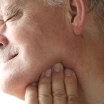
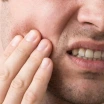
Beyond generating noticeable facial asymmetry, untreated jaw deviation causes chronic cervicofacial pain, TMJ clicking, tinnitus, restricted range of motion, and compromised mastication.
Table of Content
- What Causes Jaw Misalignment?
- Key Jaw Misalignment Symptoms: Clinical Indicators
- Comparing Lower vs. Upper Jaw Misalignment Symptoms
- Jaw Misalignment Exercises: Daily Rehabilitation Protocols
- How to Fix Jaw Misalignment: Comprehensive Treatment Modalities
- Orthognathic Surgery Protocol for Skeletal Asymmetry
- Comparative Matrix: Jaw Realignment Treatment Options
- Frequently Asked Questions
What Causes Jaw Misalignment?
In maxillofacial surgery and orthodontics, primary variables answering what causes jaw misalignment include:
- TMJ Internal Derangement & Disc Displacement: The fibrocartilaginous articular disc cushions mandibular condyle movement within the glenoid fossa. Anterior or lateral displacement of this disc forces the mandible to deviate toward the affected side during mouth opening.
- Habitual Unilateral Chewing: Exclusively chewing food on one side induces asymmetric hypertrophy of the masseter and pterygoid muscles. This muscular imbalance exerts unequal vector pull, deviating the mandibular midline over time.
- Premature Dental Contacts and Missing Posterior Teeth: Losing posterior molars causes vertical collapse of bite dimensions. The lower jaw adopts a secondary shifted position to achieve functional contact.
- Developmental Skeletal Asymmetry: Condylar hyperplasia (overgrowth) or hypoplasia (underdevelopment) on one side during adolescent growth spurts produces skeletal jaw skewing.
- Direct Physical Trauma and Fractures: Historical blows to the mandible, falls, or sports injuries can damage the condylar neck and permanently disrupt joint biomechanics.
- Severe Nocturnal Bruxism: Chronic grinding strains joint ligaments and micro-traumatizes the articular capsule, destabilizing functional balance.
Key Jaw Misalignment Symptoms: Clinical Indicators
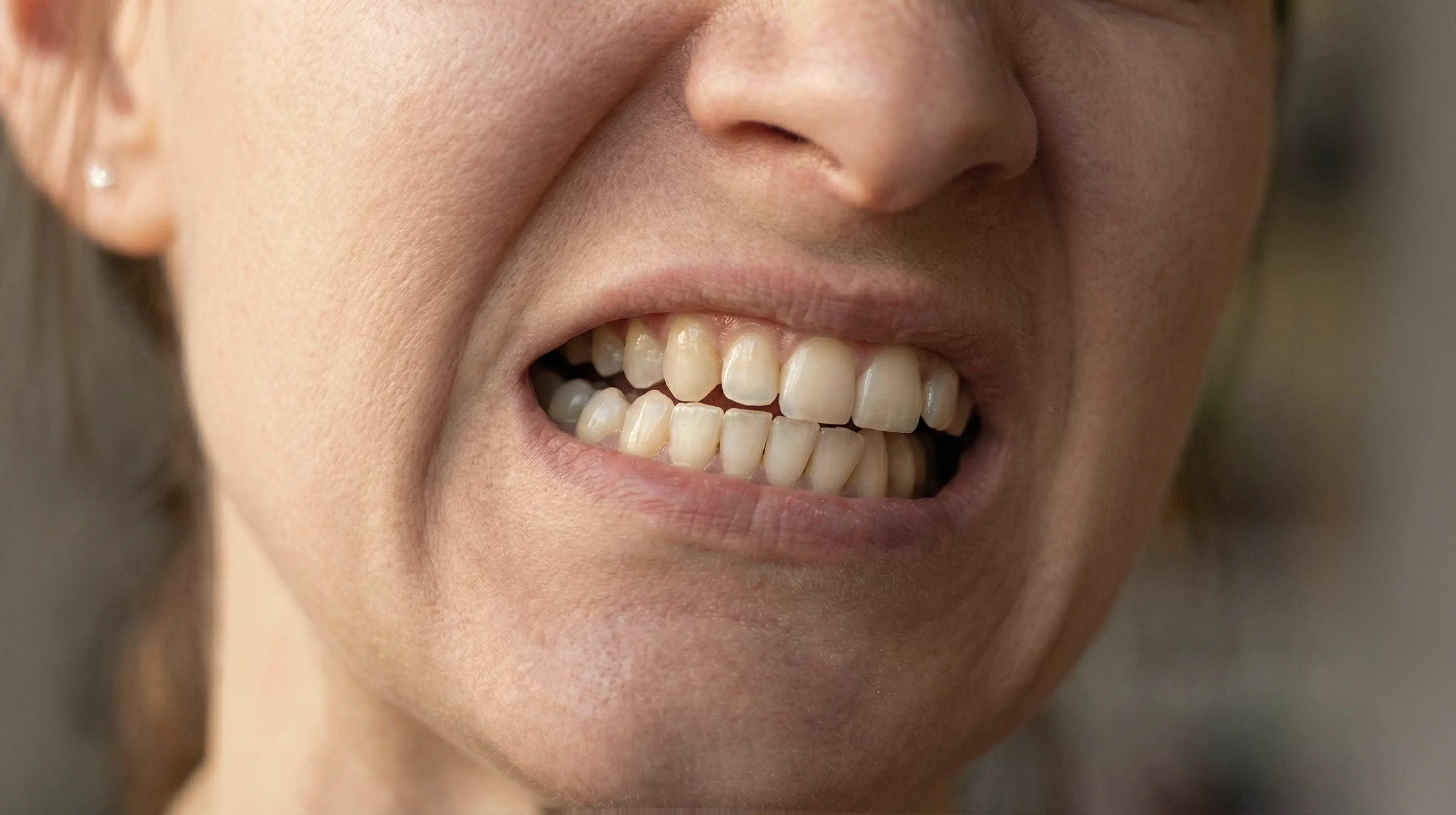
Recognizing early jaw misalignment symptoms prevents progressive joint and tooth breakdown:
- Facial Asymmetry: The tip of the chin visibly veers to the right or left relative to the facial midline.
- S-Shaped Mandibular Deviation: The lower jaw tracks in an S-curve or shifts sideways rather than opening straight down.
- Joint Sounds (Clicking & Crepitus): Noticeable clicking, popping, or grating sounds during yawning or mastication.
- Jaw Locking: Episodic open or closed locking where the jaw temporarily catches and cannot move smoothly.
- Temporal Headaches and Neck Soreness: Constant hypertonicity in masticatory muscles triggers tension headaches, temporal migraines, and cervical neck stiffness.
- Otic Symptoms: Proximity to the ear canal causes ear fullness, dull otalgia, and tinnitus.
Comparing Lower vs. Upper Jaw Misalignment Symptoms
Differentiating mandibular from maxillary origins ensures accurate therapeutic targeting:
Lower Jaw Misalignment Symptoms
- Lateral deviation of the mandibular pogonion (chin point).
- Dental midline discrepancy where lower incisors fail to line up with upper central incisors.
- Mandibular prognathism (underbite / Class 3 malocclusion) or retrognathism (receding chin / Class 2 malocclusion).
- Unilateral premature tooth contacts on one side while the opposite side remains open.
Upper Jaw Misalignment Symptoms
- Occlusal canting (slanted smile line where one side of the upper dental arch sits lower).
- Maxillary skeletal constriction forcing the mandible into a lateral crossbite.
- Asymmetrical alar base width and cheekbone prominence.
Jaw Misalignment Exercises: Daily Rehabilitation Protocols
For mild, muscularly driven deviations, jaw misalignment exercises and lower jaw misalignment exercises help rebalance muscle tone:
- Controlled Opening with Tongue on Palate (Rocabado Technique): Place the tongue tip against the roof of the mouth directly behind the upper front teeth. Keep the tongue anchored while opening the mouth slowly as far as comfortable. Hold for 5 seconds and close. Perform 2 sets of 10 repetitions daily.
- Resisted Jaw Opening: Place your thumb beneath your chin. Apply gentle upward resistance with your thumb as you attempt to open your jaw downward. Hold for 5 seconds, then relax.
- Lateral Resistance Exercise: Place your palm against the side of the chin opposite to the deviation. Attempt to move your jaw sideways against gentle hand resistance to strengthen weakened lateral pterygoid muscles.
- Chin Tucks: Keep your spine erect and pull your head straight back, creating a double chin posture. Hold for 5 seconds and release to reduce cervical tension on the masticatory apparatus.
How to Fix Jaw Misalignment: Comprehensive Treatment Modalities
Understanding how to relieve jaw misalignment and how to fix jaw misalignment involves structured non-surgical and surgical options within jaw misalignment treatment:
1. Occlusal Splint Therapy (Bite Splints)
Custom-made hard acrylic splints worn over the dental arch eliminate irregular tooth interferences. Splints deprogram hyperactive muscles, reduce joint load, and guide the condyle back into its physiological resting position within the glenoid fossa over 3 to 6 months.
2. Comprehensive Orthodontic Realignment
When crossbites or crowded teeth cause functional displacement, braces or clear aligners correct dental arches. Restoring ideal intercuspation eliminates functional deviation.
3. Masseter Botulinum Toxin Injections
In severe bruxism and muscular hypertrophy cases, targeted botox injections relax hypertonic masseter and temporalis muscle fibers, alleviating asymmetric mechanical strain.
4. Corrective Jaw Misalignment Surgery (Orthognathic Surgery)
When the discrepancy is rooted in skeletal bone discrepancies, orthodontic camouflage alone is insufficient, making jaw misalignment surgery necessary.
Orthognathic Surgery Protocol for Skeletal Asymmetry
Surgical realignment follows a coordinated interdisciplinary pathway:
- Presurgical Orthodontics: Braces align the teeth over their respective basal bone arches.
- Surgical Realignment: Under general anesthesia, the oral surgeon makes intraoral incisions to osteotomize (re-position) the upper jaw (Le Fort I), lower jaw (BSSO), or both. The jaws are repositioned into three-dimensional symmetry and rigidly secured using titanium mini-plates and screws, leaving zero external facial scars.
- Post-Surgical Healing: Patients stay 1 to 2 days in the hospital, follow a liquid-to-soft diet for 2 to 3 weeks, and achieve bony union within 6 to 8 weeks, yielding permanent facial symmetry and stable mastication.
Comparative Matrix: Jaw Realignment Treatment Options

|
Treatment Modality |
Primary Clinical Goal |
Target Candidate |
Duration of Therapy |
|
Targeted Jaw Exercises |
Rebalance muscle tone and restore tracking |
Mild muscle strain and early joint clicks |
10 minutes daily (Ongoing) |
|
Occlusal Night Splints |
Decompress TMJ disc and relieve muscle load |
Disc displacements and bruxism patients |
3 to 6 Months |
|
Orthodontics (Braces/Aligners) |
Correct dental crossbites and alignments |
Dental malocclusions and crossbites |
12 to 24 Months |
|
Orthognathic Surgery (Bimax) |
Correct underlying skeletal bone asymmetry |
Severe structural skeletal asymmetries |
1-3 Hour Surgery + Recovery |
Frequently Asked Questions
What happens if jaw misalignment is left untreated?
Untreated jaw deviation leads to progressive osteoarthritis of the temporomandibular joint, irreversible cartilage degradation, recurrent jaw locking, uneven tooth wear, chronic tension migraines, and worsening facial asymmetry.
Can jaw misalignment be fixed without surgery?
Yes. If the deviation originates from muscular spasms, dental crossbites, missing teeth, or mild disc displacement, it can be corrected non-surgically using occlusal splints, orthodontic aligners, physical therapy, and botulinum toxin. Only structural skeletal discrepancies require surgery.
Does chewing gum worsen jaw misalignment?
Yes. Habitual or unilateral gum chewing places repetitive mechanical overload on the temporomandibular joint, stretches joint ligaments, and worsens pre-existing misalignment. Patients with TMJ instability should strictly avoid chewing gum.
Can jaw misalignment cause ear pain, tinnitus, or vertigo?
Yes. The temporomandibular joint sits directly adjacent to the tympanic plate and middle ear structures. Inflammatory pressure within the retrodiscal pad stimulates shared nerve pathways, causing ear fullness, otalgia, tinnitus, and balance disturbances.
About the Author