


Can You Smoke After Tooth Extraction?
Don't put off your smile. Message us now to discuss your treatment options with our expert dentists.
WhatsAppTooth Extraction is one of the most common dental procedures, and questions about smoking afterward are frequently asked by patients. Sensitivity in the mouth, the healing process, and potential complications can make this topic confusing, especially for individuals who smoke.
Many studies on oral health suggest that smoking may directly influence the healing process. However, understanding how long these effects last, what risks are involved, and what alternatives exist requires a deeper look into the subject.
İçindekiler
- How Does the Healing Process Progress After Tooth Extraction?
- Effects of Smoking After Tooth Extraction
- How Long Should You Avoid Smoking After Tooth Extraction?
- Possible Complications of Smoking After Tooth Extraction
- Alternative Behaviors After Tooth Extraction
- Why Is Oral Care Important After Tooth Extraction?
- The Relationship Between Tooth Extraction and Lifestyle
- What Do Scientific Studies Say About Smoking and Healing?
How Does the Healing Process Progress After Tooth Extraction?
After a Tooth Extraction, a natural healing process begins in the mouth. A blood clot forms in the extraction site, playing a crucial role in protecting the wound. This clot acts as a barrier, shielding the bone and nerve endings from external factors.
The healing process typically occurs in stages. Within the first 24 hours, bleeding stops and the clot stabilizes. In the following days, tissue regeneration begins. This process may vary from person to person and is influenced by factors such as oral hygiene and overall health.
Effects of Smoking After Tooth Extraction
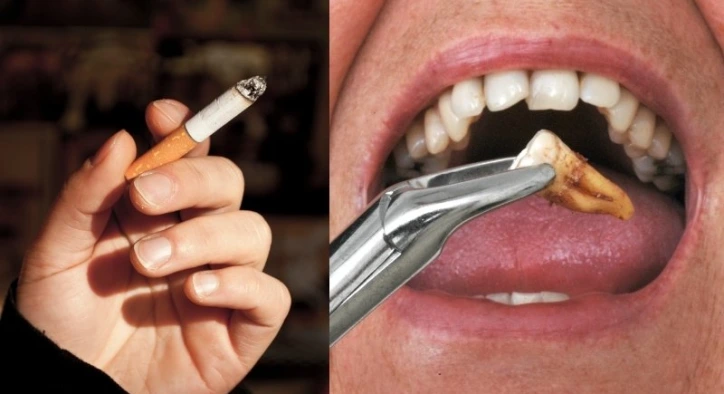
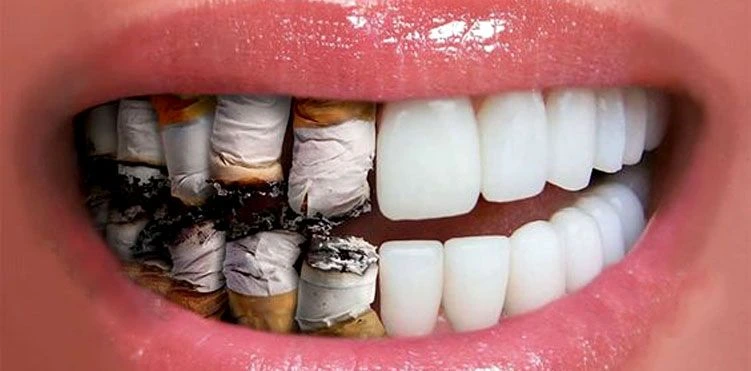
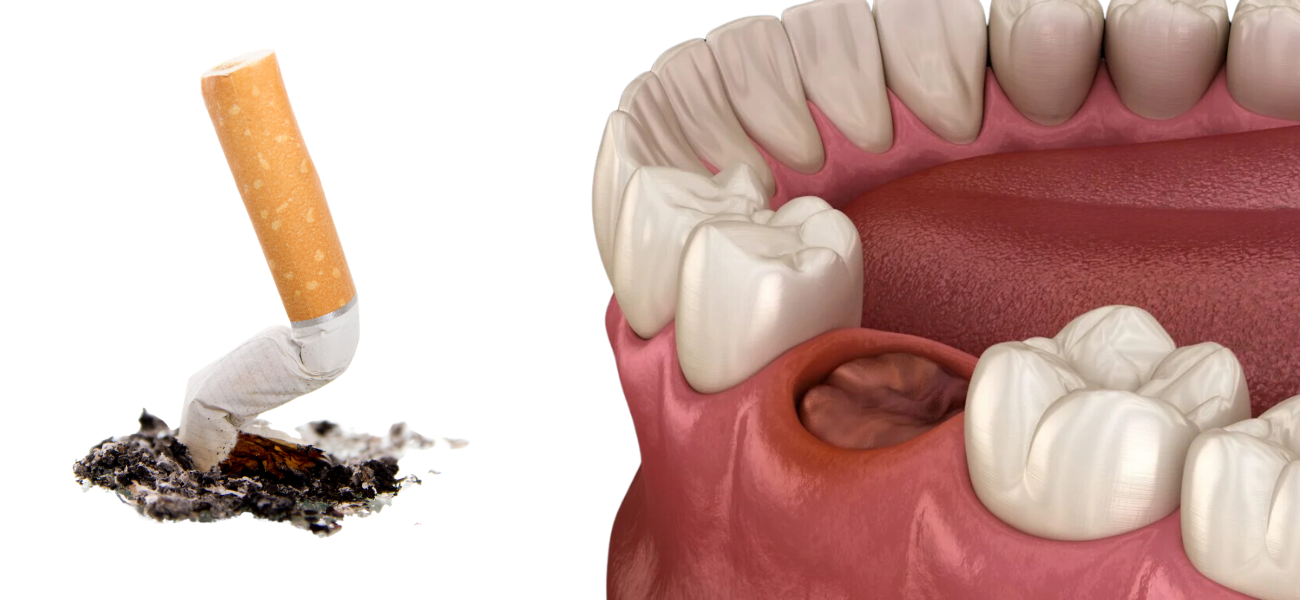
Smoking after a Tooth Extraction is considered a factor that may negatively impact healing. Cigarette smoke comes into direct contact with oral tissues, which can slow down the recovery process.
Nicotine may cause blood vessels to constrict, reducing blood flow to the extraction site. This can delay healing. Additionally, the suction motion while smoking may dislodge the blood clot, potentially leading to a painful condition commonly referred to as dry socket.
How Long Should You Avoid Smoking After Tooth Extraction?
There are different opinions regarding when smoking can be resumed after a Tooth Extraction. Generally, the first 24 to 72 hours are considered a critical period.
Avoiding smoking during this time may help protect the blood clot. Waiting longer may provide a safer recovery environment. However, the duration may vary depending on the complexity of the extraction and individual oral conditions.
Possible Complications of Smoking After Tooth Extraction
Some potential complications associated with smoking after a Tooth Extraction include:
- Dry socket
- Delayed healing
- Increased risk of infection
- Bad breath and taste disturbances
- Increased tissue damage
These complications may temporarily reduce a patient’s quality of life. Dry socket, in particular, is known for causing significant discomfort and should be taken seriously.
Alternative Behaviors After Tooth Extraction
For individuals who smoke, the period after a Tooth Extraction can be challenging. Some alternative approaches may be considered during this time.
For example, nicotine patches or gums may offer temporary support. More information can be found through reliable sources such as nicotine replacement therapy
Maintaining good oral hygiene and staying hydrated may also contribute positively to recovery. Additionally, aftercare guidelines such as tooth extraction aftercare can provide helpful insights.
Why Is Oral Care Important After Tooth Extraction?
Oral care after a Tooth Extraction is essential for ensuring a smooth healing process. Keeping the extraction site clean may help reduce the risk of infection.
In the first few days, it is generally advised to avoid rinsing the mouth aggressively. Later on, gentle cleaning methods may be introduced. Harsh brushing near the extraction area may cause irritation or damage.
The Relationship Between Tooth Extraction and Lifestyle
The recovery period after a Tooth Extraction is not limited to oral health alone. Lifestyle factors such as diet, sleep, and stress levels may also influence healing.
Habits like smoking should be carefully reconsidered during this time. Adopting healthier routines may support not only post-extraction recovery but also long-term oral health.
What Do Scientific Studies Say About Smoking and Healing?
Research indicates that smoking may affect wound healing. Oral tissues, due to their sensitive nature, may show more noticeable effects.
Some clinical studies suggest that complication rates may be higher among smokers. However, these outcomes can vary between individuals, and not every case will follow the same pattern.
Whether you can smoke after a Tooth Extraction depends on multiple factors. Avoiding smoking, especially in the first few days, is generally considered a safer approach for supporting the healing process.
Since each individual’s oral structure and health condition differ, outcomes may vary. This content aims to provide a general understanding of the topic, while individual experiences may lead to different results.
About the Author