


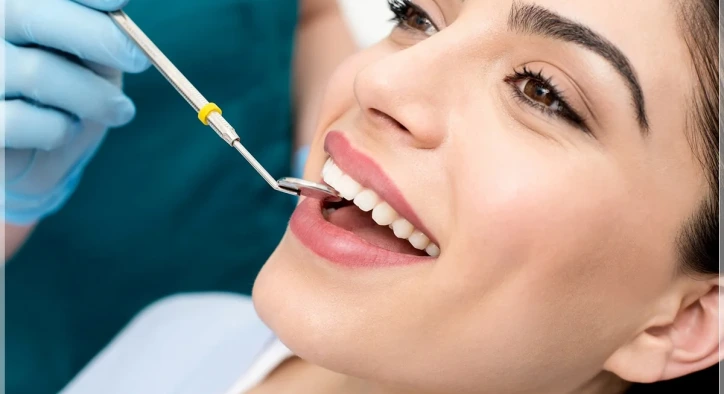
What Is Dental Aesthetics? Smile Design and Methods
Don't put off your smile. Message us now to discuss your treatment options with our expert dentists.
WhatsAppA healthy and captivating smile is one of the most powerful visual assets directly influencing our daily life standards, from social relationships to personal self-confidence. As the first point of attention on the face during communication, teeth can lose their aesthetic form over time due to wear, discoloration, crowding, or tooth loss. This is exactly where dental aesthetics, one of the most dynamic branches of modern dentistry, comes into play.
At Avrupa Sağlık Diş, we know that aesthetic touches do not simply mean having stark white teeth. A successful cosmetic dental procedure must evaluate a person's age, gender, skin tone, and lip structure as a unified whole. The unnatural, overly opaque white trends of past years have completely given way to natural light transmittance and personalized characterizations. In the modern medical world, building oral health and visual harmony simultaneously is one of the most valuable investments you can make in your quality of life.
Table of Content
- What Is Dental Aesthetics? A Holistic Approach in Cosmetic Dentistry
- How Is a Personalized Smile Design Planned?
- What Are the Popular Dental Aesthetics Methods?
- Digital Dental Aesthetics and the Advantages of CAD/CAM Technology
- Is Pain Felt During Aesthetic Dental Treatment Processes?
- How Long Is the Lifespan of Aesthetic Teeth? Long-Term Care Guide
- FAQ: Frequently Asked Questions
What Is Dental Aesthetics? A Holistic Approach in Cosmetic Dentistry
The clinical definition of dental aesthetics, a term frequently encountered in cosmetic dentistry, is the art of bringing both the internal structural forms of the teeth and their harmony with surrounding tissues into a symmetrical balance. While ensuring that the teeth perform their functional chewing duties flawlessly, this treatment discipline also aims to reveal the smile expression that best suits the person's unique facial contours.
The expectations and intraoral conditions of patients applying to a clinic are entirely different from one another. For this reason, the process is never limited to changing the color of a single tooth. Correcting broken, worn, or spaced (diastema) teeth, leveling the gums, and reconstructing lost tooth tissues with biocompatible materials are the core steps of this holistic approach. The applications performed within this framework fully integrate into the intraoral ecosystem while strictly preserving biological boundaries.
How Is a Personalized Smile Design Planned?
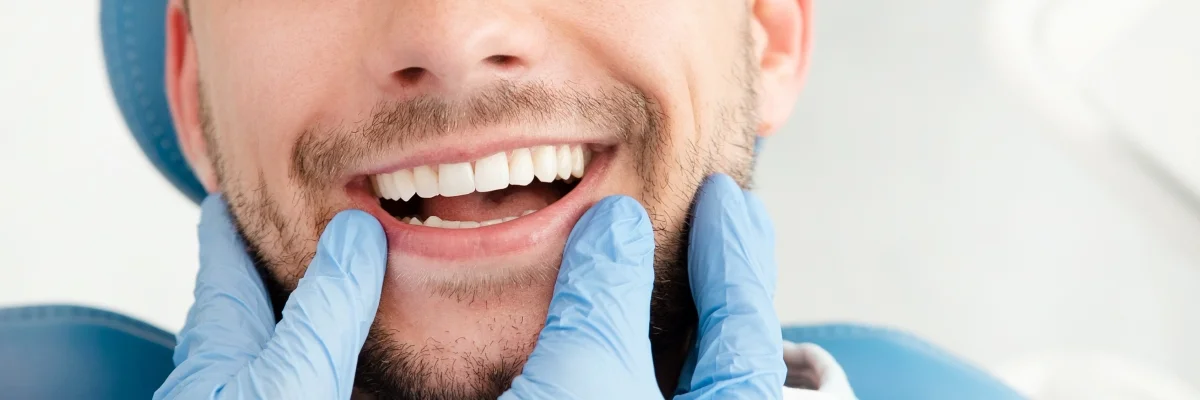
Every individual's facial anatomy, bone structure, and lip frame are unique. Therefore, a successful dental aesthetics process requires a smile design planning that is completely tailored to the individual. In this planning phase, it is of critical importance for the dentist and the patient to meet on common ground and for the final visual outcome to be predictable beforehand.
During the design process, the rules of the "golden ratio" in dentistry are utilized. The ratio of the width of the upper two front teeth to their height, and the mathematical relationship of these teeth with the adjacent teeth, are calculated down to the millimeter in a computer environment. Thanks to advanced software, digital designs are created on the patient's high-resolution photographs and videos.
Furthermore, before actually beginning physical treatment, a smile rehearsal prepared with temporary materials, known as a "mock-up," can be applied to the patient's mouth. This allows the patient to experience firsthand in their own mirror what kind of smile they will have at the end of the journey, long before any reduction or reshaping is done to their teeth.
What Are the Popular Dental Aesthetics Methods?
Depending on the scope of the intraoral problem and the patient's aesthetic goals, there are many different methods deployed in the clinic. These methods are sometimes used alone and sometimes in combination.
- Zirconium Crown: Non-metal supported zirconium crown methods, which feature extremely high light transmittance, provide great durability in the back teeth while identically mimicking natural tooth enamel in the front teeth. They adapt perfectly to the gum line, preventing the formation of unsightly gray shadows.
- Porcelain Veneer (Lamina): Ideal for patients with high aesthetic expectations, porcelain veneer restorations are applied by performing minimal reduction (approximately 0.3 to 0.5 mm) only on the front surfaces of the teeth, or in some cases, without touching them at all. Thanks to their light-reflecting capabilities, they offer a completely natural appearance.
- Aesthetic Dental Filling: Used to resolve minor fractures, gaps, or color imperfections in the teeth, aesthetic dental fillings (composite bonding) are performed using special nano-composite materials that chemically bond to the tooth structure. Generally completed in a single session, this aesthetic tooth filling application stands as one of the finest examples of conservative dentistry.
- Gum Aesthetics: Applied in cases where the gums appear excessively when smiling (gummy smile) or are asymmetrical, gum aesthetics organizes the frame of the smile. Known in medical literature as pink dental aesthetics or gingivoplasty, this procedure can be performed bleed-free and suture-free using laser technology.
- Bunny Teeth Aesthetics: Frequently preferred by patients who want to add a more dynamic, energetic, and youthful vibe to their facial expression, bunny teeth aesthetics is an application where the front two teeth are designed to be slightly more prominent and longer than the adjacent teeth.
- Teeth Whitening (Bleaching): For patients who only want to brighten their color tone without needing any changes in the structural form of their teeth, safe teeth whitening sessions are applied in a clinical environment using specialized whitening gels and light sources.
Digital Dental Aesthetics and the Advantages of CAD/CAM Technology
One of the greatest conveniences offered by modern technology to dentistry is CAD/CAM devices, which are computer-aided design and manufacturing systems. Instead of traditional impression trays and putty-like materials that harden in the mouth, high-resolution intraoral scanners are used. These scanners transfer a three-dimensional digital model of the teeth to the computer screen within seconds.
Lamina, zirconium, or all-ceramic restorations designed in the digital environment are manufactured untouched by human hands in precision micro-milling devices located right in the clinic. This technology reduces the margin of error to micron levels, perfecting the adaptation between the restoration and the tooth. Consequently, while the risk of bacterial leakage between the tooth and the crown is minimized, treatment times are also significantly shortened.
Is Pain Felt During Aesthetic Dental Treatment Processes?
The idea of sitting in a dentist's chair can create a temporary anxiety or fear of feeling pain in many patients. However, thanks to modern anesthesia techniques and minimally invasive approaches (those that interfere with the tissue the least), aesthetic procedures pass with extreme comfort.
In zirconium or lamina applications where teeth must be shaped, the area to be treated is completely numbed with local anesthesia. This ensures that patients feel no pain or ache throughout the work. For procedures applied directly onto the tooth surface, such as aesthetic composite bonding or teeth whitening, anesthesia is often not even needed. Seeing mild sensitivity during the use of temporary teeth after treatment is considered normal, and this situation can be easily controlled with simple protective measures.
|
Application Type |
Material Used |
Average Healing / Prep Time |
Primary Benefit |
|
Porcelain Veneer (Lamina) |
Reinforced Glass Ceramic |
5 - 7 Days |
Preserves tooth tissue to the maximum; offers superior light transmittance. |
|
Zirconium Crown |
Zirconium Dioxide Block |
5 - 7 Days |
Possesses both high chewing resistance and contains no metal support. |
|
Aesthetic Composite (Bonding) |
Nano-Hybrid Resin |
Single Session (30 - 60 Min) |
Requires no tooth reduction; a fast and economical solution. |
|
Pink Aesthetics (Gingivoplasty) |
Dental Laser |
1 - 3 Days (Tissue Healing) |
Balances the frame of the smile by ensuring gum symmetry. |
How Long Is the Lifespan of Aesthetic Teeth? Long-Term Care Guide
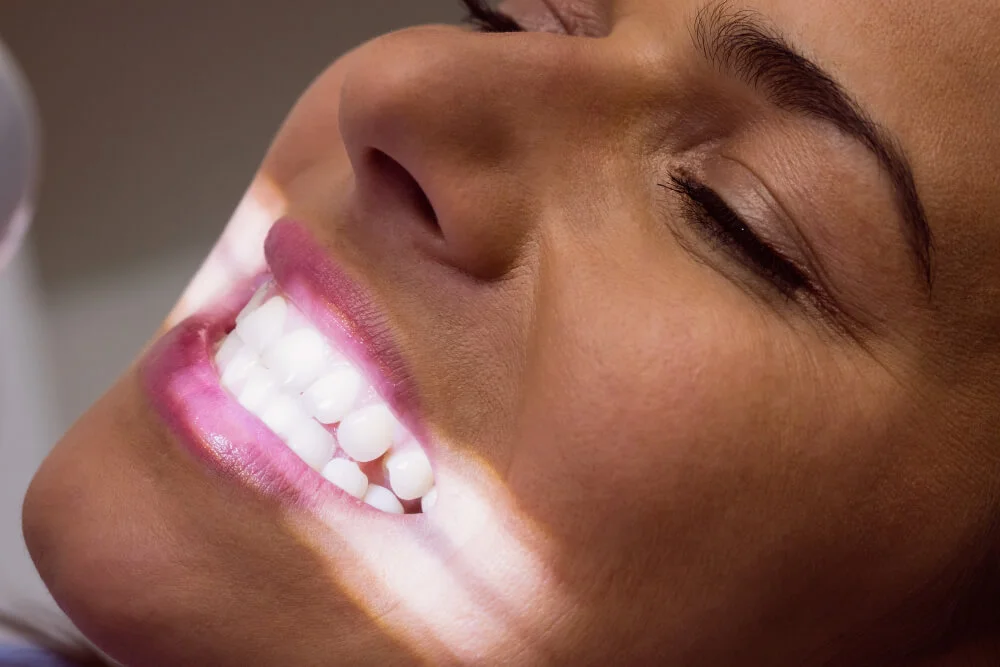
The permanence of a renewed smile depends directly on the post-treatment care habits of the patient as much as the clinical success. When reviewing the experiences shared by those who have undergone dental aesthetics treatments, it is evident that with proper care, these restorations preserve their first-day brilliance for many years.
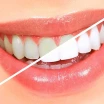
Materials like zirconium and porcelain are highly resistant to staining caused by external factors such as coffee, tea, or tobacco, thanks to their non-porous surface structures. However, this does not mean that oral hygiene can be neglected. To protect the natural tooth tissue beneath the aesthetic teeth, cleaning must be done at least twice a day with a soft-bristled brush, and the use of dental floss must become a routine.
Additionally, avoiding trying to crack hard-shelled foods with your teeth and attending regular dental checkups every six months can extend the lifespan of your invested smile beyond 10–15 years, or even turn it into a lifetime asset.
FAQ: Frequently Asked Questions
How long does dental aesthetics treatment take?
The duration can vary depending on the method to be applied. Alongside aesthetic filling procedures completed in a single session, comprehensive treatments requiring laboratory processes such as zirconium crowns or porcelain veneers are generally finished entirely and delivered to the patient within 5 to 7 days, thanks to digital CAD/CAM systems.
Do teeth turn yellow after undergoing dental aesthetics?
The premium zirconium or all-ceramic porcelain materials used in smile design possess highly polished and non-porous surfaces. Due to these structural characteristics, they are not affected by external coloring factors like tea, coffee, or cigarettes, and they preserve their colors exactly as they are for many years.
What does dental aesthetics cover?
Depending on the needs of the individual, porcelain laminas, zirconium crowns, aesthetic composite bonding applications, teeth whitening sessions, gum leveling procedures (pink aesthetics), and implant-supported prostheses where missing teeth are completed are all evaluated within this scope.
About the Author