

What is Emax Coating? The Difference of Zirconium and 2026 Prices
Don't put off your smile. Message us now to discuss your treatment options with our expert dentists.
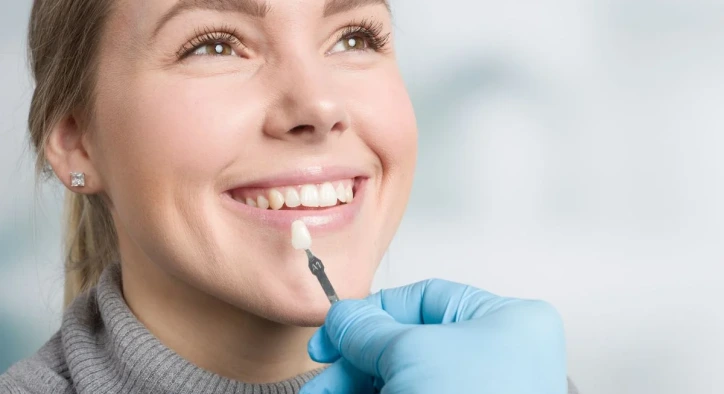
WhatsAppThe ultimate goal of cosmetic dentistry is not simply to manufacture bright white teeth, but to carefully replicate the natural realism, light transmission, and deep internal layers of real human enamel. Because structural metals used in older porcelain crowns cause dark grey shadows at the gumline and look artificially opaque, modern smile design has entirely shifted toward bio-compatible, metal-free ceramic options. Today, emax coating represents the most advanced glass-ceramic technology available, especially preferred for anterior smile makeovers due to its unparalleled biological naturalness. This premium procedure offers the smoothest transition to a balanced and aesthetic smile.
İçindekiler
What is Emax Coating?
Defined in dental materials science as lithium disilicate pressed glass-ceramic, the absolute answer to what is emax coating is this: It is a metal-free, all-ceramic restoration manufactured from compressed monolithic porcelain blocks, engineered to possess maximum translucent aesthetics and structural resilience.
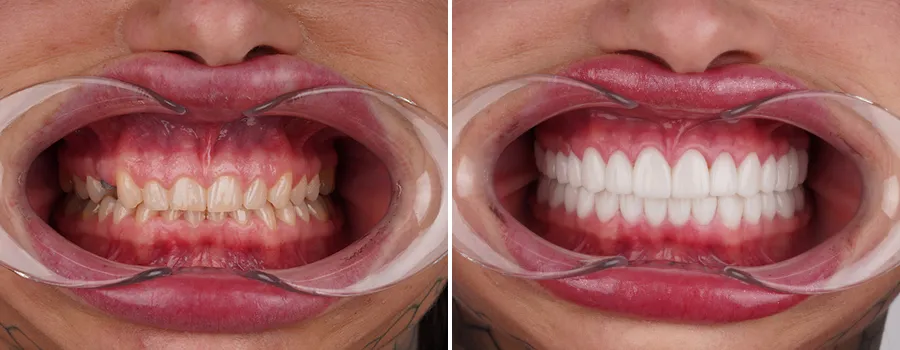
The reason an emax coating tooth stands out in aesthetic dental care is its ability to match the biological nuances of human enamel with 100% precision. Lacking a dark metal substrate, it can completely eliminate the risk of localized gum discoloration or dark borders near the soft tissues.
How is Emax Coating Done?
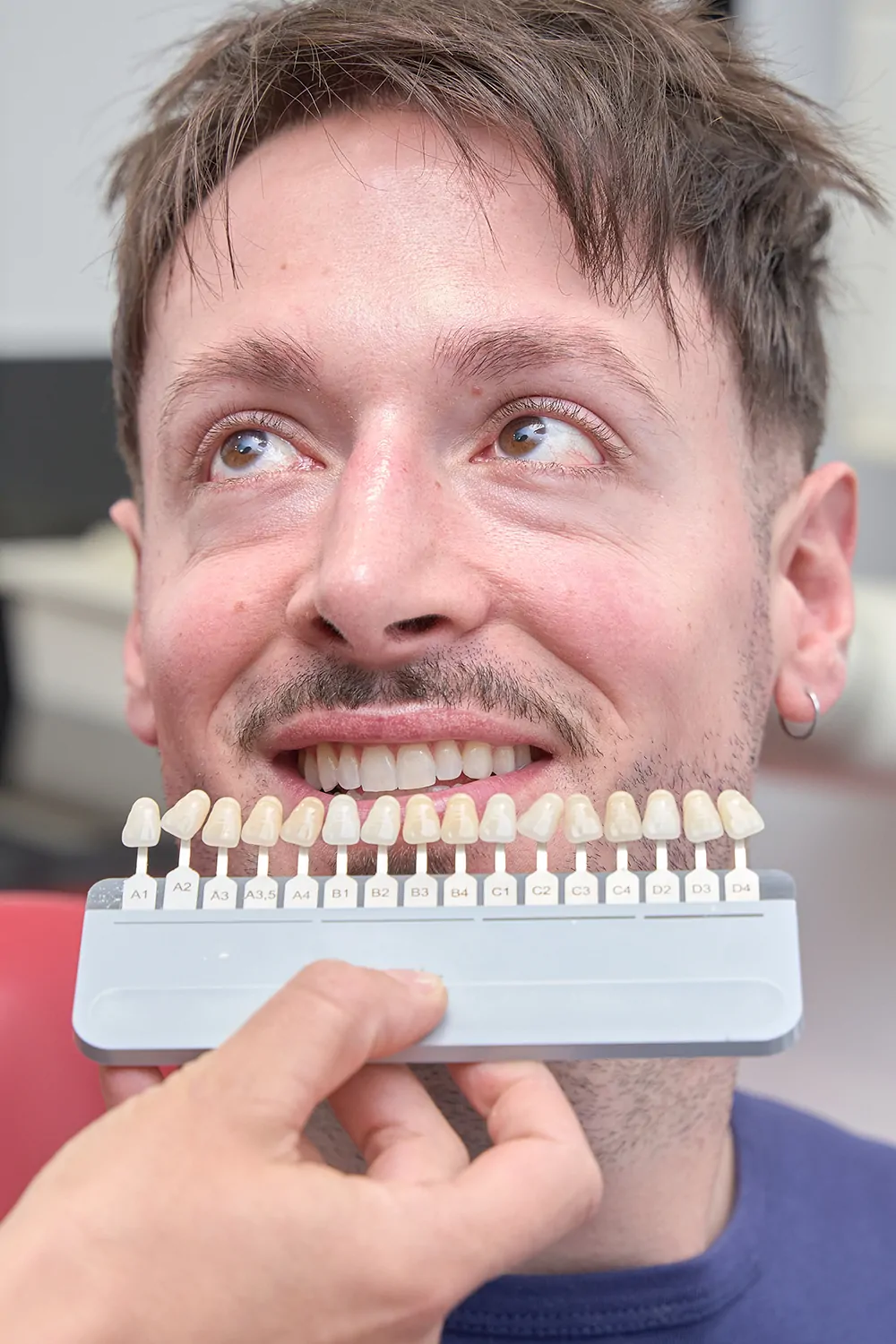
Driven by computer-aided design and manufacturing (CAD/CAM) workflows, the procedure moves forward through precise stages designed around patient comfort. The sequence of how emax coating is done includes these specific milestones:
1. Digital Smile Blueprinting and Facial Graphics
The process begins with high-definition digital photography in a studio setting. Following this, an intraoral scanner captures a precise 3D model of the dentition. Specialized smile design software cross-references individual facial proportions to draft the ideal tooth contours down to the millimeter.
2. Minimum Tooth Structure Modification
To allow the ceramic material to sit seamlessly without creating bulkiness, a highly conservative preparation of approximately 1 to 1.5 mm is smoothly prepped from the tooth walls. Because this modification is performed under advanced local anesthesia, the patient feels zero pain or discomfort.
3. Digitized Impressions and Temporary Elements
The final 3D impression is transmitted instantly to the laboratory via the intraoral scanner. To shield the prepped enamel surfaces from external factors, temporary elements are delivered during the exact same session, ensuring zero interruption to daily life.
4. Robotic Milling and Advanced Bonding
In the laboratory, premium lithium disilicate blocks are automatedly milled via high-speed CAD/CAM machinery with absolute accuracy. During the final clinical visit, the milled sheets are chemically and mechanically fused to the tooth surface using translucent resin adhesives and specialized curing lights. This chemical bonding creates a permanent molecular fusion, making it impossible for the restoration to fall out.
What is the Key Difference Between Emax Coating and Zirconia?
Resolving the structural difference between emax coating and zirconia is a frequent request from patients evaluating material options. While both options are entirely metal-free, their structural profiles dictate different clinical applications:
- Optics and Translucency: Emax possesses a significantly higher light transmission coefficient and a more glassy structure compared to zirconia. This provides emax restorations with unmatched depth and realistic vitality. Zirconia, on the other hand, is inherently more opaque.
- Mechanical Strength and Resilience: Zirconia exhibits a higher structural fracturing threshold, making it a harder material. Consequently, zirconia bridges are the ideal choice for rear molars and multi-unit tooth losses, whereas emax is highly prioritized for front incisors where maximum aesthetics are mandatory.
- Enamel Conservation Depth: Because emax structures can be fabricated ultra-thin, they require less tooth shaving compared to zirconia, meaning they preserve more of the natural healthy tooth structure.
What is the Expected Emax Coating Lifespan?
When bonded utilizing precise clinical resin protocols and supported by thorough daily hygiene care, the average emax coating lifespan spans securely between 10 and 15 years. Lithium disilicate ceramics are entirely resistant to structural wear, external staining, and acidic erosion. As long as natural gum recession from aging is managed and the underlying supportive tissues stay clean, emax restorations can preserve their high-gloss bio-mimetic luster and structural integrity.
How Are Emax Coating Costs Calculated?
Stating a single flat fee for "emax coating price" or "emax coating cost" before an in-person clinical mapping session is inaccurate. Final investments track the base framework provided by the Turkish Dental Association alongside these variables:
- The Tier of the Ceramic Block: The specific brand and imported manufacturing cost of the lithium disilicate raw blocks directly alter components pricing.
- The Volume of Treatment Restorations: Since emax is strategically applied to the visible smile line, the overall budget scales based on how many individual teeth are included (typically the front 6 to 10 teeth).
- Advanced Laboratory Processing: Computerized CAD/CAM milling and microscopic technician detailing place this procedure within a premium pricing segment compared to standard porcelain crowns.
Frequently Asked Questions
Will emax coatings yellow or develop surface stain accumulation over time?
No. The outer layer of an emax restoration is a non-porous glass-ceramic that undergoes high-temperature laboratory baking. Consequently, deep coloring agents found in coffee, tea, red wine, or tobacco smoke cannot stick to or penetrate the material. Emax restorations maintain their exact original shade permanently and will never yellow.
Can emax restorations be used as a dental bridge to replace missing teeth?
While emax offers perfect cosmetic results, its flexural strength is lower than that of zirconia. Therefore, using emax as a multi-unit bridge spanning missing teeth in high-load rear molar zones is not recommended. It is ideally suited for single supported restorations should be utilized instead.
Can an emax coating tooth fracture easily under normal use?
Once an emax crown is chemically fused to your natural enamel using specialized dental resin adhesives, it becomes structurally one with your tooth, gaining immense resistance against standard chewing forces. Fracturing under regular use is not expected. However, habits that break natural teeth can fracture emax restorations as well.
Can digital impressions for emax coatings be captured if I have the flu?
Because advanced 3D intraoral scanning technology is utilized instead of traditional gels, taking digital impressions while having a mild cold is perfectly safe and free of gag reflexes. However, if you are suffering from a high fever or severe bodily fatigue, it is best to postpone the procedure for a few days. Illness can temporarily alter natural facial expressions and muscle movement, which could compromise the accuracy of the smart smile design analysis.
About the Author