


What Are Laminate Veneers? How Are They Done and What Are Their Prices In 2026?
Don't put off your smile. Message us now to discuss your treatment options with our expert dentists.
WhatsAppAchieving a flawless, symmetrical, and radiant smile is one of the most prominent aesthetic investments in the modern world. However, many individuals who are deeply dissatisfied with their tooth shade, minor crowding, or structural gaps postpone aesthetic dental care due to the historic fear of having their natural teeth heavily shaved down and reduced.
Unlike traditional full-coverage crowns, advanced cosmetic dental solutions protect healthy tooth structures by focusing exclusively on the anterior surfaces, completely eliminating these structural concerns. The laminate dental veneer (often referred to as a "sheet tooth"), executed with master artistic craftsmanship at our Avrupa Sağlık Diş clinics, stands as the most protective and conservative pathway to securing your dream Hollywood smile without altering your teeth's natural integrity.
Table of Content
- What Is Laminate Dental Veneer?
- Porcelain vs. Composite: What Are the Material Types of Veneers?
- How is Laminate Dental Veneer Done?
- How Long Do Laminate Veneers Last?
- Is Laminate Veneer Better Than Zirconium?
- How Much is a Laminate Dental Veneer Cost?
- Frequently Asked Questions
- Will stain accumulation or yellowing occur after teeth whitening treatments or veneer placement?
- Can laminate veneers easily fracture when eating hard nuts or fruits?
- Who is not a suitable candidate for laminate dental veneers?
- Will I experience sharp pain or tooth sensitivity after whitening or veneer placement?
What Is Laminate Dental Veneer?
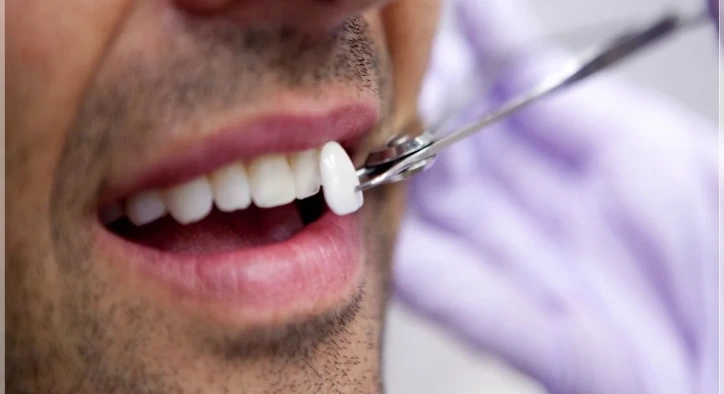
In modern aesthetic dentistry, the most accurate answer to what is laminate dental veneer is this: They are ultra-thin custom shells (measuring between 0.3 and 0.7 mm in thickness) fabricated from premium ceramics or composite resins that are securely bonded to the front surfaces of teeth to mask structural defects, heavy staining, or spacing issues. Mirroring the concept of a cosmetic artificial nail, these shells are micro-engineered to align seamlessly with the front tooth wall. Because the back walls and primary biting ridges of your teeth remain mostly untouched, healthy enamel undergoes minimal configuration.
Porcelain vs. Composite: What Are the Material Types of Veneers?
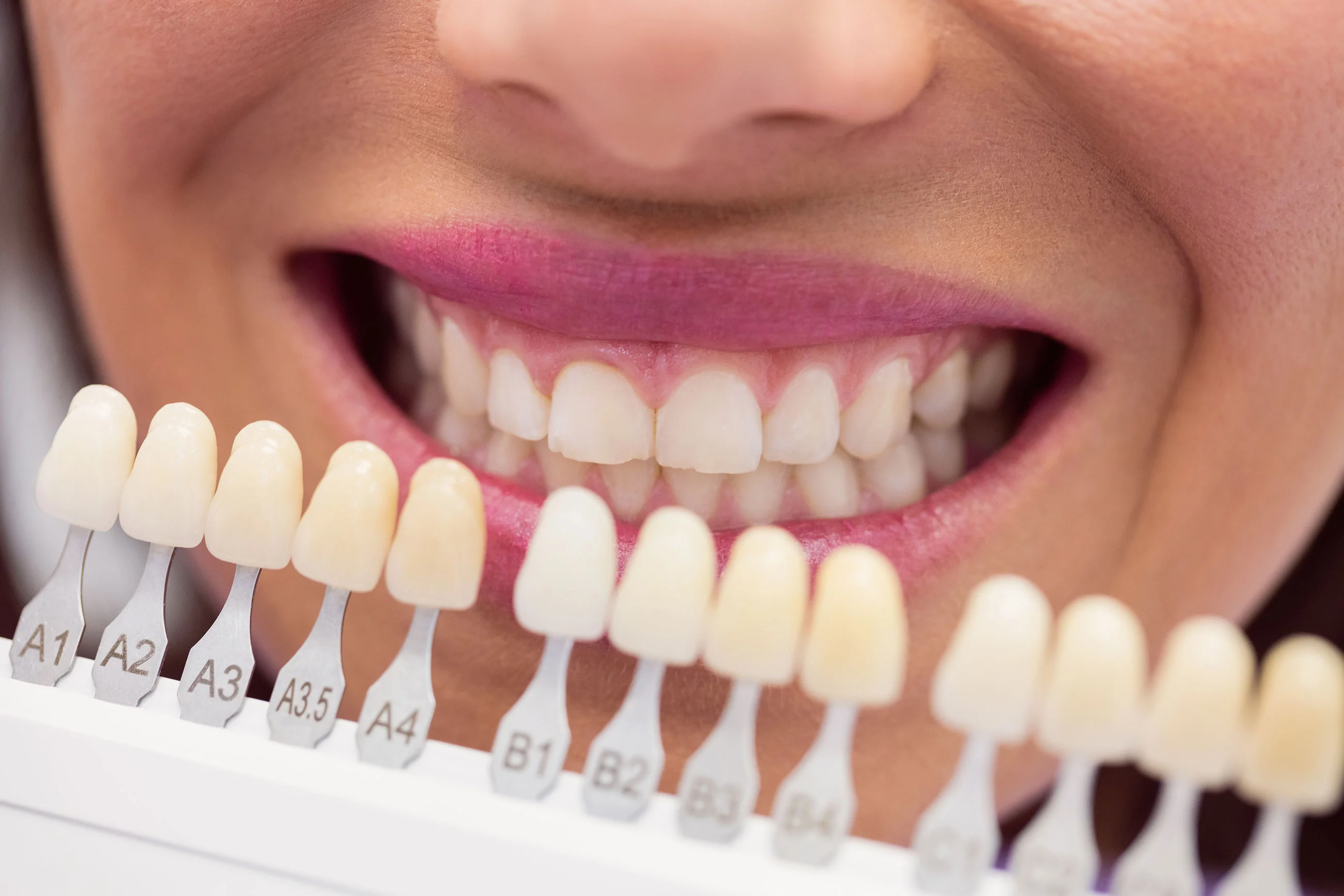
Based on individual aesthetic expectations, structural requirements, and investment budgets, there are two primary material variations implemented in clinical practice:
Porcelain Laminate Dental Veneer
Milled within automated CAD/CAM environments or manually layered in high-temperature ceramic ovens, the porcelain laminate dental veneer represents the absolute pinnacle of cosmetic dentistry. Its light refraction index mimics real human enamel perfectly. The primary clinical advantage of high-grade porcelain is its non-porous, glassy finish, meaning it is entirely resistant to external staining from coffee, tea, or tobacco, keeping its color stable permanently over the years.
Composite Laminate Dental Veneer
This method involves applying dental-grade composite resins directly onto the tooth surface inside the clinic chair. Since a composite laminate dental veneer skips the laboratory manufacturing workflow entirely, a complete smile transformation can be executed in a single day. While it serves as a highly cost-effective alternative compared to porcelain, composite material can lose its high-gloss sheen over time due to food staining and requires periodic professional polishing.
How is Laminate Dental Veneer Done?
Thanks to advanced technical frameworks, the workflow of how is laminate dental veneer done relies on fully digitized dental setups and zero-error protocols across these organized visits:
1. Digital Smile Blueprinting and Mock-Up Trials
We capture a 3D intraoral model of your teeth using high-end scanners coupled with cinematic studio photography. Specialized software builds a balanced smile design tailored to your facial landmarks. Before touching any natural structures, a temporary material is placed over your teeth for a live "Mock-Up" trial. This allows you to visually experience your future smile live in your mouth from day one.
2. Micro-Preparation of the Enamel Surface
To prevent the final restorations from looking bulky, a microscopic layer of enamel (ranging between 0.3 and 0.5 mm) is smoothly prepped from the front tooth surface. In highly favorable cases (No-Prep Veneers), this preparation step can be skipped entirely. Because the modification is microscopic and performed under precise local anesthesia, the patient feels zero pain or discomfort.
3. Digital Impressions and Temporary Shells
The micro-prepped surfaces are scanned to deliver an instant 3D model to our laboratory via an intraoral scanner. To shield the exposed tooth surfaces and maintain your social confidence during the short production window, customized temporary composite veneers are instantly fabricated and worn.
4. Robotic Milling and Definitive Adhesive Bonding
In our lab, premium ceramic blocks are automatedly milled with flawless accuracy via CAD/CAM equipment. During the final session, the definitive ultra-thin sheets are permanently bonded to the enamel surface using specialized translucent resin adhesives and high-intensity curing lights. This chemical bonding creates a permanent molecular fusion, ensuring the veneer cannot detach or fall out on its own.
How Long Do Laminate Veneers Last?
Predicting the long-term clinical durability of this aesthetic enhancement is a primary concern for patients evaluating their laminate teeth lifespan.
When bonded utilizing precise clinical bonding agents and maintained with diligent daily care, a high-grade laminate veneer showcases an average lifespan of 10 to 15 years. While composite variations typically show wear around the 5-to-7-year mark due to material characteristics, porcelain structures are significantly more durable. Extending your laminate teeth lifespan comes down to your personal hygiene habits. As long as gum recession is prevented and the underlying natural structures stay healthy, the porcelain sheets remain secure indefinitely.
Is Laminate Veneer Better Than Zirconium?
There are various dental materials used for veneer restorations, and your dentist will recommend the most appropriate option based on your clinical needs, oral structures, and target budget. When evaluating your biological parameters, here is how we resolve the debate: is laminate veneer better than zirconium?
- Enamel Conservation: Laminate veneers only require a microscopic 0.5 mm prep on the front wall, whereas a zirconium crown demands a circumferential 360-degree reduction of 1.5 to 2 mm of healthy tooth structure. If your teeth are structurally sound and your goals are purely cosmetic, laminates are vastly superior and more conservative.
- Optics and Biomimicry: Due to their ultra-thin construction, laminates let light pass through effortlessly, reflecting the depth of the real underlying tooth, creating a level of natural realism that full zirconium cannot match.
- Mechanical Resilience: If a tooth has lost significant volume from massive decay, old silver fillings, or if the patient suffers from severe nocturnal bruxism, a full zirconium crown provides higher structural strength against heavy fracturing forces.
How Much is a Laminate Dental Veneer Cost?
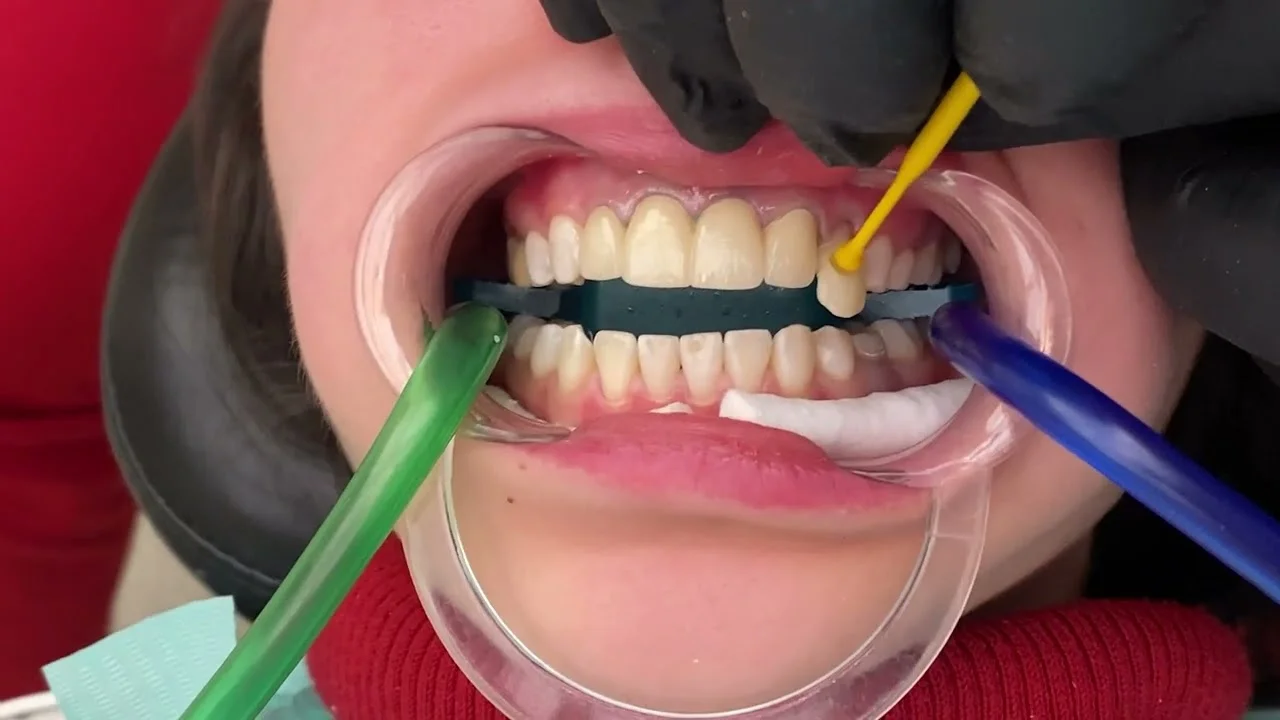
Stating a fixed flat fee for a smile makeover without an in-person diagnostic evaluation can be misleading. Laminate dental veneers occupy the premium tier of cosmetic dental treatments due to the extreme laboratory accuracy and specialized clinical skill required.
The primary metrics shaping laminate dental veneer cost frameworks include:
- Material Grade: Premium glass-ceramics (like E-Max or IPS Empress) requiring automated CAD/CAM production command a higher cost compared to hand-layered composite veneers created directly in the chair.
- The Number of Treatment Elements: The investment scales based on how many teeth fall within your dynamic smile line (typically spanning the front 6 to 10 teeth).
- Clinical Craftsmanship: Processing and bonding micro-thin porcelain shells require advanced master-level expertise, which guides clinical pricing structures.
Frequently Asked Questions
Will stain accumulation or yellowing occur after teeth whitening treatments or veneer placement?
Porcelain laminate dental veneers exhibit a completely glassy, non-porous surface texture. Consequently, deep chromogens from coffee, tea, red wine, or tobacco smoke cannot adhere to or penetrate the material, ensuring zero structural staining. Composite options, however, contain micro-pores and can gather light surface discoloration over the years.
Can laminate veneers easily fracture when eating hard nuts or fruits?
Before they are bonded, porcelain veneers are highly fragile; however, the moment they are fused to your natural enamel using specialized dental adhesives, they become structurally one with your tooth, gaining immense resistance against standard chewing forces. Nevertheless, habits that can fracture natural teeth—such as biting ice, chewing pens, or opening packaging with your front teeth—must be strictly avoided.
Who is not a suitable candidate for laminate dental veneers?
Veneers are not recommended for individuals dealing with severe, unmanaged nocturnal teeth grinding (bruxism), structural skeletal crossbites, or teeth that have lost their outer enamel layer due to extensive historical damage.
Will I experience sharp pain or tooth sensitivity after whitening or veneer placement?
Because the enamel reduction performed for laminate veneers is microscopic, post-operative nerve pain is not expected. It is normal to feel mild thermal sensitivity to hot or cold foods for the first few days following definitive bonding. This sensitivity completely subsides within a single week as the surrounding nerve endings adapt to the new material.
About the Author