


What Causes Gum Darkening? How to Treat Blackening and Bruising?
Don't put off your smile. Message us now to discuss your treatment options with our expert dentists.
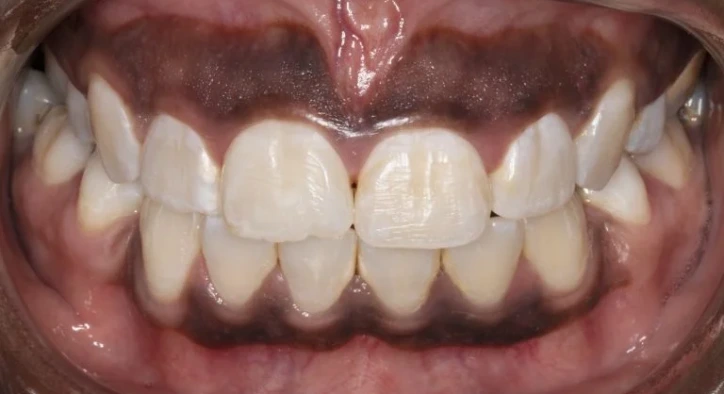
WhatsAppAchieving a flawless smile and a healthy oral framework depends heavily on the condition and appearance of your gums, alongside the brightness of your teeth. Ideal, healthy gums should display a clear, smooth pink hue, historically referred to in clinical dentistry as "coral pink." However, many patients notice brown, purple, grey, or black spots forming along certain zones or across the entirety of their gingival lines. This aesthetic concern, which occurs quite frequently in society and disturbs the patient from a visual standpoint, is defined medically as gingival hyperpigmentation. At our Avrupa Sağlık Diş clinics, we have compiled this comprehensive guide detailing the modern methods we implement to eliminate our patients' aesthetic worries and restore their healthy, pink gums.
Table of Content
Why Do Gums Turn Black?
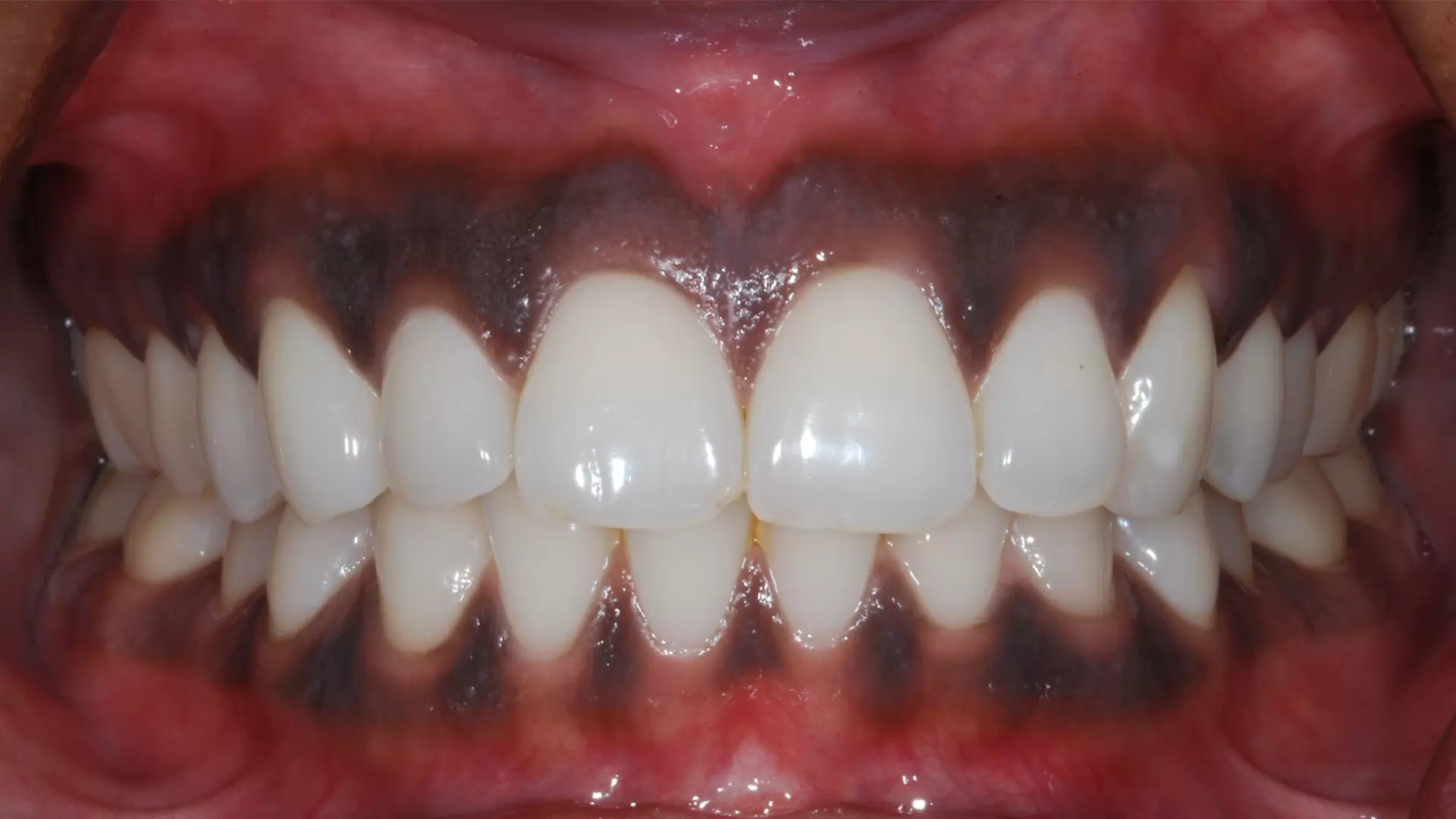
The structural darkening of natural pink gums stems from several unique biological and lifestyle dynamics. A patient’s daily habits and systemic medical background directly impact the reasons for dark gums. The primary biological and environmental factors explaining the question of why do gums turn black include:
- Systemic Overproduction of Melanin: Just like the melanin pigment that controls our skin tone, the oral mucosal tissues contain specialized melanin-producing cells. Due to genetic predispositions or ethnic backgrounds, these cells can work harder than normal, creating deep brown or black bands along the tissue.
- Heavy Smoking and Tobacco Use: Tobacco smoke contains high amounts of nicotine and toxic chemicals that directly stimulate oral melanocyte cells. As a defense mechanism, the biological tissue produces excess pigment, leading to a widespread dark brown or black gum discoloration.
- Amalgam Tattoos: When older silver amalgam fillings are placed or removed, microscopic metal particles can inadvertently settle underneath the soft gum tissue. Over time, these particles oxidize, leaving permanent blue, grey, or black localized stains embedded in the tissue that do not fade for years.
- Medication Interventions: Certain long-term prescription therapies, including specific antimalarial medications, select antibiotics, or heavy-metal-based supplements, can systematically darken oral mucosal linings.
- Systemic Medical Conditions: Although rare, acute changes in endocrine function, such as Addison’s Disease (adrenal insufficiency), can trigger a sudden spike in melanin production, leading to localized or widespread oral darkening.
How to Treat Gum Darkening?
Dark spots embedded deep within the gingival matrix cannot be removed through standard brushing, flossing, or over-the-counter mouthwashes, as the discoloration lives beneath the surface cell layers. So, how to treat gum darkening permanently? The definitive and most comfortable clinical solution in modern cosmetic dentistry is laser gum bleaching. Specialized dental lasers are focused precisely on the darkened zones by an oral surgeon.
The laser energy target effectively vaporizes the thin, hyper-pigmented outer epithelial layer while breaking down the structural melanin deposits underneath. The entire session is usually completed in a single appointment lasting only 15 to 20 minutes. As the treated tissue naturally regenerates, it reveals healthy, beautifully uniform coral-pink gums beneath.
Are There Purple Gums Home Remedies? Is a Solution at Home Possible?
Sometimes patients present with localized bruising around a specific tooth rather than widespread darkening. The clinical path to treating purple gums depends entirely on the root cause:
- Improper Crown Margins and Misfitted Prosthetics: If a traditional metal-porcelain crown exerts excessive physical pressure on the gingival margin, it cuts off localized capillary blood circulation, causing the tissue to turn purple. Furthermore, the metallic core can cast a dark grey shadow through thin gums. Finding a home remedy for this structural mechanical problem is impossible; the old crown must be removed and replaced with bio-compatible premium zirconium or E-Max porcelain.
- Localized Trauma and Bleeding: Sharp food punctures or physical impacts can cause minor internal pocket bleeding. Applying an external cold compress against your cheek for the first 24 hours restricts blood flow and helps the bruised tissue recover naturally.
How is Laser Gum Bleaching Performed?
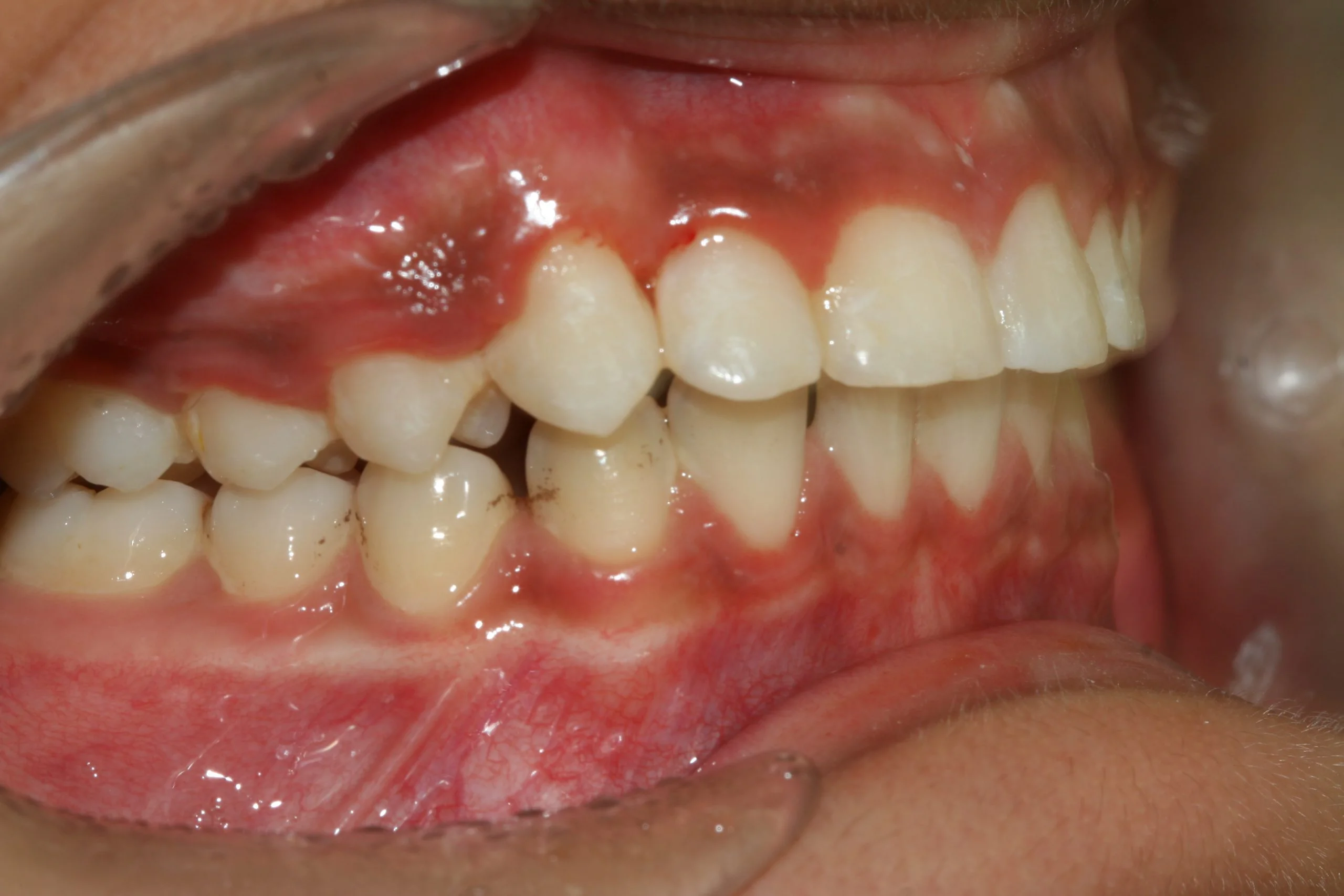
Executed inside our advanced surgical suites, our pink aesthetics protocol focuses completely on patient comfort through these steps:
- Local Anesthesia: A fast-acting topical numbing spray or a minor localized anesthetic block is applied to the target gum segments. This ensures the patient feels zero pain or sharp sensations during laser emissions.
- Precision Laser Settings: The dental laser wavelength is calibrated to match the depth of your hyperpigmentation. The dark cells absorb the light energy and dissolve cleanly. The process is entirely bloodless and requires zero surgical sutures.
- Tissue Smoothing and Completion: The treated tissue is gently conditioned, and the session is complete.
What to Expect and Maintain After a Laser Gum Treatment?
Following a laser depigmentation session, a thin, white protective biological membrane will naturally form over the treated gums. This layer acts as a sterile natural bandage created by your body to shield the regenerating tissue underneath, and it must never be rubbed or peeled off. Full recovery and the realization of your new coral-pink tissue tone take approximately 7 to 10 days. Patients face zero downtime and can return to their daily routines immediately following the appointment.
Frequently Asked Questions
Can dark gum spots return after completing a laser bleaching treatment?
Laser gum depigmentation yields exceptional long-term success with high structural stability. However, if a patient returns to heavy smoking or tobacco use post-treatment, the chronic chemical irritation will re-stimulate the melanocyte cells, potentially causing faint dark spots to reform over several years. Stopping smoking is vital to maintain permanent pink aesthetics.
Can a sudden dark spot on the gums indicate a serious condition like oral cancer?
In the vast majority of cases, dark markings are completely harmless, benign melanin deposits. However, if a dark spot appears suddenly, exhibits irregular borders, grows rapidly, or bleeds spontaneously, it must be evaluated. While rare, these can point to serious conditions like oral melanoma, making an expert clinical examination by a maxillofacial specialist highly important.
Can baking soda or home care acid rinses fix gum darkening?
Absolutely not. Applying aggressive home remedies like baking soda, lemon juice, or salt onto your gums alters the delicate chemical pH of your mouth. These abrasive and highly acidic substances can cause severe chemical burns on the oral mucosa, leading to irreversible gum recession and worsening the hyperpigmentation.
Can laser gum depigmentation be performed if I have a cold or feel fatigued?
If you have a mild cold without breathing complications, the laser treatment can be safely carried out since it is non-invasive and bloodless. However, if you are experiencing a high fever or severe body fatigue, it is best to reschedule for a few days later, as holding your mouth open during illness can decrease procedural comfort.
About the Author