


What Is Teeth Whitening, How Is It Done?
Don't put off your smile. Message us now to discuss your treatment options with our expert dentists.
WhatsAppA healthy, clean, and bright smile is one of the clearest expressions of aesthetic appearance and personal self-confidence in modern social life. As the first point of attention on the face during daily communication, teeth can lose their brilliance over time. Even if you maintain regular brushing habits, the foods you consume and the aging factor can shadow the natural whiteness of your teeth. Today, teeth whitening applications, one of the most popular solutions in cosmetic dentistry, can eliminate these aesthetic concerns in a short time.
At Avrupa Sağlık Diş, we believe that aesthetic transformations must always remain within the boundaries of medical safety. Many alternative products marketed uncontrollably on the internet to brighten tooth color can cause irreversible erosion of the tooth enamel. Achieving a proper and lasting whiteness is only possible through scientific approaches that preserve the tooth structure and sessions planned under the supervision of a dentist.
Table of Content
What Is Teeth Whitening?
The clinical answer to the frequently encountered question of what is teeth whitening is quite clear. It is the process of eliminating discolorations formed in the enamel and dentin layers of the teeth using chemical agents containing carbamide peroxide or hydrogen peroxide. These gels seep into the porous structure of the tooth enamel to break down large pigment molecules causing the color change, thereby opening the tooth's own natural shade.
This procedure is fundamentally different from standard scaling (detertraj) treatments that remove surface stains. While surface cleaning returns the teeth back to their existing color, the whitening process carries the genetically determined base color tone of the tooth to lighter levels. Consequently, the brightest version your teeth can achieve within their own boundaries can be revealed through this method.
Why Do Teeth Turn Yellow?
Behind the loss of dental whiteness over time lie both mechanical external factors and biological internal processes. Analyzing these causes correctly makes it easier to select the right approach among the best teeth whitening pathways.
Extrinsic discolorations are primarily driven by the heavy consumption of tea, coffee, tomato-paste-heavy foods, red wine, and tobacco products. The intense pigments within these substances cling to the pores of the tooth enamel over time, causing permanent yellowing.
Intrinsic discolorations, on the other hand, can stem from certain antibiotics used during childhood, excessive fluoride consumption, or the thinning of the tooth enamel due to aging, which makes the darker underlying dentin layer more prominent. Additionally, devitalized teeth that have undergone root canal treatment can also exhibit graying over time.
What Are the Teeth Whitening Methods?
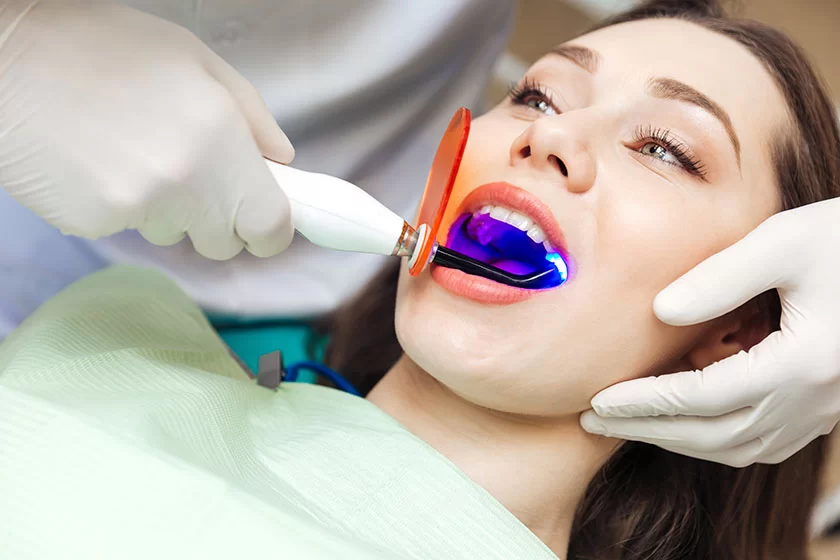
Thanks to developing dental technologies, different teeth whitening methods have been created to easily adapt to patients' lifestyles and oral structures. Following a dental examination, the most comfortable system for you can be selected.
Office-Type Whitening (In a Clinical Environment)
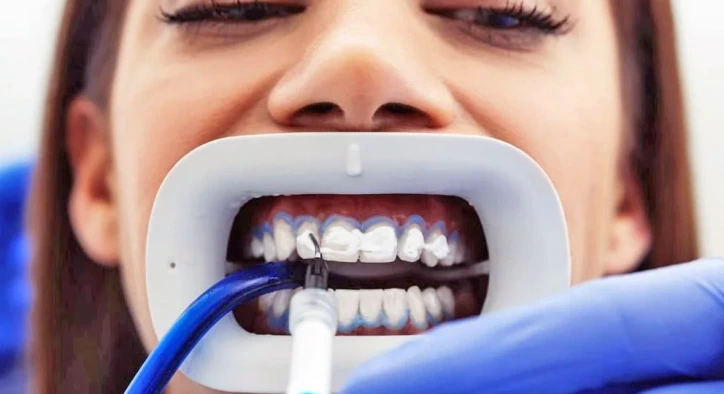
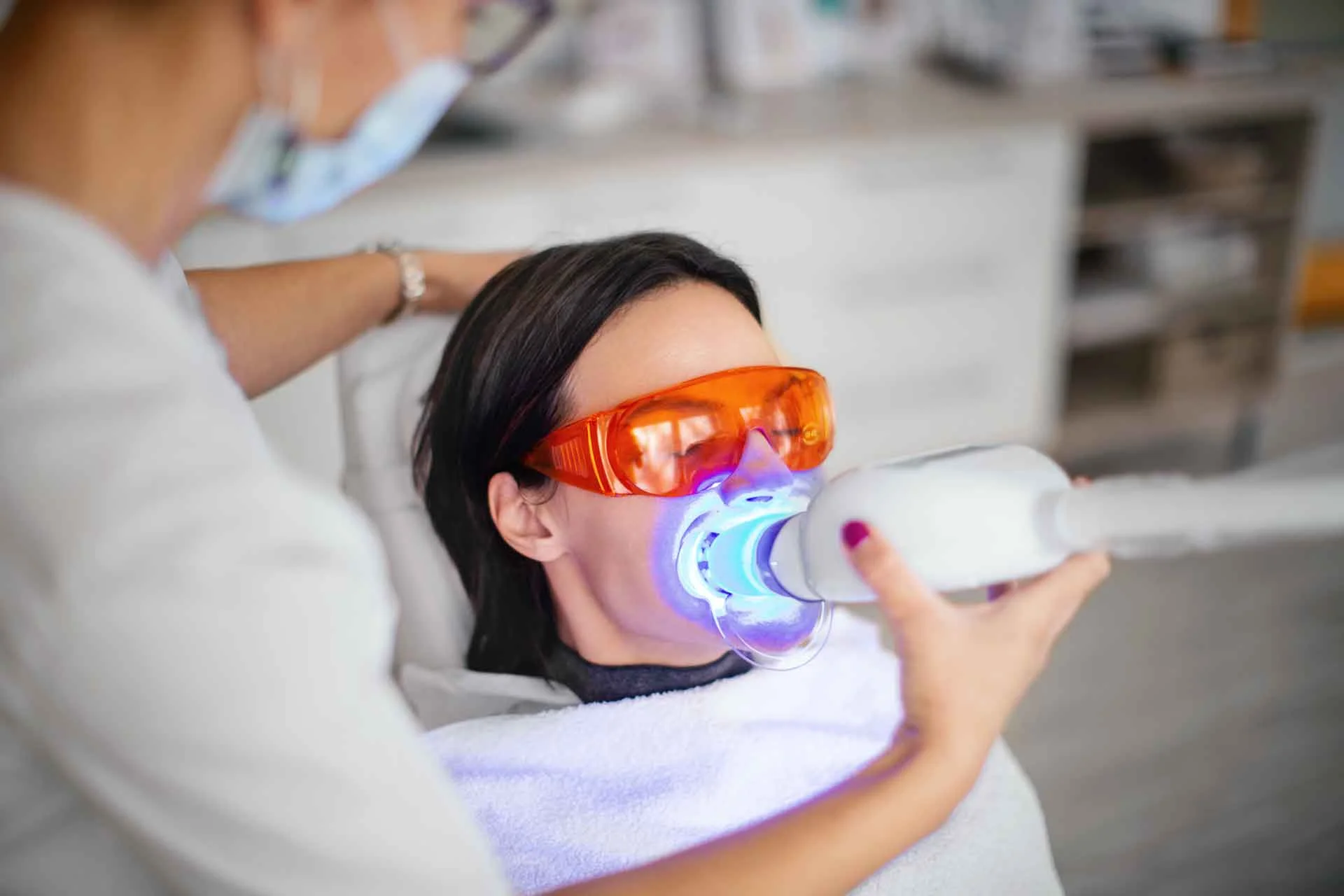
Applied directly by a dentist in the clinic room, office-type teeth whitening is the fastest and most effective method yielding immediate results. In this procedure, a special light-cured barrier is applied to protect the gums. Then, a high-concentration whitening gel is applied to the tooth surfaces. A specialized dental whitening device or laser light source is utilized to increase the gel's effectiveness and accelerate the process. At the end of this laser teeth whitening session, which takes about an hour, the color of the teeth brightens immediately.
Home-Type Whitening (Tray-Supported)
For those who prefer to advance the process in the comfort of home rather than a clinic, the home-type teeth whitening alternative is provided. The dentist takes a precise impression of the patient's mouth to prepare custom clear trays. The patient applies lower-concentration whitening gels delivered to them inside these trays and wears them on their teeth at hours determined by the dentist (usually 4–6 hours a day or during night sleep). This process can continue for an average of 1 to 2 weeks depending on the oral structure.
How Is Teeth Whitening Done?
When starting treatment, patients wonder most about how teeth whitening is performed. The process moves forward in a completely painless and planned sequence.
First, tartar and coffee stains on the tooth surface are cleaned to ensure that the enamel comes into direct contact with the gel. After placing an apparatus that retracts the lips and cheeks, a protective gel is applied along the entire gum line and cured with light so the gums are not harmed. Then, the whitening gel is applied to the teeth, and the laser device is operated at specific intervals to activate the gel. When the session finishes, the teeth are washed, and the immediate shade change is checked together with the patient using a color shade guide.
Unlike products like teeth whitening powders sold frequently on the internet that claim to whiten by abrading the enamel, clinical processes do not harm the structure of the tooth. Many patients harbor anxieties regarding whether teeth whitening is harmful; however, it has been scientifically proven that approved gels used under expert control cause no permanent damage to the enamel layer.
How Are Teeth Whitening Prices Determined?
During the budget planning phase of the treatment, the cost of the procedure is among the topics most researched by patients. Instead of a fixed cost, several fundamental factors shape the pricing.
Whether the applied method will be office-type only, or whether it will be combined with home-type trays to increase permanence, is directly decisive on teeth whitening prices. In some resistant discolorations, a single session in the clinic might not be enough and a second appointment may be required, which affects the cost. In addition, taking the baseline price tariffs published annually by the Turkish Dental Association (TDB) as a reference, permanent dental whitening prices are shaped individually based on the quality of the imported gels and devices used in the clinic.
|
Method Type |
Application Location |
Average Duration |
Mechanism of Action |
|
Office-Type (Laser) |
Dental Clinic Room |
45 - 60 Minutes |
High-concentration gel and laser device activation. |
|
Home-Type (With Trays) |
Home Environment |
1 - 2 Weeks |
Custom tray and low-concentration home gels. |
|
Internal (For Root-Canal Treated Teeth) |
Dental Clinic Room |
2 - 3 Days (Between sessions) |
Internal bleaching performed by placing gel inside the tooth. |
What Should Be Considered After Teeth Whitening?
The long-term durability of the bright shade obtained after the procedure is strictly tied to the patient's care discipline during the first days. For the first 48 hours following the whitening, the pores in the tooth enamel are in their most open and vulnerable position against external factors.
During this period, the rules of the "white diet" requested strictly by dentists must be followed. For the first week, foods containing intense color pigments such as coffee, tea, cola, dishes with tomato paste, soy sauce, curry, and cherry juice must absolutely be avoided.
The use of tobacco products during this timeframe can cause teeth to quickly return to their old color, or even turn into a darker shade. Additionally, paying attention to the brushing routine and avoiding excessively cold or hot drinks for the first few days will extend the lifespan of your new smile.
FAQ: Frequently Asked Questions
How long does sensitivity last after teeth whitening?
Due to the temporary dehydration of the teeth during the procedure, it is normal to experience mild aches or hot-cold sensitivity for the first 24 to 48 hours. This situation completely disappears on its own within a few days, thanks to the tooth rehydrating itself and special fluoride gels applied by the dentist.
How long do teeth stay white after teeth whitening?
The permanence duration of the obtained whiteness depends entirely on the person's nutrition and oral care habits. If the consumption of tea, coffee, and cigarettes is kept to a minimum after the procedure and good oral hygiene is maintained, the whiteness of the teeth can be permanently preserved for an average of 1 to 2 years.
What is the most effective teeth whitening method?
According to our clinical experience, the most effective and permanent result is achieved through the combined whitening method, where a single-session office-type laser whitening done in the clinic is supported at home with custom trays for a few days.
About the Author