


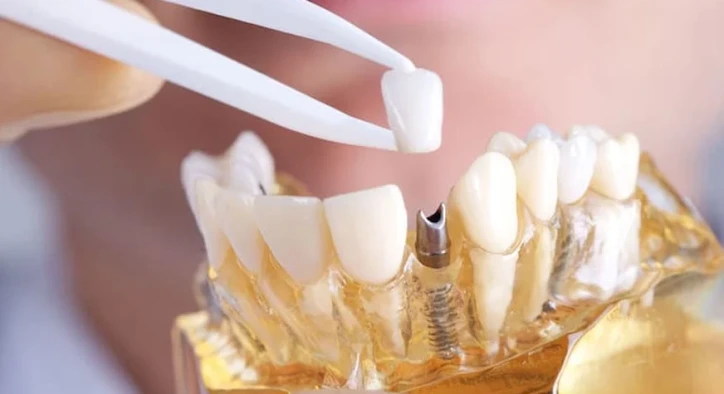
What Factors Determine Dental Implant Prices?
Don't put off your smile. Message us now to discuss your treatment options with our expert dentists.
WhatsAppIn modern dentistry, the most permanent method with the highest biocompatibility developed to replace missing teeth is dental implant treatment. However, patients who need this treatment are often curious about the answers to questions such as "How much does an implant cost?" or "What is the current level of implant prices?"
In accordance with Ministry of Health regulations, it is forbidden for healthcare institutions to publish a direct price list on their websites. More importantly, a standard, one-size-fits-all cost calculation in medicine and dentistry does not align with clinical realities.
As Avrupa Sağlık Diş, our priority is for our patients to transparently know which criteria they will encounter while making a budget planning. Whether an implant stays safely in your mouth for a lifetime depends on meeting the right criteria with the right budget.
Table of Content
Why Do Implant Prices Vary from Person to Person?
Many patients wonder about the reason for this situation, stating that people from the same family or their social circles receive treatment at very different rates. When it comes to dental implant prices, it should not be forgotten that each oral structure has its own unique biological environment. Even a single missing tooth in the same area for two different patients may require completely different surgical approaches.
For example, while the jawbone volume of a patient who has recently lost a tooth is highly sufficient for implant placement, serious bone resorption may have occurred in another patient who had a tooth extraction years ago. While only a standard surgical procedure is applied to the first patient, the second patient may require additional operations aimed at increasing bone volume. This situation directly changes the craftsmanship, the variety of materials used, and therefore the balance on the final implant cost item.
5 Basic Criteria Determining the Implant Cost
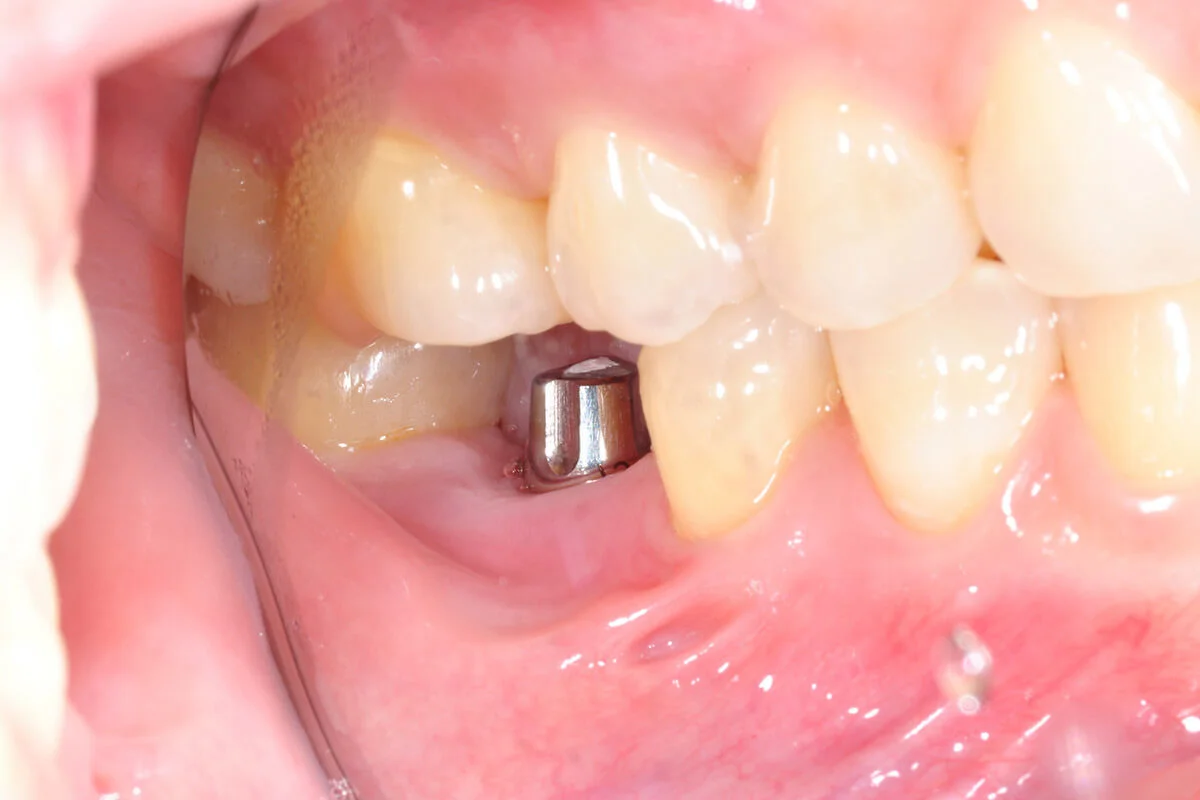
The budget for dental implant treatment does not consist merely of the cost of a screw. Treatment planning involves an engineering and aesthetic architectural process from start to finish. We can group the elements that directly shape the cost table as follows:
1. Brand and Origin of the Implant Used
There are hundreds of different dental implant manufacturers worldwide. The pricing policies of these brands vary according to the investments they make in R&D studies, the purity level of titanium, and their surface characteristics. There are two basic categories in the sector: domestic implant brands and imported implant brands.
Domestic implants offer more economical budgets thanks to the absence of logistics and customs costs. Imported implants of Swiss, German, or American origin, on the other hand, are located in a higher segment due to advantages such as decades of clinical follow-up history, worldwide spare parts availability, and a lifetime warranty. The preferred implant brands and their specific rates form the main framework of the treatment budget.
2. Condition of the Jawbone
The success of the implant depends on the complete integration of the titanium screw with the jawbone (osseointegration). If your jawbone is not thick and high enough to grip the implant, the area must be supported using artificial bone grafts (bone powder) and barrier membranes.
In missing teeth in the upper jaw posterior region, an additional surgical operation called "Sinus Lifting" may be required in order to lift the sagging sinus cavities upward. These types of biological preparations are elements that cause an increase in dental implant prices due to the additional materials and surgical expertise used.
3. Type of Coating to be Made on the Implant
Implant treatment consists of two stages: the root part (screw) remaining inside the bone and the superstructure (prosthesis) visible inside the mouth providing chewing. Not only the quality of the titanium screw but also the material of the crown structure to be made on it affects the cost.
On back teeth, more economical solutions can be produced by generally preferring high-durability metal-supported porcelain crowns. However, in missing teeth with high aesthetic expectations in the front region, zirconium or full porcelain (E-max) coatings that offer the closest light transmittance to natural teeth are preferred. These aesthetic preferences are among the factors that directly alter the budget.
4. Expertise of the Clinician and Clinical Technology
The academic title, expertise in jaw surgery or periodontology, and clinical experience of the dentist who will perform the surgical operation directly affect the success of the treatment. Working with an expert team minimizes the risk of complications.
In addition, the technological infrastructure owned by the clinic is also important. Modern technologies of 2026, such as three-dimensional jaw tomographies, digital intraoral scanners, and digital surgical guides that reduce the margin of error to zero during the operation, increase treatment comfort while they can also affect clinical costs to a certain extent.
5. Number of Missing Teeth and the Technique to be Applied
The degree of deficiency in the mouth determines how many implants will be placed. There are price differences between single dental implant prices and full-mouth 32-unit implant rates.
It is not necessary to place a separate screw for each tooth to make fixed teeth for a patient who has no teeth at all. Instead, by using special techniques such as "All-on-4" or "All-on-6", 4 or 6 strategic implants are placed in a single jaw, and a hybrid prosthesis is fixed on top of them.
Beware of Hidden Costs: Are Implant Prices All-Inclusive?
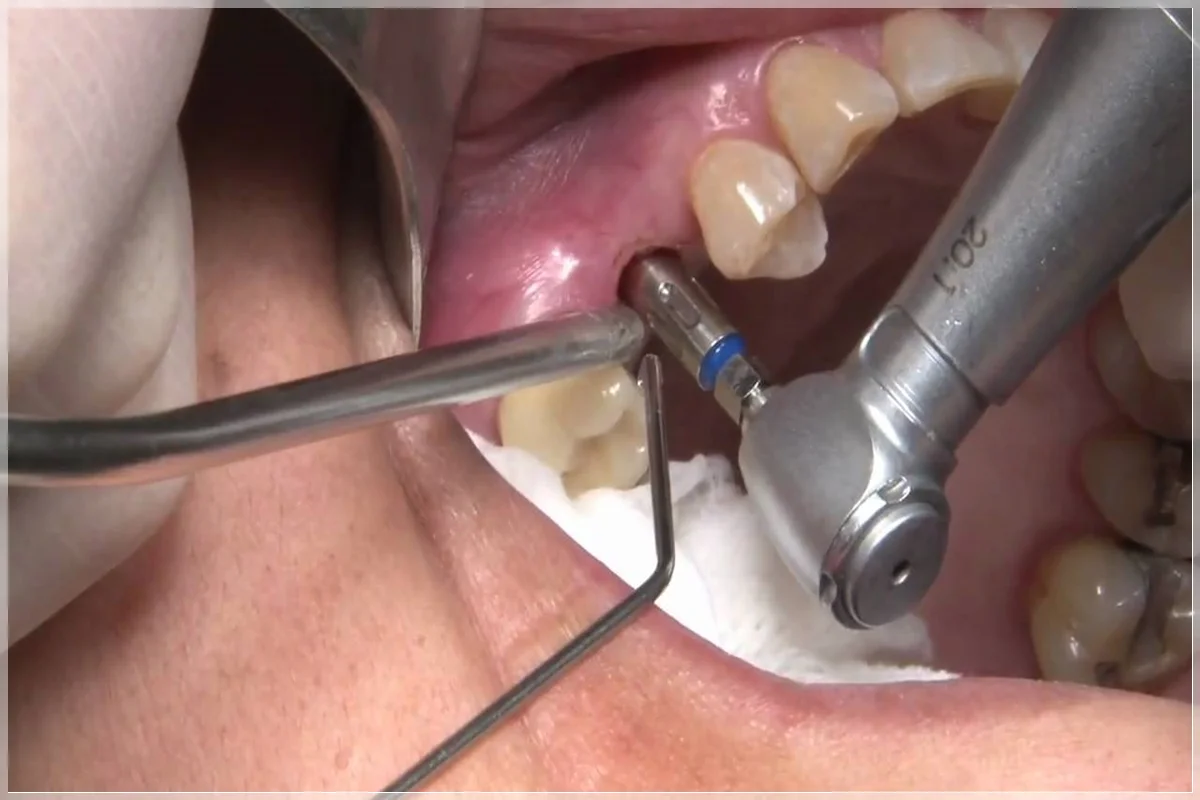
Some very low-priced advertisements encountered on the internet or in commercials can be misleading for patients. Within the framework of ethical rules in dentistry, an "all-inclusive" approach must be displayed when budgeting for treatment. However, in some attractive advertisements, only the price of the titanium screw is written, while mandatory stages such as the abutment (connector piece), impression fee, temporary tooth, or permanent coating are excluded from the price.
It is impossible for an implant to function without a coating attached to it. For this reason, while doing price research, you should definitely question whether the offer presented to you includes the following components:
- Implant screw (Surgical stage)
- Abutment (The intermediate piece connecting the implant and the tooth)
- Temporary prosthesis (So that you do not remain toothless during the healing process)
- Permanent superstructure coating (Zirconium or porcelain crown)
|
Treatment Stage |
Material / Procedure Included |
Degree of Effect on Price |
|
Surgical Stage |
Titanium Screw, Sterilization, Surgical Guide |
High (Depends on brand origin) |
|
Infrastructure Prep |
Bone Powder (Graft), Sinus Lifting Operation |
Variable (Only if needed) |
|
Prosthesis Stage |
Abutment Piece, Zirconium or Porcelain Crown |
Medium - High (According to aesthetic choice) |
|
Temporary Process |
Temporary Teeth for the Healing Period |
Low |
FAQ: Frequently Asked Questions
Is the most expensive implant the best implant?
It cannot always be said that the highest-priced product is the most right one for you. What matters rather than the price of the implant is that it has globally recognized clinical success stories, is supported by an established manufacturer, and offers bone-surface compatibility suitable for your intraoral structure.
Is the price of same-day (Immediate) implants higher?
Placing the implant within the same session on the day the tooth extraction is performed (Immediate Implant) may require specially designed threaded implants and digital surgical guide technologies. Since this situation increases surgical comfort and shortens the total treatment time by months, it can create differences in the budget compared to standard procedures.
Does insurance cover dental implants?
State-supported social security systems do not cover routine cosmetic and dental implant treatments in private clinics. However, in official university or state hospitals, a limited support can be offered in certain very specific syndromic or maxillofacial trauma cases, provided that a medical board report is obtained.
About the Author