


Deep Bite Definition and How It Is Treated
Don't put off your smile. Message us now to discuss your treatment options with our expert dentists.
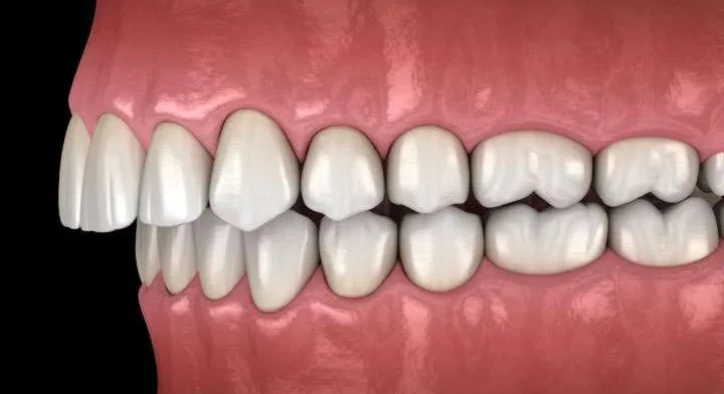
WhatsAppDeep Bite, in dentistry, is considered one of the most significant occlusal (bite-related) conditions affecting both function and aesthetics. Deep Bite refers to a situation where the upper front teeth excessively overlap the lower front teeth. This condition may influence chewing efficiency, jaw harmony, and even facial appearance over time.
İçindekiler
- What Is Deep Bite and Its Clinical Meaning
- Signs and Clinical Observations of Deep Bite
- Causes and Biomechanical Factors Behind Deep Bite
- Diagnostic Process and Evaluation Methods for Deep Bite
- Treatment Approaches for Deep Bite
- Deep Bite and Its Impact on Daily Life
- Common Misconceptions and Clinical Reality of Deep Bite
What Is Deep Bite and Its Clinical Meaning
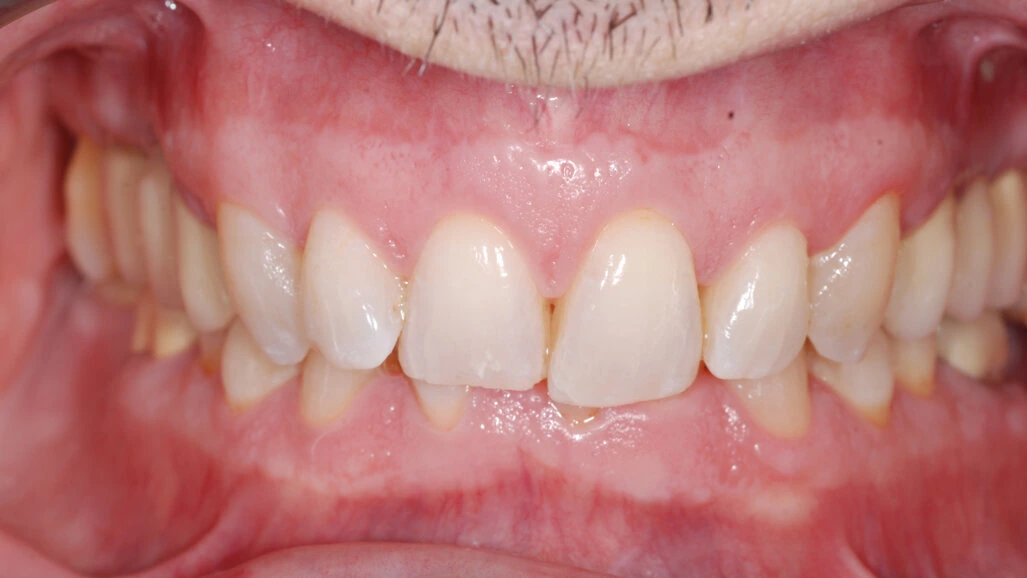
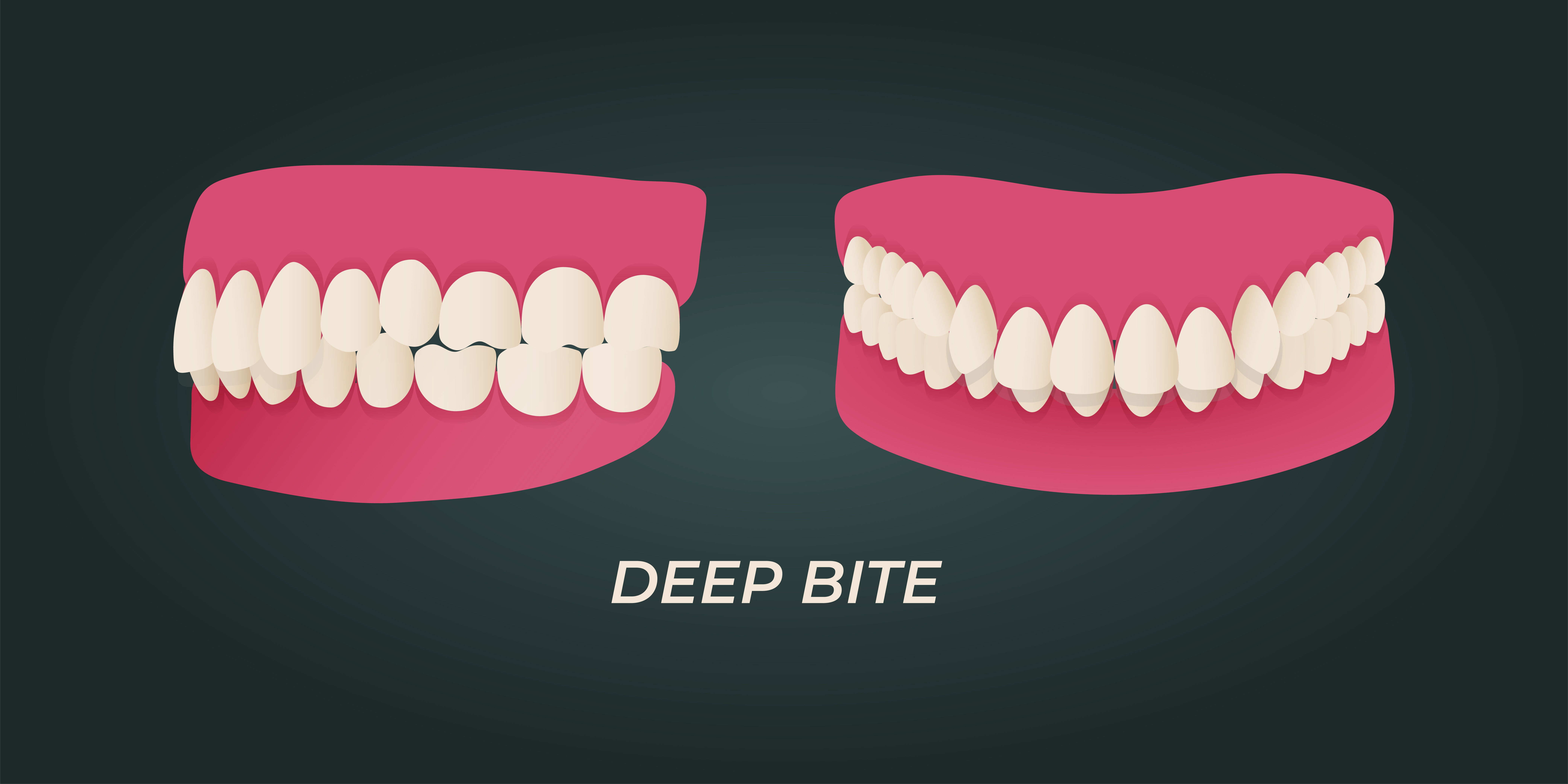
Deep Bite is a vertical overlap condition where the upper incisors cover a larger-than-normal portion of the lower incisors when the jaw is closed. In many clinical cases, this is not just a cosmetic alignment issue but a functional imbalance of the bite system.
From an orthodontic perspective, Deep Bite is evaluated as part of overall occlusion harmony. It can vary from mild to severe forms, depending on how much the upper teeth overlap the lower teeth. Each case reflects a different interaction between teeth position, jaw growth, and muscle activity.
Some individuals remain unaware of this condition until it is identified during a routine dental examination. In other cases, patients may notice subtle changes in bite feel or tooth contact patterns over time.
More anatomical references can be found through American Dental Association resources.
Signs and Clinical Observations of Deep Bite
Deep Bite can present with several observable clinical features. One of the most common signs is excessive vertical overlap of the front teeth. In more pronounced cases, the lower teeth may become barely visible when smiling or biting down.
Below is a simplified overview of commonly observed indicators:
|
Clinical Observation |
Description |
|
Increased overbite |
Upper teeth cover lower teeth excessively |
|
Tooth wear patterns |
Flattening or abrasion on front teeth surfaces |
|
Jaw muscle fatigue |
Discomfort during prolonged chewing |
|
Smile imbalance |
Altered aesthetic tooth display |
In clinical practice, Deep Bite may affect both appearance and functional efficiency. However, its severity and impact vary widely between individuals.
This variability makes it an interesting condition in orthodontic diagnostics, as two patients with similar dental alignment may experience completely different functional outcomes.
Causes and Biomechanical Factors Behind Deep Bite
The development of Deep Bite is usually multifactorial. Genetic predisposition plays a major role, especially in jaw growth patterns and tooth eruption pathways. In some individuals, vertical jaw development may naturally favor deeper bite formation.
Another contributing factor is the eruption pattern of posterior and anterior teeth. When these patterns are not balanced, Deep Bite may gradually become more pronounced during growth stages.
From a biomechanical perspective, chewing forces also play a role. Uneven distribution of occlusal pressure can slowly influence tooth positioning over time, reinforcing the condition.
In many cases, Deep Bite is not caused by a single factor but rather a combination of skeletal, dental, and functional elements working together.
Diagnostic Process and Evaluation Methods for Deep Bite
The diagnosis of Deep Bite is typically based on a combination of clinical examination and radiographic analysis. Dentists evaluate how the upper and lower teeth interact during rest and function.
Common diagnostic steps include:
- Intraoral clinical examination
- Panoramic radiographic assessment
- Occlusal relationship analysis
- Digital scanning and 3D modeling
During this process, the severity of Deep Bite is classified, often as mild, moderate, or severe. This classification helps determine the most appropriate clinical approach.
The collected data provides a foundation for personalized treatment planning. Each patient’s bite dynamics are unique, so diagnostic precision is essential.
Treatment Approaches for Deep Bite
Management of Deep Bite depends on the severity of the condition and the patient’s age. In most cases, orthodontic treatment is the primary approach, focusing on repositioning teeth and balancing occlusion.
Treatment options may include:
- Orthodontic appliances to guide tooth movement
- Bite plates or functional devices
- Restorative adjustments when necessary
In more complex situations, Deep Bite may require combined approaches that address both dental alignment and jaw positioning. This makes individualized treatment planning essential.
Modern digital orthodontic technologies have significantly improved treatment predictability. As a result, outcomes for Deep Bite cases are now more controlled and measurable than ever before.
Deep Bite and Its Impact on Daily Life
Deep Bite is not only a clinical condition but also something that can subtly influence daily life. Eating habits, speech patterns, and even jaw comfort may be affected in certain individuals.
Some patients report muscle fatigue in the jaw area, especially after long periods of chewing. Others may not notice any functional limitations at all, which shows how variable this condition can be.
Aesthetic perception also plays a role. Changes in smile appearance may influence self-awareness and social confidence, depending on the individual’s sensitivity to dental aesthetics.
Overall, Deep Bite represents a condition where function and appearance intersect in a very personal way.
Common Misconceptions and Clinical Reality of Deep Bite
There are several misconceptions about Deep Bite. One of the most common is the belief that it is purely an aesthetic issue. In reality, it involves both functional and structural components of the dental system.
Another misconception is that Deep Bite only occurs in adults. In fact, it often begins during developmental stages and may evolve over time depending on growth patterns and dental eruption.
Clinical reality shows that Deep Bite is highly individualized. No two cases are identical, which is why standardized treatment approaches are rarely sufficient on their own.
Understanding this complexity helps explain why dental professionals carefully evaluate each case before deciding on a treatment strategy.
Deep Bite is a complex occlusal condition that reflects the interaction between teeth, jaws, and muscular function. It should not be viewed solely as an aesthetic concern, but rather as a multi-layered dental relationship that requires careful evaluation.
At Avrupa Sağlık Diş, the focus is on understanding such conditions in a structured and informative way, helping patients and readers gain clarity about dental health concepts without oversimplification.
About the Author