


What is Ceramic Dental Coating? How is it Performed?
Don't put off your smile. Message us now to discuss your treatment options with our expert dentists.
WhatsAppSmile aesthetics play a decisive role in an individual's self-confidence and social relationships. Over time, discolouration, form deformities, or wear on the teeth can prevent a person from smiling. Although modern dentistry offers many solutions to these problems, very few materials can provide naturalness and durability at the same time. Ceramic dental coating stands out as one of the most successful restoration methods capable of establishing this balance.
Unlike traditional methods, these systems do not contain metal reflections and are tissue-friendly, forming the foundation of a healthy oral structure. In this article, you can find all the details you are curious about, from the processes of ceramic coating teeth to pricing.
Table of Content
- What is Ceramic Dental Coating? Who is it Suitable For?
- Difference from Metal-Supported Coatings: Why Full Ceramic?
- Types of Ceramic Dental Coating
- Step-by-Step: How is Ceramic Dental Coating Performed?
- Advantages of Ceramic Dental Coating
- How Long is the Lifespan of Ceramic Dental Coating?
- Ceramic Dental Coating Prices 2026
- Frequently Asked Questions (FAQ)
What is Ceramic Dental Coating? Who is it Suitable For?
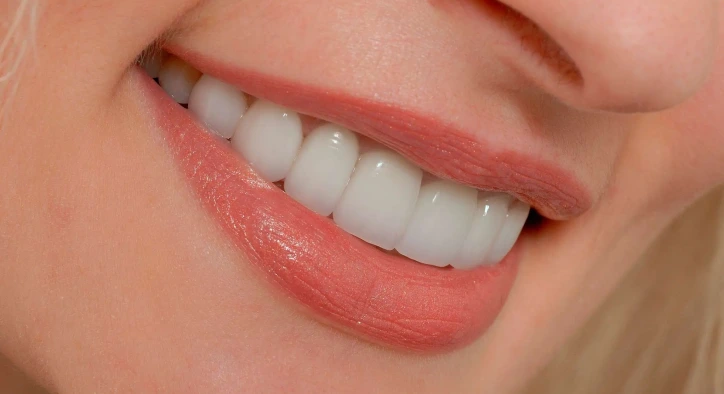
What is ceramic dental coating, which is also frequently referred to as porcelain coating in the literature? This application is the process of placing specially prepared ceramic shells onto the tooth after the circumference of the tooth has been abraded by a certain amount. Unlike metal-supported porcelains, entirely ceramic or reinforced glass-ceramic blocks are used in the infrastructure of these coatings.
So, who is this application ideal for?
- Those with deep stains (fluorosis or antibiotic stains) on their teeth that do not disappear with whitening,
- Individuals with shape deformities or fractures in their front teeth,
- People with gaps between their teeth known as "diastema,"
- Patients who have an allergy to metal or do not want bruising/greying on their gums,
- Those who want to replace old coatings that were made previously and are not aesthetically satisfying.
Difference from Metal-Supported Coatings: Why Full Ceramic?
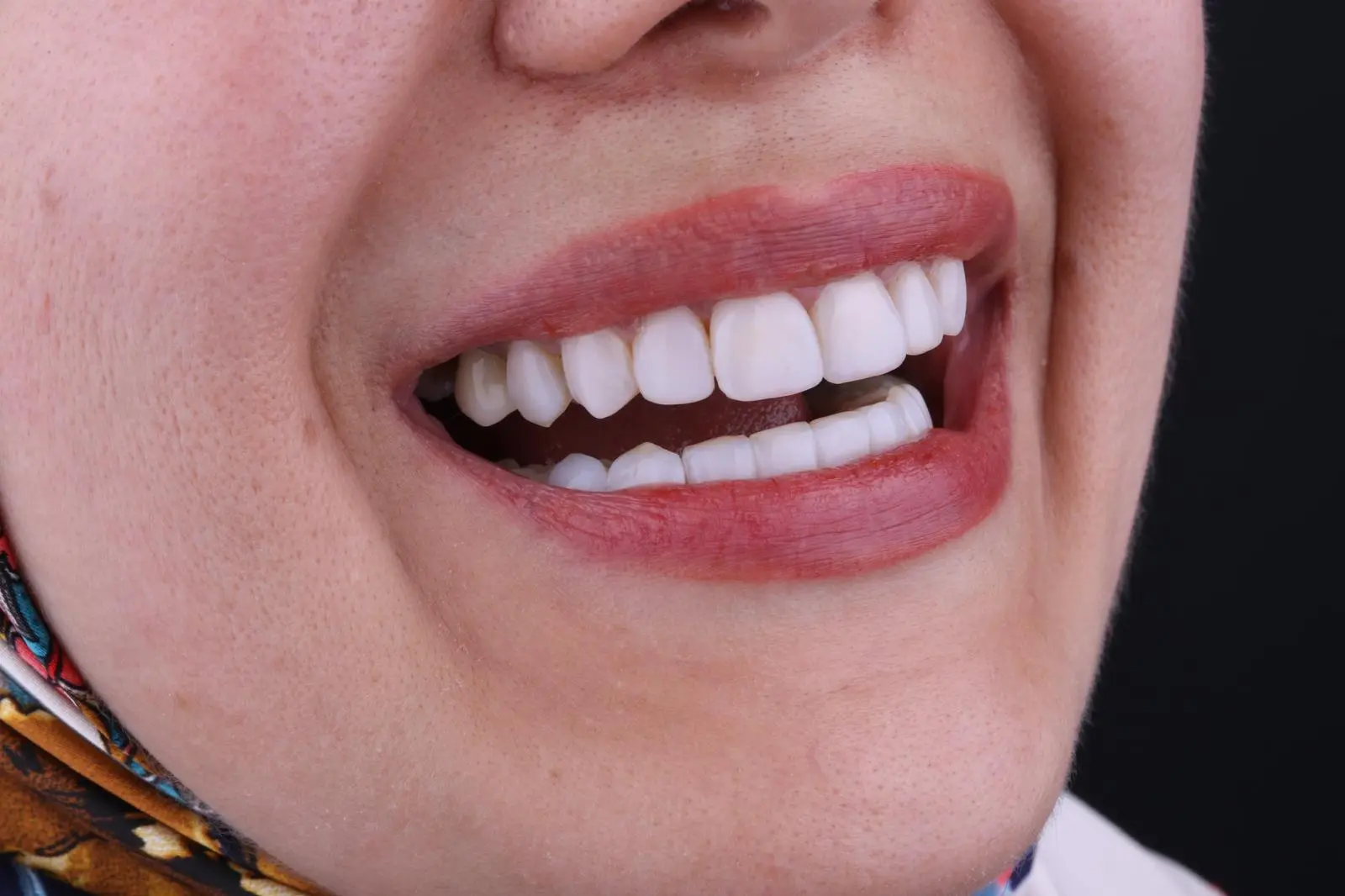
In old-style coatings, a metal infrastructure was placed under the porcelain to provide durability. However, this situation brought two major problems: loss of aesthetics and gum incompatibility. Because metal does not transmit light, the teeth appeared dull and in a matte "paper white" shade. Furthermore, when gum recession occurred over time, a dark grey line would form at the neck of the tooth.
Full ceramic dental coating technology solves these problems at the root. Since it does not contain metal, its light transmittance is exactly the same as a natural tooth. This ensures that the coating does not say "I am here," even under different light angles. Its biocompatible structure allows the gums to accept the coating like their own tissue, thus eliminating the risk of bruising or allergic reactions.
Types of Ceramic Dental Coating
Different options are available depending on the content of the ceramic used and the production technology. Your dentist can determine the most suitable material based on the position of your tooth and the chewing load.
E-Max coatings, the most popular member of the glass-ceramic dental coating class, is produced from lithium disilicate blocks. It is indispensable for the front tooth areas where aesthetic expectations are highest. Despite its thin structure, it is quite durable, and its ability to mimic the enamel layer is unrivaled.
Zirconium-supported ceramics If the area to be coated is an area exposed to high chewing pressure, such as the back teeth, zirconium-based ceramics may be preferred. In this system, the infrastructure consists of zirconium, which is a white metal, and the superstructure consists of aesthetic porcelain. It offers both strength and visuality together.
Laminate (veneer) vs. full ceramic Many patients wonder about the difference between laminate (veneer) vs. full ceramic. Laminates are leaf porcelains bonded only to the front surface of the tooth and require minimum abrasion. Full ceramic (crown), however, surrounds the entire circumference of the tooth. If there is a lot of substance loss in the tooth or if structural support is required, crown ceramic dental coating is the safest way.
Step-by-Step: How is Ceramic Dental Coating Performed?
Although patients generally have anxiety regarding the cutting of teeth, the answer to the question of how ceramic dental coating is performed is quite comfortable with modern techniques.
- Examination and Planning: In the first stage, the patient's oral structure is examined, and a smile design is made through digital photographs.
- Preparation: The teeth are abraded by the thickness of the coating (approximately 0.5 - 1.5 mm). Since this procedure is performed under local anesthesia, no pain is felt.
- Digital Impression: An intraoral impression is taken using traditional impression trays or intraoral scanners.
- Temporary Coatings: Temporary coatings are fitted so that the patient can continue their social life while the permanent teeth are being prepared.
- Rehearsals and Bonding: The prepared sets of ceramic coating teeth are fixed to the tooth with special adhesives (cements) after color and form approval is obtained from the patient.
Advantages of Ceramic Dental Coating
Why specifically full ceramic instead of zirconium or porcelain? Let's embody the answer in points:
- No Risk of Allergy: It is the safest option for individuals with metal allergies.
- Naturalness: It gives the highest aesthetic results compared to all other materials.
- Color Stability: Thanks to its smooth surface structure, it does not change color with the use of tea, coffee, or cigarettes.
- Tissue Friendly: It minimizes gum recession and does not cause bad breath.
- Low Sensitivity: Since its thermal conductivity is close to the natural tooth, hot-cold sensitivity is much lower than in metal-supported ones.
How Long is the Lifespan of Ceramic Dental Coating?
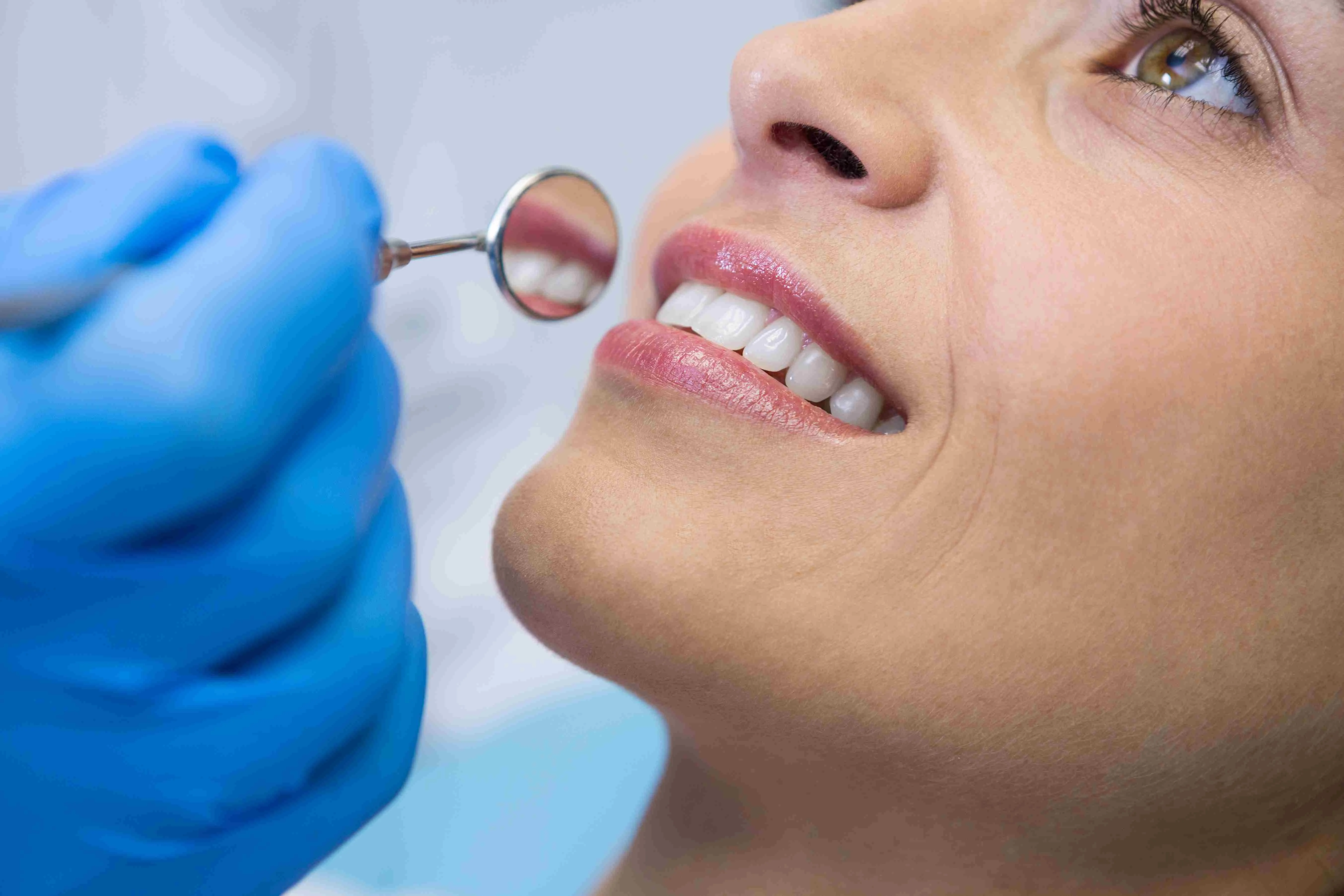
Another issue our patients are most curious about is how long is the lifespan of ceramic dental coating? With correct oral care and regular check-ups, it is possible to use these coatings for 10-15 years, or even much longer, without problems. The ceramic itself is very resistant to wear and color change; however, the main factor determining the life of the coating is the health of the natural tooth underneath and the gums surrounding it.
If you grind your teeth or have a habit of breaking hard objects with your teeth, your dentist may recommend the use of a night guard. Remember that a force that can break your own tooth can also damage the ceramic dental coating.
Ceramic Dental Coating Prices 2026
The issue of pricing varies according to the scope of the treatment. Ceramic dental coating prices as of 2026 are determined according to the brand of the material used (E-max, Ivoclar, etc.), the number of teeth to be treated, and the technological equipment of the clinic. Full ceramic dental coating prices are slightly higher than metal-supported ones; however, the aesthetic comfort and biological harmony it offers more than compensate for this cost difference.
Furthermore, in some cases, choosing completely metal-independent systems instead of chrome ceramic coating teeth just for aesthetic touches is actually a more economical choice as it will reduce the need for revision (renewal) in the long run. For a clear cost table, a radiological examination and a physician's physical examination are essential.
|
Feature |
Metal-Supported Porcelain |
Zirconium Coating |
Full Ceramic (E-Max) |
|
Aesthetic Level |
Medium |
High |
Very High |
|
Light Transmittance |
None |
Medium/High |
Excellent |
|
Durability |
Very High |
Very High |
High |
|
Biocompatibility |
Low/Medium |
Very High |
Very High |
|
Front Tooth Suitability |
Not Recommended |
Suitable |
Most Ideal Option |
Frequently Asked Questions (FAQ)
How long is the lifespan of ceramic dental coating?
With good oral hygiene and regular dentist check-ups, ceramic coatings preserve their function and aesthetics for an average of 10-15 years.
Does ceramic dental coating turn yellow?
No, ceramic has a non-porous structure. For this reason, it is not affected by external factors such as tea, coffee, and cigarettes, and preserves its original color for years.
Can a single tooth ceramic coating be done?
Yes, the color-matching ability of ceramic is very high. Since full harmony with the color of the neighboring teeth can be achieved, it cannot be distinguished from other teeth even when the coating is applied to only a single tooth.
Does ceramic dental coating break?
It is quite durable against normal chewing forces. However, trauma, accidents or breaking very hard-shelled foods like walnuts with the tooth can cause the coating to crack or break.
About the Author