



What is Good for Toothache? Temporary Home Remedies and Definitive Treatments
Don't put off your smile. Message us now to discuss your treatment options with our expert dentists.
WhatsAppKnowing what is good for toothache? during a sudden emergency is a critical issue for which everyone seeks a rapid answer. For mild and newly developing pain, natural methods like a warm saltwater rinse, cold compresses, and clove oil applied at home can provide temporary relief. However, the permanent elimination of the pain depends entirely on the underlying root cause being treated by a dental professional.
As long as cavities, fractures, or abscesses are not thoroughly cleaned, domestic remedies will only mask the pain for a short period. To prevent the pain from worsening, stop the infection from spreading to surrounding tissues, and avoid the risk of tooth loss, a professional dental examination must be scheduled without losing time.
In this comprehensive guide, we have compiled the professional methods we apply in the clinic, as well as the steps you can safely perform at home during the period until you can reach a doctor. It must not be forgotten that domestic applications are never a permanent treatment; they only buy you time until you sit in the dentist's chair.
Table of Content
What Causes Toothache?
The first step in alleviating pain is being able to correctly guess the source and cause of the discomfort. Although the structure of the tooth appears quite hard from the outside, its inner section houses a live cluster of nerves and blood vessels called the "pulp." When this delicate center becomes irritated, pain is triggered.
Different mechanical and biological problems can lead to distinct types of pain:
- Advanced Cavities: When the protective enamel layer of the tooth is breached, bacteria advance into the deeper sections. At this stage, patients begin searching for what is good for a decaying toothache because sweet, hot, or cold foods directly stimulate the exposed nerves.
- Inflammation and Abscess Formation: When decay reaches the nerves, an infection begins, and pus accumulates at the root tip. Patients in this phase look for solutions for an inflamed or abscessed toothache because the accumulated pus creates intense pressure, causing a severe throbbing sensation in the bone.
- Wisdom Teeth: Wisdom teeth that cannot find a proper place in the jawbone or remain partially impacted can compress the surrounding tissues. During this process, patients ask what helps with wisdom tooth pain because gum pockets form in this region and can become easily infected.
- Fractures and Cracks: When biting down on a hard object or during a physical trauma, microscopic cracks invisible to the naked eye can form in the tooth. Patients dealing with a cracked toothache generally complain of sudden, sharp pains specifically while chewing.
- Post-Treatment Sensitivities: Sometimes, temporary aches can be experienced following a deep filling or root canal procedure. During this recovery phase, questions about what is good for a filled tooth or a root-canal-treated tooth may arise. Such mild reactions can be considered normal while the nerves are in the healing process.
What is Good for Toothache at Home?
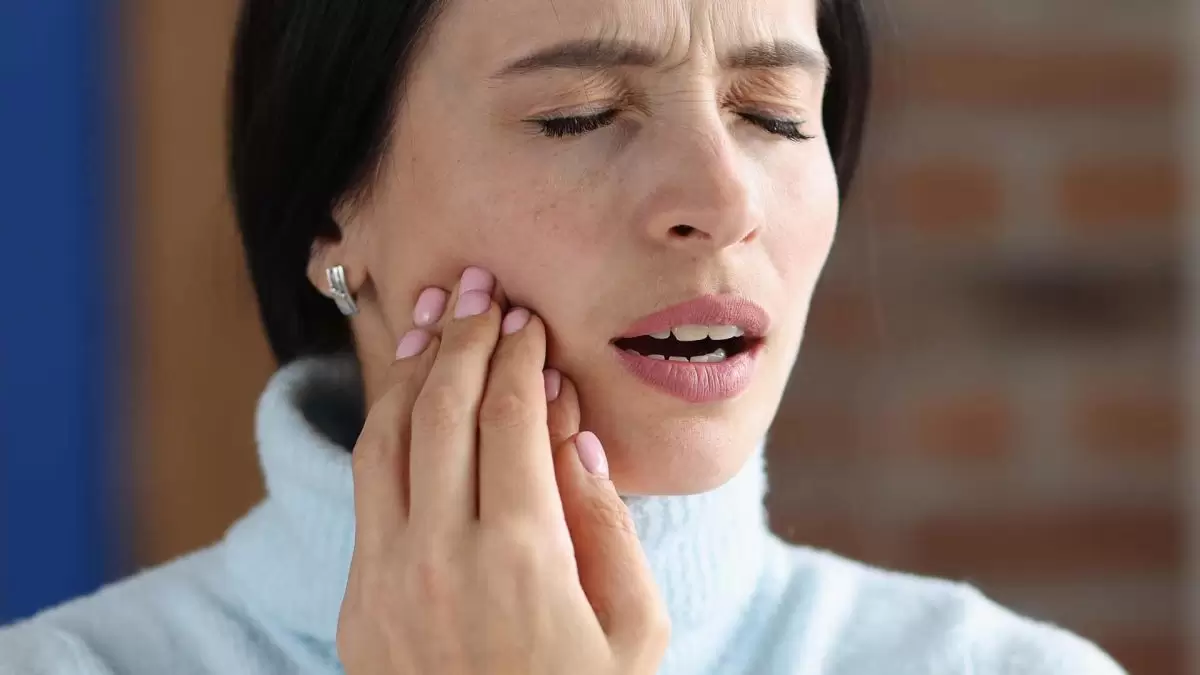
If there is still time until your clinical appointment or if the ache started in the middle of the night, you can get support from safe home methods to alleviate the discomfort. The answer to how to relieve a toothache at home is hidden in a few simple ingredients that you can easily find in your kitchen. These are palliative solutions with low side effects that address curiosity regarding how a toothache passes at home.
Rinsing with Salt and Vinegar Water
Salt is a natural disinfectant and can help reduce edema in the infected area. Mix one teaspoon of salt and a few drops of vinegar into a glass of warm water. Swish this mixture in your mouth for 30 seconds and spit it out. The rinsing process can clean out food debris trapped between the teeth and soothe the swelling in the tissues.
Cold Compress (Ice Application)
When asking what is good for toothache? when it is severe and accompanied by facial swelling, the most effective physical method is a cold application. Hold an ice pack wrapped in a towel against your cheek on the aching side for 15 minutes, then take a 15-minute break. The cold can constrict the blood vessels in that area, slowing down blood flow and numbing the pain sensation by dampening nerve conduction. Never place ice directly onto your skin or bare tooth.
Using Clove and Clove Oil
Thanks to a natural chemical component called "eugenol" inside it, clove possesses a medicinal numbing and antiseptic property. You can drop a few pieces of clove oil onto a clean cotton ball and place it over the aching tooth. If clove oil is not available, gently chewing a dry whole clove in the aching area to soften it is also effective in alleviating the ache. This method is one of the oldest and most reliable among home remedies for a toothache.
What Should Be Done for a Throbbing Toothache That Increases at Night?
Many patients state that the aches they do not feel while standing during the daytime reach an unbearable dimension the moment they lie down in bed. The fundamental reason for experiencing a toothache at night is mechanical. When transitioning to a lying position, blood flow and pressure toward the head region increase. This condition can maximize the pressure on the inflamed nerves inside the tooth, causing a rhythmic, throbbing ache.
So, what is good for a nighttime toothache that disrupts sleep and what helps a throbbing toothache? The first thing to be done is to keep your head higher than your body. Sleeping using a double pillow can reduce the throbbing sensation by lowering the blood pressure in the head area. Additionally, doing a warm rinse right before sleeping and keeping the room air humidified can prevent throat dryness, thereby reducing the irritation of the mouth.
If your pain radiates toward your temples, this condition stems from the nerve networks following a shared pathway. Patients frequently carry the worry of why a toothache shoots into the eye and ear. A large facial nerve called the trigeminal nerve sends branches to the jaw, eye, and ear regions. When an intense abscess at the tooth root or an impacted wisdom tooth stimulates this nerve line, the brain may not be able to differentiate the exact location of the pain, and the ache can be felt across the entire face.
Using Medication for Toothache: Misconceptions and Truths
One of the most common mistakes made by individuals in severe pain is using incorrect medications and substances based on hearsay. Methods you hear from your social circle can cause permanent and much larger damage inside your mouth.
Frequently Made Dangerous Mistakes:
- Placing Aspirin on Top of the Aching Tooth: Aspirin has an acidic structure. When placed directly on the tooth or gum tissue, it can lead to chemical burns, destroying the gum tissue instead of reducing the pain.
- Applying Alcohol or Cologne onto the Tooth: Although liquids containing alcohol appear to numb the tissues, they actually kill the gum cells and make it easier for the infection to spread into deeper tissues.
- Unconscious Use of Antibiotics: Antibiotics are not painkillers. Taking antibiotics without consulting a doctor with the thought of what is good for an inflamed toothache can lead to bacteria gaining resistance and can fatigue the liver. Antibiotics must only be used with a physician's prescription.
Mild analgesics of paracetamol or ibuprofen derivatives, which you can obtain by consulting your pharmacist, are the safest medicinal support to manage your condition until your clinical appointment.
What is Good for Toothache During Pregnancy? Sensitive Period Care
The pregnancy period is a special process where hormonal balances change rapidly and the body is more sensitive to external stimuli. During this period, the risk of cavities may increase due to bleeding in the gums and changes in the saliva structure. Expectant mothers rightly avoid chemical use to protect their baby's health and research what helps a toothache during pregnancy.
For aches experienced during pregnancy, you must absolutely not use any painkiller medication without the joint approval of your gynecologist and dental professional. The safest step in this period is chemical-free saltwater rinses and cold compress applications to be applied externally to the cheek.
If an intervention is mandatory, the period between the 4th and 6th months of pregnancy (the second trimester) is considered the safest timeframe for dental procedures. Instead of loading stress onto the body by enduring the pain, being examined by a dental professional within the knowledge of your obstetrician is the most accurate approach.
When Should You Go to the Emergency Room?

Not every toothache can be postponed to the next day. Certain symptoms are proof that the infection has exited the jawbone and is spreading toward the soft tissues, or even the respiratory pathways. If you are experiencing at least one of the following signs, you must stop looking for solutions at home and apply to the nearest emergency health facility or an on-duty dental clinic:
- If you are having difficulty opening your mouth, breathing, or swallowing.
- If a distinct and hot swelling (a sign of cellulitis) has formed on the side of the aching tooth, spreading under the eye, toward the neck, or under the jaw.
- If the tooth ache is accompanied by a high fever, weakness, and chills.
- If an unstoppable, foul-smelling flow of pus or blood is coming from inside the mouth or the gum line.
These conditions are vital red flags indicating that the infection has become systemic.
|
Pain Type |
Possible Cause |
Initial Treatment at Home |
Permanent Clinical Solution |
|
Tingling in Hot/Cold |
Early-stage cavity |
Sensitivity-relieving toothpaste |
Aesthetic Composite Filling |
|
Throbbing Constant Pain |
Advanced pulp inflammation |
Elevating the pillow, clove oil |
Endodontic Root Canal Treatment |
|
Sharp Pain When Biting |
Tooth crack or root tip abscess |
Cold compress, soft diet |
Crown capping or Apical Resection |
|
Post-Extraction Ache |
Empty clot socket (Alveolitis) |
Saltwater rinse (gently) |
Dressing of the wound site by the dentist |
FAQ – Frequently Answered Questions
What stops a toothache the fastest?
The method providing the fastest relief under home conditions is a cold compress applied externally to the cheek with an ice pack wrapped in a towel. This application can temporarily numb the nerves, slowing down the transmission of pain.
How does a toothache that keeps you awake pass?
Because the blood pressure going to your head increases when you lie down in bed, the pain can intensify. Sleeping with a double pillow to keep your head high and rinsing the mouth with warm salt water before sleeping can alleviate the throbbing sensation.
What is good for a highly painful decaying tooth?
Food debris trapped in the cavity area can increase the pain. Bricks-and-mortar steps like gently brushing the teeth, cleaning between them with dental floss, and then putting a cotton ball dripped with clove oil into the cavity opening will temporarily help soothe the ache.
What causes a throbbing toothache?
The throbbing sensation is caused by the inflammatory fluid and abscess inside the tooth being unable to exit, thereby exerting rhythmic pressure on the vessels within a closed chamber. It is generally the harbinger of a requirement for root canal treatment.
About the Author