



What Is Hollywood Smile? 2026 Design and Stages
Don't put off your smile. Message us now to discuss your treatment options with our expert dentists.
WhatsAppThe alignment, color, and structural balance of teeth directly affect the overall perception of youthfulness and energy of the face. Over time, permanent discolorations due to tea and coffee consumption, gaps between teeth, or structural wear can cause individuals to hide their mouths when smiling. Applied to eliminate these aesthetic concerns and capture a flawless harmony with facial contours, a Hollywood Smile is the most holistic transformation movement offered by modern cosmetic dentistry.
At Avrupa Sağlık Diş, we know that an aesthetic dental restoration does not simply mean lining up stark white teeth; it means constructing an anatomy suitable for the patient's character and facial bone structure. The artificial, uniform, and "opaque white block" appearance found frequently in before-and-after change updates on social media is completely a thing of the past. Today's digital laboratory technologies offer smart materials that can identically mimic the natural transparency at the incisal edges and the surface texture of the teeth. With a properly planned process, it is entirely possible to protect the biological framework while building a smile line to be displayed with confidence for a lifetime.
Table of Content
- What Is a Hollywood Smile?
- Which Procedures Does a Hollywood Smile Treatment Cover?
- How Is a Hollywood Smile Done? Step-by-Step Clinical Stages
- Material Selection for a Natural Look: Veneers or Zirconium?
- 2026 Hollywood Smile Prices
- How Should Home Care Be to Extend the Lifespan of Your New Smile?
- FAQ: Frequently Asked Questions
What Is a Hollywood Smile?
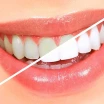
Among the questions we hear most frequently from patients in our clinics are what a Hollywood Smile means or the overall scope of this application. Commonly referred to as smile design in popular culture, this concept takes its name from the bright, symmetrical, and flawless teeth alignment possessed by Hollywood stars. However, from a medical standpoint, it is a comprehensive aesthetic protocol that goes beyond a simple cosmetic bleaching to optimize tooth and gum integrity from top to bottom.
This holistic philosophy reorganizes the lengths, aspect ratios, and the "smile corridor" framed by the lips. If your teeth appear too little when speaking or if your gums show excessively when smiling, these imbalances are corrected down to the millimeter. The goal is to create a radiant profile that best suits the person's skin tone, eye symmetry, and even character structure without compromising naturalness.
Which Procedures Does a Hollywood Smile Treatment Cover?
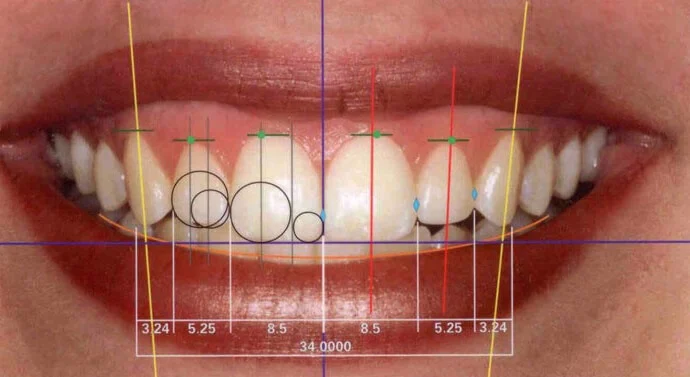
The aesthetic restoration process is a multi-layered treatment combination shaped according to each patient's existing intraoral condition. Therefore, it does not advance through a single material or procedure. Many patients wonder what treatments are included in a Hollywood Smile package. Within this scope, depending on your oral structure, the following treatments can be included in the plan:
- Porcelain Laminate Veneers (Leaf Teeth): These are ultra-thin ceramic porcelains featuring excellent light transmittance, applied by performing minimal reduction only on the front surfaces of the teeth.
- Zirconium or E-max Crowns: Highly resilient, all-ceramic crowns that completely protect the tooth while offering premium aesthetics if there are large fractures, old fillings, or excessive substance loss in the teeth.
- Gingivoplasty (Gum Aesthetics): The process of painlessly aligning the gum lines using laser technology in cases where the gums are asymmetrical.
- Dental Implants: Titanium artificial root applications that fill the gap without touching adjacent teeth in the event of missing teeth within the smile line.
- Office-Type Teeth Whitening: Clinical whitening sessions applied to provide color harmony in the lower jaw or other teeth where crowns are not placed.
How Is a Hollywood Smile Done? Step-by-Step Clinical Stages
To achieve a flawless result, a Hollywood Smile design mandates the sequential execution of specific digital and clinical processes. The process moves forward in a highly planned manner for patient comfort and treatment predictability.
- First Stage: High-resolution digital photographs and 3D intraoral scans of the patient are captured. An ideal simulation is prepared in a computer environment using dedicated smile design software. At this stage, the final state of the teeth is displayed digitally according to the patient's facial map.
- Second Stage: This design is applied to the patient's mouth through a temporary digital application called a "mock-up." Thus, the patient can see the finished state of the treatment live in their own mirror and give approval before any work is done to their teeth.
- Third Stage: Following the approval process, micro-level preparations are performed on the tooth surfaces according to the type of restoration, and digital impressions are transferred to the laboratory. Crafted in computerized CAD/CAM milling milling devices, premium ceramics are made ready within an average of 5 to 7 days.
- Final Stage: The prepared custom porcelain units are permanently fixed to the tooth surface with the help of special adhesive resin agents. This high technology and millimetric dentist craftsmanship lie behind the answer to how a transformation is achieved.
Material Selection for a Natural Look: Veneers or Zirconium?
The frequently asked question of how the teeth are prepared brings us directly to material selection. The materials used in aesthetic dentistry should be selected according to the chewing forces the tooth will be exposed to and the aesthetic expectations.
If the alignment of your teeth is generally proper, and there are only color, minor spacing (diastema), or wear problems, porcelain laminate veneers are the primary option. Since veneers are bonded only to the front surface of the tooth, biological tissue is protected at the maximum level.
However, if there is excessive crowding in the teeth, large fillings with root canal treatments, or chewing loads in the posterior regions, zirconium crowns offer a more accurate structural resistance. When reviewing celebrities who have undergone a Hollywood Smile procedure today, it is clearly seen that E-max glass-ceramics, which transmit light like real teeth instead of a flat whiteness, are at the forefront.
|
Material Type |
Tooth Reduction Amount |
Light Transmittance Quality |
Most Suitable Areas |
|
Porcelain Lamina (Veneer) |
Minimum (0.3 - 0.5 mm) |
Very High (Maximum Naturalness) |
Anterior group aesthetic teeth |
|
E-max Glass Ceramic |
Medium Level (Full Crown) |
Excellent (Natural Enamel Texture) |
Anterior and premolar teeth |
|
Zirconium Crown |
Standard Structural Reduction |
High (Durable and Aesthetic) |
Large substance losses and posterior teeth |
2026 Hollywood Smile Prices
It is not medically possible to offer a fixed cost for patients who want to plan their budget while making a treatment decision. This is because the process does not cover a single tooth treatment, but rather a full jaw rehabilitation.
In line with the base fee tariffs updated every year by the Turkish Dental Association (TDB), the minimum cost limits per unit for ceramic laminate veneers or zirconium crowns are determined. However, when determining total prices; factors such as how many teeth will be treated, whether there is a need for gum leveling (gingivoplasty), and whether implant surgery is required for missing teeth directly alter the budget. Following the 3D tomographic and digital analyses performed in our clinics, a transparent pricing map tailored to you is presented by choosing the highest quality materials that will not risk your oral health.
How Should Home Care Be to Extend the Lifespan of Your New Smile?
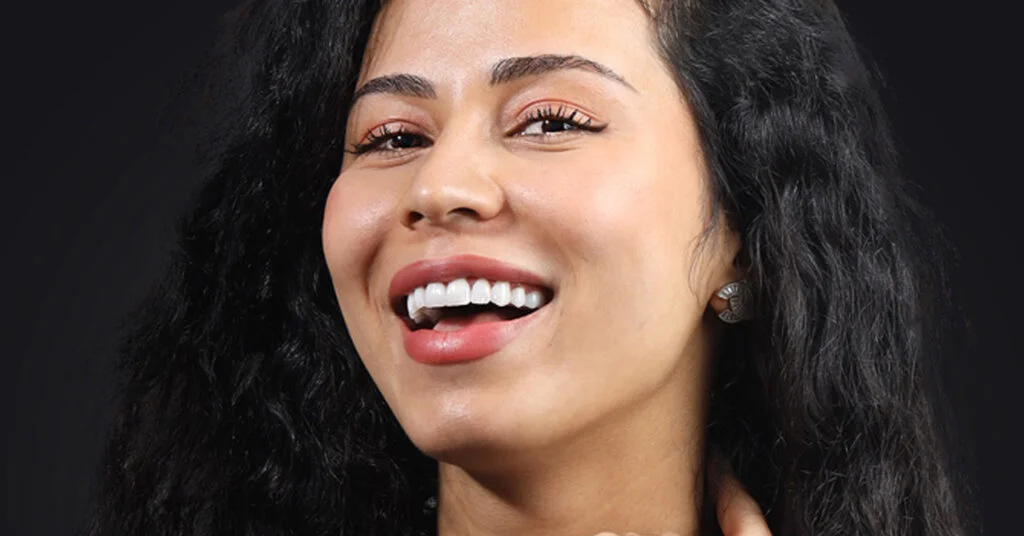
Following every successful aesthetic process completed, maintaining this wonderful appearance for many years is entirely in your hands. Proper oral care directly determines the lifespan of the porcelain restorations performed.
Premium laboratory porcelains possess non-porous structures; therefore, they do not stain or turn yellow due to external factors such as coffee, tea, or smoking. However, the health of your own natural tooth tissues and gums beneath the restorations must be protected. Cleaning must be performed twice a day with a soft-bristled brush using a sweeping motion from the gum toward the tooth, and dental floss or an interdental brush must absolutely be used every evening to prevent plaque accumulation between restorations.
In addition, to protect the micro-marginal integrity of the porcelains, hard mechanical forces such as cracking nuts or tearing open packaging with teeth should be avoided, and a routine dental checkup should be attended every 6 months.
FAQ: Frequently Asked Questions
How much are teeth cut in a Hollywood Smile treatment?
If the treatment is planned with porcelain laminates (veneers), a micro-level reduction between an average of 0.3 mm and 0.5 mm is performed only on the front surfaces of the teeth; in some cases, it can also be applied without any cutting at all (non-prep).
Are Hollywood Smile restorations permanent for life?
The intraoral lifespan of the premium ceramic and laminate materials used can permanently maintain its first-day brilliance for an average of 10 to 15 years, and even much longer with correct care, depending on the patient's oral hygiene and care quality.
Does a Hollywood Smile harm teeth?
No, procedures performed under the control of an expert aesthetic dentist do not harm the teeth. On the contrary, tooth surfaces with fractures, wear, or enamel cracks are put under protection by being armored with porcelain frameworks.
How many days does the Hollywood Smile process take?
Thanks to our digital clinic and laboratory infrastructure, the process is completed quite rapidly. If there is no need for any surgical (implant, etc.) foundation, your new teeth are completely delivered usually within 5 to 7 days (in an average of 2 or 3 clinical appointments).
Which crown/veneer is used for a Hollywood Smile?
While porcelain laminate veneers or E-max glass-ceramics, which offer maximum light transmittance, are generally preferred for front teeth where aesthetic expectations are highest; resistant zirconium crowns are used for bridges or posterior group restorations.
About the Author