


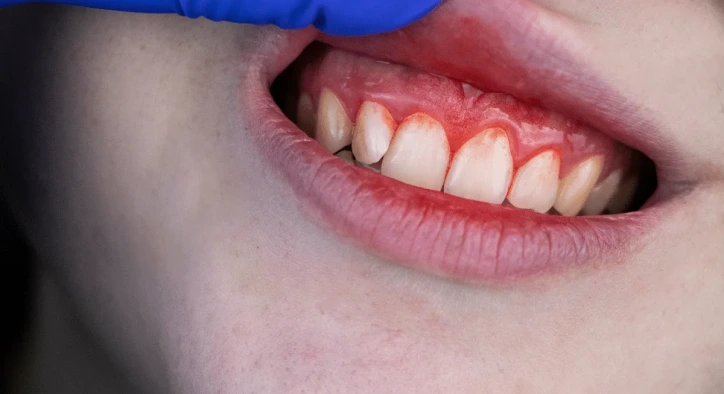
Gingivitis: Symptoms, Causes, and the Most Effective Treatment Methods
Don't put off your smile. Message us now to discuss your treatment options with our expert dentists.
WhatsAppOral and dental health means much more than just a white smile. The gums, which surround our teeth and anchor them to the jawbone, are the hidden protectors of our overall health. However, gingivitis, one of the most common health problems in society, causes this protective shield to weaken. This issue, which often starts with a slight bleeding during brushing, is actually an important warning signal your body is sending you.
Unfortunately, the lifespan of implants, coatings, or filling applications performed without healthy gums is short. In this article, we will examine all the curious details from the causes of gum inflammation to solution methods from a professional perspective.
Table of Content
What is Gingivitis?
Gingivitis is an inflammatory response of the gum tissues against bacteria. After every meal, a sticky and colorless layer called bacterial plaque forms on our teeth. When this plaque layer is not removed by brushing and flossing, it combines with minerals in the saliva and turns into hard structures we call tartar (calculus).
In this initial stage called gingivitis, the inflammation is still limited to the soft tissue of the gum. The most significant feature of this stage is that it is reversible. In other words, with good oral care and a professional cleaning, the gums can regain their former healthy pink appearance. However, every day without intervention paves the way for bacteria to seep under the gums and damage the bone tissue.
What are the Symptoms of Gingivitis?
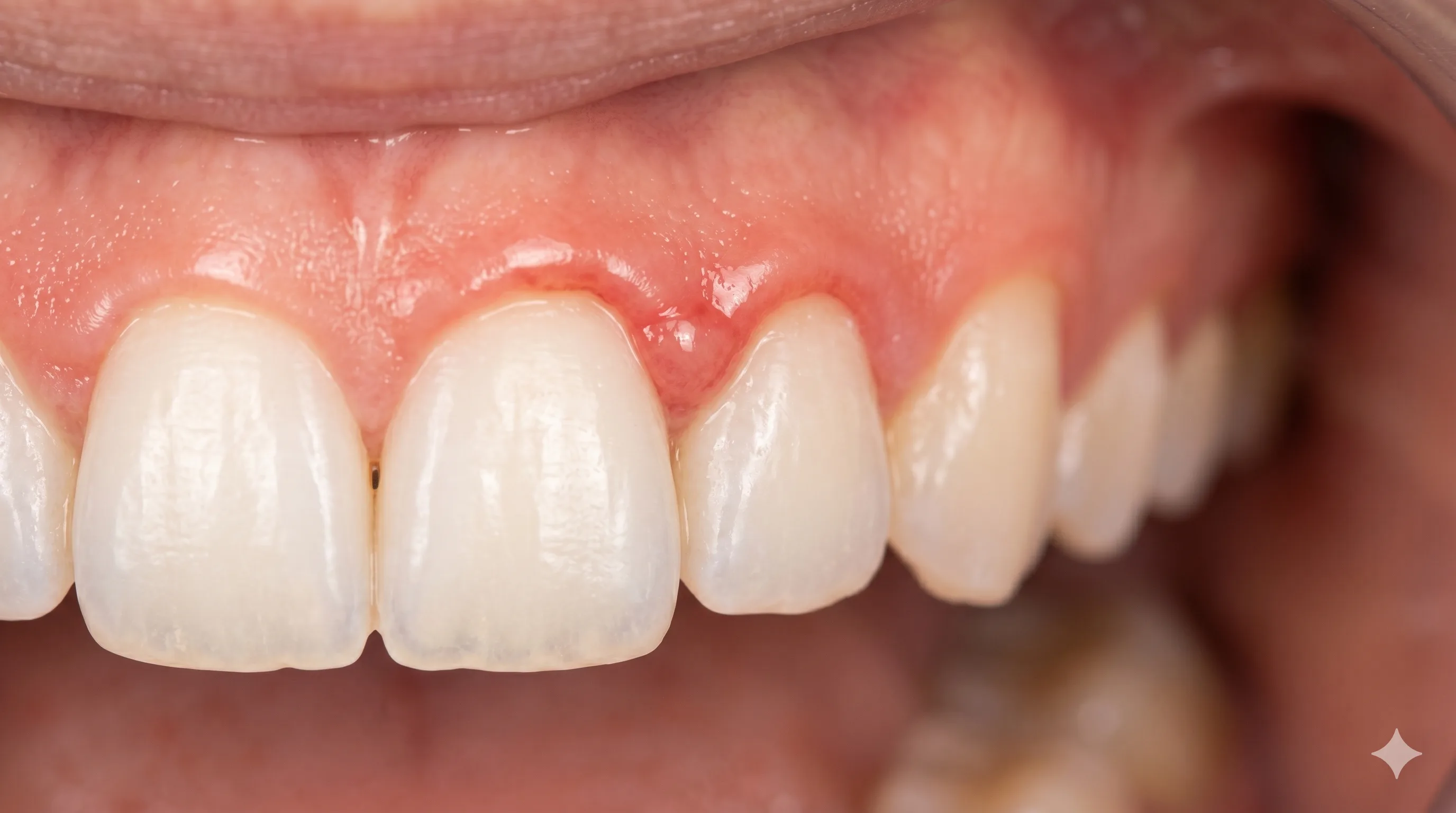
Gingivitis does not always manifest itself with pain. This situation may lead patients to ignore the problem. However, with careful observation, symptoms of gum inflammation can be easily noticed.
Bleeding Gums and Color Change
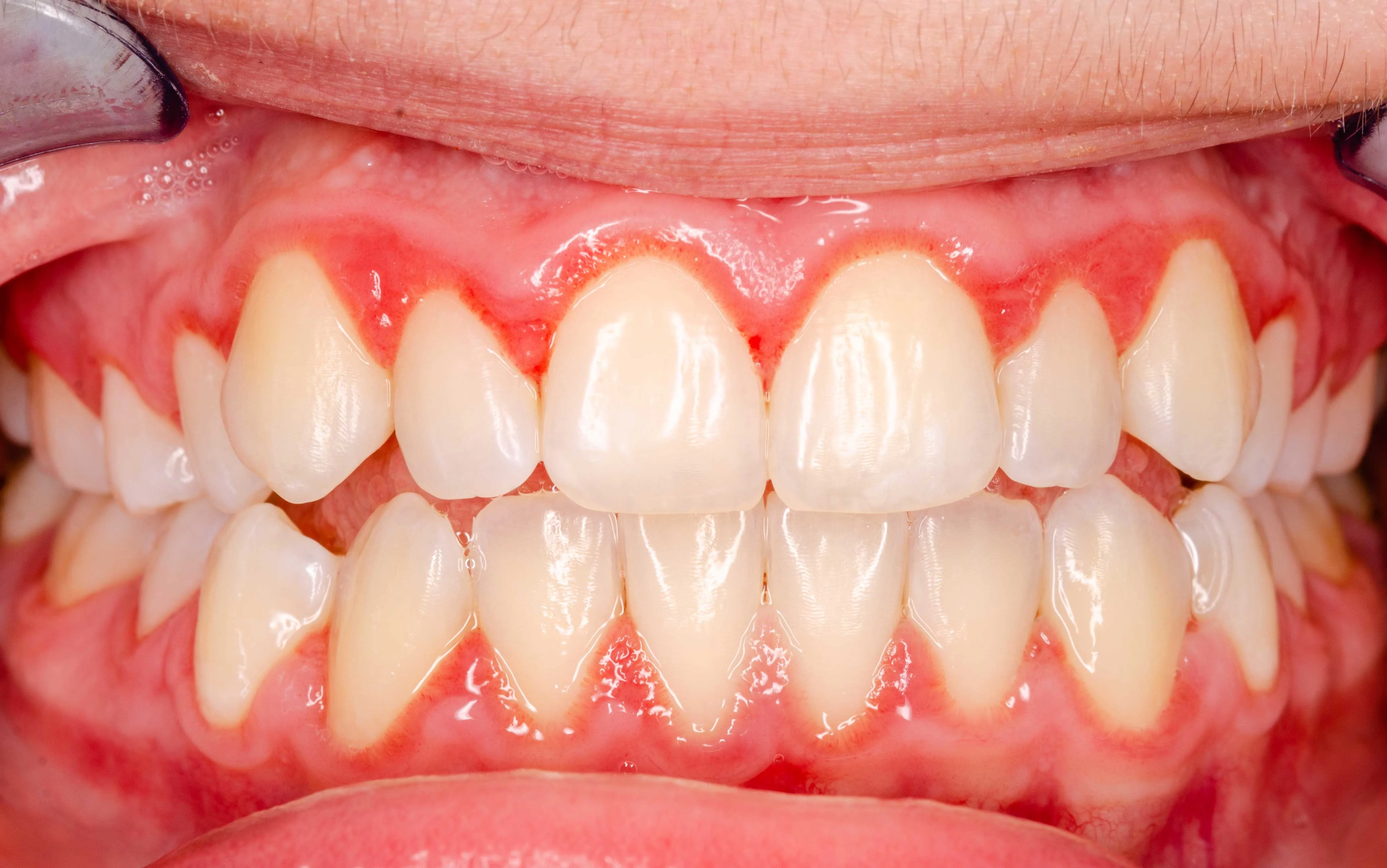
Healthy gums are light pink in color and grip the tooth tightly. In an inflamed gum, the color may turn bright red or purple. The most typical symptom is bleeding seen while biting an apple or brushing teeth.
Swelling and Sensitivity
Due to inflammation, tissues may collect fluid and swell. Gums may gain a spongy texture. In some cases, a slight ache may be felt when touching the gums or while eating.
Bad Breath and Gum Recession
Persistent gingivitis usually occurs along with bad breath. Gases produced by bacteria can leave a bad taste and odor in the mouth. Additionally, gums may begin to recede from the tooth surface due to inflammation, which can make the teeth appear longer than they are.
What Causes Gingivitis?
Many people may say, "I brush my teeth but my gums still get inflamed." The answer to the question of why gum inflammation occurs may not be limited to hygiene alone; however, the primary factor is always bacteria.
- Inadequate Oral Care: The most fundamental reason is the inability to fully clean the plaques.
- Faulty Restorations: Old coatings or fillings that are incompatible and put pressure on the gums constantly irritate the gum.
- Hormonal Changes: During puberty, pregnancy, or menopause, gums become more sensitive to bacteria.
- Medication Use: Some blood pressure or neurology medications can pave the way for gum enlargement and inflammation.
- Wisdom Tooth Gum Inflammation: Food residues can accumulate in the pocket around partially impacted wisdom teeth, leading to severe inflammation called pericoronitis.
What Happens if Gingivitis is Left Untreated?
Gum inflammation that is not intervened in during the gingivitis stage turns into an irreversible stage called "periodontitis" over time. At this stage, the inflammation starts to melt not only the gum but also the jawbone that holds the tooth.
When periodontitis develops, teeth begin to wobble. Unfortunately, after this stage, teeth may need to be extracted. Furthermore, research shows that chronic gingivitis is directly linked to heart diseases, diabetes, and pregnancy complications. An infection in your mouth can spread to your entire body through the bloodstream. Therefore, it is of vital importance not to delay a simple bleeding by saying "it will pass anyway."
How to Get Rid of Gingivitis at Home? Common Misconceptions
There is a lot of information pollution on the internet under the title of "what is good for gum inflammation at home." Applications made at home usually alleviate the symptoms but do not eliminate the source of the inflammation.
- Salt Water Gargle: Salt can reduce edema and provide temporary relief, but it is not the definitive answer to how gum inflammation passes.
- Natural Oils: Although products such as clove oil or coconut oil have antibacterial properties, they cannot remove hardened tartar.
- Quitting Brushing: This is one of the biggest mistakes. Quitting brushing because there is bleeding can lead to more plaque accumulation in that area and worsen the inflammation. Gentle cleaning should be continued with a soft brush despite the bleeding.
Professional Treatment Methods
The only scientific answer to the question of what is good for gingivitis is professional dental cleaning.
- Detartraj (Scaling): Tartar on the tooth surface and gum line is cleaned with ultrasonic devices.
- Subgingival Curettage: If the inflammation has descended into the depths of the gum pocket, the infected tissues in these areas are cleaned with special tools.
- Laser Therapy: In stubborn inflammations, laser technology can be utilized to destroy bacteria and accelerate tissue healing.
- Medication Therapy: When necessary, your physician may prescribe gingivitis antibiotic drugs or special antiseptic mouthwashes. However, these medications are not a solution on their own without cleaning.
Professional cleaning prices vary in 2026 according to the technology used and the condition of the gums. However, it should not be forgotten that the cost of a simple cleaning to be done today is much lower than the cost of an implant treatment for a tooth that will be lost tomorrow.
Ways to Prevent Gingivitis
After treating the inflammation once, it is entirely in your hands to prevent it from reoccurring. To avoid asking the question of how gum inflammation passes again, it is necessary to follow these rules:
- Correct Brushing: Brush your teeth at least 2 times a day for 2 minutes, using a sweeping motion at a 45-degree angle to the gum line.
- Flossing: Interdental surfaces, where the brush cannot reach, are the places where inflammation starts the most. Use dental floss or an interdental brush every day.
- Regular Check-ups: By having professional dental care every 6 months, ensure that the plaques that start to form are cleaned before they turn into tartar.
- Nutrition: Limit sugary and sticky foods, and eat a diet rich in Vitamin C.
|
Application |
Frequency |
Purpose |
|
Brushing |
2 times a day |
To remove bacterial plaques |
|
Flossing |
1 time a day |
To clean debris between teeth |
|
Tongue Cleaning |
1 time a day |
To reduce bacteria causing bad breath |
|
Dentist Check-up |
Every 6 months |
Tartar control and early diagnosis |
Frequently Asked Questions (FAQ)
How many days does it take for gingivitis to go away?
After professional scaling is performed and correct oral hygiene habits are established, gums usually begin to heal within 7 to 10 days.
Does gingivitis go away with antibiotics?
Gingivitis antibiotic medications do not solve the inflammation at its root on their own. Antibiotics only suppress the acute infection. Unless the plaque and tartar causing the inflammation are mechanically cleaned, the problem may recur shortly after.
Is salt water gargle good for gingivitis?
Salt water gargle can help reduce edema in the area and alleviate bacteria. However, this is not a treatment but a supporting method. The main treatment is the cleaning to be performed by the specialist physician.
Should I brush my teeth while I have gingivitis?
Yes, you must definitely brush. Quitting brushing the inflamed area can cause more bacteria to accumulate there and the situation to worsen. Gentle brushing should be continued with a soft-bristled toothbrush.
What causes gingivitis during pregnancy?
Increased hormone levels during pregnancy increase the sensitivity of the gums to bacterial plaques. This condition, known as "pregnancy gingivitis," needs to be monitored under the supervision of a dentist.
About the Author