


How to Maintain Gum Health: Your Complete Guide
Don't put off your smile. Message us now to discuss your treatment options with our expert dentists.
WhatsAppGum health is one of the most overlooked aspects of dental care, yet it underpins everything from a confident smile to your long-term wellbeing. Whether you are experiencing tender gums for the first time, or your dentist has told you that you are at higher risk of gum disease, knowing how to maintain and improve your gum tissue can make a real difference. This guide covers everything from daily habits to professional treatments - including what specialist dental clinics in İstanbul offer patients who travel for care.
Table of Contents
- What Healthy Gums Look Like
- The Connection Between Gum Health and Your Body
- Gingivitis vs. Periodontitis: Understanding the Stages
- Warning Signs Your Gums Need Attention
- Daily Habits That Protect Your Gums
- Nutrition and Gum Health
- Lifestyle Factors That Affect Your Gums
- When Home Care Is Not Enough
- Gum Health and Dental Implants
- Gum Treatment in İstanbul, Turkey
- Frequently Asked Questions
What Healthy Gums Look Like
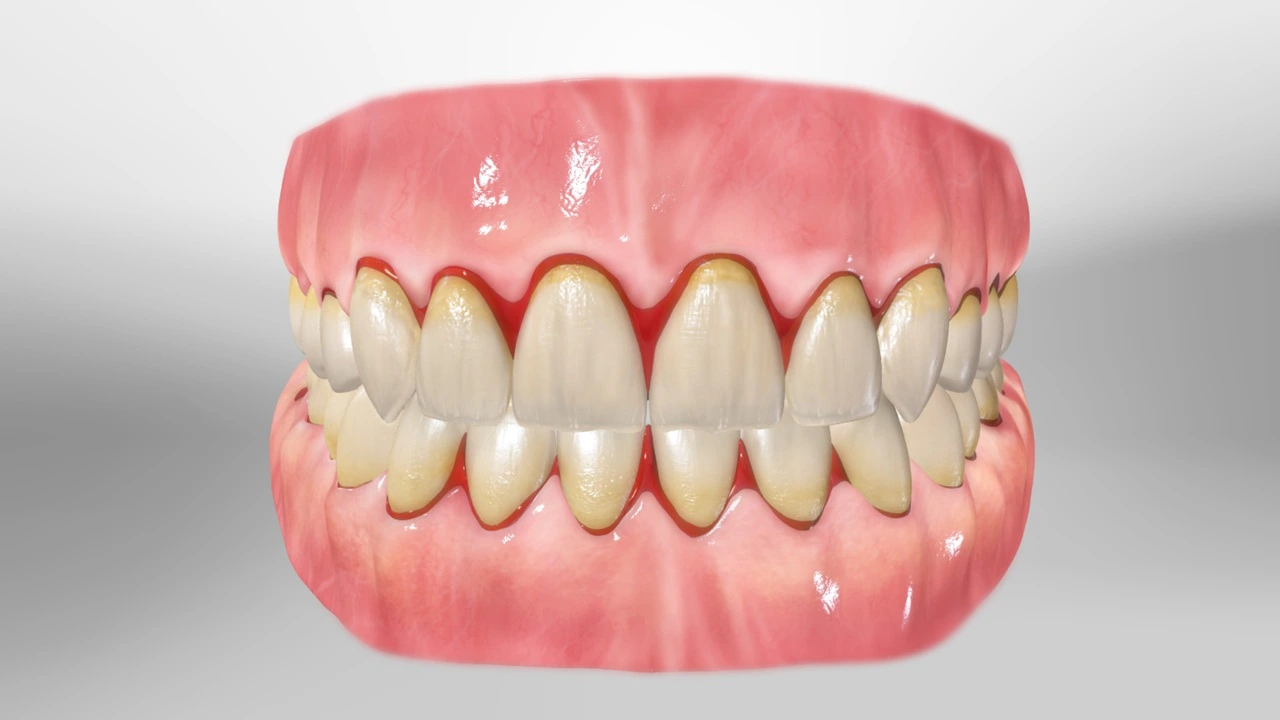
Before focusing on what can go wrong, it helps to know what you are aiming for. Healthy gums are pale pink, firm, and well-fitted around each tooth with no swelling or tenderness. They do not bleed during brushing or flossing, and there is no persistent bad breath.
Patients often ask whether slight bleeding is normal when they first start flossing. It can happen in the initial few days as the gum tissue adjusts. But if bleeding continues after two weeks of consistent flossing, that is a sign of inflammation your dentist should assess. Healthy gums simply do not bleed under normal brushing pressure.
Gum colour can also vary between individuals - some people naturally have darker pigmentation. What matters is consistency: any sudden change in colour, texture or feel warrants a check-up.
The Connection Between Gum Health and Your Body
The relationship between gum disease and systemic health has been the subject of growing research. According to the NHS, gum disease is not just a dental issue - it has been associated with an increased risk of heart disease, stroke, poorly controlled diabetes, and adverse pregnancy outcomes.
The mechanism behind this connection is chronic inflammation. When bacteria from infected gum tissue enter the bloodstream, they can trigger inflammatory responses throughout the body. Patients with severe periodontitis consistently show higher markers of systemic inflammation compared to those with healthy gums.
This does not mean gum disease directly causes heart disease, but the association is strong enough that the British Dental Association recommends regular gum assessments as part of routine dental care. Looking after your gums, in other words, is an investment in your overall health - not just your smile.
The connection also works in reverse: certain systemic conditions make gum problems more likely. Diabetics, for instance, are three times more likely to develop gum disease than non-diabetics. Managing your dental health and your general health are two sides of the same coin.
Gingivitis vs. Periodontitis: Understanding the Stages
Gum disease progresses in stages, and recognising where you are on that spectrum is essential for choosing the right treatment.
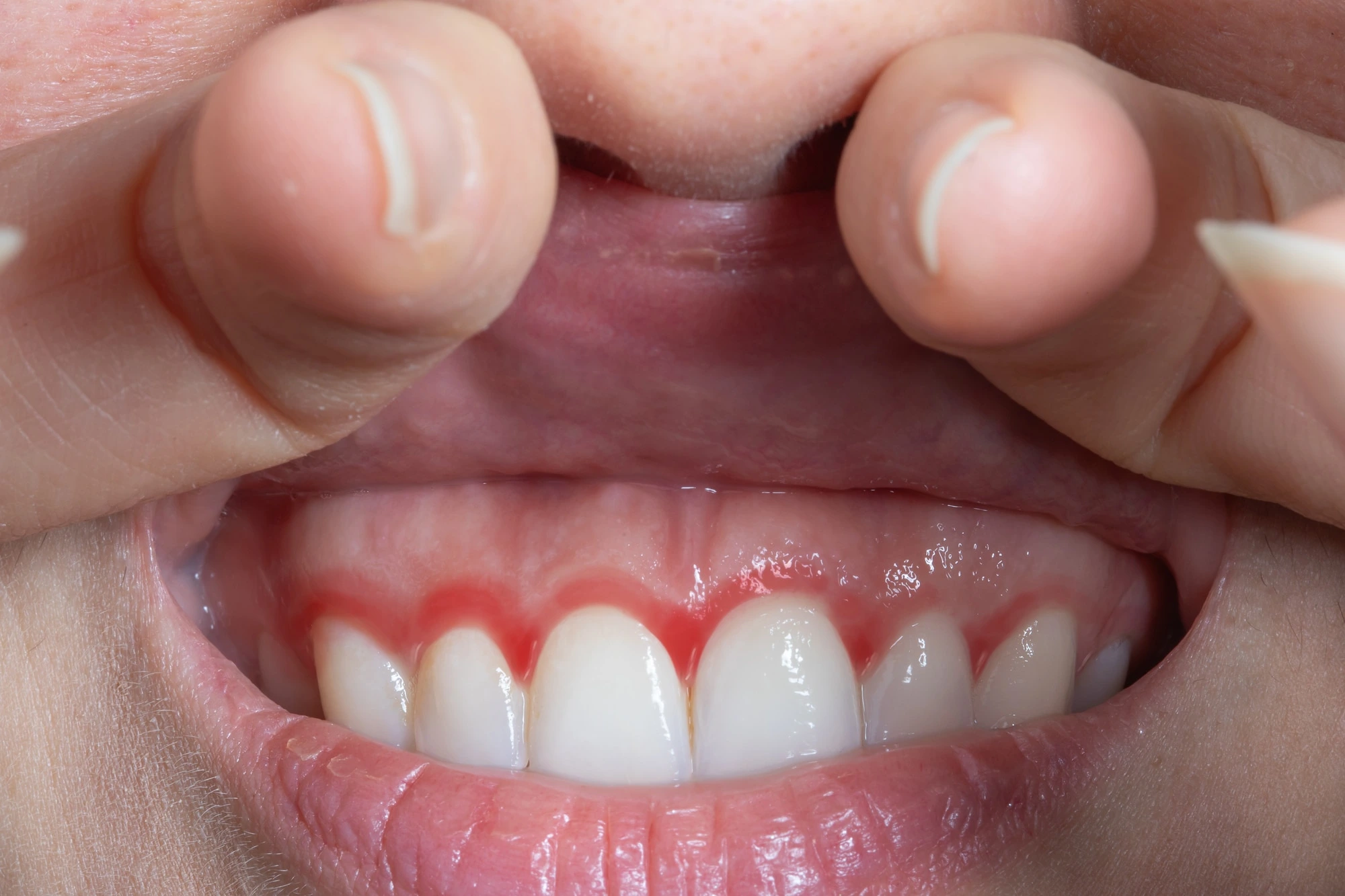
Gingivitis is the earliest stage. Bacterial plaque accumulates at the gum line and triggers inflammation. The gums become red, swollen, and may bleed when you brush. The key fact about gingivitis is that it is reversible. With consistent brushing, daily flossing, and a professional clean, the gum tissue can return to full health without lasting damage.
Periodontitis develops when gingivitis is left untreated. The infection spreads below the gum line, destroying the bone and connective tissue that hold teeth in place. Gum pockets deepen around each tooth, creating spaces where bacteria multiply further. At this stage, teeth can become loose, shift position, or eventually require extraction. Periodontitis is not reversible in the same way gingivitis is, but it can be effectively managed and halted with appropriate professional treatment.
Advanced periodontitis involves significant bone loss and carries the highest risk of tooth loss and systemic complications. Early intervention - ideally at the gingivitis stage - makes all the difference to long-term outcomes.
Warning Signs Your Gums Need Attention
Many people live with gum disease for years without realising it. The early stages are often painless, which is why so many cases are first identified during routine dental examinations rather than because a patient felt discomfort.
Watch out for these signs:
- Bleeding gums - during brushing, flossing, or even spontaneously
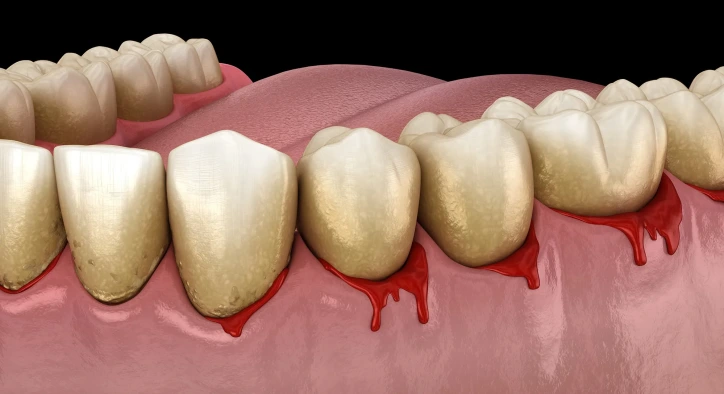
- Red, swollen or shiny gums - a change from the usual pale pink appearance
- Persistent bad breath - not resolved by brushing or mouthwash use
- Gum recession - teeth appearing longer than usual as gum tissue pulls back from the crown
- Increased tooth sensitivity - especially to cold drinks or air, as root surfaces become exposed
- Loose or shifting teeth - a sign of underlying bone loss affecting the support structure
- Pus between teeth and gums - indicates active infection requiring prompt treatment
Any one of these symptoms warrants a dental appointment. Two or more together should be treated as urgent. Early treatment preserves gum tissue and also prevents the conditions that make future treatments - such as dental implants - more complicated or less predictable.
Daily Habits That Protect Your Gums
The foundation of gum health is consistent daily care. No professional treatment maintains itself without the support of a solid home routine - and the good news is that effective gum care does not require expensive products or complicated techniques.
Brush correctly and consistently. Brush your teeth at least twice daily using a soft-bristled toothbrush and fluoride toothpaste. Hold the brush at a 45-degree angle to the gum line and use gentle circular or short sweeping motions. Scrubbing hard does not clean better - it damages gum tissue and can accelerate recession over time.
Floss or use interdental brushes daily. The spaces between your teeth account for roughly 40% of your tooth surfaces - areas no toothbrush can reach. Removing food particles and plaque from these gaps is one of the most important things you can do for gum health. If traditional floss is awkward, interdental brushes or water flossers are equally effective alternatives.
Use an antibacterial mouthwash. Mouthwash containing chlorhexidine or cetylpyridinium chloride reduces bacterial load throughout the mouth. Use it after brushing and flossing, not as a substitute for them. Check with your dentist before using chlorhexidine long-term, as it can cause temporary tooth staining.
Clean your tongue. Bacteria colonise the tongue's surface in significant numbers. A tongue scraper used each morning reduces bacterial load noticeably - many patients find their breath improves within a week of adding this one step.
Stay hydrated. Saliva is your mouth's natural defence system. It buffers acids, washes away debris, and contains antimicrobial proteins. Drinking water throughout the day - and limiting alcohol, which dries the mouth - supports healthy saliva production and flow.
Nutrition and Gum Health
What you eat directly influences the health of your gum tissue. Several nutrients play specific roles in supporting the structures that keep your gums firm and well-attached to your teeth.
Vitamin C is perhaps the most critical nutrient for gum tissue. It is essential for collagen synthesis - the structural protein that gives gum tissue its strength and resilience. Even mild vitamin C deficiency can slow healing after dental procedures and increase gum fragility. Citrus fruits, strawberries, kiwi, and leafy greens are excellent sources.
Calcium and Vitamin D work together to maintain bone density in the jaw - the foundation your gum tissue sits on. Adequate calcium intake from dairy, leafy greens, and fortified foods, combined with Vitamin D from sunlight or supplements, supports the bone that anchors your teeth.
Omega-3 fatty acids have shown anti-inflammatory effects in several clinical studies. Regular consumption of oily fish such as salmon and mackerel may reduce the severity of gum inflammation in people already affected by early periodontitis.
The table below summarises which foods support and which undermine gum health:
| Beneficial for Gums | Avoid or Limit |
|---|---|
| Leafy greens (spinach, kale) | Sugary snacks and confectionery |
| Citrus fruits, strawberries, kiwi | Carbonated soft drinks |
| Milk, yogurt, hard cheese | Sticky sweets and dried fruit |
| Oily fish (salmon, mackerel) | Acidic fruit juices |
| Nuts, seeds, legumes | Highly processed foods |
| Water and green tea | Alcohol (dries the mouth) |
Sugary foods do not just affect teeth - they feed the bacteria responsible for gum disease. Reducing sugar intake is one of the simplest dietary changes with measurable benefits for gum health.
Lifestyle Factors That Affect Your Gums
Beyond brushing and diet, your broader lifestyle choices have a measurable impact on gum tissue health over time.
Smoking is the single biggest lifestyle risk factor for gum disease. Nicotine constricts the blood vessels that supply oxygen and nutrients to gum tissue, reducing its ability to resist infection and heal after treatment. Smokers develop gum disease at roughly twice the rate of non-smokers, and their treatment outcomes are consistently less favourable. Stopping smoking - even temporarily during a course of gum treatment - improves results significantly.
Stress elevates cortisol, which suppresses immune function and makes it harder for your body to fight off bacterial infection in the gum tissue. Patients who report chronically high stress levels often show faster progression of existing gum problems. Managing stress through exercise, sleep, and relaxation techniques is not just good for mental health - it genuinely supports your gums.
Bruxism (teeth grinding or clenching) places excessive mechanical forces on the supporting tissues around teeth, accelerating gum recession and bone loss. If you wake with a sore jaw or notice unusual tooth wear, ask your dentist about a custom night guard - it can protect both your teeth and the gum attachment around them.
Hormonal changes during pregnancy, puberty, and menopause can temporarily increase gum sensitivity and the inflammatory response to plaque. Pregnancy gingivitis is common and well-documented - maintaining excellent oral hygiene during pregnancy and attending your routine dental appointments is safe and strongly recommended.
When Home Care Is Not Enough: Professional Gum Treatments
Some forms of gum disease cannot be resolved at home, regardless of how diligent your routine is. Once tartar calcifies onto root surfaces below the gum line, or periodontal pockets deepen beyond a certain point, professional intervention is the only effective path forward.
Scaling and root planing is the primary non-surgical treatment for periodontitis. The dentist or hygienist removes hardened calculus from both above and below the gum line, then smooths the root surfaces to discourage bacteria from reattaching. For many patients, one or two sessions of deep cleaning produce significant improvement - pockets shallower, bleeding reduced, and gum tissue firmer.
Laser gum treatment uses focused light energy to remove infected tissue with greater precision and less trauma than traditional surgical approaches. Healing is typically faster, and post-procedure discomfort is lower. This is one of the most requested treatments by international patients visiting our clinic in İstanbul, precisely because it combines clinical effectiveness with a comfortable experience.
Gum contouring and pink aesthetics addresses both the health and the appearance of the gum line. Where excess gum tissue creates a "gummy" smile, or uneven gum contours affect aesthetics, pink aesthetics gum treatment can reshape the gum line with minimal recovery time. Many patients combine this with restorative or cosmetic dental work for a comprehensive smile transformation.
Surgical options such as flap surgery or bone grafting are reserved for advanced periodontitis where non-surgical treatment has not been sufficient. These procedures access deep pockets, remove infected tissue, and in some cases regenerate lost bone to re-establish a stable support structure for the teeth. To discuss which approach is right for your situation, contact our team to arrange a consultation.
Gum Health and Dental Implants
If you are considering dental implants, the state of your gum health is not just relevant - it is fundamental. Implants are anchored into the jawbone and surrounded by gum tissue. If that tissue is infected, or if bone has been compromised by untreated periodontitis, the risk of implant failure rises sharply.
Before placing implants, any active gum disease must be diagnosed, treated, and stabilised. This sequencing is not about creating additional appointments - it is about ensuring the implant has the healthiest possible environment in which to integrate with the jawbone. Implants placed into infected tissue carry a significantly higher rate of peri-implantitis (inflammation around the implant), which can ultimately lead to implant loss.
Patients who maintain excellent gum health after implant placement experience considerably higher long-term success rates. The same daily habits that protect natural teeth apply equally to implants: brushing, flossing, and interdental cleaning around the implant fixture. Professional hygiene appointments remain important - ideally every three to four months in the first year after implant placement.
Our clinical team conducts a full periodontal assessment before any implant planning. Where gum disease is detected, we create a treatment plan that addresses gum health first, ensuring your implant procedure is built on solid foundations.
Gum Treatment in İstanbul, Turkey: What to Expect
More patients than ever are choosing to address gum disease as part of a broader dental visit to Turkey. The appeal is straightforward: specialist-level periodontal care at a fraction of what equivalent treatment costs in the UK, Germany, or Scandinavia - in a clinic equipped with the same technology used in leading European practices.
At Avrupa Saglik Dis in İstanbul, our dental team includes experienced periodontists who work with both local Turkish patients and international visitors. Every new patient receives a full periodontal charting - pocket depth measurements around every tooth - to establish a clear baseline and develop a personalised treatment plan.
For international patients, gum disease treatment can often be structured across two visits. Non-surgical scaling and root planing is completed in the first visit, with a follow-up assessment at three months to evaluate healing and decide whether any further steps are needed.
The process is simple: fill in the consultation form on our contact page, share any existing X-rays or dental records, and our patient coordination team will prepare a personalised treatment plan with full cost transparency before you travel. Many patients combine periodontal treatment with other dental work - crowns, veneers, or implants - during the same visit, making the trip both practical and cost-effective.
Frequently Asked Questions About Gum Health
Can gum disease be completely reversed?
Gingivitis - the earliest stage - can be fully reversed with professional cleaning and consistent home care. The gum tissue returns to its healthy state without lasting damage. Periodontitis, the more advanced form, cannot be reversed but can be effectively managed and halted, preventing further bone and tissue loss with the right treatment programme.
How often should I visit the dentist to maintain gum health?
For most adults with healthy gums, a check-up every six to twelve months is sufficient. If you have a history of gum disease or are currently undergoing periodontal treatment, your dentist may recommend appointments every three to four months. This closer monitoring allows any recurrence to be caught and addressed before it progresses.
Is there a proven link between gum disease and heart disease?
Research has consistently found associations between chronic periodontitis and an increased risk of cardiovascular conditions, including heart disease and stroke. While a direct causal relationship has not been definitively established, the British Dental Association and numerous cardiology bodies acknowledge the connection and recommend regular gum health monitoring for patients with cardiovascular risk factors.
Can gum disease be treated at home without seeing a dentist?
Early gingivitis can be significantly improved with better home care - more thorough brushing, daily flossing, and consistent mouthwash use. However, once tartar calcifies onto the tooth surface, no amount of brushing removes it. A professional clean is always needed as part of gum disease treatment. Home care supports and maintains professional treatment, but cannot replace it.
What is the best treatment for advanced gum disease?
The recommended first-line treatment is scaling and root planing, combined with personalised home care guidance. Where this produces insufficient improvement, laser gum treatment or surgical interventions such as flap surgery or bone grafting may be recommended. At our clinic in İstanbul, our periodontists assess each case individually - advanced gum disease rarely follows a single standard treatment path, and the most effective plan depends on the extent of bone loss, pocket depths, and each patient's overall health profile.
Is gum treatment in Turkey safe?
Turkey is one of Europe's leading destinations for dental care, with clinics certified to international standards and periodontists trained at accredited European universities. Many clinics, including ours in İstanbul, routinely treat patients from the UK, Germany, and Scandinavia. Checking credentials, reading verified patient reviews, and ensuring the clinic uses recognised sterilisation and infection control protocols are the standard steps for evaluating any dental provider abroad.
About the Author