


CEREC Crowns: The Complete Guide to Same-Day Dental Restorations
Don't put off your smile. Message us now to discuss your treatment options with our expert dentists.
WhatsAppIf you have ever faced the prospect of a damaged or decayed tooth requiring a crown, you will know the traditional route: two appointments, a temporary crown for weeks, and the anxiety of waiting. CEREC crown technology changes that experience entirely. In a single dental appointment, a high-quality ceramic crown is designed, milled, and fitted - no temporary crown, no lab delays, and no second visit required. For patients travelling to İstanbul for dental treatment, this same-day capability makes CEREC crown technology particularly compelling.
Table Of Contents
- What Is a CEREC Crown?
- How Does CEREC Technology Actually Work?
- CEREC Crown vs Traditional Crown: A Side-by-Side Comparison
- Materials Used in CEREC Crowns
- Who Is a Good Candidate for a CEREC Crown?
- What to Expect During Your CEREC Crown Appointment
- How Long Does a CEREC Crown Last?
- CEREC Crown in İstanbul: Why Patients Choose Turkey
- Caring for Your CEREC Crown
What Is a CEREC Crown?
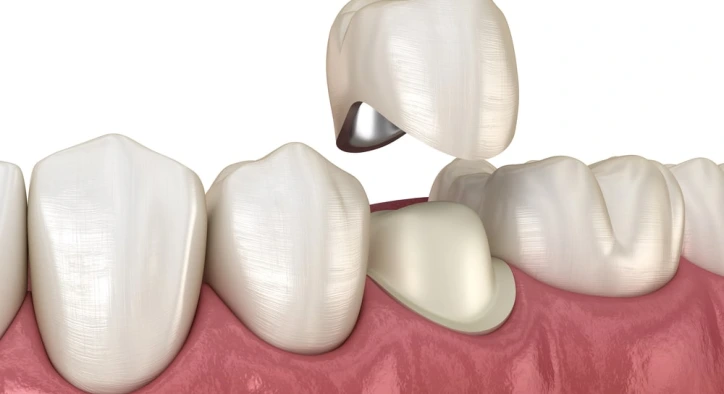
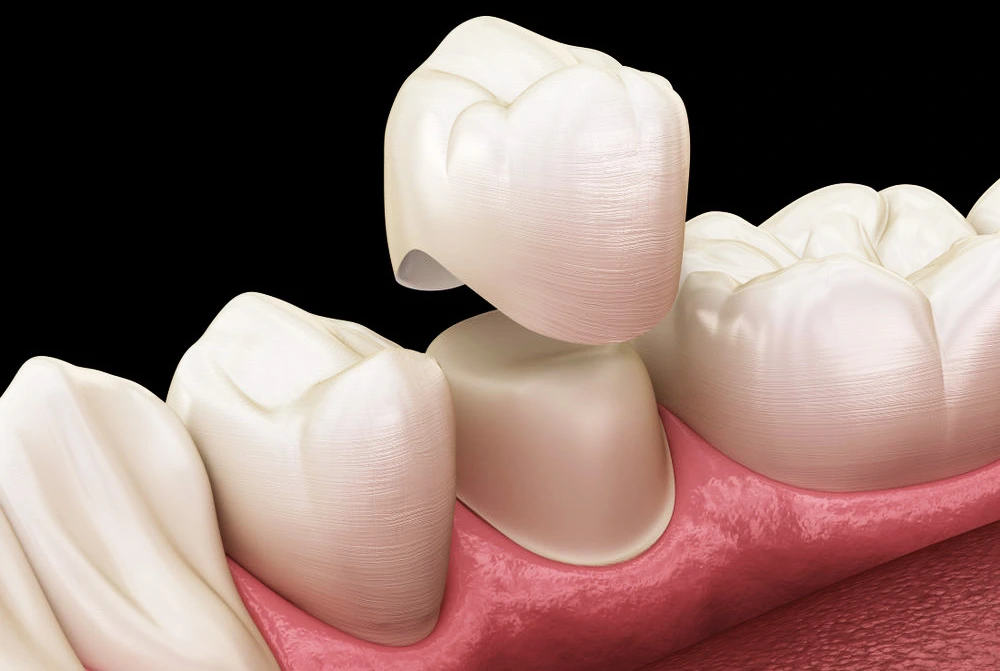
CEREC stands for Chairside Economical Restoration of Esthetic Ceramics. The name sounds technical, but the concept is straightforward: it is a system that lets your dentist create a custom ceramic crown in the dental chair, during a single appointment, using digital scanning and precision milling equipment.
Developed by Sirona Dental Systems and introduced in the 1980s, CEREC has evolved substantially over the decades. Today it represents one of the most sophisticated CAD/CAM (computer-aided design and computer-aided manufacturing) systems available in modern dentistry. The technology has been used to place millions of restorations worldwide, and clinical research consistently supports its reliability and longevity.
At its core, a CEREC crown is a ceramic dental crown produced on-site rather than in an external dental laboratory. For patients, this means one appointment instead of two, no uncomfortable temporary crown, and immediate results they can see and feel on the same day. Patients who have experienced both approaches almost universally prefer the single-visit CEREC method.
How Does CEREC Technology Actually Work?
Understanding the CEREC process helps demystify what can initially sound like complex dental technology. The workflow breaks down into four distinct phases, each relying on digital precision rather than traditional impression-taking.
Digital Scanning
The dentist uses a small intraoral camera to capture a detailed three-dimensional scan of the prepared tooth and surrounding teeth. This takes just a few minutes and is far more comfortable than traditional putty impressions. The scan creates an accurate digital model of your tooth structure, bite alignment, and adjacent teeth - capturing every contour in precise detail.
Crown Design
The 3D scan is imported into CEREC design software, which suggests a crown shape based on your tooth anatomy. The dentist reviews and adjusts the virtual crown - refining the contours, bite surface, and contact points - until the design is precisely tailored to your mouth. Patients can sometimes watch this process on a chairside screen, which many find genuinely fascinating.
Milling
Once the design is finalised, the file is sent wirelessly to an in-office milling machine. A diamond-tipped bur carves the crown from a solid ceramic block in approximately 15 to 20 minutes. Different ceramic materials are available in the milling unit depending on the tooth's position and the patient's specific requirements.
Fitting and Bonding
After milling, the dentist polishes the crown, checks its fit against your bite, and makes any fine adjustments. When everything is correct, the crown is bonded permanently to the prepared tooth using dental adhesive. No temporary crown, no waiting room, no return trip to the clinic - the entire process is complete in one sitting.
CEREC Crown vs Traditional Crown: A Side-by-Side Comparison
Patients frequently ask whether a CEREC crown is as good as a traditionally made crown. The honest answer is: in most clinical situations, yes - and in several respects, it delivers distinct advantages. Here is a direct comparison across the factors that matter most:
| Factor | CEREC Crown | Traditional Crown |
|---|---|---|
| Number of appointments | 1 | 2 to 3 |
| Temporary crown required | No | Yes (2 to 3 weeks) |
| Impression method | Digital intraoral scan | Putty impression |
| Fabrication location | In-office (15 to 20 min) | External lab (1 to 3 weeks) |
| Material options | Ceramic (lithium disilicate, zirconia, porcelain) | Metal, porcelain-fused-to-metal, ceramic |
| Aesthetics | Excellent - fully tooth-coloured | Varies by material chosen |
| Longevity | 10 to 20+ years | 10 to 15 years (varies by material) |
| Marginal fit accuracy | Very high - digital precision | Good - dependent on lab quality |
One area where traditional crowns retain an advantage is in cases where the tooth preparation margin extends significantly below the gum line. The CEREC scanner cannot always capture deep subgingival details accurately, so in these situations a laboratory-fabricated crown may be more appropriate. Your dentist will assess your specific case and advise accordingly.
For the vast majority of crown cases, the digital precision of the CEREC system produces restorations with excellent marginal fit - the seal between crown and tooth - which is one of the most critical factors for long-term success and preventing secondary decay beneath the restoration.
Materials Used in CEREC Crowns
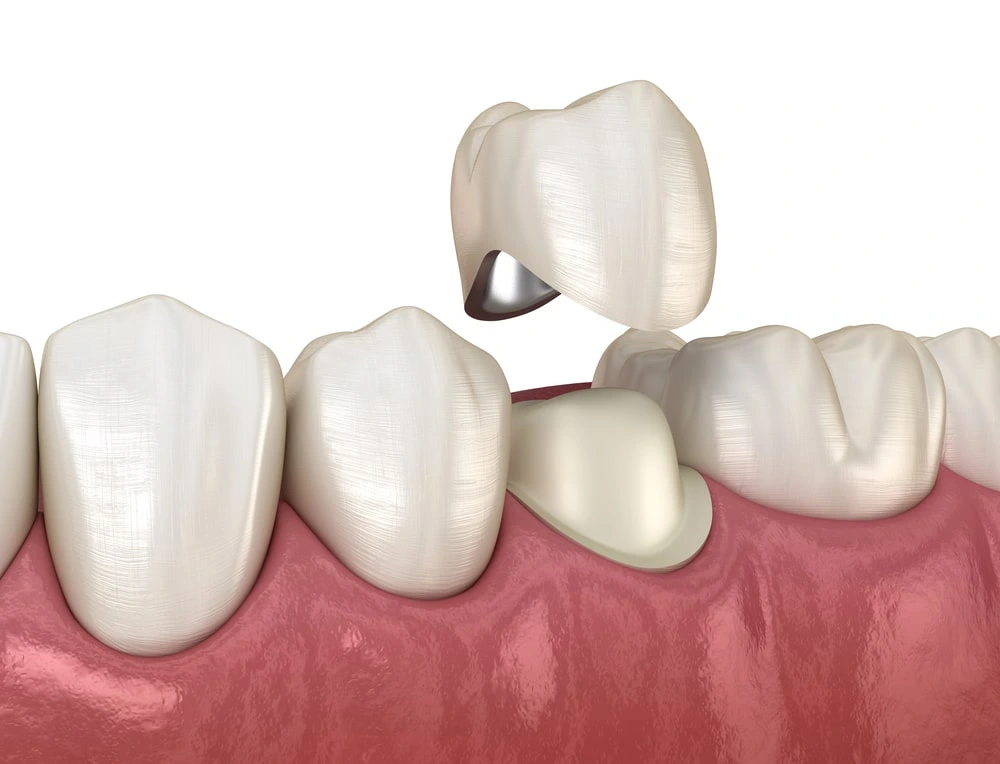
The ceramic material selected for your CEREC crown depends on which tooth is being restored, the forces it will bear, and your aesthetic expectations. Three main ceramic types are used in the CEREC system, each with distinct properties.
Lithium Disilicate (E-Max)
Lithium disilicate is the premium choice for front teeth and visible areas. It produces crowns with exceptional translucency that closely mimics natural tooth enamel. The material has flexural strength around 400 MPa - more than sufficient for anterior restorations - and its optical properties make it virtually indistinguishable from surrounding natural teeth. For patients considering an E-Max crown, this is the ceramic material that makes it possible.
Zirconia
For posterior teeth - molars and premolars that endure heavy chewing forces - zirconia is often the preferred material. Its strength (up to 1,200 MPa in some grades) makes it highly resistant to fracture under the pressures of daily chewing. Modern zirconia formulations have also improved significantly in translucency, so aesthetic results are far better than early-generation zirconia restorations. Our zirconium crown treatment page provides detailed information about this material and its applications.
Feldspathic Porcelain
Feldspathic porcelain blocks are used primarily for veneers and inlays where maximum aesthetic refinement is the priority. This material is more brittle than lithium disilicate or zirconia, so it is used selectively in low-stress applications where the final appearance is the primary concern.
Your dentist will recommend the most appropriate material based on the tooth's location, your bite pattern, and your aesthetic goals. CEREC ceramic blocks come in a comprehensive range of shades, so colour-matching to adjacent natural teeth is typically very accurate.
Who Is a Good Candidate for a CEREC Crown?
Most patients who need a dental crown are suitable candidates for the CEREC system. The technology is particularly well-suited to certain clinical situations where speed and precision are both priorities.
- Cracked or fractured teeth where immediate restoration prevents further structural damage
- Teeth with large or failing fillings where the remaining tooth structure cannot support another filling
- Teeth after root canal treatment that need protective coverage to prevent fracture
- Aesthetic restoration of worn, heavily discoloured, or misshapen teeth
- Replacement of old crowns that are failing, discoloured, or showing visible metal margins
- Dental tourists visiting İstanbul who need efficient, high-quality treatment within a limited stay
CEREC may be less suitable in cases where the preparation margin extends significantly below the gum line, or when a patient has very limited mouth opening that makes intraoral scanning difficult. In these situations, a laboratory-fabricated restoration such as a porcelain crown may be the recommended alternative.
Age is rarely a barrier. The CEREC system is used successfully from teenagers with fully developed teeth through to elderly patients. What matters most is the condition of the underlying tooth structure and the patient's commitment to maintaining good oral hygiene after treatment.
What to Expect During Your CEREC Crown Appointment
Patients often ask what a CEREC appointment actually feels like from start to finish. Knowing what to expect helps reduce any anxiety and allows you to plan the rest of your day around the appointment.
The appointment typically lasts between one and a half to three hours, depending on the complexity of your case. It begins with local anaesthesia to numb the area thoroughly, followed by preparation of the tooth - removing decay and shaping the structure to receive the crown. This stage of the procedure is essentially the same as traditional crown preparation.
Once the tooth is prepared, the dentist takes the digital scan. This is usually the point where patients notice the biggest difference from traditional dentistry: no impression tray, no gagging on putty, no unpleasant wait for material to set. The scan is completed in a couple of minutes, and the three-dimensional image appears almost immediately on the chairside screen.
While the dentist designs the crown on the computer, you can sit back and relax. Once the design is approved and milling begins, you will hear the machine working - a quiet mechanical sound - for around 15 to 20 minutes. The dentist then tries the crown in your mouth, checks your bite, and polishes the ceramic surface before bonding it permanently.
By the end of the appointment, you leave with a completed, permanent crown. There is no temporary crown to worry about, and no need to return to the clinic in three weeks. For patients who have combined dental care with a visit to İstanbul, this single-visit efficiency is genuinely significant - freeing up the rest of their time for other activities or travel.
How Long Does a CEREC Crown Last?
Longevity is one of the most common questions patients raise about CEREC crown restorations. Based on clinical studies tracking patients over 10 to 15 years, CEREC ceramic crowns show survival rates comparable to laboratory-made crowns. Many patients enjoy their CEREC crowns for 15 to 20 years or more when they maintain good oral hygiene and attend regular dental check-ups.
Research published in peer-reviewed dental journals consistently shows that CAD/CAM ceramic restorations - particularly lithium disilicate crowns - perform reliably in long-term clinical follow-up. A review of studies in the Journal of Dental Research found that ceramic CAD/CAM restorations have survival rates exceeding 90% at 10 years for single-unit crowns, which is excellent performance by any measure.
Several factors influence how long your crown will last:
- Oral hygiene habits: Brushing twice daily and flossing regularly prevents decay from developing at the crown margin, which is the most common cause of crown failure
- Dietary habits: Very hard foods - ice, boiled sweets, hard nuts - can chip ceramic over time, particularly in people who chew with significant force
- Bruxism (teeth grinding): Grinding places considerable stress on ceramic restorations; a custom night guard is often recommended for patients who grind their teeth
- Regular dental check-ups: Your dentist can identify early signs of crown wear, gum changes, or marginal gaps before they develop into larger problems
In clinical practice, patients who attend regular check-ups and maintain good oral hygiene routinely achieve 15 or more years from their CEREC crowns - a strong return on any dental investment.
CEREC Crown in İstanbul: Why Patients Choose Turkey for Same-Day Restorations
For British and European patients seeking high-quality dental care at substantially lower cost than at home, İstanbul has become one of the most popular dental tourism destinations in Europe. The city combines excellent transport links, experienced and internationally trained dental teams, and modern technology - including full CEREC systems - with prices that are a fraction of those in the UK, Germany, or other Western European countries.
At Avrupa Saglik Dis, our clinic in İstanbul is fully equipped with the latest CEREC technology alongside digital radiography and 3D cone beam imaging. Patients who travel for dental care often have limited time, which makes same-day restorations especially practical. In a single appointment, you can arrive at the clinic in the morning and leave in the afternoon with a completed, permanent ceramic crown - no return visit, no waiting for a laboratory.
Patients regularly tell us they expected to compromise on quality by choosing dental treatment abroad. In practice, the technology available at our clinic - CEREC CAD/CAM systems, intraoral scanners, digital X-rays, and 3D CBCT imaging - is equivalent to what is available at leading practices in the UK and often beyond what is routinely available on the NHS. You can see real patient outcomes in our before and after gallery and read first-hand experiences from previous visitors on our patient reviews page.
The combination of advanced technology, experienced dental professionals, and İstanbul's appeal as a destination makes Turkey a genuinely practical choice for anyone who needs one or more crowns. Many patients combine their treatment with a short stay in the city, turning what would otherwise be a stressful dental procedure into a straightforward and even enjoyable experience.
Patients interested in a wider aesthetic transformation alongside their crown work may also wish to explore our smile design service, which combines multiple treatments into a coordinated plan for a complete smile renovation.
Caring for Your CEREC Crown
A CEREC crown requires no special maintenance beyond what you should already be doing for your natural teeth. The ceramic material is stain-resistant and does not require specific cleaning products or specialist tools. Standard dental hygiene practices are entirely sufficient.
Brush your crown twice a day using fluoride toothpaste and a soft-bristled toothbrush. Floss daily, being careful to slide the floss gently around the base of the crown rather than snapping it down sharply, which can stress the bonded junction over time. An antibacterial mouthwash can help keep the gum tissue around the crown healthy and reduce the bacterial load at the margin.
Avoid habits that place unnecessary stress on the ceramic: chewing ice, biting fingernails, using your teeth to open packaging, or grinding down on very hard foods. If you know you grind your teeth at night, ask your dentist about a custom-fitted night guard to protect the ceramic restoration while you sleep.
Regular dental check-ups - ideally every six months - allow your dentist to assess the crown's condition, clean areas that are difficult to reach at home, and catch any marginal changes early. According to the British Dental Association, all dental restorations including crowns should be reviewed regularly by a qualified dental professional to ensure they remain in good condition and functioning correctly.
If you notice any sensitivity around the crowned tooth, sharp edges when running your tongue over the crown, or any changes in how your teeth meet when you bite, contact your dentist promptly rather than waiting for your next scheduled appointment. Most post-placement issues are minor and straightforward to address when caught early.
Frequently Asked Questions About CEREC Crowns
Is a CEREC crown as strong as a traditional crown?
Yes, in most cases. Lithium disilicate and zirconia CEREC crowns have strength and durability comparable to laboratory-made ceramic crowns. Zirconia CEREC crowns are exceptionally strong and are appropriate even for patients with heavy bite forces. The main material consideration with CEREC is that it produces ceramic restorations only - metal or porcelain-fused-to-metal options are not available through the system. For most patients, ceramic is the preferred material anyway due to its superior aesthetics and biocompatibility.
Does getting a CEREC crown hurt?
The procedure is carried out under local anaesthesia, so you should not feel pain during treatment. Some patients notice mild sensitivity in the treated tooth for a few days after the crown is placed, which typically settles on its own as the tooth adjusts to the new restoration. If sensitivity persists beyond a week or two, or if it is severe, contact your dentist for a check-up.
How accurate is a CEREC digital scan compared to traditional impressions?
Clinical research has consistently shown that intraoral digital scans used in CEREC produce impressions that are at least as accurate as traditional putty impressions, and in many cases more precise. The digital workflow eliminates potential errors that can occur during impression transport to an external laboratory and during the casting and model-making process. The marginal fit of CAD/CAM crowns has been shown to be excellent in independent studies.
Can CEREC crowns be used for back molars as well as front teeth?
Yes. Zirconia ceramic blocks used in the CEREC system are specifically designed for high-stress posterior teeth. The material's strength makes it entirely appropriate for molars and premolars that bear significant chewing forces. Your dentist will select the most suitable ceramic material - zirconia for posterior teeth, lithium disilicate for anterior or aesthetic-priority teeth - based on the tooth's position and your individual requirements.
What happens if a CEREC crown chips or breaks?
Small chips in ceramic crowns can sometimes be repaired using dental composite bonding without replacing the entire crown. More significant fractures typically require the crown to be remade. The risk of chipping is minimised by selecting the appropriate ceramic material for each tooth's position and load, and by avoiding habits that stress the ceramic. Zirconia crowns in particular have very high fracture resistance and chip far less readily than older all-porcelain restorations.
Can CEREC technology be used for other restorations besides crowns?
Absolutely. The CEREC system can produce inlays and onlays - partial coverage restorations for cavities that are too large for a standard filling but do not require a full crown - as well as veneers for the aesthetic improvement of front teeth. The same digital scanning, designing, and milling workflow applies to all these restoration types, providing the same same-day convenience across a range of restorative and cosmetic dental needs.