


When Is Root Canal Treatment Tooth Extraction Necessary?
Don't put off your smile. Message us now to discuss your treatment options with our expert dentists.
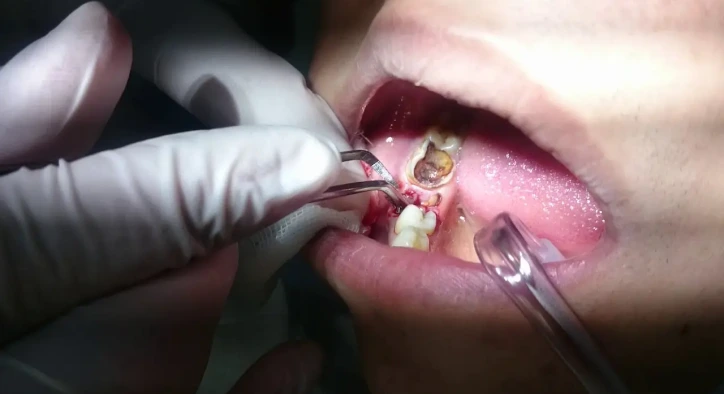
WhatsAppRoot canal treatment tooth extraction is a last resort used when all efforts to save the tooth’s natural structure have failed. Unlike a standard extraction, teeth that have undergone root canal therapy lose water over time and become more brittle. This requires a specific level of precision and care during the extraction of a root canal-treated tooth.
Generally, this procedure is needed due to reasons such as chronic root infections, cracks in the root canal, or the tooth breaking. While our priority is always to keep the tooth in the mouth, in cases where extraction is inevitable, the process is completed using atraumatic techniques to protect the surrounding tissues.
Table of Content
- Why is a Tooth with Root Canal Treatment Extracted?
- Is Root Canal Treatment Tooth Extraction Difficult?
- The Last Chance Before Extraction: Retreatment
- Is Pain Felt During the Extraction?
- How to Fill the Gap After Extraction? Implant or Bridge?
- Aftercare and Recovery Process
- FAQ: Frequently Asked Questions
Why is a Tooth with Root Canal Treatment Extracted?
The success rate of root canal therapy is quite high; however, biological processes do not always progress as expected. So, why is a root canal-treated tooth extracted? The answer usually lies in the structural weakness of the tooth or persistent infections.
When the nerves of a tooth are removed, it essentially becomes a non-vital tissue that is no longer nourished. This increases the risk of the root canal-treated tooth breaking over time. The tooth loses its flexibility, much like a dry tree branch, and can crack vertically under heavy chewing forces. Unfortunately, vertical root fractures are cases where saving the tooth is impossible.
Another critical reason is the chronic nature of a tooth root infection. Due to the complexity of the canal system, bacteria can sometimes remain hidden in the finest canals at the root tips. If this infection spreads below the gum line to the bone and does not respond to repeated treatments, the tooth must be removed to protect overall body health.
Is Root Canal Treatment Tooth Extraction Difficult?
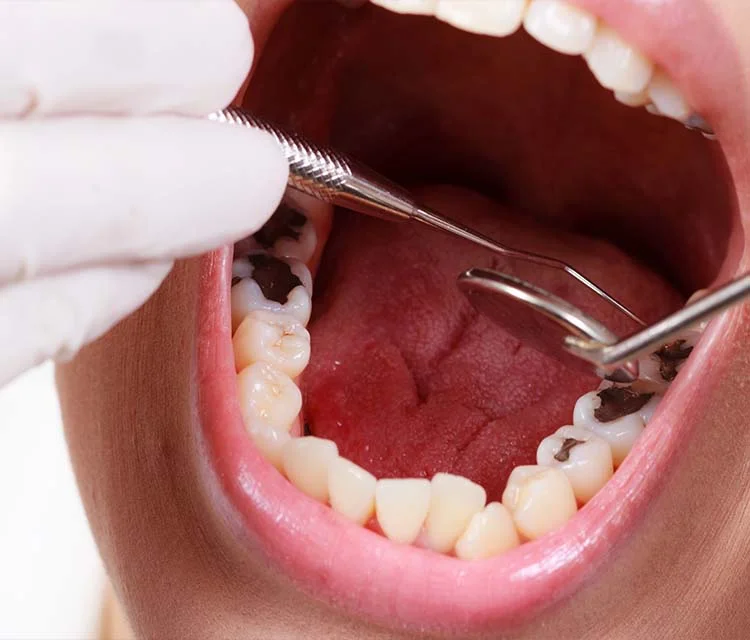
Many patients worry, asking, "Is root canal treatment tooth extraction difficult?" Technically speaking, this procedure requires a bit more attention than a normal extraction. The primary reason is that the physical properties of the tooth have changed.
Root canal-treated teeth are much more glass-like and fragile compared to teeth with intact nerves. It is common for the tooth to crumble or break into pieces under the pressure applied by extraction tools. However, this does not mean the procedure is difficult, but rather that it requires a different technique. An expert dentist can complete the process comfortably by removing the tooth in sections without damaging the surrounding bone tissue instead of trying to pull it in one piece.
The Last Chance Before Extraction: Retreatment
Not every painful or problematic root canal-treated tooth has to be extracted. Before deciding on extraction, the option of root canal retreatment should be carefully evaluated.
So, why does a root canal-treated tooth hurt, and can it be saved with retreatment? Sometimes the old canal filling may not provide a complete seal, or there might be an undetected additional canal. During retreatment, old filling materials are completely removed, canals are disinfected using microscopic methods, and refilled. This is the last and most valuable chance to keep the tooth. If the bone support is sufficient and there is no vertical fracture, it is usually possible to avoid extraction through retreatment.
Is Pain Felt During the Extraction?
The biggest fear in the dental chair is undoubtedly pain. One of the most frequently asked questions is: Does root canal treatment tooth extraction hurt?
The answer is very clear: No. Local anesthesia techniques used today are so advanced that it is possible to completely numb the area regardless of how infected the tooth is. During the procedure, you will only feel a sensation of pressure or pushing, but you will not feel significant pain.
How to Fill the Gap After Extraction? Implant or Bridge?
The most critical stage after root canal treatment tooth extraction is deciding how to fill the resulting gap. Losing a tooth disrupts the chewing order and causes neighboring teeth to tilt toward the space.
- Dental Implant: A titanium screw placed in the jawbone to replace the missing tooth. It is the gold standard because it does not affect neighboring teeth and preserves the jawbone.
- Dental Bridge: Involves reducing two healthy teeth adjacent to the gap to be used as supports. This is preferred in rare cases where an implant is not suitable.
If there is no severe infection in the area, an "Immediate Implant" can be performed, allowing the patient to receive a new tooth root during the same session as the extraction.
Aftercare and Recovery Process
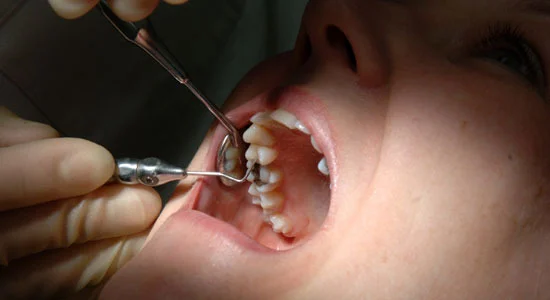
Post-operative care is as vital as the surgery itself for the speed of healing. Protecting the blood clot that forms in the extraction site is the cornerstone of recovery.
- Protect the Clot: Do not spit, rinse your mouth, or use a straw for the first 24 hours. Dislodging the clot can lead to a painful condition called "alveolitis" (dry socket).
- Nutrition: Consume lukewarm and soft foods on the first day. Avoid grainy, very hot, or very cold foods.
- Oral Hygiene: 24 hours after the operation, you can start gentle salt water rinses. Be careful of the extraction site while brushing other teeth.
- Smoking and Alcohol: It is vital not to smoke for at least 48–72 hours as it delays healing and disrupts the clot structure.
|
Feature |
Dental Implant |
Dental Bridge |
|
Neighboring Teeth |
Protected (No cutting) |
Must be reduced/shaved |
|
Bone Health |
Preserves bone, prevents melting |
Bone loss may continue |
|
Lifespan |
Lifetime (With good care) |
10 - 15 Years |
|
Aesthetics |
Closest to the natural tooth |
Very good |
FAQ: Frequently Asked Questions
Does a tooth with root canal treatment need to be extracted?
It needs to be extracted if there is a vertical root fracture, if bone support has decreased excessively, or if the infection persists despite repeated root canal treatments.
Will a root canal-treated tooth break during extraction?
Since these teeth are drier, it is very common for them to break during extraction. However, this is nothing to fear; an expert dentist can easily remove the remaining root fragments with special instruments.
Can an implant be placed immediately after a root canal extraction?
If the infection at the root tip is not severe, an implant can be placed in the same socket immediately after the tooth is extracted (Immediate Implant).
When is a root canal-treated tooth extracted?
Severe pain when biting down, swelling on the gum (abscess), and the growth of the lesion at the root tip seen on X-rays are signs that it may be time for an extraction.
About the Author