


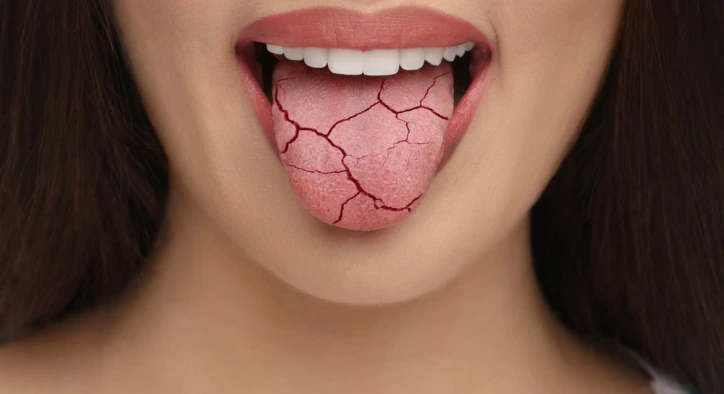
Why Does Dry Mouth Happen?
Don't put off your smile. Message us now to discuss your treatment options with our expert dentists.
WhatsAppDry Mouth is that stubborn “cotton-mouth” feeling that makes many people pause and think, “Why does my mouth feel so dry today?” Sometimes it’s simply linked to not drinking enough fluids, and sometimes it reflects a more layered interaction between lifestyle, medications, and the delicate balance inside the mouth.
Saliva isn’t produced just to “keep the mouth wet.” It’s an invisible hero of the oral ecosystem: it helps you swallow, supports clear speech, buffers acids, and coats oral tissues with a protective film. When that film becomes thinner or less effective, the sensation of Dry Mouth can show up and noticeably affect daily comfort.
İçindekiler
- Why Does Dry Mouth Happen? The Scientific Role of Saliva
- Dry Mouth and Daily Habits: Dehydration, Caffeine, Alcohol, Smoking
- Dry Mouth and Medications: The Most Overlooked Factor
- Why Does Dry Mouth Get Worse at Night? Sleep, Mouth Breathing, Snoring
- Dry Mouth and Oral Balance: Cavities, Bad Breath, Burning Sensation
- Dry Mouth: Conditions It May Be Seen With (A Broader View)
- How to Notice Dry Mouth: Simple Self-Observation Clues
- Dry Mouth Rarely Has Just One Answer
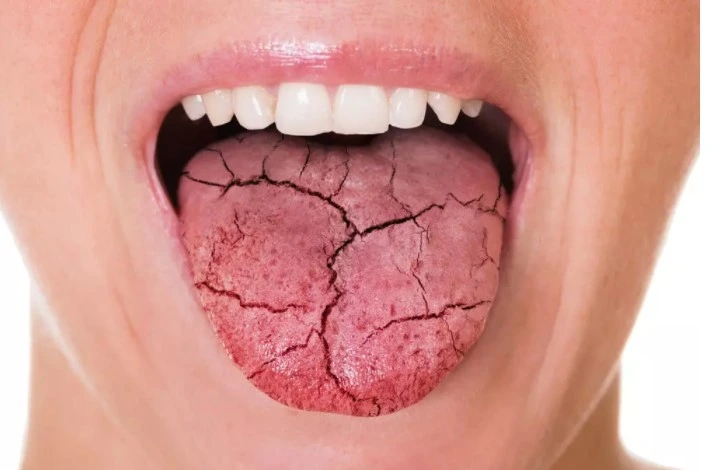
Why Does Dry Mouth Happen? The Scientific Role of Saliva
When people say Dry Mouth, they often mean “reduced saliva.” But sometimes it’s less about the total amount and more about saliva’s composition and how it spreads across oral surfaces. Saliva contains water, electrolytes, proteins, enzymes, and immune-related components. When this mixture shifts, the mouth can become more sensitive.
In research discussions, dry mouth is often split into two ideas: the dryness a person feels (subjective xerostomia) and measurable reduction in saliva flow (hyposalivation). That means someone can report Dry Mouth while tests show a normal flow rate, or show reduced flow without strongly noticing dryness. This difference helps explain why symptoms vary widely from person to person.
Another “quiet” function of saliva is friction control. A tongue that feels like it sticks to the palate, speech that feels less fluid, trouble swallowing, or waking with a scratchy throat can all be experiences that people associate with Dry Mouth. Because saliva helps stabilize pH, changes in saliva can also set off a domino effect across the oral environment.
Dry Mouth and Daily Habits: Dehydration, Caffeine, Alcohol, Smoking
Sometimes Dry Mouth is the result of ordinary daily rhythm. Low fluid intake, heavy coffee consumption, alcohol, and tobacco products can all influence oral moisture balance. The key detail is that everyone’s threshold is different: the same amount of coffee may be neutral for one person and noticeably drying for another.
Caffeine comes up often. Coffee and tea are known for mild diuretic effects in some contexts, which can indirectly influence body fluid balance. Beyond that, coffee’s temperature, acidity, and interaction with oral tissues may amplify the perception of dryness. Alcohol can also affect fluid balance and may increase a sense of irritation in oral tissues, which can make Dry Mouth feel stronger.
Smoking and other tobacco products can shift the mouth’s natural moisture equilibrium. Heat and chemical exposure may leave oral surfaces feeling “dried out.” This may not act alone; it often combines with other factors to make Dry Mouth more noticeable.
Dry Mouth and Medications: The Most Overlooked Factor
Dry Mouth is frequently mentioned as a possible side effect in relation to medication use. Some medications can reduce stimulation of the salivary glands through the nervous system, while others may influence oral moisture indirectly. That’s why the question “I started a new medication, why is my mouth dry?” is a reasonable one.
Across research summaries, dry mouth is commonly discussed in connection with certain antidepressants, some allergy medications (antihistamines), a portion of blood pressure medications, diuretics, and some pain-relief drug classes. An important nuance: not everyone taking the same medication experiences Dry Mouth with the same intensity. Genetics, dosage, duration, medication combinations, and baseline hydration can all change the picture.
Timing can offer clues. Dryness that appears soon after starting a medication, peaks at particular times of day, or changes after a dose adjustment may point to a medication-related contribution. Still, how to interpret these patterns depends on the individual context.
Why Does Dry Mouth Get Worse at Night? Sleep, Mouth Breathing, Snoring
For many people, Dry Mouth is more bothersome at night and in the morning. One reason is simple physiology: saliva production naturally decreases during sleep, so dryness can become easier to notice.
Another common factor is mouth breathing. When someone sleeps with an open mouth, especially during nasal congestion or allergy seasons, oral surfaces lose moisture faster. That can explain waking up with the feeling that the tongue is “stuck” to the palate. Environmental conditions matter too: heated indoor air in winter or very dry climates can intensify nighttime Dry Mouth.
Snoring and broader sleep issues may also connect indirectly. Fragmented sleep, stress physiology, nasal airflow, and mouth-breathing habits can interact, making dryness more prominent. So the pattern “I’m fine during the day but very dry in the morning” can be a meaningful clue when discussing Dry Mouth.
Dry Mouth and Oral Balance: Cavities, Bad Breath, Burning Sensation
Because Dry Mouth can influence oral balance, it may show up alongside other complaints. Saliva helps buffer acids, clears food residues, and supports microbial balance. When saliva is reduced or less effective, the oral environment may become more “sensitive.”
Some people notice more bad breath in a dry mouth setting. In a drier environment, odor-causing compounds can be more noticeable, and the tongue surface may accumulate coatings more easily. Others describe sensitivity to spicy or acidic foods, a burning sensation on the tongue, or a sticky feeling in the mouth. None of these automatically “means” Dry Mouth, but they can appear together.
Here’s a quick summary table of symptoms often discussed alongside dryness, with possible explanations:
| Observed issue | Possible link to Dry Mouth | Why “possible”? |
|---|---|---|
| Bad breath | Less cleansing effect from saliva | Odor can also be linked to gums, digestion, diet, etc. |
| Tongue burning | Higher mucosal sensitivity | Iron/B12 status, stress, reflux, and others may contribute |
| Speech difficulty | Reduced lubricating film | Anxiety and fast speaking can feel similar |
| Swallowing difficulty | Saliva supports swallowing | Throat irritation, allergy, or infection can also play a role |
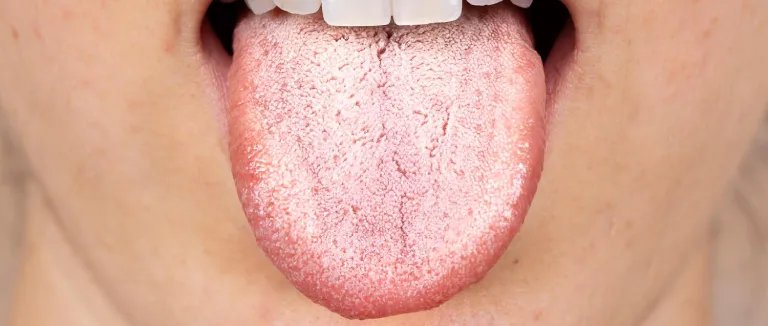
Dry Mouth: Conditions It May Be Seen With (A Broader View)
Dry Mouth can look like a purely oral issue, but it may also reflect the body’s overall state. Fever, heavy sweating, or fluid loss from vomiting/diarrhea can increase dryness sensations. In those cases, the mechanism is more straightforward: less body fluid can mean less saliva availability.
In the medical literature, dry mouth is also discussed alongside a range of chronic and immune-related conditions, including diabetes, thyroid function changes, and certain rheumatologic diseases. But it’s not accurate to say “it definitely comes from X,” because Dry Mouth is multi-factorial and not a diagnosis by itself.
Stress and anxiety are also interesting here. The phrase “My mouth went dry from nerves” exists for a reason. When the sympathetic nervous system is activated, saliva flow and oral sensations can shift. Stress can also influence sleep quality, diet, caffeine intake, and even jaw clenching, creating an ecosystem where Dry Mouth becomes more likely or more noticeable.
How to Notice Dry Mouth: Simple Self-Observation Clues
Dry Mouth doesn’t always arrive as “completely dry.” Sometimes it shows up as smaller signals. If someone frequently needs water while speaking, wakes up at night to drink, or needs extra fluids to swallow dry foods, those can be hints.
The short list below isn’t a diagnostic tool; it’s simply a way to observe patterns:
- A thick, sticky, or rough tongue feeling in the morning
- Frequent swallowing while talking
- Difficulty swallowing crackers or bread without water
- Frequent lip cracking or sensitivity at the corners of the mouth
- Shifts in taste perception or a metallic taste
- A tendency to clear the throat repeatedly during the day
These observations may align with Dry Mouth, but each also has other possible explanations. What often helps is noticing the “pattern”: when it started, how it changes through the day, and which habits intensify it.
For general, reliable background reading, you can also review: World Health Organization oral health and MedlinePlus Dry Mouth.
Dry Mouth Rarely Has Just One Answer
Dry Mouth is a symptom that doesn’t like single-cause explanations. Sometimes it’s tied to hydration, caffeine, or sleep routines; other times, medications, mouth breathing, stress, or overall health context may be involved. This multi-cause nature can feel complex, but it can also offer meaningful clues about your daily patterns.
From the perspective of Avrupa Sağlık Diş, one idea stands out: the mouth isn’t an isolated island. Saliva and oral balance shift with sleep, diet, habits, and broader body conditions. The goal of this article was to give a clear, science-informed overview of Dry Mouth and help readers make sense of the questions they naturally ask about it.
About the Author