


Can a Root Canal Treated Tooth Decay? Pain & Symptoms | 2026
Don't put off your smile. Message us now to discuss your treatment options with our expert dentists.
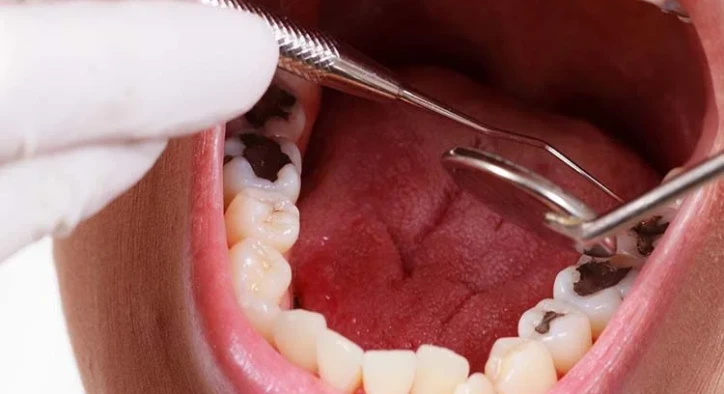
WhatsAppIn contemporary clinical dentistry, root canal therapy (endodontic intervention) stands as the premier protective methodology utilized to thoroughly clear infected dental pulp (nerve and vascular bundles) caused by deep decay, micro-fractures, or trauma. A widespread historical myth among patients suggests that once a tooth has undergone a root canal, it becomes completely "dead and insulated," meaning it can never experience decay or structural challenges again. This is a severe clinical misconception. Although a root canal treated tooth is biologically non-vital, its remaining outer structural walls are continuously exposed to oral acids, structural bacteria, and active biofilms. Consequently, if oral hygiene routines are neglected, root canal treated teeth can easily undergo severe secondary decay from the inside out. This comprehensive guide covers the precise biological decay frameworks, hidden symptoms, and advanced treatment options regarding post-endodontic complications.
Table of Content
- Can a Root Canal Treated Tooth Decay? Biological Realities
- What Happens If a Root Canal Tooth Decays?
- Does a Root Canal Tooth Hurt? Understanding Pain Metrics
- Understanding Root Canal Tooth Discoloration and Darkening
- Comprehensive Clinical Intervention Framework
- Long-Term Maintenance Rules to Extend Post-Endodontic Tooth Lifespan
- Frequently Asked Questions
Can a Root Canal Treated Tooth Decay? Biological Realities
The most frequent query introduced by patients during diagnostic screenings is this: can a root canal tooth decay over time? Based on verified materials science and long-term endodontic tracking, the absolute answer is: Yes, a tooth with a root canal can absolutely decay again.
During an endodontic procedure, only the internal living tissue inside the pulp chamber and root canal architecture is removed. The outer, highly calcified layers remain fully intact. The chemical acids generated by oral bacteria from food debris dissolve the enamel structure of a non-vital tooth exactly the same way they erode a living tooth. Furthermore, because root canal treated structures lose their internal moisture profile over time, the remaining dentin matrix becomes brittle, which can accelerate the structural breakdown if bacteria penetrate the margins.
What Happens If a Root Canal Tooth Decays?
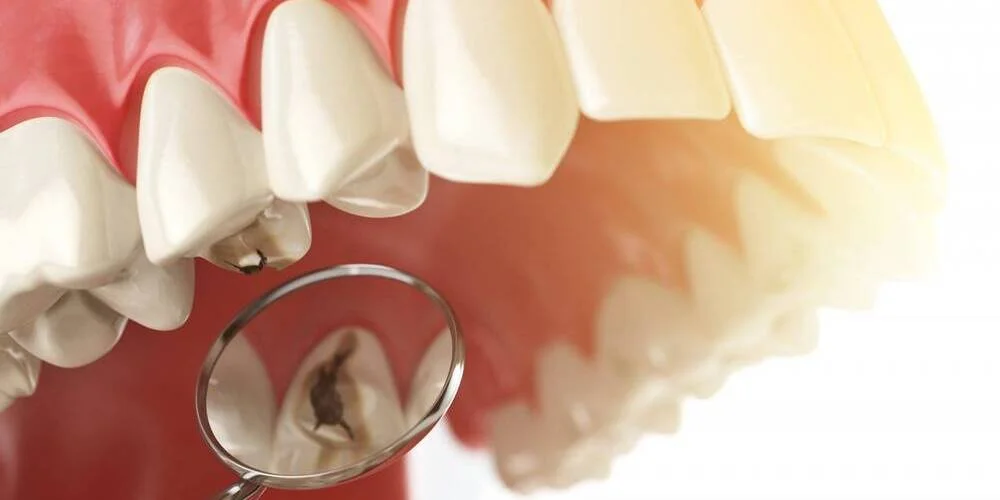
Because a root canal treated tooth lacks internal vital nerves to signal danger, secondary decay progresses in a completely silent, insidious manner. So, what happens if a root canal tooth decays and is left unmanaged? several severe structural complications will develop:
- Massive Core Destruction and Fractures: As anaerobic bacteria dissolve the internal dentin matrix, the tooth becomes structurally hollow. Even if the outer enamel looks clean, the tooth can suddenly split or fracture horizontally at the gum line under standard chewing loads.
- Adhesive Leakage and Periapical Re-Infection: When secondary decay reaches the internal root canals, it breaks down the seal created by old root canal filling materials (gutta-percha). Bacteria migrate down to the root apex, triggering chronic bone infections, periapical abscesses, and jawbone resorption.
- Complete Structural Loss and Extraction: If the secondary decay extends deep below the gingival margin into the structural root body, the tooth can no longer hold a direct filling or a custom crown, making surgical extraction mandatory.
Does a Root Canal Tooth Hurt? Understanding Pain Metrics
Patients are frequently confused by the neurological aspects of post-endodontic discomfort, querying: "does a root canal tooth hurt if the nerves are gone?"
A tooth that has undergone successful root canal therapy has had its internal sensory fibers completely removed. Consequently, this tooth cannot register thermal sensitivity to hot or cold liquids, nor can it produce pulpal pain from new decay. However, experiencing a dynamic root canal tooth pain sensation is entirely possible due to these two primary clinical scenarios:
- Periapical Tissue Inflammation: While the internal nerves of the tooth are gone, the surrounding support systems are fully alive. When secondary decay leaks down the root canal and exits the root apex, it forms a localized abscess. The resulting fluid pressure inside the hard bone structure causes sharp pain when biting down or applying pressure.
- Missed Internal Canal Anatomy: Human root canal morphology is highly complex, often featuring hidden accessory or branch canals. If a microscopic fourth or fifth canal was missed during the initial endodontic intervention, the remaining tissue inside that uncleaned canal will become inflamed, leading to intense throbbing pain.
Understanding Root Canal Tooth Discoloration and Darkening
Encountering a noticeable aesthetic shift or darkening in a post-endodontic tooth points to two distinct clinical pathways:
- Oxidized Hemoglobin Residues: If structural tissue remnants or blood elements were not thoroughly cleaned from the internal pulp chamber during the initial root canal procedure, the iron molecules within the hemoglobin oxidize over time. This chemical reaction darkens the dentin framework from within, causing the tooth to display a grey, dark brown, or black hue.
- Hidden Secondary Decay Shadows: When bacteria leak beneath old composite fillings or loose crown margins, the resulting internal tooth decay creates a dark shadow that reflects through the translucent enamel layer, signaling a hidden infection.
Comprehensive Clinical Intervention Framework
When a root canal treated tooth presents with secondary decay, the targeted clinical pathway relies completely on the depth of the structural destruction and the condition of the periapical bone matrix:
|
Clinical Scenario & Decay Depth |
Selected Treatment Methodology |
Core Clinical Objective |
|
Mild / Superficial Marginal Leakage |
Premium Composite Restoration |
Clears out local decay and seals the structural margins cleanly. |
|
Severe Core Weakening (Wall Collapse) |
Core Build-up with Fiber Post / Onlay |
Anchors into the root system to reinforce the remaining tooth structure against fractures. |
|
Apical Abscess with Failing Infillings |
Endodontic Retreatment |
Removes failing core materials, re-disinfects canals, and seals the apex. |
|
Deep Subgingival Decay / Vertical Root Fracture |
Extraction & Dental Implant Insertion |
Removes the unsalvageable root matrix and replaces it with a titanium substitute. |
Long-Term Maintenance Rules to Extend Post-Endodontic Tooth Lifespan
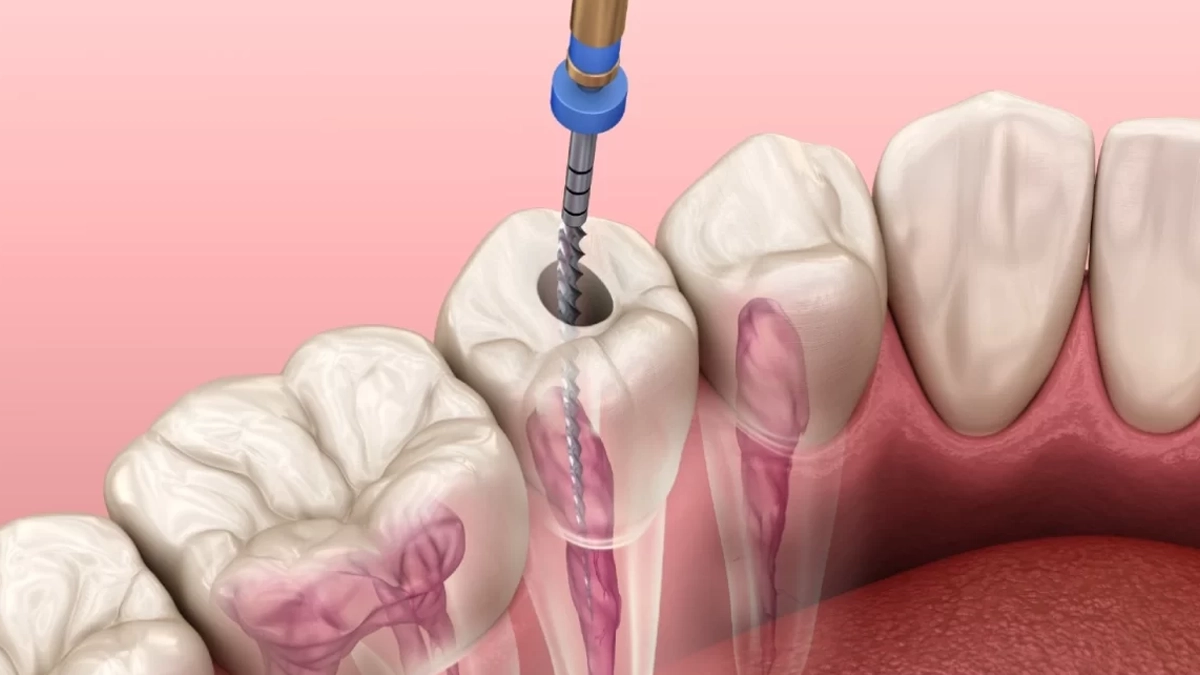
Extending the clinical durability of a root canal treated tooth requires precise protective engineering coupled with meticulous home care:
- Full-Coverage Protective Restorations: Rear molars handle immense vertical grinding loads. Leaving a root-canal-treated molar protected solely by a large direct composite filling invites micro-leakage and catastrophic structural fractures over time. Protecting these teeth with a zirconium or E-Max crown acts as a protective shield, sealing out oral bacteria permanently.
- Routine Radiographic Telemetry: Because secondary decay in non-vital teeth progresses without pain, tracking its structural stability requires regular dental x-rays. Annual panoramic or periapical x-rays are mandatory to audit the underlying root structures and crown margins.
- Interproximal Biofilm Removal: Since the majority of secondary decay sequences begin directly between adjacent teeth, implementing interdental floss and specialized intraoral water flossers daily is essential to keep hidden surfaces free of plaque.
Frequently Asked Questions
How can I tell if a root canal tooth is decaying if there is no pain?
Because the internal pain warning system is missing, detecting secondary decay at home is highly challenging. However, look out for symptoms like localized gum swelling, small pimple-like fistulas near the root line, a persistent bad taste or odor in your mouth, dark grey discoloration, or micro-chipping along the tooth edges. Definitive verification requires a dental x-ray.
Can a root canal tooth with dark discoloration regain its natural brightness?
Yes, it can. Standard external teeth whitening systems are ineffective against internal post-endodontic darkening. Instead, an "internal bleaching" procedure is performed. The old access filling is opened, and a specialized medical-grade bleaching agent is placed directly inside the internal pulp chamber. Over a few short sessions, this agent oxidizes the deeply trapped stain molecules from within, fully restoring the tooth's natural brightness.
Is an endodontic root canal retreatment painful?
Absolutely not. Because the primary vital nerve tissue was already removed during the initial therapy, the internal tooth matrix lacks sensation. However, because the specialist must pass through the root apex to clear out the old infection from the surrounding bone tissues, a mild local anesthetic block is utilized to ensure total patient comfort. You will only feel a light vibration during the procedure.
About the Author