


Different Types of Dental Implant and Their Advantages and Disadvantages
Don't put off your smile. Message us now to discuss your treatment options with our expert dentists.
WhatsAppOne of the most remarkable advancements in modern dentistry is the Dental Implant, which has become a cornerstone of contemporary restorative treatments by offering both functional and aesthetic solutions for missing teeth. Today, this field has evolved far beyond a simple “replacement” procedure, transforming into an interdisciplinary domain where biomechanics, material science, and surgical techniques intersect.
Dental Implant applications include a wide variety of techniques, materials, and surgical approaches, creating a broad spectrum of options for patients.
İçindekiler
- What is a Dental Implant and Its Clinical Perspective
- Endosteal Dental Implant Types and Applications
- Subperiosteal Dental Implant and Alternative Approaches
- Zygomatic Dental Implant for Advanced Cases
- Single-Stage vs Two-Stage Dental Implant Procedures
- Material Types in Dental Implant Systems (Titanium vs Zirconium)
- Advantages and Disadvantages Analysis
What is a Dental Implant and Its Clinical Perspective
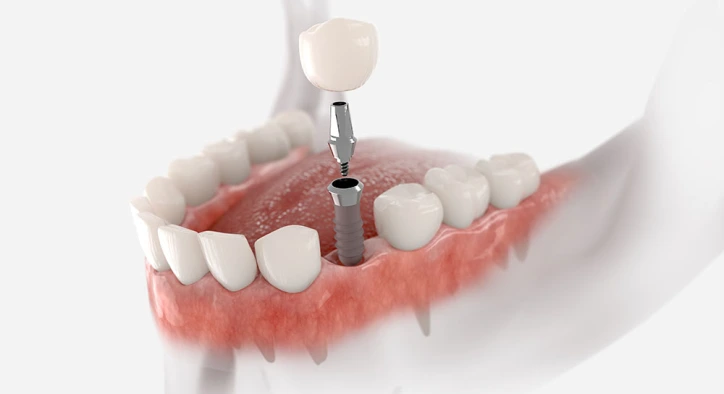
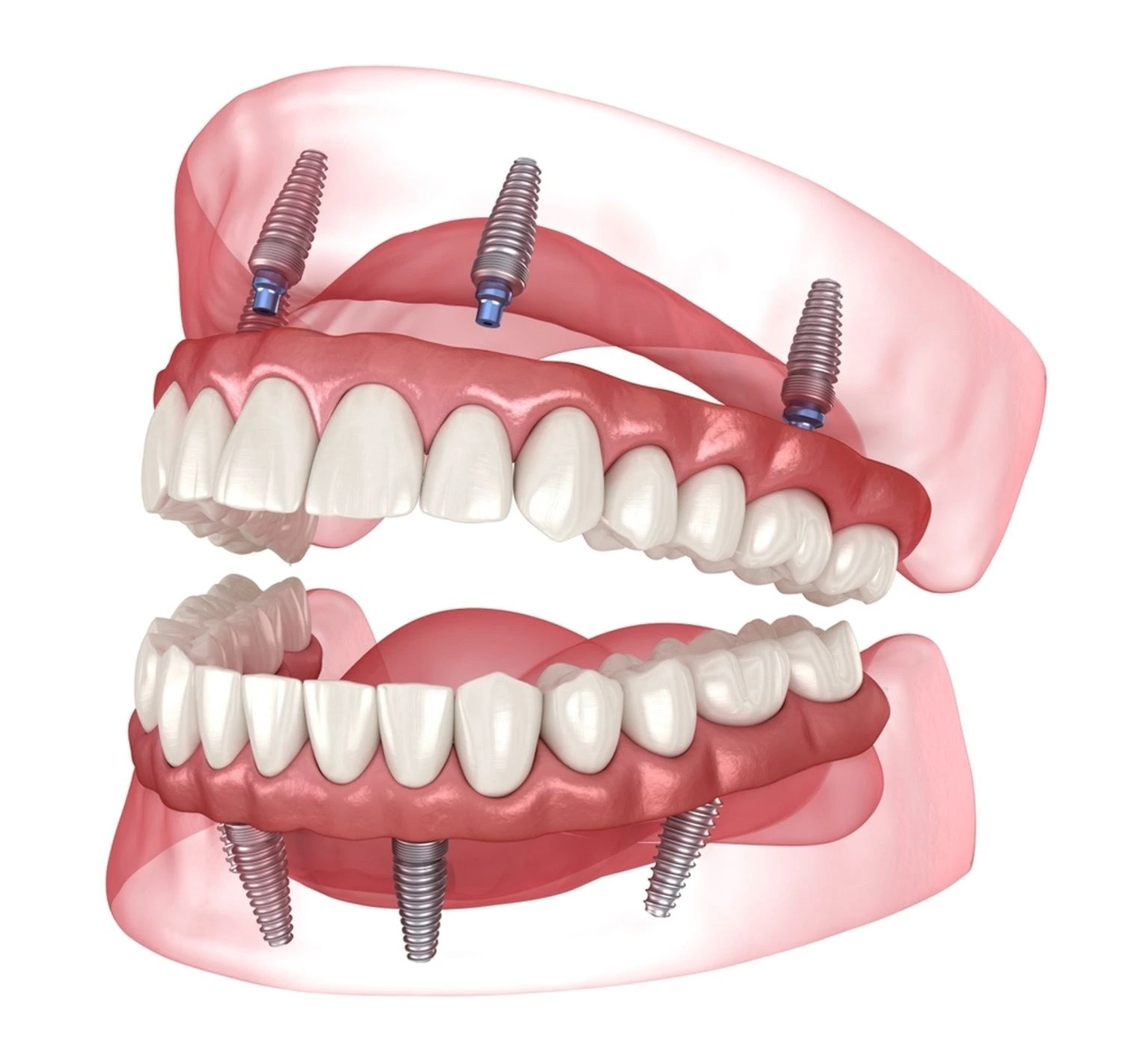
A Dental Implant is a biocompatible structure placed into the jawbone to act as an artificial tooth root. Its primary purpose is to restore chewing function and aesthetics by mimicking the natural tooth root.
From a clinical standpoint, a Dental Implant is not merely a “screw”; it is part of a biomechanical system that integrates with bone over time. This process is known as osseointegration and is considered one of the most critical factors for implant success.
Another key aspect is that Dental Implant planning is highly personalized. Factors such as bone density, jaw structure, and oral hygiene play essential roles in determining the treatment approach.
Endosteal Dental Implant Types and Applications
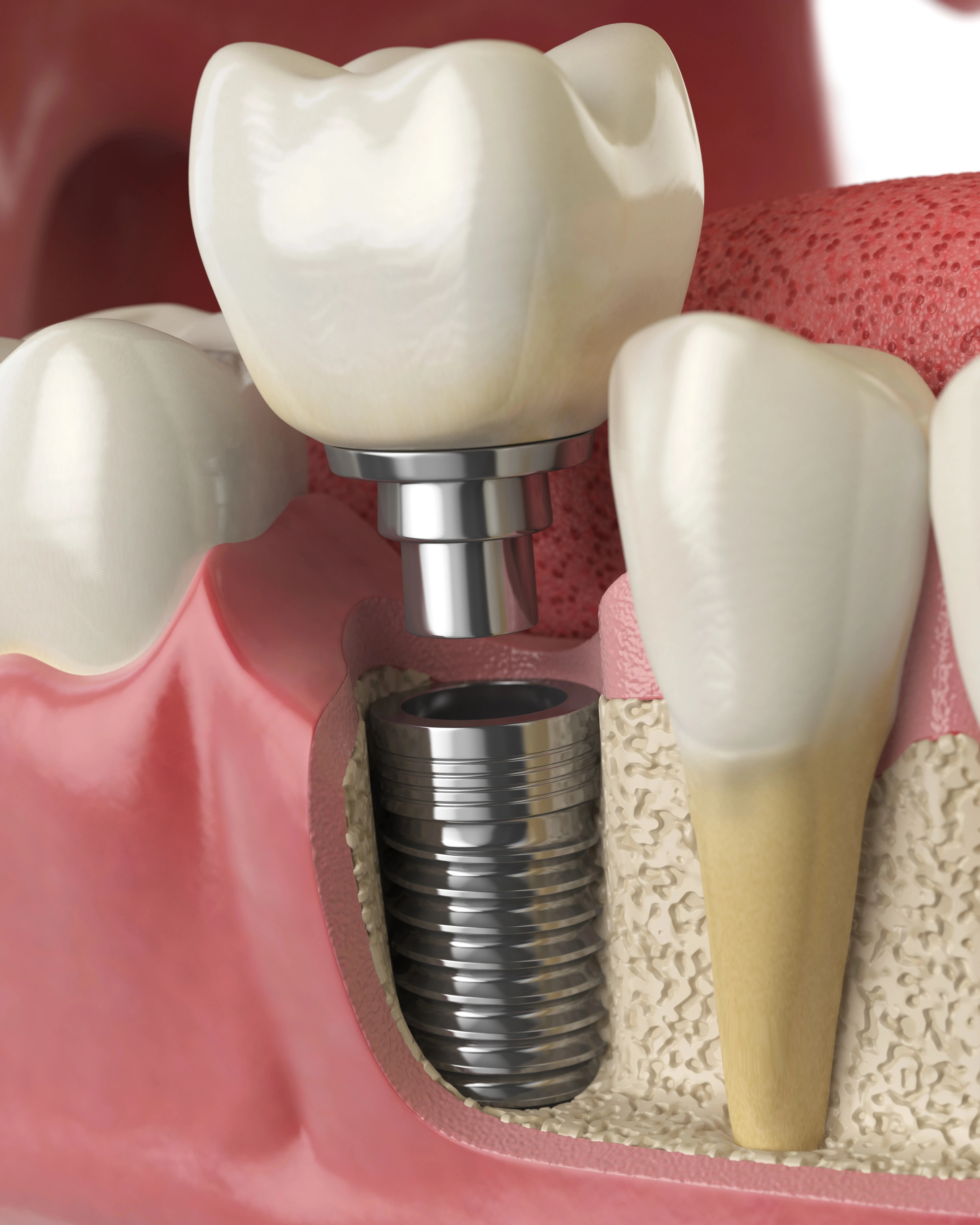
The endosteal Dental Implant is the most commonly used type and is placed directly into the jawbone. It typically comes in screw, cylinder, or plate form.
This type of Dental Implant is preferred especially in patients with sufficient bone volume. Its structural stability makes it highly reliable for long-term use.
One of the most important advantages of endosteal systems is their compatibility with various prosthetic solutions. They can be used in single-tooth replacement as well as full-arch restorations.
Key Features of Endosteal Dental Implant
- Placed directly into the bone
- High stability
- Long-term durability
- Reliable aesthetic outcomes
This type of Dental Implant is widely considered the foundation of modern implantology.
Subperiosteal Dental Implant and Alternative Approaches
The subperiosteal Dental Implant is placed on top of the jawbone but beneath the gum tissue. It was developed as an alternative solution for patients with insufficient bone volume.
Although less commonly used today, this type of Dental Implant remains relevant in specific clinical cases where bone grafting procedures may be avoided.
Subperiosteal systems are often custom-designed for each patient, reflecting the advanced capabilities of modern dental manufacturing technologies.
Another important factor is the adaptation process, as this Dental Implant type interacts differently with soft tissues compared to endosteal systems.
Zygomatic Dental Implant for Advanced Cases
The zygomatic Dental Implant is a specialized technique used in cases of severe upper jaw bone loss. In this method, the implant is anchored into the zygomatic bone (cheekbone).
This type of Dental Implant is particularly valuable for patients with advanced bone resorption where conventional implants cannot be used.
Its extended length allows anchorage in alternative anatomical regions, providing strong stability even in complex cases.
Because of its surgical complexity, this Dental Implant type is typically planned by multidisciplinary dental teams.
Single-Stage vs Two-Stage Dental Implant Procedures
Dental Implant procedures are not only categorized by type but also by surgical stages. The two primary approaches are single-stage and two-stage implant systems.
In a single-stage Dental Implant procedure, the implant and healing abutment are placed in the same session. This offers a faster treatment timeline but requires careful case selection.
In the two-stage system, the implant is placed first, followed by a healing period before the second surgical phase. This approach allows for more controlled healing.
Comparison Table
|
Feature |
Single-Stage Dental Implant |
Two-Stage Dental Implant |
|
Duration |
Shorter |
Longer |
|
Healing control |
Moderate |
High |
|
Surgical complexity |
Low–Moderate |
Moderate–High |
Each Dental Implant approach is selected based on individual anatomical and clinical needs.
Material Types in Dental Implant Systems (Titanium vs Zirconium)
Modern Dental Implant systems are typically made from titanium or zirconium-based materials. Both offer high levels of biocompatibility.
Titanium Dental Implant systems are the most widely used due to their durability and long clinical track record. Their integration with bone is highly predictable.
Zirconium implants, on the other hand, are preferred in cases where aesthetic considerations are a priority. Their metal-free structure is considered an advantage for certain patients.
The choice between these materials depends entirely on clinical evaluation and patient-specific needs.
Advantages and Disadvantages Analysis
The Dental Implant offers significant functional and aesthetic advantages. It closely mimics natural teeth, provides long-term stability, and does not damage adjacent teeth.
However, like any medical procedure, it also has limitations. These may include cost, surgical requirements, and healing duration. Additionally, outcomes may vary depending on individual anatomical conditions.
Despite these limitations, advancements in Dental Implant technology have significantly improved success rates and patient satisfaction over the years.
Overall, the Dental Implant represents one of the most advanced solutions in modern dentistry for replacing missing teeth. With its various types, materials, and surgical approaches, it allows highly personalized treatment planning.
About the Author