


Gum Graft Surgery Guide: Recovery, Procedure & Nutrition
Don't put off your smile. Message us now to discuss your treatment options with our expert dentists.
WhatsAppWithin the intraoral environment, there are two primary soft tissue layers that envelope the teeth like armor, shielding exposed root surfaces and protecting the underlying alveolar bone matrix against bacterial ingress. The first layer is the highly keratinized "attached gingiva" bound directly to the bone, while the second is the mobile alveolar mucosa extending toward the lips and cheeks. When this attached gingiva loses its protective volume due to aggressive toothbrushing, genetic thin tissue biotypes, defective prosthetic margins, or chronic periodontitis, gum recession occurs. As the recession advances, the tooth root surface becomes completely exposed, triggering severe thermal sensitivity, root caries, aesthetic defects, and eventually tooth loss.
To reconstruct these exposed root surfaces with healthy soft tissue, expand the attached gingiva band, and extend the biological lifespan of the tooth, the premier microsurgical intervention utilized is a gum graft (gingival graft / soft tissue matrix transplant). Executed with high precision by periodontists using microsurgical instruments, this procedure stands as the most definitive clinical solution to arrest tissue loss. This comprehensive YMYL master guide covers what is a gum graft, how free gingival graft surgeries are performed, operational durations, and structured protocols for after gum graft home care.
Table of Content
- What is a Gum Graft?
- Understanding the Free Gingival Graft (FGG)
- How is Gum Graft Surgery Performed? Structural Duration
- How Long Does Gum Graft Surgery Take?
- Tracking the Reality: Gum Graft Before After Expectations
- Critical Care Rules After a Gum Graft Surgery
- Structured Post-Operative Nutrition Protocol
- Frequently Asked Questions
- Is a gum graft permanent? Can the tissue recede again over time?
- How long does the palatal donor site take to heal? Does it cause intense pain?
- When are the micro-sutures removed after a gum graft?
- Can a gum graft surgery be performed if I currently have a cold or flu?
- Can I smoke tobacco or use e-cigarettes after a gum graft?
What is a Gum Graft?
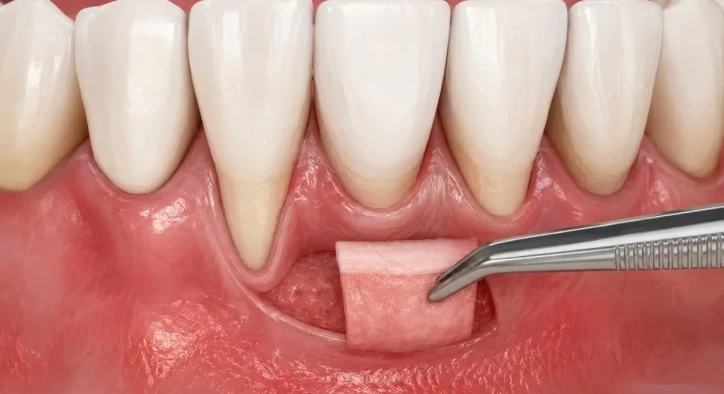
In contemporary periodontics, the definitive scientific answer to what is a gum graft is this: It is a microsurgical tissue transplantation procedure where a thin layer of healthy connective tissue or epithelial matrix is harvested from a donor site (typically the patient's palate) and secured onto a recipient site exhibiting severe recession or thin biotypes using micro-sutures.
The primary objective of this surgery is not merely aesthetic coverage; the core clinical goal is to re-establish a dense band of attached gingiva, which blocks pathological bacteria from destroying the underlying bone support and dynamically anchors the tooth.
Understanding the Free Gingival Graft (FGG)
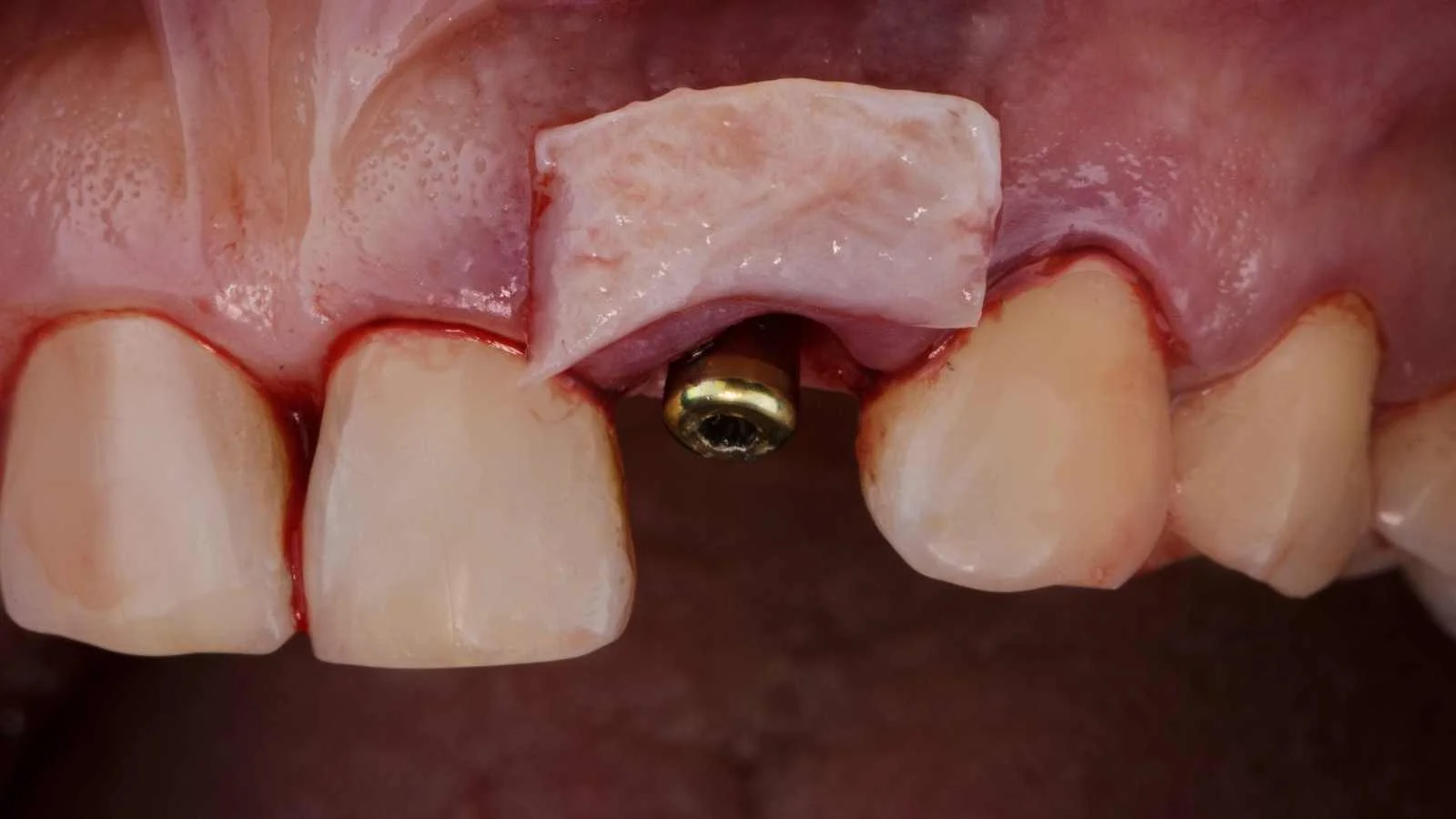
One of the most foundational procedures preferred in clinical periodontics is the free gingival graft. This specific technique is strongly indicated when the protective attached gingiva surrounding a tooth has completely vanished, or when high muscle attachments are actively pulling the loose mucosal margins downward. A clean strip containing both the outer epithelium and the underlying connective tissue is harvested as a block from the roof of the mouth and moved to the prepared recipient bed. The free gingival graft displays a clinical success rate exceeding 95% in permanently stopping progressive tissue recession.
How is Gum Graft Surgery Performed? Structural Duration
Conducted inside a fully sterile surgical environment by an expert periodontist, the sequence of gum graft surgery advances through these precise milestones:
- Deep Local Anesthesia Block: Advanced local anesthetic configurations are delivered to both the donor palate quadrant and the recipient recession site, ensuring a completely painless surgical experience.
- Recipient Bed Preparation: The exposed root surfaces displaying recession are meticulously scaled, planar-debrided, and smoothed. The surrounding soft tissues are modified to generate a microscopic, highly vascularized bed designed to nourish the upcoming tissue matrix.
- Harvesting the Tissue Matrix: A micro-thin layer of healthy tissue is separated from the posterior lateral aspect of the palate. The donor site is then immediately secured with protective micro-sutures or covered with a custom acrylic palatal stent to prevent bleeding and tongue irritation.
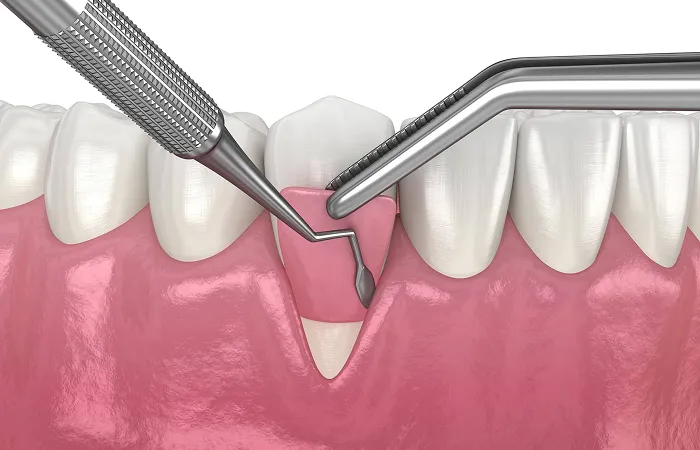
- Precision Micro-Suturing: The harvested tissue is moved onto the prepped recipient bed. To ensure it draws adequate plasma circulation from the underlying bone bed and remains entirely motionless, it is locked into place using micro-sutures thinner than a human hair strand.
How Long Does Gum Graft Surgery Take?
When patients evaluate how long does gum graft take, the operational window tracks the number of teeth requiring treatment. A standard single-site free gingival graft procedure takes between 30 and 45 minutes from initial anesthesia blocks to final suture checks. Multi-site quadrant surgeries may extend up to an hour.
Tracking the Reality: Gum Graft Before After Expectations
For individuals facing severe root exposure, reviewing gum graft before after long-term clinical monitors reveals a profound shift in both functional durability and smile aesthetics:
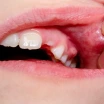
- The Before State: Tooth roots are visibly exposed, displaying a dark yellowish tint. The patient encounters sharp, electric-like pain when brushing or consuming cold liquids, and the teeth appear unnaturally long and unproportional.
- The After State: Once structural healing finishes, the vulnerable root zones are completely insulated beneath a thick, dense band of pink keratinized tissue. Thermal hypersensitivity is permanently arrested. The gingival margins realign symmetrically across the arch, restoring the harmonious white-pink balance of the smile.
Critical Care Rules After a Gum Graft Surgery
The ultimate rate of tissue graft survival depends directly on how meticulously the patient manages the after gum graft surgery period during the initial two weeks. For the first 3 days, the transplanted tissue has no integrated blood vessels; it survives entirely by absorbing oxygen and plasma nutrients via capillary diffusion from the underlying bone bed. Consequently, keeping the graft completely motionless is critical.
Adhere to these vital protocols after gum graft operations:
- Zero Disruption to the Surgical Site: Never pull your lips or cheeks outward to inspect the stitches or look at the healing graft in a mirror. Stretching the facial muscles creates immediate tension across the soft tissue flap, tearing the micro-gaps between the graft and the bone bed, which cuts off plasma flow and causes graft necrosis (tissue failure).
- Consistent Cold Therapy: Apply an external ice compress over the cheek quadrant during the initial 24 hours using 10-minute intervals. This limits local swelling and limits post-surgical edema.
- Calibrated Oral Hygiene Execution: Starting the day after surgery, all unoperated quadrants of the mouth must be brushed and flossed normally. However, the surgical recipient and donor sites must not be touched by toothbrushes or dental floss for the first 10 days. Introduce prescribed non-alcoholic chlorhexidine mouthwashes on day two, holding the solution gently over the site without aggressive swishing.
Structured Post-Operative Nutrition Protocol
Proper nutritional intake plays an essential role in tissue regeneration speed. To safeguard the healing tissue matrix against mechanical friction, follow this structured nutrition after gum graft dietary layout:
|
Post-Operative Phase Timeline |
Approved Safe Nutrient Options |
Strictly Prohibited Items |
|
Days 1 - 3 (Acute Healing Phase) |
Room-temperature or cold smooth liquids: broths, yogurt, protein shakes, smoothies, pureed bananas, pudding. |
Piping hot soups/teas, highly acidic juices, spicy seasonings, and heavily salted items. |
|
Days 4 - 7 (Early Tissue Bonding) |
Soft-cooked pasta, soft scrambled eggs, soft cheeses, mashed vegetables, rice. |
Potato chips, crusty bread, nuts, seeds, or hard items that can puncture the tissue flap. |
|
Day 8 Onward (Stabilization) |
Gradual return to solid food texturing, ensuring all chewing is isolated to the unoperated side. |
Biting directly into hard items using the teeth that underwent grafting. |
Critical Warning: For the first 7 days following surgery, you must strictly avoid using drinking straws. The negative intraoral suction pressure generated when drawing liquids through a straw can dislodge the delicate blood clots forming at both the donor palate and the recipient site, triggering immediate secondary hemorrhage.
Frequently Asked Questions
Is a gum graft permanent? Can the tissue recede again over time?
Yes, a professionally executed gum graft provides lifelong structural durability. The transplanted keratinized tissue establishes a tough, fibrous barrier that is genetically highly resistant to future recession. However, if a patient returns to using hard-bristled toothbrushes with aggressive horizontal scrubbing motions, or if they neglect professional cleanings and develop chronic periodontitis, minor recession can reoccur over several years. With proper brushing techniques, the result is permanent.
How long does the palatal donor site take to heal? Does it cause intense pain?
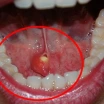
Because profound local anesthesia blocks are utilized during the harvesting phase, you will experience absolutely no sensation during the procedure. Post-operatively, it is normal to experience a mild, dull tenderness for the first few days, which patients frequently describe as feeling like they "burned the roof of their mouth with hot cheese or tea." Wearing a custom-milled clear palatal acrylic stent during meals prevents food from touching the raw site, optimizing comfort. The palate epithelializes completely and becomes perfectly smooth within 7 to 14 days.
When are the micro-sutures removed after a gum graft?
The suture removal timeline tracks the specific material composition of the micro-threads selected by your periodontist. If non-resorbable micro-sutures were utilized, they are gently and painlessly cleared by your specialist inside the clinic exactly 7 to 10 days after the surgery. By this milestone, the structural bonding between the tissue matrices is sufficiently stable.
Can a gum graft surgery be performed if I currently have a cold or flu?
No, managing an active upper respiratory infection (such as a cold, flu, or pharyngitis) is a strict contraindication for proceeding with a gum graft surgery. Graft success relies on zero tissue movement during the first few days; intense coughing fits, sudden sneezing, or clearing your throat creates sudden facial muscle contractions that can tear the micro-sutures and dislodge the graft. Furthermore, nasal congestion forces continuous mouth-breathing, which dries oral mucosal tissues and scales infection risks. The procedure must be rescheduled until you are fully recovered.
Can I smoke tobacco or use e-cigarettes after a gum graft?
Absolutely not. The nicotine and carbon monoxide present in cigarette smoke heavily constrict local capillary blood vessels, severely restricting oxygen and vital nutrient delivery to the healing wound margins. Because the transplanted tissue matrix relies exclusively on plasma diffusion for survival during the initial days, smoking will starve the graft of circulation, turning it grey and causing total tissue necrosis (graft failure). Smoking must be strictly avoided for at least 2 weeks before and 2 weeks after surgery to protect your investment.
About the Author