


How Many Dental Implants Can Be Placed in One Session?
Don't put off your smile. Message us now to discuss your treatment options with our expert dentists.
WhatsAppHow many dental implants can be placed in one session? It is a question that comes up in almost every consultation we have with patients planning full mouth reconstruction or replacing several missing teeth at once. The answer is genuinely individual - one patient may receive a single implant, while another could receive eight or more in the same appointment. What makes the difference is a combination of clinical factors, not an arbitrary limit set by the dentist.
If you are considering dental implants in İstanbul or exploring your options for multi-implant treatment, this article will give you a clear picture of what influences the number of implants in a session, what to expect from the procedure, and how recovery looks when multiple implants are placed simultaneously.
Table Of Contents
- What Determines the Number of Dental Implants Per Session?
- Bone Density and Volume: Why It Matters Most
- All-on-4 and All-on-6: Full-Arch Treatment in One Visit
- Same-Day Implants and Immediate Loading
- When Splitting Sessions Makes More Sense
- What Happens During a Multi-Implant Procedure
- Recovery After Multiple Implants: What to Expect
- Why Patients from the UK Choose İstanbul for Dental Implants
- How We Plan Your Implant Treatment at Avrupa Saglik Dis
- Frequently Asked Questions
What Determines the Number of Dental Implants Per Session?
The number of implants that can safely be placed in a single surgical appointment depends on several overlapping factors. There is no standard rule such as "a maximum of four" or "never more than six" - these figures come from common techniques rather than hard clinical limits.
Clinicians consider the following before deciding how many implants to place in one session:
- Jawbone density and volume: healthy, dense bone allows for more implants in one sitting
- General health and medical history: conditions like uncontrolled diabetes or immune disorders may require a more cautious approach
- Smoking status: smoking significantly reduces the success rate of implant integration and may lead to fewer implants being placed at once
- Jaw anatomy: the position of the sinus cavities, inferior alveolar nerve, and other anatomical structures influences placement options
- Treatment goal: replacing individual teeth differs considerably from full arch restoration
- Surgical duration: long procedures add physical strain for both patient and surgeon, which can be a limiting factor
For many patients, placing multiple implants in one session is perfectly safe, efficient, and clinically sound. For others, splitting treatment into two or more sessions is the smarter strategy for long-term success. The only way to know which category you fall into is a thorough clinical assessment - and that starts with imaging.
Bone Density and Volume: Why It Matters Most
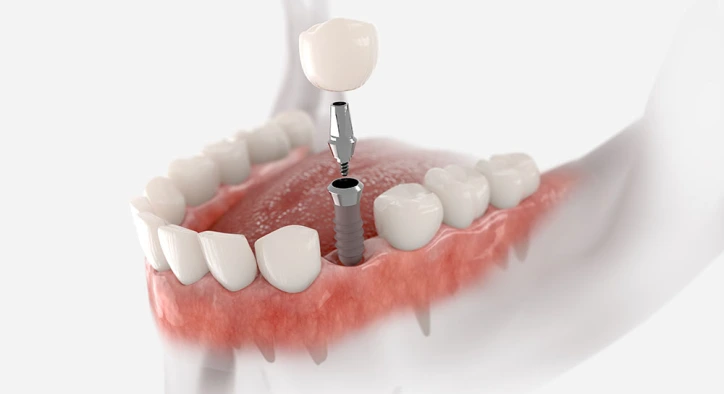
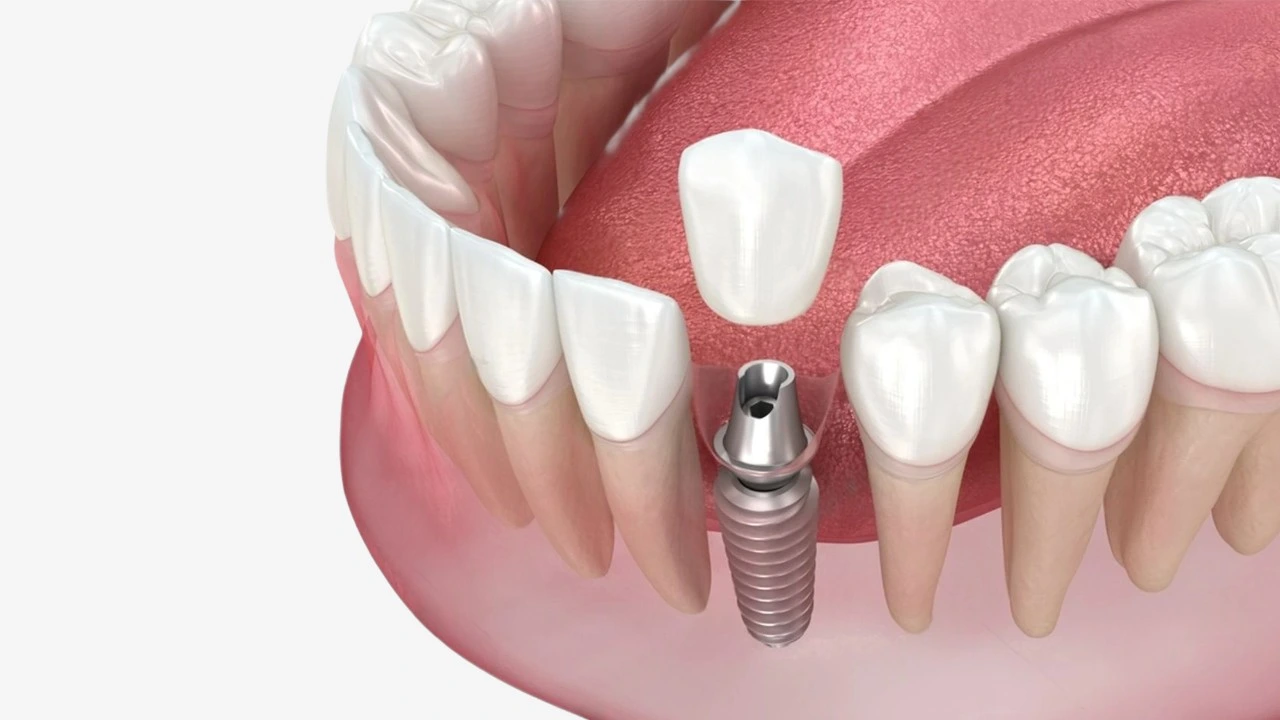
Of all the factors that influence how many implants can be placed at once, bone quality is the most important. A titanium implant needs sufficient bone to grip from the moment it is inserted - a process that eventually leads to osseointegration, where bone grows around and permanently bonds with the implant surface.
When bone density is high and there is adequate volume in the jaw, placing four, six, or even eight implants in one appointment is clinically viable. When bone is thin, narrow, or has deteriorated from years of tooth loss or gum disease, the situation changes.
Patients with bone deficiency may need one of the following before or alongside implant placement:
- Bone grafting: new bone material is added to build up the jaw; this typically requires a separate healing phase of four to six months before implants can be placed
- Sinus lifting: a surgical procedure that raises the sinus membrane to create space for implants in the upper back jaw
- Angled implant placement: used in All-on-4 and similar techniques to bypass areas of low bone density without requiring grafts
At our clinic in İstanbul, we use 3D cone beam CT (CBCT) imaging to assess bone volume precisely before treatment planning. This allows us to map out exactly where implants can be placed safely and how many can be accommodated in a single session - without guesswork.
Bone quality and quantity remain the primary biological constraints in implant dentistry. Digital planning tools have made it considerably easier to maximise the number of implants placed without exceeding safe clinical boundaries. - Clinical perspective from the implantology team at Avrupa Saglik Dis
Patients who have lost significant bone due to long-term tooth loss are often surprised to learn that full-arch implant treatment is still possible. Modern techniques and experienced clinical teams have expanded what was achievable even a decade ago.
All-on-4 and All-on-6: Full-Arch Treatment in One Visit
The most dramatic example of multiple implants placed in one session is the All-on-4 technique. Here, four strategically positioned implants support a complete arch of prosthetic teeth - typically 10 to 14 teeth - placed in a single surgical appointment. Two implants are seated vertically at the front of the jaw, and two are angled at the back to maximise contact with available bone.
The All-on-4 approach was developed specifically to make full-arch restoration possible even in patients with moderate bone loss. By angling the posterior implants, surgeons engage denser bone further forward in the jaw, often eliminating the need for bone grafting altogether. For patients who have put off treatment because they were told they lacked sufficient bone, this technique frequently changes everything.
The All-on-6 technique follows the same principle but uses six implants for greater stability and load distribution. Patients with softer bone or those requiring maximum long-term durability are often better candidates for All-on-6. The additional two implants spread the forces of chewing more evenly, reducing stress on each individual implant.
Here is a quick comparison of the two approaches:
| Feature | All-on-4 | All-on-6 |
|---|---|---|
| Implants per arch | 4 | 6 |
| Suitable for bone loss | Yes, moderate loss | Yes, including significant loss |
| Bone graft required | Rarely | Occasionally |
| Load distribution | Good | Excellent |
| Best suited for | Full arch, moderate bone | Full arch, softer or deficient bone |
| Temporary teeth same day | Yes, in most cases | Yes, in most cases |
Both techniques are completed in a single surgical session. Temporary prosthetic teeth are often fitted the same day, so patients leave the clinic with a functional, natural-looking smile. Permanent prosthetics are placed after osseointegration is confirmed, typically three to six months later.
Same-Day Implants and Immediate Loading
Immediate loading - sometimes called same-day implants - refers to attaching a temporary crown or bridge to the implant on the day of surgery, rather than waiting several months for osseointegration to complete. This approach is not suitable for every patient, but when the right conditions are met, it offers a meaningful advantage: you leave the clinic with functional teeth already in place.
Immediate loading is most appropriate when:
- The implant achieves strong initial stability - known as primary stability - at the time of placement
- The bone is dense and healthy at the implant sites
- The patient does not smoke, or has ceased smoking well in advance of surgery
- The temporary restoration is designed to minimise heavy biting load on the healing implants
According to research published in the Cochrane Database of Systematic Reviews via PubMed, the timing of implant loading - whether immediate, early, or delayed - does not significantly differ in outcomes when patients are properly selected and cases are well planned. This finding has encouraged more clinicians to offer same-day options to suitable candidates.
The key distinction is that same-day implants do not mean the healing phase is skipped. Osseointegration still takes place over three to six months. The temporary teeth simply allow patients to eat, speak, and smile normally during that process, without walking around with gaps.
Patients travelling from the UK to İstanbul particularly appreciate same-day options, as it means leaving Turkey with a full smile rather than a temporary gap while awaiting the permanent restoration.
When Splitting Sessions Makes More Sense
For some patients, attempting to place all implants in a single session carries unnecessary risk. There are clear clinical situations where spreading treatment across two or more appointments is the safer, more effective route - and experienced clinicians will always recommend it when appropriate.
Consider splitting sessions when:
- Bone grafting is required first: grafted bone typically needs four to six months to consolidate before implants can be placed into it securely
- General health is compromised: patients with poorly controlled diabetes, active cardiovascular conditions, or reduced immune function recover better from shorter, less intensive procedures
- Surgery duration would be excessive: procedures lasting more than four to five hours increase anaesthetic risks and post-operative discomfort for most patients
- Both upper and lower arches require treatment: restoring both jaws simultaneously is possible but demanding; many surgeons prefer treating one arch at a time, with a short interval between sessions
- Existing teeth need extraction and healing time: in some cases, extracting damaged teeth and allowing the socket to heal produces better implant outcomes than immediate placement
There is no disadvantage to a staged approach when it is clinically indicated. In many cases, it produces better osseointegration outcomes and a more comfortable patient experience than attempting to complete everything in one visit.
What Happens During a Multi-Implant Procedure
Understanding what actually takes place during a session where multiple implants are placed helps patients arrive prepared and manage their expectations realistically. Most people are surprised by how calm and well-organised the experience is.
The procedure typically follows this sequence:
- Pre-surgical review: your CBCT scan and digital treatment plan are confirmed; any last-minute questions are addressed
- Anaesthesia: local anaesthetic is administered to numb the surgical area; sedation is available for anxious patients or particularly long procedures
- Extractions (if needed): any remaining damaged or failing teeth are removed before implants are placed
- Surgical guide placement: if computer-guided surgery is used, a precision guide ensures each implant goes in exactly the planned position
- Implant placement: each implant is carefully placed into the prepared bone site in sequence
- Suturing: the gum tissue is closed around each implant site to protect the healing area
- Temporary restoration (if immediate loading): a temporary bridge or set of crowns is fitted on the same day
A session placing four to six implants generally takes between two and four hours. More complex cases - particularly those involving extractions, bone preparation, or sinus procedures - may take longer. Your surgeon will give you a clear time estimate during the planning phase.
Recovery After Multiple Implants: What to Expect
Recovery from a multi-implant session is generally more demanding than a single implant, though most patients describe it as very manageable. Swelling, tenderness, and mild discomfort in the treated areas are normal for the first three to five days. Most patients return to their normal routine within a week, though strenuous exercise should be avoided for two weeks.
The following table summarises the key recovery factors:
| Recovery Factor | How It Affects Healing |
|---|---|
| Number of implants placed | More implants generally means more swelling and a slightly longer initial recovery |
| Bone quality | Dense, healthy bone integrates faster and with fewer complications |
| Smoking | Slows healing, increases infection risk, and raises implant failure rates significantly |
| Oral hygiene | Good hygiene dramatically reduces infection risk throughout osseointegration |
| Diet | Soft foods for the first two weeks reduce pressure on healing implant sites |
| Medication compliance | Taking prescribed antibiotics and anti-inflammatories as directed supports smooth healing |
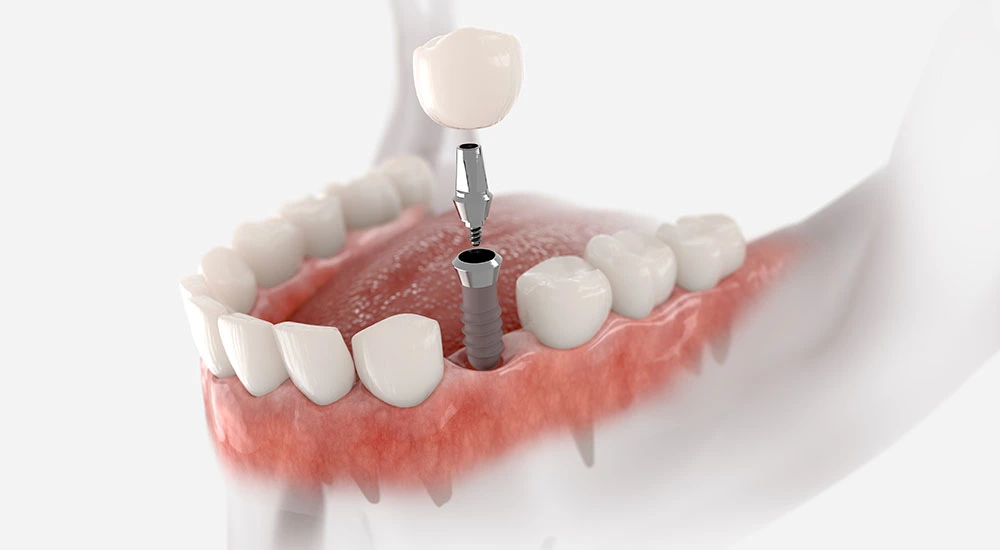
Osseointegration - the process by which bone fuses with the titanium implant surface - takes between three and six months. The implant is gradually integrating during this window. Your follow-up appointments allow the clinical team to monitor progress and address any concerns before they develop into problems.
Patients from the UK typically manage their follow-up check-ins with a local dentist who can share updates with our team remotely. We provide a full post-operative care pack before discharge, covering what to eat, how to clean the area, and when to seek urgent attention.
One thing patients consistently report: those who stopped smoking before surgery, maintained excellent oral hygiene, and attended all scheduled appointments experienced the smoothest recoveries and highest long-term satisfaction with their results.
Why Patients from the UK Choose İstanbul for Dental Implants
The number of British patients travelling to Turkey for dental implant treatment has grown steadily over the past decade. The reasons are practical and well-founded.
At a dental clinic in Turkey like Avrupa Saglik Dis, patients benefit from:
- Access to experienced implantologists with extensive training in All-on-4, All-on-6, and immediate loading techniques
- Digital planning technology including CBCT scanning and computer-guided surgical templates
- Modern facilities with sterilisation protocols matching European clinical standards
- Significantly lower treatment costs compared to UK private dentistry, with no compromise on materials or technique
- Coordinated treatment packages that address accommodation, airport transfers, and scheduling
İstanbul is particularly well connected to UK airports, with regular direct flights making the journey straightforward. Many patients complete an initial consultation via video call, sharing existing scans or arranging for new imaging once they arrive. The surgical phase typically requires a stay of five to seven days, during which the implant placement and any same-day restorations are completed and initial healing is monitored.
One of the most common concerns we hear from prospective patients is: "Will the quality be the same as back home?" Our team uses implant brands recognised internationally, including Straumann, and our clinical protocols reflect current evidence-based guidelines. Before committing, patients are welcome to request detailed information about our implant systems and clinical outcomes.
How We Plan Your Implant Treatment at Avrupa Saglik Dis
At Avrupa Saglik Dis, no implant session begins without a comprehensive planning phase. We use 3D cone beam CT imaging to generate a precise map of your jaw structure, which allows our clinical team to determine exactly how many implants your bone can accommodate, where they should be positioned, and whether any preparatory procedures are needed first.
This planning stage answers the questions that directly affect how many implants can be placed in one session:
- Is bone density and volume sufficient for multiple simultaneous implants?
- Do sinus cavities or nerve pathways require routing implants around them?
- Would angled placement allow us to avoid bone grafting?
- What is the most efficient treatment sequence for your specific clinical situation?
We do not take a one-size-fits-all approach. Some patients who arrive expecting All-on-4 turn out to be better candidates for All-on-6 once imaging reveals softer bone in the posterior jaw. Others expecting a lengthy staged process discover that their bone is robust enough to allow a comprehensive same-day approach. Every plan is built around what is right for that individual - not what is easiest to schedule.
Our goal is always to achieve the maximum appropriate number of implants in the fewest sessions possible, because we understand that travelling from abroad makes your time here valuable. But we will never compromise clinical safety for convenience. When a staged approach is the right choice, we say so clearly and explain why.
If you would like to understand your options, you can begin with a remote consultation. Share your existing dental records and X-rays, and our team will give you an honest initial assessment of what is achievable for your situation.
Frequently Asked Questions
Can I have all my teeth replaced with implants in one day?
In many cases, yes - using techniques like All-on-4 or All-on-6. Implants are placed and temporary teeth attached in a single appointment, so you leave with a functional smile. The permanent prosthetics are fitted after osseointegration is complete, which takes three to six months. So the surgical phase happens in one day; the full process takes longer.
Is it safe to have more than four implants placed at once?
Yes, when the clinical conditions support it. Many patients receive six, eight, or even more implants in a single session without complications. What matters is bone quality, overall health, surgical planning, and the experience of the clinical team. The number of implants alone does not determine risk.
What if I do not have enough bone for multiple implants?
Insufficient bone does not automatically rule out multiple implants in one session. Angled implant techniques like All-on-4 can work with available bone in most cases. Where bone is severely deficient, a grafting procedure may be recommended first. Our team evaluates each situation individually to find the most effective and least invasive path forward.
Will I be in pain during a multi-implant session?
No. Local anaesthesia numbs the surgical area completely throughout the procedure. Patients feel pressure and movement but not pain. Sedation is available for those who feel anxious or who are undergoing particularly long sessions. Post-operative discomfort in the days following surgery is normal and is managed with prescribed pain relief.
How long do I need to stay in İstanbul for dental implant treatment?
For most multi-implant cases, an initial stay of five to seven days is sufficient - covering the surgical session, initial recovery monitoring, and a pre-discharge check. If your treatment requires two stages, a second trip is needed several months later for implant placement or final restoration fitting. Our team provides a detailed schedule before you book travel.
Does having more implants in one session affect the cost?
Yes, each additional implant adds to the overall treatment cost. However, placing multiple implants in one session is typically more cost-effective than separate surgical appointments for each implant, since anaesthesia, surgical preparation, and clinic time are shared. All-on-4 and All-on-6 packages are priced as complete treatment plans rather than per implant.
What is the long-term success rate of dental implants?
When patients are properly selected and treatment is carefully planned, the success rate of dental implants placed in a single session consistently exceeds 95% over ten years or more. Long-term success depends on bone quality, maintaining excellent oral hygiene, regular dental check-ups, and avoiding smoking after treatment.
About the Author