


How to Get Veneers Without Tooth Filing: A Complete Guide
Don't put off your smile. Message us now to discuss your treatment options with our expert dentists.
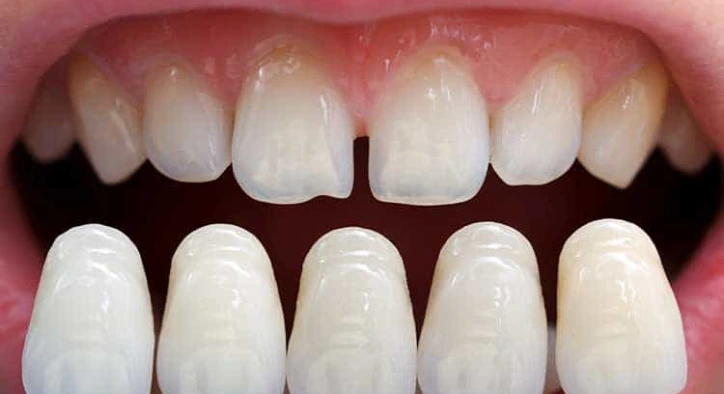
WhatsAppMany people considering cosmetic dentistry share the same hesitation: the idea of having their teeth permanently altered before a single veneer is placed. The phrase "tooth filing" can make an otherwise straightforward treatment feel daunting. The good news is that in the right circumstances, veneers can be placed with very little or no removal of tooth enamel at all. This approach, often called "no-prep" or "minimal-prep" veneers, has become increasingly popular, particularly among patients who want to improve their smile without committing to permanent tooth reduction.
Table of Contents
- 1. What "Tooth Filing" Actually Means in Veneer Treatment
- 2. Who Is a Good Candidate for No-Prep Veneers?
- 3. Types of Veneers That Need Little or No Enamel Removal
- 4. The No-Prep Veneer Process, Step by Step
- 5. The Real Benefits of Preserving Your Tooth Enamel
- 6. Honest Limitations Worth Knowing Before You Book
- 7. No-Prep vs Traditional Veneers: Key Differences at a Glance
- 8. Why Patients Choose Turkey for Conservative Veneer Treatment
- 9. Questions to Ask at Your First Consultation
1. What "Tooth Filing" Actually Means in Veneer Treatment
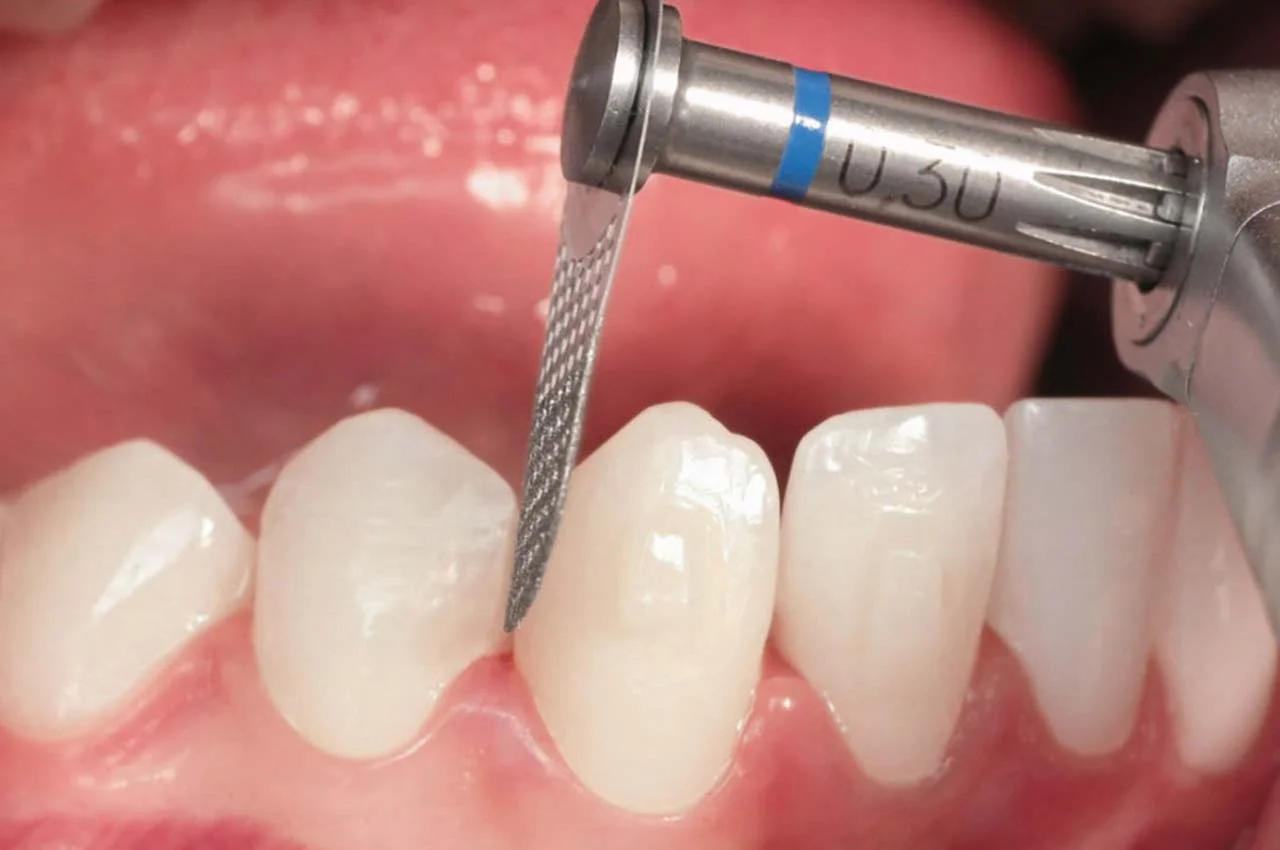
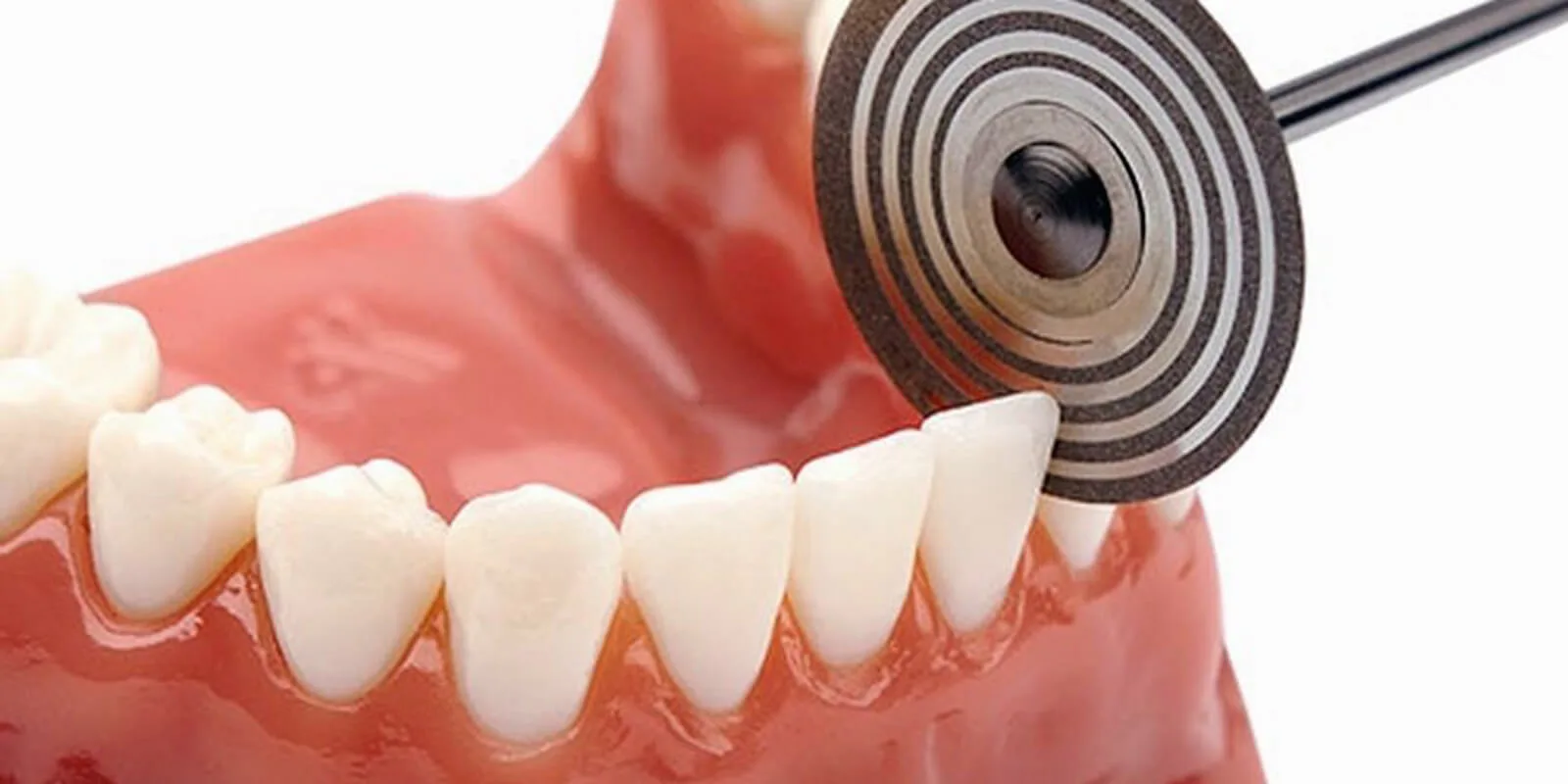
When dentists talk about tooth preparation for veneers, they mean the controlled removal of a thin layer of enamel from the front surface of the tooth. With conventional veneers, this removal typically measures between 0.5 and 0.7 millimetres. That might sound small, but enamel does not grow back. Any reduction is permanent, which is why so many patients ask whether veneers can be done without this step.
The reason preparation is traditionally required is straightforward: veneers have physical thickness, and without adjusting the tooth surface to receive them, the final result can look unnatural or feel bulky. However, advances in dental materials science have changed this calculation significantly over the past two decades. Modern ultra-thin porcelain and composite materials can now be fabricated at 0.2 to 0.3 millimetres - sometimes even thinner - making it clinically possible in suitable cases to bond them directly onto untouched enamel.
The term "no-prep" can be slightly misleading. It does not mean no professional skill or planning is involved. It simply means that the tooth's natural structure is kept wholly intact, or adjusted only at the level of very light surface polishing rather than measurable reduction. This distinction matters when you are comparing clinics and treatment options, and any dentist who cannot explain it clearly is worth approaching with caution.
Scientific literature on this topic has grown considerably. A study published in the National Library of Medicine examining esthetic rehabilitation with no-prep porcelain laminates found that when case selection is accurate and bonding protocols are carefully followed, these restorations can achieve durable and aesthetically satisfying results without tooth reduction.
2. Who Is a Good Candidate for No-Prep Veneers?
Not every mouth is suitable for no-prep veneers, and a reputable clinic will tell you this honestly rather than simply agreeing with what you hope to hear. The ideal candidate tends to have specific characteristics that make a purely additive approach feasible.
You are likely a strong candidate if you have:
- Teeth that are slightly smaller than average, leaving natural room to add material without crowding the smile
- Gaps between teeth (diastemas) that need closing without reshaping the surrounding teeth
- Mild to moderate discolouration that ultra-thin materials can mask effectively
- Good overall alignment, with no significant crowding or forward protrusion
- Healthy gums and no active signs of gum disease or tooth decay
- A bite pattern that does not place excessive stress on the front teeth during chewing
Candidacy becomes more complicated when teeth are already prominent, when discolouration is very dark (grey, brown, or tetracycline staining), or when there is significant misalignment. In these situations, adding veneer material without any enamel reduction might produce results that look or feel too thick, or fail to adequately mask the underlying colour. This is not a failing of the technique itself - it reflects the physical limits of what ultra-thin materials can achieve in certain clinical situations.
Many experienced clinics divide patients into three groups: ideal, borderline, and unsuitable for no-prep treatment. Borderline cases may need minimal preparation on one or two teeth only, or may benefit from a combination approach - for instance, starting with clear aligner treatment to improve tooth position before placing no-prep veneers on better-aligned teeth.
3. Types of Veneers That Need Little or No Enamel Removal
The material chosen for your veneers directly affects how much tooth preparation, if any, is required. Several options exist, and each has distinct characteristics worth understanding before your consultation.
Ultra-thin porcelain veneers are the most established no-prep option. Fabricated to as little as 0.2 millimetres in thickness, they are sometimes called "contact lens veneers" in patient-facing discussions. Their durability comes from a precise and strong bond to intact enamel. When this bonding is achieved correctly, longevity is comparable to conventional veneers. They require exceptional laboratory skill to fabricate, and the final result depends significantly on the quality of communication between clinical team and laboratory technician.
Composite veneers can often be placed in a single appointment with very little or no tooth modification. Rather than being fabricated in a laboratory, they are sculpted directly onto the tooth surface using resin material. They tend to be more affordable and easier to adjust or repair, though they may not match the long-term colour stability and translucency of porcelain over many years. For patients wanting to trial a smile change before committing to ceramic restorations, composite veneers offer a practical and genuinely conservative starting point.
The table below summarises the main practical differences between veneer types:
| Veneer Type | Typical Thickness | Enamel Removal Required | Key Characteristics |
| Conventional porcelain | 0.5 - 0.7 mm | Moderate | Durable, highly aesthetic, time-tested |
| Ultra-thin porcelain | 0.2 - 0.3 mm | None to very minimal | Conservative, excellent enamel bond required |
| Composite (direct) | 0.3 - 0.6 mm | None to minimal | Single-visit option, adjustable, more affordable |
Your dentist will recommend a material based on your tooth shape, bite, colour goals, and the number of teeth being treated. There is rarely a universally correct answer, which is why individual assessment matters more than general guidance.
4. The No-Prep Veneer Process, Step by Step
Even when no tooth filing is planned, the path to a new smile involves several carefully managed stages. Skipping preparation does not mean skipping planning, and the detail applied to each step is what separates a successful outcome from a regrettable one.
4.1 Initial Consultation and Smile Analysis
A thorough consultation is the foundation of any veneer treatment. Your dentist will take photographs, digital scans, and sometimes X-rays to build a complete picture of your teeth, gum levels, bite relationship, and overall facial symmetry. This is also where you have a detailed conversation about your expectations - are you hoping to close gaps, brighten your smile, refine tooth shape, or a combination of these goals?
Smile design software is now routinely used in aesthetic clinics. It allows a digital preview of how your finished veneers might look, overlaid onto photographs of your actual teeth and face. This visualisation step is particularly useful for no-prep cases because it can confirm early on whether your goals are achievable by adding material alone, or whether some enamel reduction would be needed to avoid an overly bulky appearance.
4.2 Digital Mock-Up and Trial Smile
One of the most valuable steps in veneer planning is the mock-up. Using composite resin or a wax model, the dentist temporarily places a version of your future veneers over your existing teeth without altering them at all. You can assess yourself in the mirror, speak naturally, smile for photographs, and evaluate how the new proportions feel in real life.
Patients regularly notice things at this stage that they could not have anticipated from a computer simulation alone. Perhaps the teeth feel slightly prominent when pronouncing certain sounds, or the length is different from what they had imagined. These observations are genuinely useful and can be addressed before any permanent work is undertaken. For no-prep cases specifically, the mock-up also helps confirm that adding material without reduction will achieve the desired result rather than creating a thick or unnatural look.
4.3 Impressions and Lab Fabrication
Once the design is confirmed, your dentist records precise measurements of your teeth using either traditional impression material or digital intraoral scanners. These records are sent to the dental laboratory, where skilled technicians fabricate your veneers according to the exact specifications agreed with your clinical team.
The quality of laboratory work matters enormously with ultra-thin veneers. The technician must calibrate thickness, translucency, and colour gradients with high accuracy, working from detailed photographs and shade maps provided by the clinic. The relationship between clinical team and laboratory is one of the less visible but most important factors in achieving a consistently successful result.
4.4 Try-In and Final Bonding
When the veneers return from the laboratory, they are placed on your teeth temporarily using try-in gels that simulate the final bonding colour. This gives both you and your dentist a chance to assess the shade, shape, and fit before anything is permanently fixed. Small refinements can often still be made at this stage without compromising the final outcome.
When everyone is satisfied, the dentist conditions the tooth surface with a series of carefully controlled steps and bonds the veneers using adhesive resin cement. These bonding protocols have been refined through decades of research in dental materials science. A strong, stable connection between intact enamel and the veneer surface is precisely what makes no-prep treatment reliably durable when the right clinical conditions are present.
5. The Real Benefits of Preserving Your Tooth Enamel
Choosing no-prep or minimal-prep veneers where clinically appropriate brings several genuine advantages, beyond the obvious appeal of keeping natural tooth structure intact.
Better bonding foundation. Research in restorative dentistry consistently shows that adhesive bonds to enamel outperform bonds to dentine. When enamel is preserved, the veneer has a stronger and more predictable attachment, which contributes directly to long-term stability and longevity.
Reduced sensitivity risk. Removing enamel exposes the underlying dentine layer, which can lead to temperature sensitivity both during and after treatment. With no-prep veneers, the enamel remains as a natural insulating barrier. Patients frequently report that the experience is more comfortable, often requiring no local anaesthetic whatsoever.
Greater psychological ease. While it is true that bonded veneers are not simply removable, patients tend to feel considerably more comfortable knowing their natural teeth have not been substantially reduced. This matters particularly for younger patients or those who want flexibility to reassess their smile options later in life.
Shorter treatment timeline. Without the preparation stage, some appointments can be condensed, and the recovery time between visits is minimal. For international patients travelling to İstanbul for treatment, this can make a tangible difference to overall trip planning and total time away from home.
6. Honest Limitations Worth Knowing Before You Book
A trustworthy clinic will be straightforward about when no-prep veneers are not the right solution. There are situations where skipping enamel reduction would compromise your results, and it is not in your long-term interest to proceed in those cases just because it sounds more appealing.
Bulkiness in teeth that already sit forward. If your front teeth already protrude beyond an ideal position, adding veneer material without any reduction increases the overall profile of your smile. This can affect appearance and may also influence the way certain sounds are produced when speaking. A good dentist identifies this risk at the consultation stage, not after treatment has started.
Colour masking limits. Ultra-thin veneers are, by nature, semi-translucent. Very dark underlying tooth colour, particularly grey shades, brown or tetracycline staining, can show through the veneer in natural light. In these cases, conventional veneers with somewhat more opacity may produce a result that better matches your expectations.
Case selection demands careful assessment. Deciding to proceed with no-prep veneers requires clinical judgment that goes beyond simply asking whether the patient prefers to keep their enamel. Your dentist needs to evaluate bite forces, alignment, gum health, and the specific quality of your enamel surface. If this assessment is incomplete or rushed, problems can emerge after bonding that are difficult to correct without remaking the veneers.
Not a solution for all cosmetic goals. If your aims include significant tooth length changes, correction of bite problems, or improving pronounced misalignment, no-prep veneers alone are unlikely to achieve the result you want. In these situations, a phased approach combining comprehensive smile design with preparatory orthodontic work often leads to a better, more sustainable outcome.
7. No-Prep vs Traditional Veneers: Key Differences at a Glance
Patients often want a direct comparison before making a decision. The table below covers the main practical differences between the two approaches, though it is worth remembering that individual circumstances always take priority over general categories.
| Factor | No-Prep Veneers | Traditional Veneers |
| Enamel removal | None to very minimal | 0.5 - 0.7 mm typically |
| Anaesthetic needed | Rarely | Usually required |
| Post-treatment sensitivity | Lower risk | Moderate risk |
| Suitable for dark staining | Limited effectiveness | Better masking capability |
| Suitable for crowded teeth | Limited | More clinically versatile |
| Expected longevity | 10 - 15+ years with proper care | 10 - 20 years |
| Number of visits | Typically 2 - 3 | Typically 2 - 4 |
| Best suited for | Gap closing, mild discolouration, small teeth | Significant colour change, alignment improvement |
Neither approach is inherently superior. The right choice depends entirely on your starting point and your specific cosmetic goals, which is why a detailed clinical assessment before any treatment begins is not optional - it is the foundation of a result you will be satisfied with for years.
8. Why Patients Choose Turkey for Conservative Veneer Treatment
Turkey has established itself as one of the leading destinations for cosmetic dental treatment, and İstanbul in particular has a strong reputation in aesthetic dentistry. Patients from the United Kingdom and across Europe travel to receive high-quality dental work at a significant cost saving compared to home, without compromising on materials or clinical standards.
For no-prep and minimal-prep veneers specifically, a few factors make Turkey particularly well suited.
The cost difference is substantial. Porcelain veneers in the UK typically cost between £800 and £1,500 per tooth at private practices. In İstanbul, comparable quality veneer treatment is available at a considerably lower price per tooth, and many clinics offer all-inclusive packages covering consultations, digital smile design, laboratory fabrication, temporary veneers, accommodation guidance, and airport transfers.
Modern Turkish dental clinics are also equipped with the same digital intraoral scanners, smile design software, and CAD/CAM technology used in top European practices. Many dental professionals in Turkey have completed postgraduate training internationally, and aesthetic dentistry is a highly competitive and well-developed field with clear quality benchmarks.
Treatment timelines also suit international travel well. A complete no-prep veneer journey, from initial consultation through to final bonding, can typically be completed within five to seven days. Patients combine treatment with a short stay in İstanbul and return home with a transformed smile, often at a total cost well below what they would have paid at home for the dental work alone.
At our clinic, we work with patients arriving from the UK, Germany, and across Europe who specifically request conservative smile makeovers. Our clinical team assesses each case individually and will always be direct about whether no-prep veneers are clinically appropriate for your teeth. If conventional preparation would produce a better long-term result for your specific situation, we explain clearly why, and you make the final decision with complete information.
You can browse our laminate veneer treatment page for more detail on materials and techniques, visit our before and after gallery to see results from real patients, or read what previous patients have said on our patient reviews page.
9. Questions to Ask at Your First Consultation
Going into a veneer consultation with prepared questions helps you evaluate the clinic and confirm that the proposed treatment plan is right for you. It also establishes an open, informed tone for the conversation.
Consider asking the following:
- Are my specific teeth suitable for no-prep veneers? Ask for an explanation based on your individual clinical examination, not a general answer. A good dentist will be specific about which teeth are candidates and why.
- What veneer material do you recommend, and what is the reasoning? Different materials suit different cases. The explanation tells you a great deal about how the clinic thinks about case selection.
- If any preparation is needed at all, how much and on which teeth? Even "minimal prep" cases have measurable parameters, and these should be explained to you clearly before you consent to treatment.
- Can I see a mock-up before we confirm the design? Any reputable aesthetic clinic will offer this. It is your opportunity to evaluate the proposed result before anything is bonded permanently.
- How will my bite be assessed and protected? Veneers on front teeth interact with your bite every time you chew and speak. This should be checked methodically before treatment begins.
- What post-treatment support is available for international patients? Understanding what happens if you need an adjustment after returning home is an important practical consideration.
- Are there alternatives that might achieve my goals with even less intervention? In some cases, professional teeth whitening or dental bonding may address your concerns with less clinical involvement than veneers of any kind.
Frequently Asked Questions
Can all veneers be placed without tooth filing?
No. Whether no-prep veneers are suitable depends on your individual tooth shape, alignment, colour depth, and bite. Some cases require at least minimal preparation to achieve a natural-looking and durable result. Your dentist should assess your teeth individually and explain the recommendation clearly before any decision is made.
How long do no-prep veneers last?
With good oral hygiene and routine dental check-ups, ultra-thin porcelain veneers can last ten to fifteen years or longer. Longevity depends on the quality of the initial bonding, your bite pattern, and whether you avoid habits that place excessive force on front teeth, such as biting nails, chewing ice, or opening packaging with your teeth.
Are no-prep veneers painful?
Most patients report that no-prep veneer treatment causes little to no discomfort and often requires no anaesthetic at all. Because the enamel is not reduced, dentine is never exposed during the process, which is typically the main source of sensitivity in conventional veneer preparation.
What is the difference between no-prep veneers and composite bonding?
Both approaches can improve your smile with minimal tooth alteration, but they use different materials and processes. No-prep porcelain veneers are fabricated in a dental laboratory and bonded as a finished shell in a precise, multi-visit process. Composite bonding is sculpted directly onto the tooth using resin material in a single appointment. Porcelain generally offers superior long-term colour stability and a more natural translucency, while composite is easier to adjust, repair, and often more affordable.
Is it safe to have veneers placed at a dental clinic in Turkey?
Treatment at properly accredited Turkish clinics meets comparable standards to those in the UK and across Europe. Many Turkish dentists hold postgraduate qualifications from European institutions, and the porcelain materials and adhesive cements used are sourced from the same international manufacturers. Choosing a clinic with transparent credentials, documented patient results, and clear communication reduces any risk considerably. Our meet the doctors page provides information about our clinical team's background and qualifications.
Can no-prep veneers correct crooked teeth?
Mildly uneven or slightly spaced teeth can sometimes be improved with no-prep veneers when the goal is to close small gaps or create a more uniform smile line. For more pronounced crowding or misalignment, orthodontic treatment first, using clear aligners, often produces a better and more conservative long-term result than veneers alone.
How do I care for no-prep veneers after treatment?
Daily brushing and flossing, regular dental check-ups, and avoiding habits that place force on front teeth are the main requirements. Non-abrasive toothpaste is generally recommended. If you grind your teeth at night, a protective night guard is worth discussing with your dentist. With consistent care, your veneers should remain stable and natural-looking for many years. You are also welcome to contact our team through our contact page if you have questions after returning home.
About the Author