


How to Relieve Sensitivity After Teeth Whitening? Duration and Solutions
Don't put off your smile. Message us now to discuss your treatment options with our expert dentists.
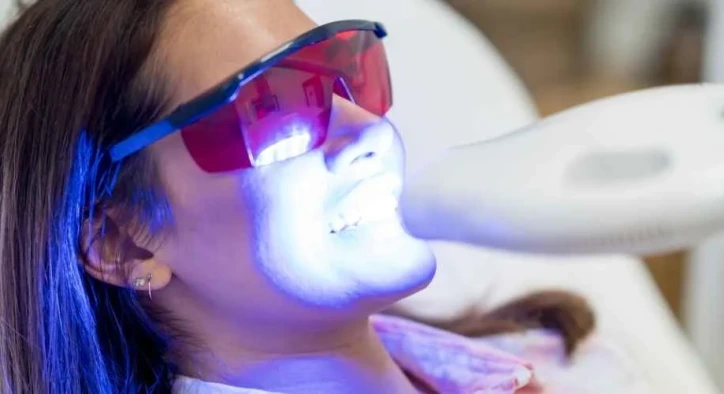
WhatsAppSecuring a bright, radiant, and flawless smile is one of the most prominent steps toward modern self-confidence and aesthetic presence. To achieve this target, dental procedures such as professional in-office bleaching or custom-molded home bleaching systems successfully oxidise organic stains beneath the enamel surface, lightening the natural tooth shade by several shades. However, regardless of how precisely and safely these procedures are controlled by expert clinicians, temporary sensitivity after teeth whitening remains the most common benign reaction reported by cosmetic dentistry patients.
Often described as tooth pain after teeth whitening, this temporary discomfort typically presents as a sharp, sudden, brief shock when the treated teeth interact with hot, cold, or dry air. This physiological reaction does not indicate structural damage to the enamel matrix and can be successfully managed with proper post-operative care. This comprehensive master guide examines why teeth sensitive after bleaching occurs, answers how long does sensitivity after teeth whitening last, and explores proven protocols to secure whitening sensitivity relief.
Table of Content
Why Does Sensitivity After Teeth Whitening Occur?
To comprehend the biological origins of post-bleaching discomfort, we must analyze the microscopic anatomy of the tooth. Why exactly do patients experience tooth pain after teeth whitening?
- Exposure of Dentin Tubules: Directly beneath the dense outer enamel lies the softer, highly organic dentin layer. Dentin contains millions of microscopic, fluid-filled pathways known as "dentin tubules" that lead straight to the central nerve chamber (pulp) of the tooth. Under normal conditions, these tubule orifices are naturally protected by an organic protein film (the pellicle).
- Peroxide Gel Penetration: Active whitening molecules (hydrogen or carbamide peroxide) pass through the micro-pores of the enamel to dissolve deep discoloration. During this chemical process, the protective pellicle film is temporarily removed, exposing the dentin tubules and altering local fluid pressure. Consequently, external stimuli like thermal hot/cold draft or acidic drinks bypass the natural barrier, irritating the nerve endings and causing clinical sensitivity.
How Long Does Sensitivity After Teeth Whitening Last?
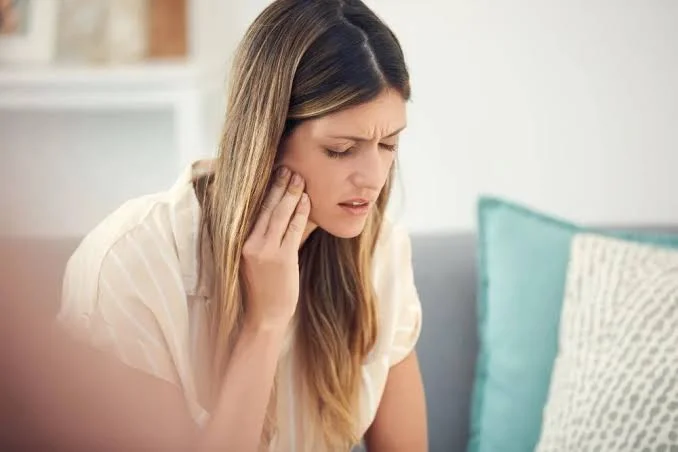
The most frequent query presented by cosmetic patients during post-treatment checks is: how long does sensitivity after teeth whitening last?
- The Acute Window (First 24 Hours): The initial 12 to 24 hours following an in-office bleaching treatment represent the peak of active tissue reaction. During this acute phase, minor, spontaneous "zaps" or thermal sensitivity are biologically normal.
- The Resolution Phase (48 to 72 Hours): As your saliva naturally bathes the teeth, calcium and phosphate minerals actively re-deposit onto the enamel surface, slowly sealing the exposed dentin tubule orifices. Through this natural remineralization process, post-bleaching discomfort resolves completely within 48 to 72 hours. If you have pre-existing micro-fractures, receding gums, or cervical wear, this window may extend up to a week.
How to Cure Sensitivity After Teeth Whitening?
To manage this temporary sızlama period with complete comfort, our clinicians recommend implementing these systematic how to cure sensitivity after teeth whitening strategies:
1. Potassium Nitrate Desensitizing Pastes
Incorporate specialized desensitizing toothpastes containing Potassium Nitrate for several days following treatment. Potassium nitrate ions diffuse through the open dentin tubules, creating a protective barrier around the sensory nerve endings to block pain signal transmission. Additionally, using in-office desensitizing gels containing Amorphous Calcium Phosphate (ACP) helps seal open tubules immediately.
2. Clinical Fluoride Varnishes and Remineralization Therapy
A professional application of highly concentrated neutral sodium fluoride varnish by your clinician immediately after your whitening session provides rapid relief. This step locks mineral crystals over the exposed tubule entries, reducing post-operative sensitivity rates by up to 80%.
3. Calibrated Oral Hygiene Actions
Avoid hard-bristled toothbrushes and aggressive scrubbing after whitening. Switch to an ultra-soft post-operative toothbrush and brush gently using lukewarm water to prevent temperature-induced nerve shocks.
4. Thermal and Chemical Diet Modification (White Diet)
Avoid extremely hot soups, ice-cold beverages, ice cream, and acidic juices (such as orange or lemon juice) for the initial 48 hours. Ensure all consumed meals are served at mild room temperature.
Comparative Matrix: Whitening Systems and Sensitivity Risks
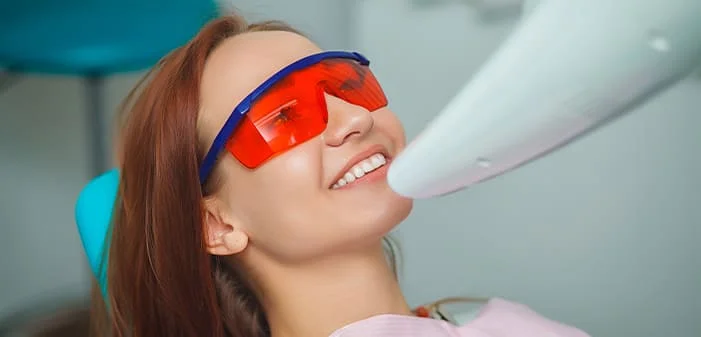
Review how different professional tooth whitening modalities influence sensitivity rates and recovery phases:
|
Whitening Modality |
Active Peroxide Concentration |
Sensitivity Risk Profile |
Average Recovery Window |
Preventive Clinical Protocol |
|
Professional In-Office Bleaching |
High (%35 - %40 Hydrogen Peroxide) |
High (Rapid organic oxidation) |
24 - 48 Hours |
Immediate clinical fluoride or ACP application post-op |
|
Custom-Tray Home Whitening |
Moderate (%10 - %16 Carbamide Peroxide) |
Moderate (Gradual release profile) |
3 - 5 Days |
Adding desensitizing gel directly into the custom tray |
|
Laser-Assisted Whitening |
High (%35 - %40 + Laser Energy) |
High (Thermal energy can trigger pulpal response) |
24 - 36 Hours |
Calibrated laser power outputs and short exposure times |
|
Over-The-Counter Kits |
Variable (%1 - %3 Active Agents) |
Low (But high risk of enamel abrasion) |
Variable (Can be prolonged if misused) |
Discontinue use immediately and consult a dentist |
Frequently Asked Questions
Is tooth sensivity normal after whitening? Are my teeth being damaged?
Yes, experiencing temporary tooth sensitivity after bleaching is a completely normal, physiological response. It does not indicate that your protective enamel is being eroded or permanently damaged. Bleaching jelleri function by dissolving organic stain pigments within the enamel matrix, not by stripping away minerals. This process is fully reversible; as saliva remineralizes the teeth, the structural integrity of the enamel remains completely intact.
Can I take over-the-counter pain relievers to manage bleaching sensitivity?
Yes, absolutely. To navigate the acute 24-hour post-treatment window comfortably, you can take a mild anti-inflammatory over-the-counter painkiller (such as ibuprofen or flurbiprofen) as recommended by your clinician. Taking the first dose immediately after your appointment with a light meal will prevent the onset of sharp sızlama sensations.
What is the "White Diet"? What should I avoid eating?
Following teeth whitening, the enamel pores remain expanded and highly receptive to external staining pigments and dietary acids for up to 72 hours. To protect your investment and prevent rapid staining, you must follow the white diet. This means avoiding dark, pigment-rich substances such as coffee, tea, red wine, soy sauce, tomato paste, berries, and tobacco. Additionally, avoid very cold, hot, or highly acidic foods to prevent nerve sensitivity. Safe, room-temperature choices include chicken breast, white rice, pasta, yogurt, cauliflower, and bananas.
About the Author