


How To Treat Deep Bite?
Don't put off your smile. Message us now to discuss your treatment options with our expert dentists.
WhatsAppAn ideal dental occlusion (bite) is vital for healthy chewing function and the protection of the jaw joint. Many patients notice that their lower teeth are almost completely hidden when they look in the mirror, yet they are often unaware that this is a clinical issue. Defined in orthodontics as a deep bite, this condition can actually pose a hidden threat to oral health.
When the upper teeth excessively overlap the lower teeth vertically, it can lead to the lower teeth striking the palate or cause rapid wear on the back surfaces of the upper teeth over time. In this article, we will detail the frequently asked questions regarding deep bite malocclusion and the solutions offered by modern dentistry.
Table of Content
What is a Deep Bite?
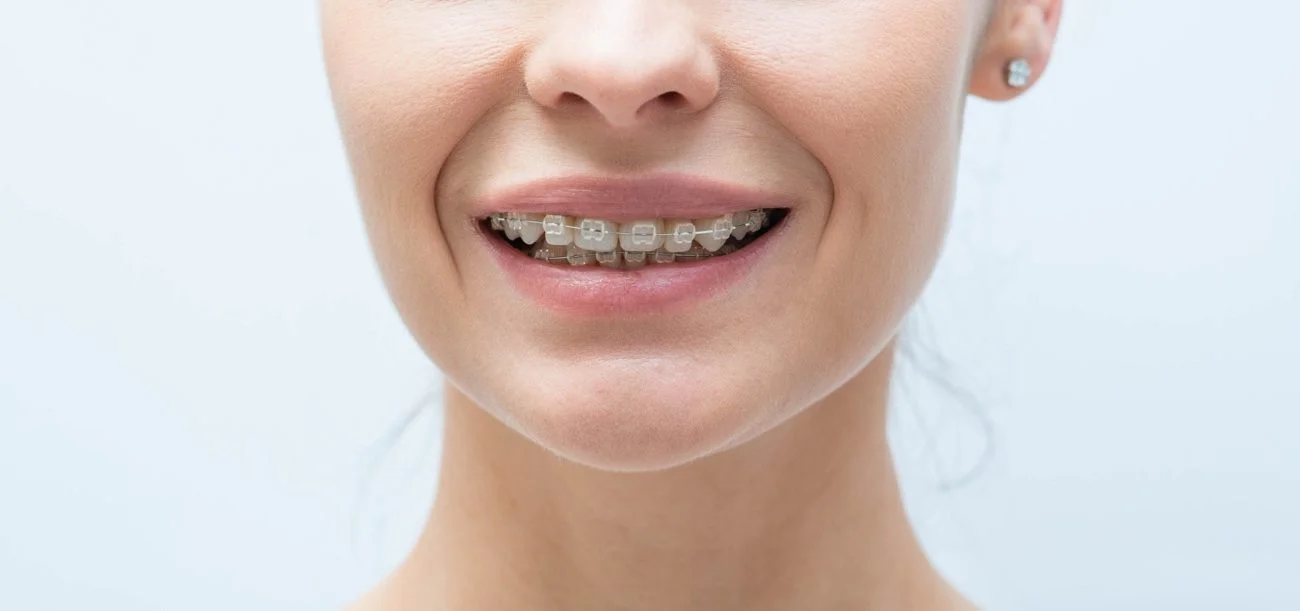
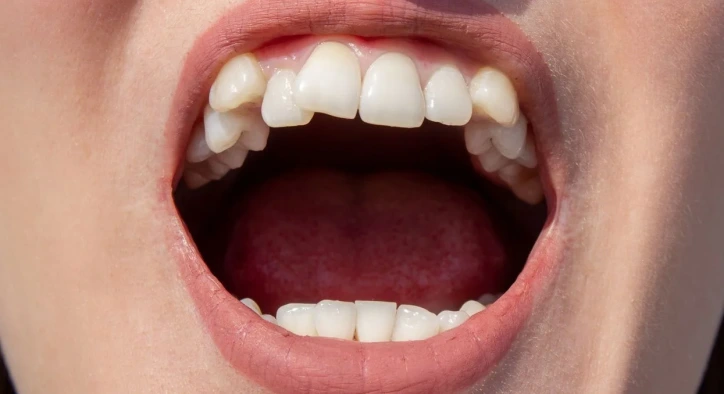
The answer to "what is a deep bite?" is a condition where the upper front teeth overlap the lower front teeth by more than 30% on the vertical plane when you close your mouth. So, in a healthy oral structure, how should the teeth be aligned? The upper teeth should sit slightly in front of the lower teeth and cover them only marginally.
In a deep bite, this overlap is so significant that the lower teeth sometimes disappear entirely behind the upper ones. This situation can be a simple dental alignment issue, or it can stem from skeletal problems such as a retrognathic (recessed) lower jaw or an overdeveloped upper jaw.
What Causes a Deep Bite?
Multiple factors typically play a role in the development of this condition. The primary causes of a deep bite malocclusion include:
- Genetic Factors: Jaw structure and tooth size are inherited from parents. If there is a history of a recessed lower jaw or a narrow upper jaw in the family, the likelihood of this disorder in children increases.
- Tooth Loss: Early loss of back teeth can cause the bite to collapse. Without the support of these teeth, the front bite may deepen.
- Habits: Long-term use of a pacifier, thumb sucking, or tongue thrusting during childhood can change the natural eruption direction of the teeth, disrupting the bite.
- Strength of Chewing Muscles: In some individuals, the chewing muscles are exceptionally strong. This can cause the teeth to wear down vertically or cause the jaws to move closer together than normal.
How to Tell if You Have a Deep Bite
Many patients are unaware of a deep bite until they visit a dentist. However, you can identify signs of a deep bite with a simple check in front of a mirror:
- Close your teeth normally and part your lips. If more than half of your lower front teeth are hidden by the upper teeth, this is a sign.
- In individuals with a deep bite, the lower jaw often appears smaller or recessed. This can result in a facial profile sometimes referred to as a "bird's profile."
- If you notice flattening or wear on the edges of your lower front teeth, it may be caused by those teeth striking the back of the upper teeth.
- If your lower teeth are touching the inner part of your palate (roof of the mouth) and there is constant sensitivity there, this is a serious malocclusion.
What Happens if a Deep Bite is Left Untreated?
Patients often ask, "My teeth look straight, why should I seek treatment?" However, the problems that arise if a deep bite is left untreated go far beyond aesthetics:
- TMJ (Jaw Joint) Issues: Because the lower jaw is constantly forced backward, clicking, pain, and even jaw locking can occur in the joint.
- Gum Recession: Tissue trauma and advanced gum recession can occur as a result of the lower teeth striking the upper palate.
- Rapid Tooth Wear: Incorrect contact angles cause the enamel to thin quickly, leading to a shortening of the tooth height.
- Loss of Smile Aesthetics: A "gummy smile," where the gums are overly visible, can develop.
How is a Deep Bite Treated?
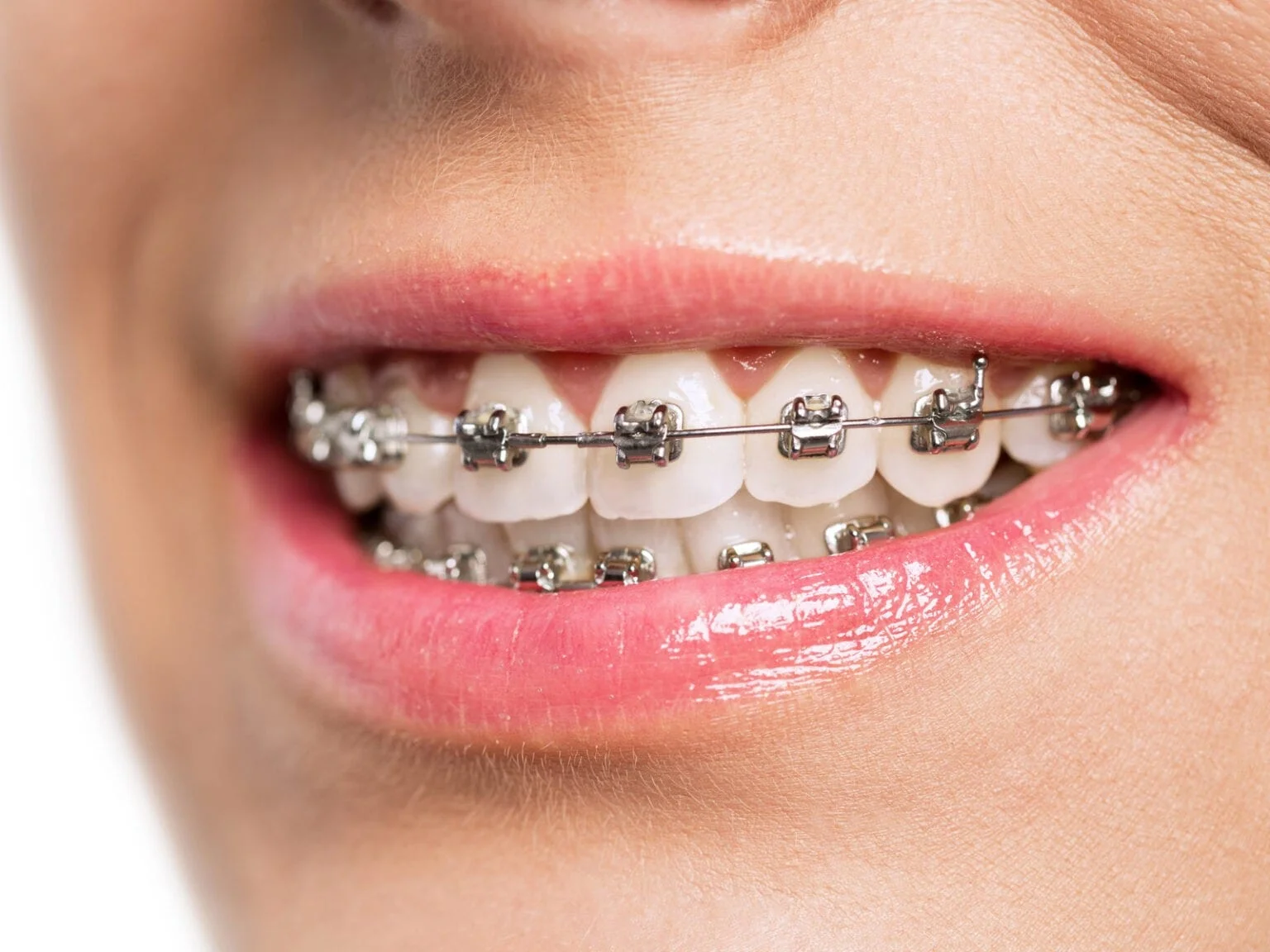
Thanks to advancing technology, deep bite treatment can now be successfully applied to all age groups. The treatment method varies according to the patient's age and the severity of the malocclusion.
Braces (Orthodontic) Treatment
Traditional orthodontic treatment with braces is the most common method. Through brackets and wires, the vertical positions of the teeth are altered; the front teeth are slightly intruded into the bone while the height of the back teeth is increased.
Clear Aligners (Invisalign, etc.)
As the greatest convenience of modern orthodontics, deep bite treatment with clear aligners is an excellent option for patients with aesthetic concerns. Aligners can correct the bite using precise forces planned in a digital environment. The biggest advantage of this method is that oral hygiene is much easier to maintain.
Mini-Screws and Additional Appliances
In some cases, small support units called "mini-screws" are placed into the jawbone to support the vertical movement of the teeth. These screws speed up the movement and increase the effectiveness of the treatment.
Surgical Solutions for Skeletal Cases
If the malocclusion stems from the position of the jawbones rather than just the teeth, orthognathic surgery may be considered. This involves a comprehensive process where surgical and orthodontic treatments are carried out together.
Is Treatment Different for Children vs. Adults?
Age is the most important factor in determining the course of treatment. In children, because jaw growth is ongoing, it is possible to guide jaw development with functional appliances. This allows skeletal issues to be resolved without surgery.
Deep bite treatment in adults focuses more on the movement of the teeth. Since jaw growth has stopped, skeletal corrections can usually only be achieved through surgery. However, most cases can be successfully finished without surgery using modern orthodontic mechanics and braces.
FAQ: Frequently Asked Questions
Does a deep bite cause headaches?
Yes. Due to a deep bite, the jaw joint (TMJ) may be positioned further back and under more pressure than it should be. This can lead to muscle tension radiating to the temples and chronic headaches.
My only problem is with my front teeth; is treatment still necessary?
A bite disorder in the front teeth is usually a result of the incorrect positioning of the back teeth. Focusing only on the front area does not solve the root problem. Functional balance of the entire mouth is necessary to prevent long-term wear.
Does a deep bite affect face shape?
Definitely. In individuals with a deep bite, the distance between the tip of the nose and the tip of the chin appears shortened. This can make the lower part of the face look collapsed and make the person appear older than they are.
How long does deep bite treatment take?
While it varies depending on the severity of the case and the method used, the average treatment time is between 12 and 24 months. In some cases, clear aligners can shorten this duration.
About the Author