


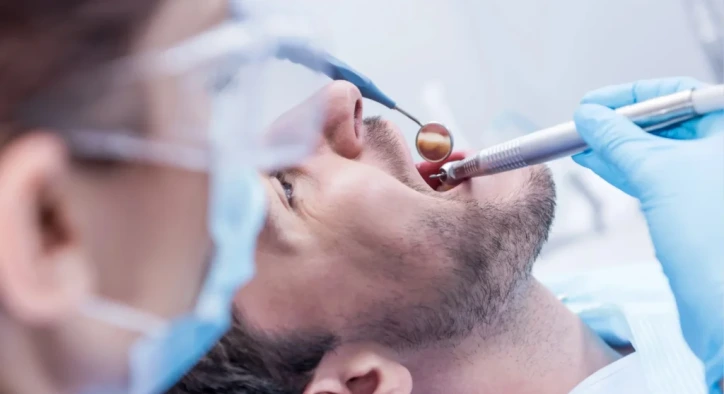
What is Sinus Lifting? Surgery and Recovery Process
Don't put off your smile. Message us now to discuss your treatment options with our expert dentists.
WhatsAppWhen teeth are lost in the posterior (back) region of the upper jaw, the jawbone begins to resorb over time, and the sinus cavities start to sag downward. This anatomical change results in the loss of the bone volume necessary for dental implant treatment, eliminating the vertical bone distance required for placement. This is where sinus lifting surgery comes into play.
Also known as sinus augmentation, this surgical intervention is one of the most important bone reconstruction procedures offered by modern dentistry. Thanks to advancing technology and surgical methods, bone insufficiency is no longer an obstacle to getting dental implants.
Table of Content
What is Sinus Lifting?
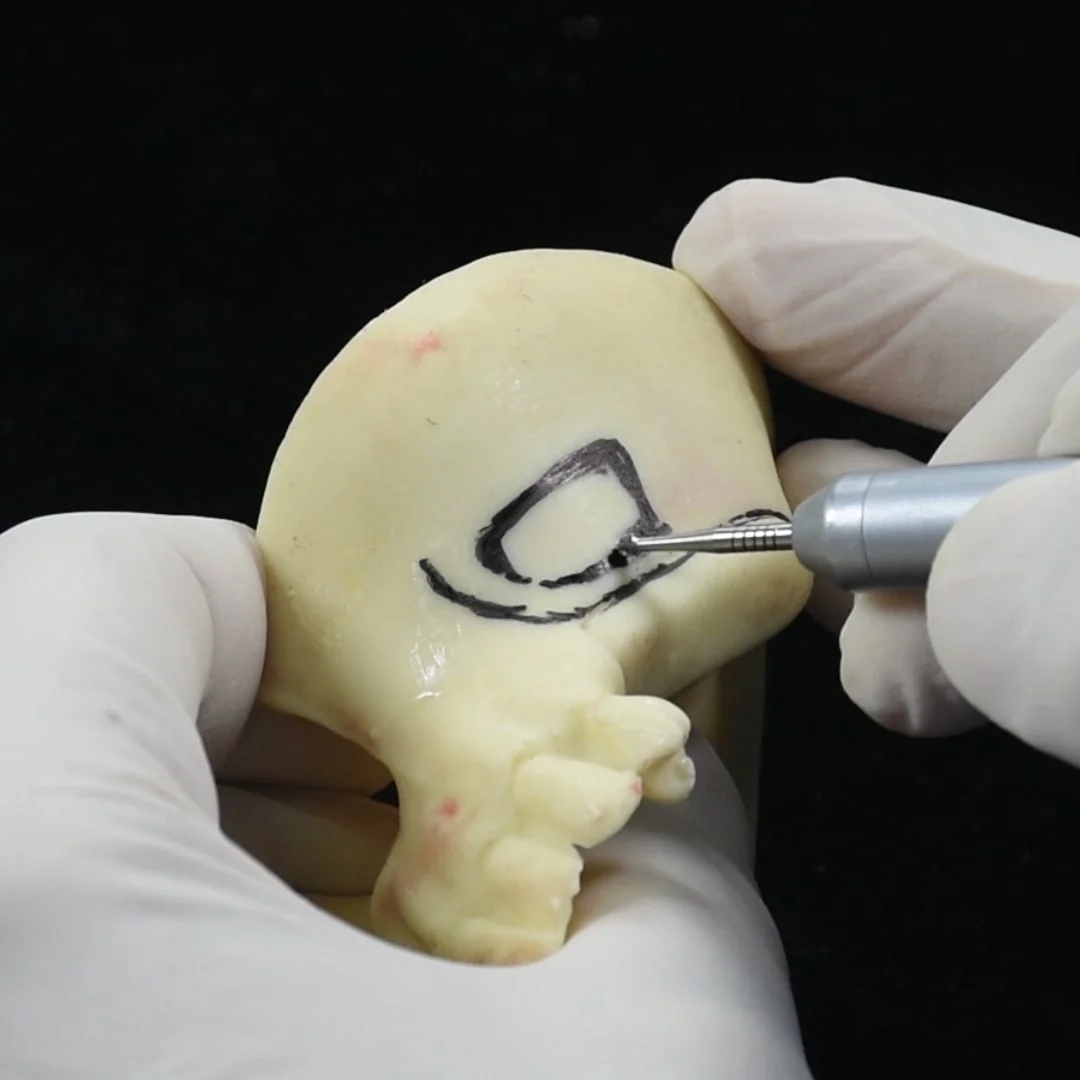
Technically speaking, the answer to "what is sinus lifting?" is a procedure used to vertically increase the amount of bone in the posterior upper jaw by elevating the sinus floor. The sinuses, located in our upper jaw right next to our nostrils, serve functions such as reducing the weight of the skull and providing resonance to the voice. When teeth are lost, these cavities expand (pneumatize), destroying the bone thickness required for an implant.
The sinus lifting operation involves pushing the floor of this anatomical cavity upward and placing materials that will support new bone formation underneath it. This process not only ensures that the implant can be placed but also guarantees that the implant will be long-lasting and resistant to chewing forces.
What Are the Types of Sinus Lifting Surgery?
Every patient's oral structure and level of bone resorption are different. Therefore, surgeons determine two basic methods based on need: open sinus lifting and closed sinus lifting.
Open Sinus Lifting (Lateral Window)
This method is preferred in cases where bone loss is severe and the vertical bone height has dropped below 4–5 millimeters. During the operation, a small "window" is opened on the side of the jawbone, the sinus membrane is lifted, and a significant amount of bone graft is placed into the resulting space. The open sinus lifting technique is the most reliable way to create new bone volume in wide areas.
Closed Sinus Lifting (Internal Sinus Lift)
This method is applied if the patient's existing bone amount is close to supporting an implant but requires only a few millimeters of additional elevation. The sinus floor is pushed upward using special instruments (osteotomes) through the socket where the implant will be placed. Since closed sinus lifting is a less invasive procedure, the recovery process is usually faster, and side effects like swelling remain minimal.
Why is Sinus Lifting Performed?
Many patients wonder why their bone becomes "insufficient" when they don't get an implant immediately after tooth loss. Tooth roots stimulate the jawbone to keep it alive. When a tooth is extracted, this stimulation stops, and the body may begin to resorb the bone that has become non-functional. Simultaneously, because the sinus cavities in the upper jaw sag downward, the bone can thin from both sides.
The primary goals of performing sinus lifting surgery are:
- To provide sufficient vertical distance for the length of the implant.
- To prevent the implant from penetrating the sinus cavity.
- To create 360-degree solid bone support around the placed implant.
- To prepare the anatomical structure in the upper jaw for a functional chewing arrangement.
How is the Sinus Lifting Operation Performed?
Patients often ask "how is sinus lifting performed?" because they are apprehensive about the procedure. This process is carried out by specialist oral surgeons under sterile operating room conditions.
- Planning and Anesthesia: First, the position of the sinus and the amount of bone are measured using radiological imaging (panoramic X-ray or tomography). The operation area is completely numbed with local anesthesia, so the patient feels no pain.
- Lifting the Membrane: The sinus cavity is reached according to the chosen technique. The delicate membrane lining the sinus cavity is gently pushed upward with specialized tools.
- Bone Graft Application: Bone graft material (often referred to as "bone powder") is placed into the space created by lifting the membrane.
- Suturing and Closing: The operation site is closed with stitches. In some cases, if the existing bone is sufficient, the implant can be placed during the same session.
Many patients worry if the surgery is difficult, but under the right technique and anesthesia, this procedure can be much more comfortable than a standard tooth extraction.
Things to Consider After Sinus Lifting
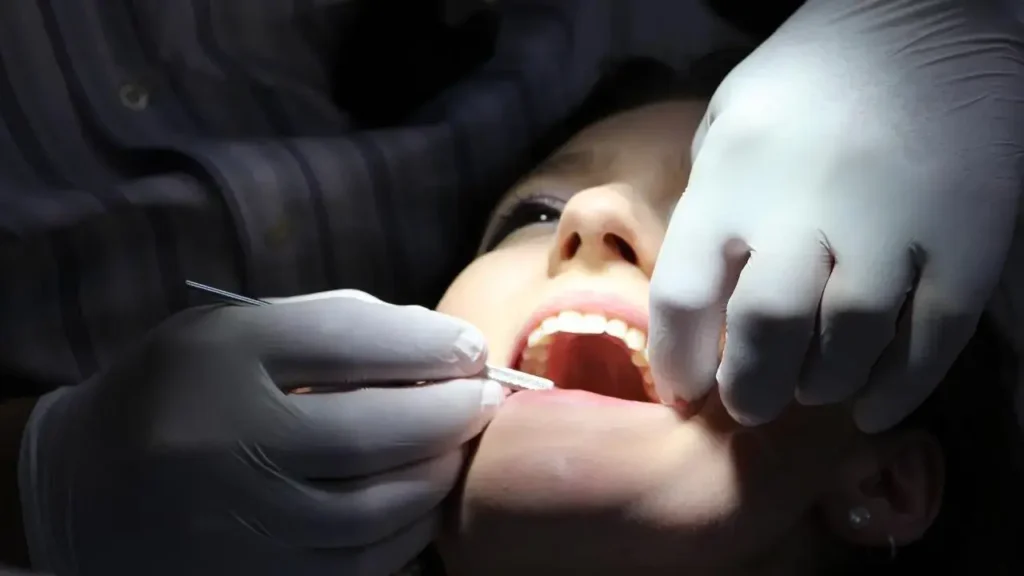
Post-surgical care is as critical as the success of the operation itself. For the tissues to heal and ossify healthily after sinus lifting surgery, the patient has several responsibilities:
- Avoid Pressure: The most important rule is to avoid movements that create pressure in the sinuses. For the first 2 weeks, you should keep your mouth open while sneezing and avoid blowing your nose forcefully.
- Oral Hygiene: You should not touch the operation area with a toothbrush until the stitches are removed; instead, use the antiseptic mouthwashes recommended by your physician.
- Smoking and Alcohol: Smoking impairs blood circulation at the surgical site, which can prevent the bone powder from integrating. It should be avoided entirely during the healing process if possible.
- Diet and Medication: Use the antibiotics and painkillers prescribed by your doctor regularly. Staying away from hot and very hard foods for the first few days helps protect the sutures.
Who is a Candidate for Sinus Lifting?
This operation is recommended only for patients meeting specific criteria. Sinus lifting candidates generally consist of:
- Individuals with missing teeth in the posterior upper jaw (molar region).
- Individuals whose tooth loss occurred years ago and whose bone height has dropped below 4–5 mm.
- Patients whose sinus cavities are anatomically very close to the tooth roots but who want dental implants.
Who performs sinus lifting? Because this procedure requires high precision, it must be performed by an Oral and Maxillofacial Surgeon or an experienced Periodontologist (gum disease specialist).
How Long Does it Take to Heal?
Patients are also curious about how many days it takes to recover from sinus lifting surgery. Closing the surgical wound and removing the stitches takes about 7 to 10 days. However, the actual "ossification" process, which is the main goal of the operation, can take between 3 to 6 months. It is essential to wait for this period so that the placed bone graft fully integrates with the patient's own bone. After this waiting period, implants can be safely placed.
FAQ: Frequently Asked Questions
Is sinus lifting a painful procedure?
No. Since the operation is performed under local anesthesia, the patient feels nothing during the procedure. Any mild aches that may occur afterward can be easily controlled with standard painkillers.
Can sinus lifting and implants be done on the same day?
If the patient's own bone is sufficient to stabilize the implant (at least 4–5 mm), sinus lifting and the implant can be performed simultaneously. However, if the bone is very thin, the lift is done first, and the implant is placed after waiting 4–6 months for ossification.
Is swelling normal after sinus lifting?
Yes, swelling after sinus lifting surgery is an expected condition, especially in operations where the open technique is used. With ice compresses applied for the first 48 hours and medications recommended by the doctor, this swelling usually subsides quickly within a few days.
What happens if I stop taking the supplements/medications?
Stopping the prescribed antibiotics or care routine after a sinus lifting can lead to infection of the graft, which may result in the failure of the entire procedure. Consistency is the only way to ensure the bone graft "takes."
When can I eat after the sinus lifting operation?
Once the effect of the anesthesia wears off (approximately 2–3 hours), you can start eating with warm and soft foods. Care should be taken not to chew with the operated area.
About the Author