


What is Malocclusion? How is it Treated?
Don't put off your smile. Message us now to discuss your treatment options with our expert dentists.
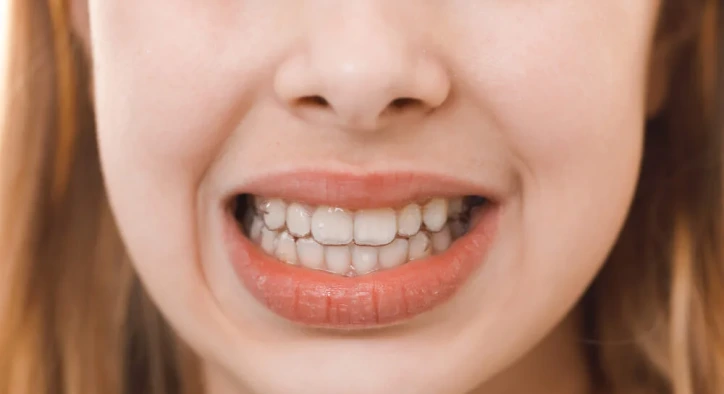
WhatsAppIn an ideal oral structure, the upper teeth slightly overlap the lower teeth, and the cusps of the molars fit perfectly into the grooves of the opposing jaw. When this harmony is disrupted, the resulting condition is called malocclusion. Derived from Latin, the simplest answer to the question of what malocclusion means is "bad bite." This condition encompasses a wide spectrum, ranging from simple crowding in the alignment of teeth to structural deformities of the jawbones.
Table of Content
What is Malocclusion?
In a normal bite, the teeth are neatly aligned in the jaw, and when the mouth is closed, the teeth support each other. However, when malocclusion is present, the teeth may be too crowded, there may be gaps between them, or the upper and lower jaws may be positioned too far forward or backward relative to each other.
This condition should not be considered merely an aesthetic problem. Misalignment of the teeth makes it difficult to maintain oral hygiene, which can invite periodontal diseases through the relationship between malocclusion and gum health. Additionally, improper biting forces can place excessive load on certain teeth, accelerating tooth loss.
What Causes Malocclusion?
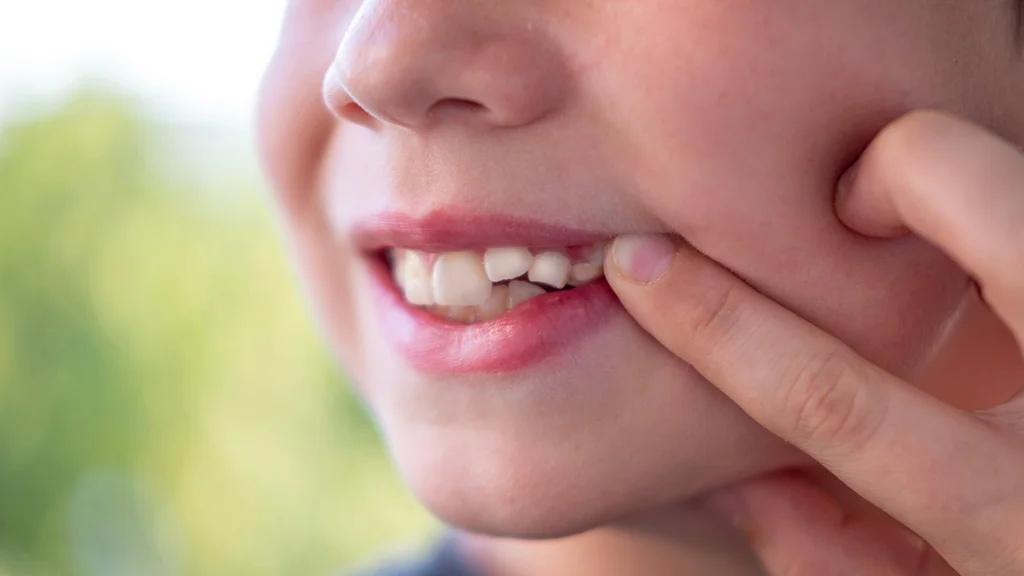
For most people, bite disorders are based on a complex set of reasons. When looking at the causes of malocclusion in children, environmental factors come to the fore:
- Infancy Habits: Long-term pacifier use, thumb sucking, or bottle-feeding habits can distort the shape of the jawbone.
- Early Tooth Loss: The premature loss of baby teeth can cause permanent teeth to shift into the wrong positions.
- Respiratory Problems: Constant mouth breathing due to adenoid or tonsil problems can lead to a narrow upper jaw structure, often referred to as "adenoid face."
- Injuries: Hard blows to the jaw can disrupt the alignment of the bones and trigger the development of malocclusion.
What Are the Types of Malocclusion?
Orthodontists classify bite disorders based on the position of the teeth and jaws relative to each other. This classification is critical for determining the treatment roadmap.
Class 1 Malocclusion
This is the most common type. The position of the upper and lower jaws relative to each other is normal, but there is crowding, rotation, or spacing (diastema) in the teeth. Chewing function is generally good, but aesthetic concerns and difficulties in cleaning the teeth are prominent.
Class 2 Malocclusion (Retrognathism)
This is a condition where the upper jaw or upper teeth are significantly forward relative to the lower jaw. In this condition, often colloquially referred to as "overbite," the lower jaw is usually further back than it should be. These types of disorders can be treated more easily with functional appliances, especially during childhood.
Class 3 Malocclusion (Prognathism)
This is the positioning of the lower jaw forward relative to the upper jaw. In this case, the lower front teeth pass in front of the upper front teeth. Often having a strong genetic background, early intervention in this type is vital for guiding jaw development. If treatment is delayed until adulthood, surgical intervention may be required.
What Are the Symptoms of Malocclusion?
While some bite disorders are immediately noticeable from the outside, others are only revealed through a dentist's examination. The most common symptoms observed in patients are:
- Visible irregularity or crowding in the alignment of teeth.
- Frequent biting of the cheeks or tongue when the upper and lower teeth are closed.
- Lisps or difficulty pronouncing certain sounds during speech.
- "Clicking" sounds coming from the jaw joint when closing the mouth or chewing.
- Upper and lower teeth not touching each other when the mouth is closed (open bite).
- Obvious deformities in facial symmetry.
The question of whether a bad bite causes headaches is important here. Yes, the incorrect contact of the teeth can cause constant tension in the jaw muscles. This tension can radiate, leading to chronic pain in the temples and neck.
How is Malocclusion Treated?
Thanks to advancing technology, the answer to the question of how malocclusion is treated is now much more comfortable and diverse.
Orthodontic Treatment
The treatment process usually begins with a comprehensive diagnostic phase. Panoramic X-rays, 3D intraoral scans, and photographs are taken. Then, one of the following methods is selected to ensure occlusal balance:
- Traditional Metal Braces: One of the strongest and most definitive methods. It allows teeth to be moved under control even in severe cases.
- Porcelain (Clear) Brackets: A less visible alternative to metal braces for patients with aesthetic concerns.
- Functional Appliances: Removable devices used especially in children to guide jaw development.
Clear Aligners (Invisalign)
Many patients wonder if clear aligners (Invisalign) are effective in treating malocclusion. Today, thanks to advanced software, clear aligners are successfully used in the vast majority of even the most complex cases. Being removable makes them one of the greatest comforts of modern medicine, as they facilitate social life and oral hygiene.
How is Malocclusion Surgery Performed?
Orthognathic surgery, also known as jaw surgery, is applied in cases of skeletal-based malocclusion where braces alone are not sufficient. This process requires comprehensive planning, usually carried out in collaboration between an orthodontist and a maxillofacial surgeon. The surgical process generally consists of the following stages:
- Before surgery, braces or clear aligner treatment is applied for a certain period to ensure the teeth adapt to the new jaw position.
- In the procedure performed under general anesthesia, the jawbones are accessed through the mouth. This ensures that no external scars are formed on the face. The jawbones are cut and moved forward, backward, or sideways according to the pre-determined occlusal balance plan.
- The repositioned bones are fixed with the help of titanium plates and screws. Since these materials are biocompatible, they can stay in the body for life.
- Following a short hospital stay after surgery, elastic appliances may be used to help the jaws adjust to each other. After full recovery, the upper and lower teeth fit together perfectly, providing both an aesthetic and functional bite.
Can Malocclusion Be Treated Without Surgery?
If the disorder is purely dental (such as Class 1), non-surgical treatment is possible regardless of age. However, if there is a skeletal deformity (the jaw being excessively forward or backward), braces alone may not be sufficient after the growth period has ended. In these cases, orthognathic surgery is combined with orthodontic treatment. However, in interventions made at an early age with jaw expansion appliances, the need for surgery can often be eliminated.
What Happens if Malocclusion is Left Untreated?
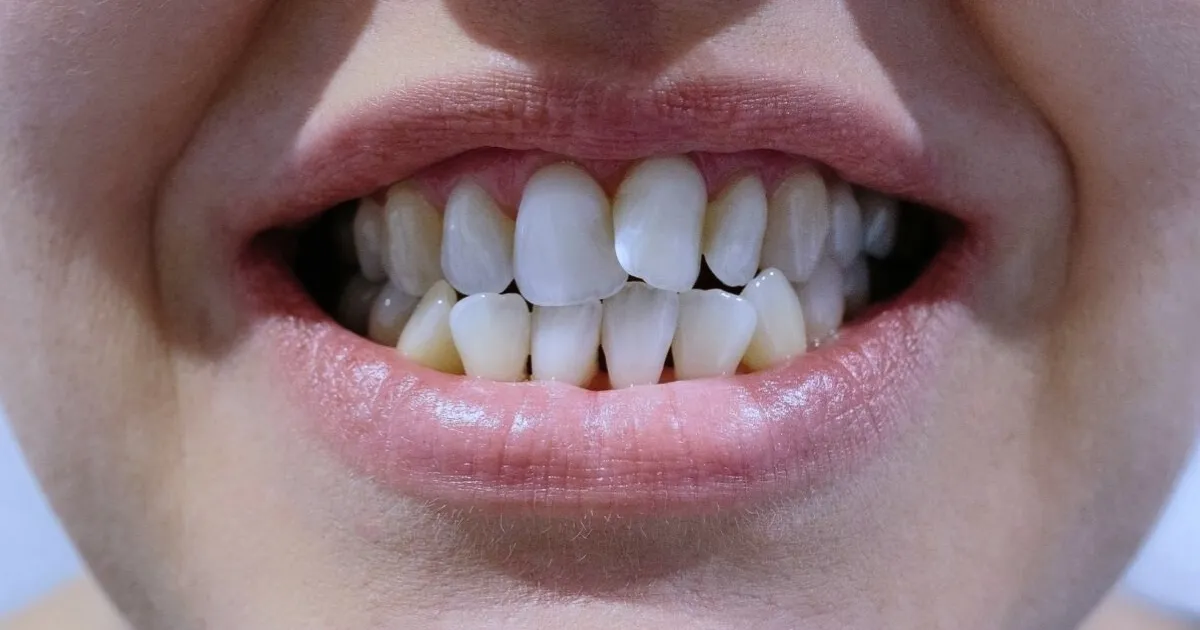
Delaying treatment can lead to more complex and costly problems over time. If a bite disorder is not treated, the following may occur:
- Jaw Joint Problems (TMJ): An incorrect bite can cause wear on the joint disc and lead to chronic pain.
- Constant Teeth Grinding (Bruxism): The body may start to wear down the teeth by rubbing them against each other in an attempt to correct the improper bite.
- Gum Recession: Excessive load on certain teeth can lead to the erosion of the bone and gums in that area.
- Digestive Issues: Food that cannot be chewed sufficiently can trigger stomach and intestinal problems.
FAQ
At what age should malocclusion treatment start?
It is recommended that the first orthodontic examination be performed at age 7. By monitoring jaw development at this age, major problems that may occur in the future can be prevented. However, treatment is possible at any age in adulthood.
Do braces completely fix malocclusion?
Yes, with professional planning, braces can completely correct a bite disorder by bringing the teeth into their ideal positions. In skeletal cases, surgical support may be required.
Does a bad bite make cleaning difficult?
Yes, toothbrushes and dental floss cannot reach between crowded teeth. This leads to the accumulation of bacterial plaque, cavities, and inflammation caused by malocclusion and gum health issues.
Is malocclusion genetic?
Yes, malocclusion is largely a genetically transmitted condition; features such as jaw structure, tooth size, and skeletal alignment can be inherited from parents. However, in addition to genetic predisposition, environmental factors such as thumb sucking or early tooth loss also play an important role in the development of this disorder.
About the Author