



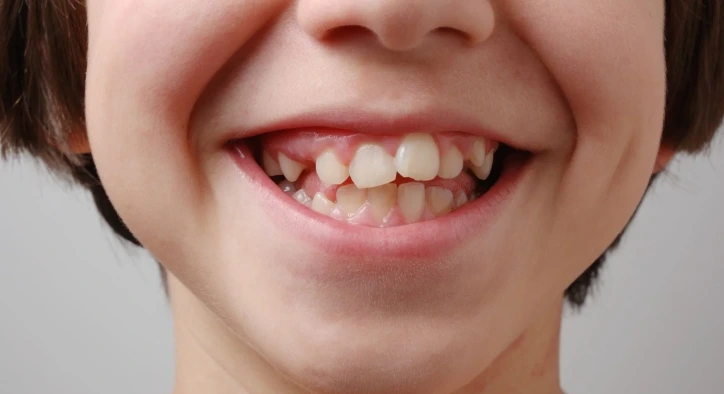
What You Need to Know Before Braces: A Step-by-Step Preparation Guide
Don't put off your smile. Message us now to discuss your treatment options with our expert dentists.
WhatsAppDeciding to embark on an orthodontic journey is not just about an aesthetic transformation; it is the most significant step toward a healthy oral structure. However, for many patients, the period before braces can be filled with unknowns and slight anxiety. A correct start directly impacts the total duration and success of the treatment.
This preparation phase covers a series of critical stages, from a detailed clinical examination to the optimization of gum health, and from necessary fillings and cleanings to digital planning. In this guide, we will examine in detail what awaits you until the day those braces are finally fitted.
Table of Content
Preparations to be Made Before Braces
The period before the brackets are attached is essentially a "cleaning and restoration" phase. Your orthodontist will request certain pre-procedures to make the foundation—where the teeth will move—as healthy as possible. The fundamental rule in this process is that no active cavities or gum inflammation should remain in the mouth. Since maintaining oral hygiene becomes slightly more difficult once brackets are bonded to the tooth surfaces, "foundation cleaning" is of vital importance.
So, what concrete steps are taken before braces?
- Dental Scaling (Cleaning): Gums must be healthy and free of bleeding. Tartar (calculus) can prevent brackets from fully adhering to the tooth surface and may lead to gum recession during treatment.
- Treatment of Cavities: One of the most frequent questions patients ask is, "Can I get fillings before braces?" The answer is a definitive yes. All existing cavities must be cleaned, and fillings must be completed.
- Root Canal Treatments: If there is an infection at the root of a tooth, this situation must be resolved before the braces are applied.
- Impacted Tooth Check: The position of wisdom teeth, in particular, should be examined for the future stability of the treatment.
How is the Treatment Plan Created?
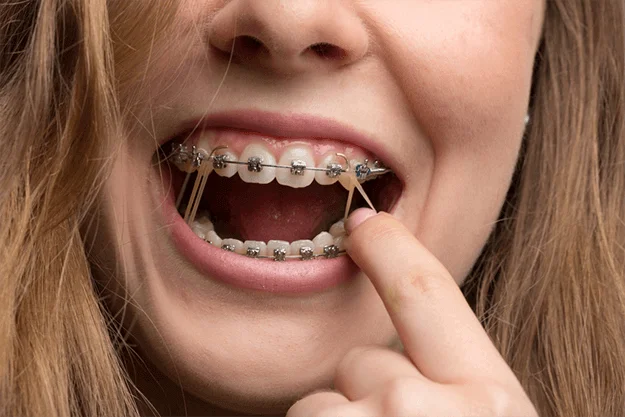
Every smile is unique; therefore, the stages of orthodontic treatment require a personalized architectural plan. The planning phase begins with the collection of digital and radiological data.
The recording process involved in the stages before braces includes:
- Panoramic and Cephalometric X-rays: These films are essential to see the root structures of the teeth, the density of the jawbone, and its angle relative to the cranial skeleton.
- Intraoral Scanning and Impressions: Digital scanners, which have replaced traditional putty impressions, create a millimetric copy of the teeth.
- Clinical Photography: The patient's facial profile, smile line, and dental occlusion are photographed from different angles. bu records are used to objectively see the difference between before and after braces.
In light of this data, the bracket selection phase begins. Based on the patient's lifestyle and needs, the most suitable option is determined among metal braces, aesthetic porcelain brackets, or entirely invisible clear aligners (Invisalign).
Is Tooth Extraction Necessary Before Braces?
One of the issues orthodontic patients fear most is the possibility of tooth extraction. The answer to "Is tooth extraction necessary before braces?" depends entirely on the crowding within the mouth. If the jawbone is too narrow to allow all teeth to be aligned properly and the teeth are very crowded, some teeth may need to be extracted so that the others can settle healthily.
Usually, "premolar" teeth are selected for this purpose, and the gaps formed can be completely closed by shifting other teeth during the treatment. The decision to extract is made not just to align the teeth, but also to ensure the correct jaw relationship is established and the facial profile reaches an aesthetic balance.
Things to Consider During the Braces Process

Once the orthodontic treatment begins, there are many elements patients must pay attention to. The placement of brackets is a completely painless procedure that takes about 45–60 minutes. However, the first few days after the wires are fitted is a period of adaptation for the tissues. During this process, pay attention to the following:
- Sensitivity: A slight feeling of pressure is natural as the teeth begin to move. This usually diminishes and disappears within a few days.
- Sore Control: Orthodontic wax should be used for small irritations that may occur due to brackets rubbing against the inside of the cheeks.
- Oral Care: Brushing teeth is no longer just a habit; it is a part of the treatment. Interdental brushes and special orthodontic brushes should become an inseparable part of your kit.
What Should You Not Eat After Getting Braces?
With the placement of wires, small but important changes must be made in eating habits. These restrictions are not to protect your teeth, but to prevent damage to the sensitive brackets on them. Adhering to the list of foods to avoid with braces can prevent accidental bracket breakages and stop the treatment duration from being extended.
Foods to be Careful With:
- Hard Foods: Fruits like apples and pears should be sliced, not bitten into. Nuts, popcorn, and hard bread crusts should be avoided.
- Sticky Substances: Items like gum, jellybeans, and caramel can stick between brackets, making cleaning impossible and potentially dislodging the wires.
- Acidic Drinks: Acidic beverages can damage the adhesive under the brackets and the tooth enamel, leading to staining on the teeth at the end of the treatment.
Regarding the question "Can you drink alcohol with braces?"; alcohol consumption does not directly damage the mechanical structure of the wires, but oral hygiene must be given much more attention after consuming sugary and acidic alcoholic drinks. The dry mouth that alcohol can cause may accelerate the formation of bacterial plaque.
Jaw and Facial Changes Before and After Braces
Orthodontics reshapes the lower third of the face beyond just straightening teeth. When the difference between before braces and after is examined, the most prominent change is seen in the lip structure and jawline. The positioning of teeth at the correct angle can make the lips look fuller or more balanced. Especially in cases with a receding lower jaw or a protruding upper jaw, a dramatic improvement in the facial profile can be observed at the end of treatment.
Frequently Asked Questions (FAQ)
Can I get a filling before braces?
Yes, all cavities in the mouth must be cleaned and filled before braces. Since it becomes harder to reach between teeth after the wires are on, the risk of decay must be eliminated beforehand.
Do braces hurt when they are put on?
No, you do not feel any pain while the braces are being fitted. The procedure involves bonding brackets to the tooth surface with special agents. No needles or anesthesia are required during the application.
Is dental scaling mandatory before braces?
Yes, it is mandatory. It is dangerous to move teeth in a mouth with gum inflammation. Healthy gums are a basic requirement for the speed and success of the treatment.
How many days should I wait before the braces are fitted?
Once the preparations in the mouth (fillings, cleaning, etc.) are finished, the laboratory process for digital impressions usually takes about 1 week. Braces can be fitted after a total preparation phase of 1-2 weeks.
Should wisdom teeth be extracted before braces?
This is entirely case-specific. If the wisdom teeth are crowding the existing teeth and disrupting the treatment plan, extraction is recommended. However, in some cases, there may be no harm in leaving these teeth in place.
Are the facial changes before and after braces permanent?
Yes, the skeletal and dental changes provided by orthodontics are permanent. However, the use of retainers after treatment is essential to maintain this permanence.
About the Author