


What Causes Gum Swelling? Symptoms and Treatment Options
Don't put off your smile. Message us now to discuss your treatment options with our expert dentists.
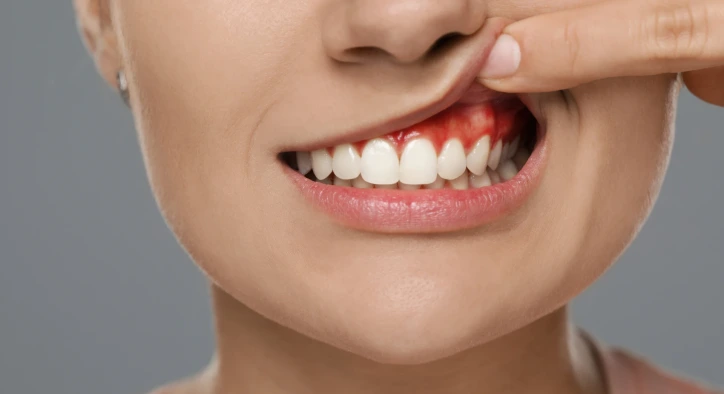
WhatsAppGum swelling is one of the most common oral health issues; if neglected, it can lead to serious tooth loss. Usually caused by bacterial plaque accumulating along the gum line, this condition manifests through redness, sensitivity, and bleeding. Swelling of the gums is the body’s natural defensive response to infection or irritation in the area.
Healthy gums are coral pink in color, have a slightly stippled texture similar to an orange peel, and do not bleed during brushing. However, many people experience gum swelling at some point in their lives. This condition may appear in a specific area, such as front gum swelling, or it may spread throughout the entire mouth.
Table of Content
What is Gum Swelling?
Clinically speaking, swelling of the gums is a volumetric increase in the gingival tissue that causes it to lose its normal form. This is usually the result of inflammation. When gums swell, they lose their tight seal around the tooth, creating gaps known as "pockets." These pockets are ideal environments for bacteria to settle.
Often, gum swelling is accompanied by pain and significant sensitivity. Because the tissues collect edema, they may feel soft to the touch, and their color may turn bright red or even purplish. If the swelling is concentrated behind a single tooth, it is often defined as posterior gum swelling and is usually related to impacted teeth or hygiene difficulties.
Why Do Gums Swell?
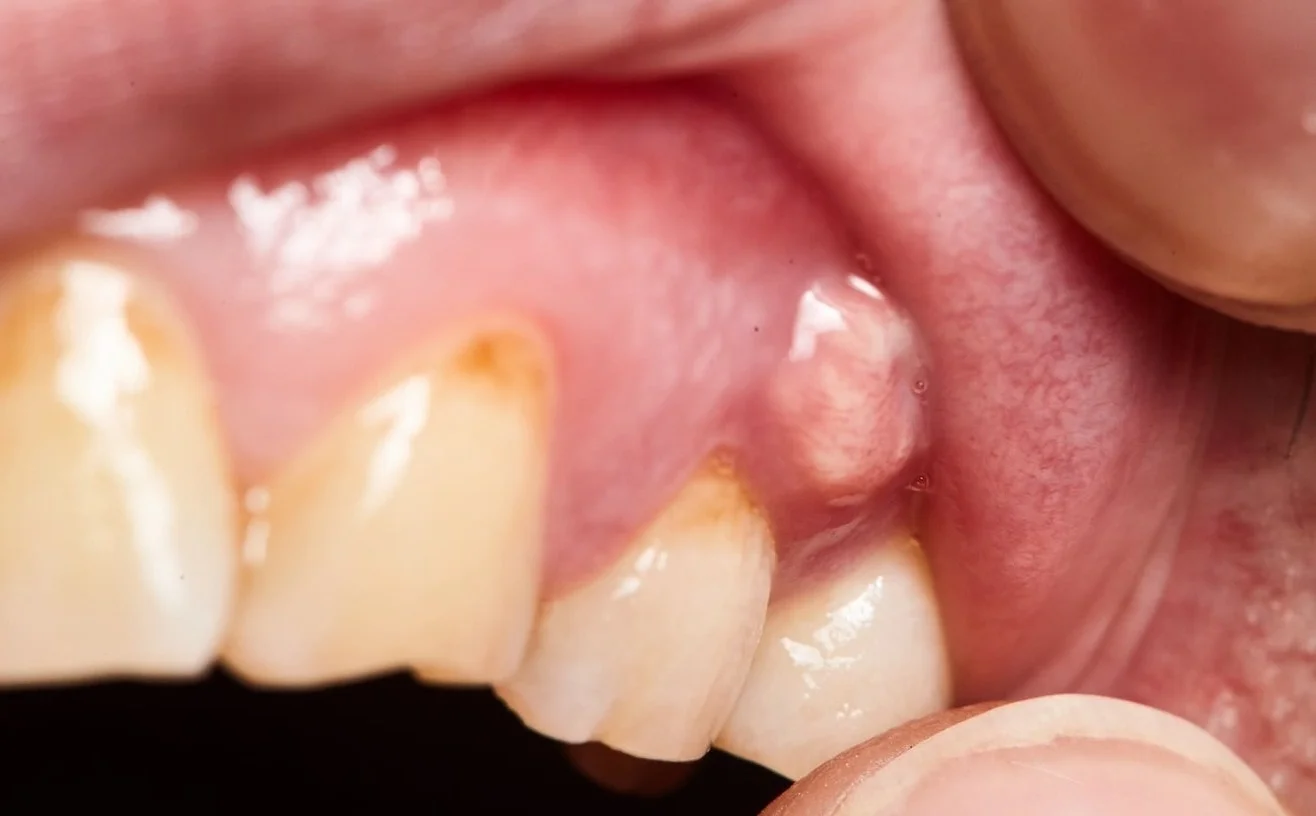
The underlying causes of this growth in the gingival tissue vary from person to person. To answer the question of why gum swelling occurs, the following factors can be listed:
- Plaque and Tartar: The most common cause is plaque accumulating on the tooth surface due to inadequate brushing. Over time, this plaque turns into tartar, which continuously irritates the gums.
- Gingivitis and Periodontitis: The initial stage of gum inflammation, gingivitis, can be reversed with proper treatment. However, if it progresses, it turns into periodontitis, which leads to bone loss.
- Hormonal Changes: Specifically, gum swelling during pregnancy can occur because changing hormone levels make the gums more sensitive to plaque.
- Vitamin Deficiencies: Deficiencies in Vitamin C and Vitamin B, in particular, can lead to weakened and swollen gums.
- Mechanical Irritation: Ill-fitting bridges or cases of gum swelling after a filling are results of mechanical irritation pressing against the tissue.
- Post-Procedural Reaction: In some instances, gum swelling after root canal treatment or gum swelling after an implant may be seen. This is often a natural response of the tissues during the healing process but should be monitored.
What Are the Symptoms of Gum Swelling?
Noticing problems early directly affects the success of the treatment. Gum swelling rarely comes alone; it may be accompanied by the following symptoms:
- Bleeding Gums: Bleeding while brushing or eating hard foods is the most important warning sign.
- Bad Breath: Bacteria accumulating in the gum pockets can cause persistent halitosis.
- Bright Red Gums: The healthy pink color may be replaced by a bright, tense redness.
- Loose Teeth: In advanced stages of swelling, the gums can no longer hold the teeth firmly.
- Difficulty Chewing: Due to edema in the area, pressure and pain may occur while consuming food.
What Happens if Gum Swelling is Not Treated?
If gum inflammation treatment is not performed on time, the process may evolve into the following stages:
- Bone Loss: Infection can jump from the gums to the jawbone, causing the bone tissue supporting the tooth to melt away.
- Tooth Loss: As the supporting structures around the teeth are destroyed, even perfectly healthy teeth without decay can wobble and fall out.
- Systemic Risks: Scientific links have been proven between gum inflammation and heart disease, diabetes, and the risk of premature birth. Bacteria in the gums can enter the bloodstream and trigger inflammation in other parts of the body.
How is Gum Swelling Treated?
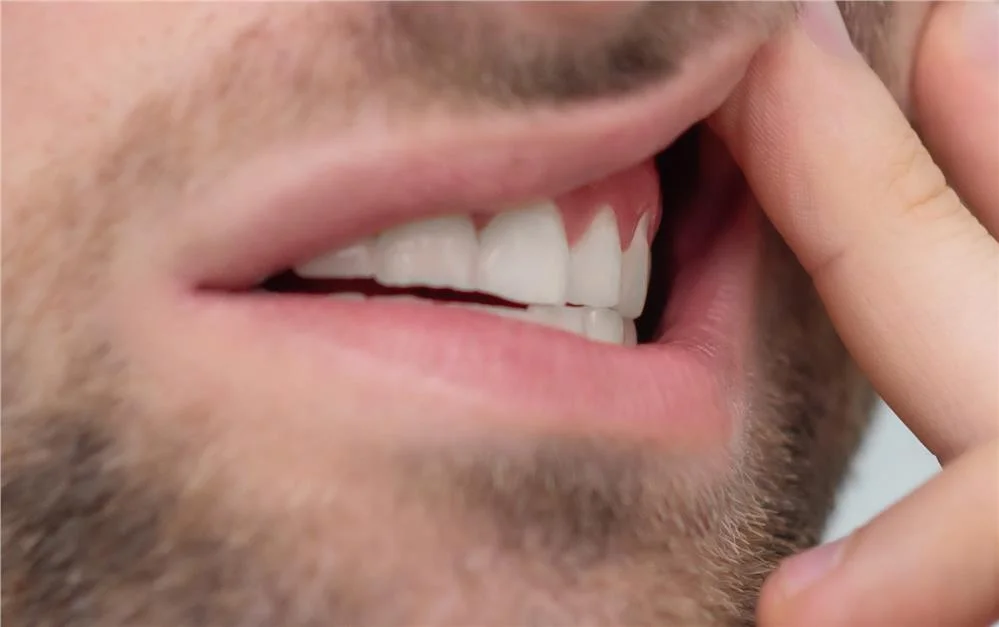
The answer to "how to get rid of gum swelling" lies in professional treatments:
- Professional Dental Cleaning: Plaque and tartar are cleaned using specialized tools. This is the first and most critical step of treatment.
- Curettage (Deep Cleaning): The inside of the gum pockets is cleaned, and root surfaces are smoothed. This allows the gum to re-attach firmly to the tooth.
- Medication: In cases of severe infection, your dentist may prescribe medication or special antiseptic mouthwashes. Antibiotic use must always be under a doctor's supervision.
- Surgical Intervention: In advanced cases of periodontitis, it may be necessary to reshape the gums or apply bone grafts.
- Restorative Adjustments: If the problem is gum swelling after an implant or a faulty filling, these restorations can be adjusted to remove the pressure.
What Can Be Done at Home for Gum Swelling?
You can try some methods to comfort yourself until your dentist appointment. However, remember that these do not solve the root of the problem; they only alleviate the symptoms. Safe methods for home care include:
- Saltwater Rinse: A natural disinfectant, saltwater helps reduce edema. Mix half a teaspoon of salt into a glass of warm water and gargle.
- Correct Brushing Technique: Do not be afraid to brush the swollen area. Using a soft-bristled brush at a 45-degree angle with gentle sweeping motions can help remove plaque.
- Cold Compress: Applying a cold compress from the outside of the face can suppress swelling by slowing blood flow.
- Hydration: Drinking plenty of water increases saliva production, which maintains the acid balance in the mouth and washes away bacteria.
Tips for Maintaining Gum Health
To prevent gum swelling from recurring after treatment, protective measures are essential:
- Flossing: Interdental areas that a brush cannot reach are the main centers for front gum swelling and interproximal cavities. It is vital to floss every evening.
- Regular Check-ups: Visiting the dentist twice a year helps clean tartar before it accumulates.
- Balanced Nutrition: Consuming fruits and vegetables rich in Vitamin C supports the gum tissue from within.
- Quitting Smoking: Smoking disrupts the blood supply to the gums and hinders the healing of infections. In smokers, gum disease often progresses more stealthily and rapidly.
FAQ
Does gum swelling go away on its own?
If the swelling is due to a simple irritation (like a scratch from hard food), it may pass in a few days. However, if the cause is plaque buildup or infection, it will not resolve without professional cleaning; in fact, it will worsen.
Which vitamin deficiency causes gum swelling?
The most critical vitamin for gum tissue is Vitamin C. In its absence, tissue integrity can break down, leading to easy swelling and bleeding. Additionally, B12 and folic acid deficiencies can cause oral sores and sensitive gums.
Can a wisdom tooth cause gum swelling?
Yes, especially around partially impacted wisdom teeth, the gum tissue is very prone to trapping food debris. This can lead to painful swelling and inflammation (pericoronitis).
Which doctor should I see for gum swelling?
The specialty that deals with gums and supporting tissues is "Periodontology." After a general dentist's examination, being referred to a periodontist (gum specialist) will provide the most permanent result for serious issues.
About the Author