


Pain After Root Canal Treatment: Duration & Relief Guide
Don't put off your smile. Message us now to discuss your treatment options with our expert dentists.
WhatsAppIn modern dentistry, a root canal is one of the most critical preservation therapies designed to clear out decayed, dead, or infected nerve tissue and keep your natural tooth inside your mouth. However, because the nerves within the tooth are entirely removed during the procedure, it is highly common for our patients to expect zero discomfort afterward.
A frequent question we face at our clinics is: "How can a tooth hurt if its nerve is completely gone?" In this in-depth guide compiled by Avrupa Sağlık Diş experts, we explain why pain after root canal treatment happens, how long it lasts, how to stop severe throbbing, and how to manage painkillers safely.
Table of Content
- Does It Hurt After a Root Canal and Is Pain After Root Canal Treatment Normal?
- Why Does It Hurt After a Root Canal?
- How Many Days Does Pain After Root Canal Last?
- How to Stop Throbbing Pain After a Root Canal?
- Pain After Root Canal Treatment: How to Relieve Discomfort at Home
- Can I Take Painkillers After a Root Canal?
- Frequently Asked Questions
Does It Hurt After a Root Canal and Is Pain After Root Canal Treatment Normal?
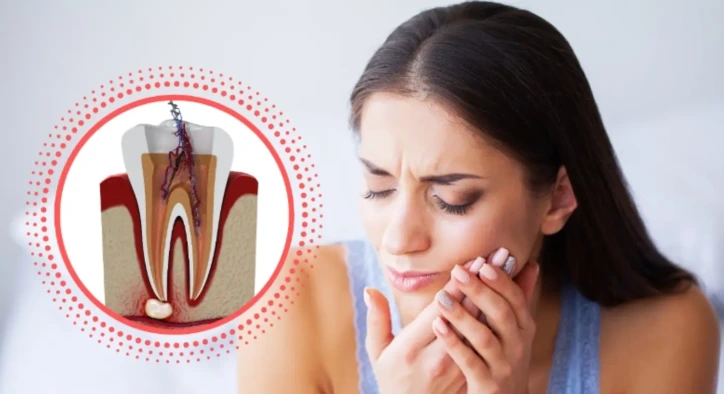
Yes, it can hurt after a root canal, and this response is completely normal. The most important anatomical fact patients must understand is that while the inner nerves of the tooth (the pulp) are gone, the living tissue network connecting the tooth root to your jawbone (the periapical tissue) is still intact.
During clinical shaping and cleaning, these microscopic areas experience physical friction and are flushed with therapeutic solutions. This creates temporary localized inflammation. Consequently, experiencing minor soreness or a sharp sip of pain when pushing down or touching the tooth is a natural part of the biological healing process.
Why Does It Hurt After a Root Canal?
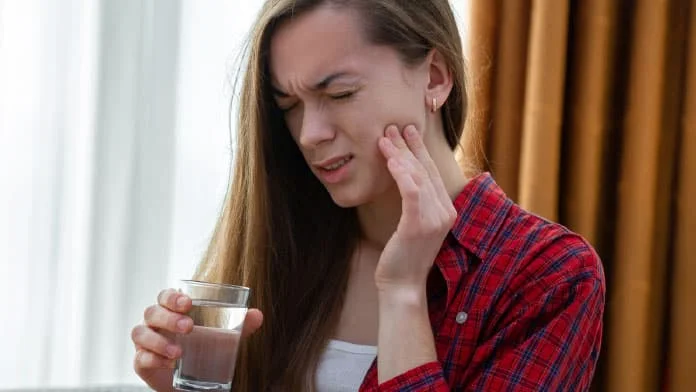
A treated tooth can feel uncomfortable or painful post-procedure due to several biological and mechanical factors:
- Sensitivity of the Root-End Tissues (Tissue Trauma): The highly flexible micro-instruments used to shape your canals must reach the absolute end of the root. This movement can mildly irritate the surrounding supportive ligaments and bone tissue.
- High Temporary Fillings: Between appointments or before placing a permanent crown, a temporary filling is placed. If this filling is high by even a fraction of a millimeter, it forces that tooth to absorb all chewing pressure, triggering deep root pain.
- Acute Flare-Up (Inflammatory Response): Deep-seated bacteria can sometimes be pushed past the root tip into the surrounding bone during cleaning. If your immune system reacts aggressively to these displaced microbes, sudden swelling and pain can occur.
- Complex Root Anatomy: Human teeth contain highly intricate networks, including curved roots and microscopic accessory side canals. Even if the primary paths are perfectly cleared, bacteria hidden in these micro-fissures can create residual pressure.
How Many Days Does Pain After Root Canal Last?
On average, post-operative sensitivity and pain after root canal treatment last between 3 and 7 days, decreasing gradually each day.
- The First 24 to 48 Hours: This is the peak window for inflammation. The tooth might feel too tender to chew on, and direct touch can cause a sharp reaction.
- From Day 3 Onward: The sharp pain subsides, morphing into a dull, manageable ache that only reminds itself when biting down firmly.
- By Day 7: Localized swelling inside the bone completely disperses, and the tooth regains normal comfort. If the initial infection before treatment was deep-seated, full tissue recovery can take 2–3 weeks.
How to Stop Throbbing Pain After a Root Canal?
A throbbing sensation means blood flow and internal pressure have increased in the localized healing zone. To manage this safely at home, take these steps:
- Stop All Heat Exposure: Do not place warm compresses on your face or consume steaming hot liquids. Heat expands structural gases, drastically worsening the throbbing.
- Apply a Cold Pack: Place an ice bag wrapped in a cloth on the outside of your cheek. Cold temperatures constrict local blood vessels, reducing fluid pressure.
- Keep Your Head Elevated: Lying flat forces more blood flow to your head, increasing dental throbbing. Sleep with an extra pillow to elevate your upper body.
- Contact Your Endodontist: If severe throbbing intensifies hour by hour despite taking medication, the temporary filling may need to be adjusted to flush the canals again.
Pain After Root Canal Treatment: How to Relieve Discomfort at Home
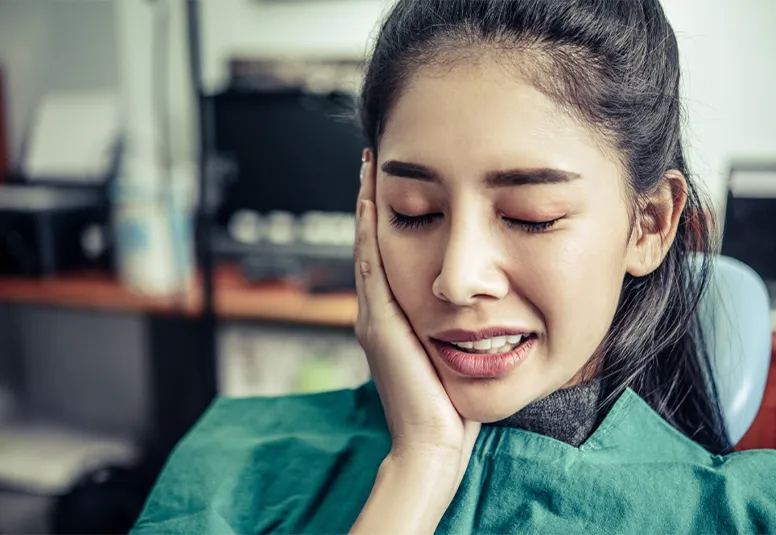
To accelerate your recovery and keep post-treatment discomfort to an absolute minimum, practice these essential rules:
- Avoid Chewing on the Treated Tooth: Until your permanent filling or custom porcelain crown is securely fitted, chew your food exclusively on the opposite side of your mouth. Protecting the tooth from direct vertical forces speeds up root healing.
- Warm Saltwater Rinses: Starting 24 hours after your session, rinse gently with warm saltwater 3–4 times a day to soothe surrounding gum tissues and decrease localized fluid buildup.
- Avoid Hard and Sticky Foods: Steer clear of nuts, tough meats, or chewing gum that force your jaw to exert excessive crushing force.
- Check Your Bite Alignment: If the treated tooth makes contact before your other teeth when closing your mouth, visit our clinic immediately to have the high spot smoothed down.
Can I Take Painkillers After a Root Canal?
Yes, you absolutely can take painkillers after a root canal; in fact, our dentists heavily recommend and prescribe them to ensure a smooth recovery.
Taking non-steroidal anti-inflammatory drugs (NSAIDs) prescribed by your clinician does more than just block pain signals it actively treats the chemical inflammation at the root tip. Ideally, your first dose should be taken immediately after your appointment, before the local clinical anesthesia completely wears off. Always track the exact dosage intervals specified by your doctor. Never stack different brands of pain medication on top of each other, as this can strain your internal organs.
Frequently Asked Questions
Why does a root canal-treated tooth start hurting months later?
Pain that arises months or years after a successful procedure usually signifies that the top filling has developed a micro-leak, allowing new oral bacteria to re-infect the canals. It could also point to a recent structural fracture in the root or an overlooked microscopic lateral canal. This situation requires a root canal retreatment.
Is taking antibiotics mandatory after every root canal?
No, taking antibiotics is not mandatory for a routine root canal. Unless you exhibit a high systemic fever, swollen lymph nodes, or visible asymmetric facial swelling, antibiotics are avoided. Proper clinical disinfection coupled with standard anti-inflammatory painkillers is more than enough for healing.
Should I brush my teeth after completing a root canal?
Yes, your oral hygiene routine must continue without interruption. Brush the treated area using gentle, circular motions with a soft-bristled brush and continue flossing daily. Just avoid applying aggressive scrub pressure directly to the temporary material.
About the Author