


What Is a Cleft Palate? Causes, Surgery and Treatment
Don't put off your smile. Message us now to discuss your treatment options with our expert dentists.
WhatsAppThe embryonic developmental phase inside the womb represents a precise biological mechanism where facial structures and organ tissues align along the midline. During early pregnancy, the palatal processes forming the roof of the mouth migrate toward each other to fuse cleanly. However, when genetic or environmental factors interrupt this tissue fusion, congenital craniofacial malformations occur. Among these congenital anomalies, the most frequent condition impacting aesthetics, infant nutrition, vocal articulation, and middle ear ventilation is a cleft palate.
While a cleft palate is a congenital structural anomaly, contemporary advances in reconstructive pediatric surgery, specialized obturator feeding plates, speech therapy, and pediatric dentistry make it a fully correctable condition. Through early, staged multidisciplinary treatment protocols, children born with palatal clefts achieve complete functional restoration, natural aesthetics, and normal speech clarity alongside their peers. This comprehensive master guide covers what is a cleft palate, analyzes internal cleft palate causes, outlines surgical steps for cleft palate in babies, details cleft palate surgery in adults, and explains 2026 cleft palate surgery cost variables.
Table of Content
- What is a Cleft Palate?
- What Causes Cleft Lip and Palate? Risk Factors
- Cleft Palate in Babies: Symptoms and Clinical Challenges
- Cleft Palate Treatment and Surgical Timing
- When is Cleft Palate Surgery Performed?
- Cleft Palate Surgery in Adults
- Treatment Matrix: Staged Interventions by Age Group
- Deciphering the Financial Framework: Cleft Palate Surgery Cost
- Frequently Asked Questions
What is a Cleft Palate?
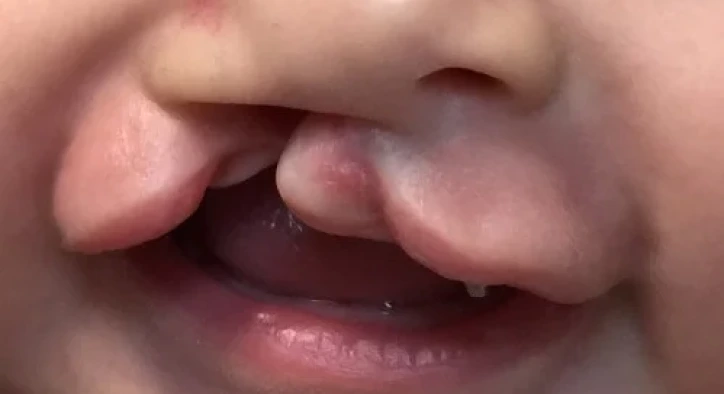
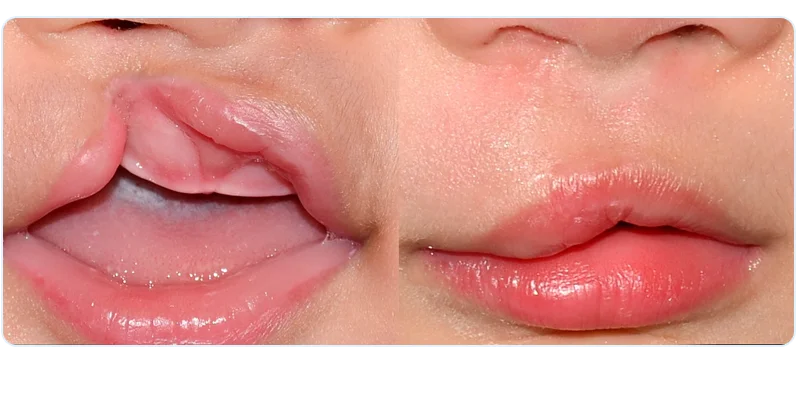
In craniofacial surgery, the scientific answer to what is a cleft palate is this: It is a congenital anomaly occurring between the 6th and 12th weeks of gestation when the palatal shelves that form the roof of the mouth fail to fuse completely at the midline, leaving an open fissure (fistula) connecting the oral and nasal cavities.
This structural gap may involve only the hard bony palate or extend backward through the muscular soft palate and the uvula. A cleft palate can occur alongside a cleft lip (cleft lip and palate) or manifest as an isolated palatal defect without affecting the lip structure.
What Causes Cleft Lip and Palate? Risk Factors
Parents seeking clarity frequently ask what causes cleft lip and palate or cleft palate causes. Embryonic failure to fuse palatal processes is multifactorial, driven by a combination of genetic susceptibility and environmental inputs:
- Genetic Factors and Syndromes: A positive family history of craniofacial clefts increases baseline risk. Furthermore, palatal defects can accompany specific chromosomal syndromes, such as Pierre Robin sequence or van der Woude syndrome.
- Gestational Medication Exposure: The unguided use of prescription drugs during the first trimester specifically anti-epileptic medications, systemic corticosteroids, or high-dose retinoids (vitamin A derivatives) can disrupt palatal shelf fusion.
- Nutritional and Folic Acid Deficiencies: Inadequate maternal intake of folic acid (vitamin B9) and essential B-complex vitamins before conception and during early embryogenesis significantly elevates clefting risks.
- Maternal Smoking and Alcohol Consumption: Active or passive exposure to tobacco smoke or systemic alcohol consumption during pregnancy induces tissue hypoxia at the cellular level, disrupting tissue fusion.
- Maternal Diabetes and Infections: Uncontrolled gestational diabetes or acute viral infections contracted during the first trimester can alter cellular division rhythms in embryonic facial processes.
Cleft Palate in Babies: Symptoms and Clinical Challenges
When present at birth, cleft palate in babies creates several functional challenges if left uncorrected:
- Feeding Difficulties: Although an infant possesses a normal sucking reflex, the open communication between the mouth and nasal cavity prevents the creation of intraoral suction (negative pressure). The baby cannot draw milk efficiently, and fluids may regurgitate through the nose, posing an aspiration risk.
- Eustachian Tube Dysfunction and Hearing Loss: The soft palate muscles regulate the opening of the Eustachian tube. In infants with palatal clefts, these muscles cannot function correctly, leading to fluid accumulation in the middle ear (otitis media with effusion) and potential conductible hearing loss if unmanaged.
- Speech Disorders (Hypernasality): If the soft palate is not surgically reconstructed before speech onset, air escapes through the nose during vocalization, causing hypernasal speech (rhinolalia).
- Dental and Maxillary Malocclusion: Bony clefts involving the hard palate disrupt the maxillary arch, leading to misaligned, missing (agenesis), or impacted primary and permanent teeth.
Cleft Palate Treatment and Surgical Timing
Comprehensive cleft palate treatment extends beyond a single operation. It represents a coordinated, multidisciplinary protocol running from infancy through adulthood involving plastic surgeons, pediatric dentists, oral surgeons, ENT specialists, orthodontists, and speech therapists.
When is Cleft Palate Surgery Performed?
Surgical timing balances facial bone growth against speech development. Standard surgical protocols indicate that primary cleft palate surgery should be performed before the child begins formulating articulate speech sounds, typically between 9 and 12 months of age. Completing the repair before 12 months ensures proper anatomical conditioning for normal speech mechanics.
The Surgical Technique (Palatoplasty)
Conducted under general anesthesia by plastic surgeons, the operation (palatoplasty) mobilizes palatal tissue flaps on both sides of the gap. The surgeon reconstructs the anatomy in three distinct layers: the nasal mucosa, the palatal muscle sling (specifically the levator veli palatini muscles), and the oral mucosa.
Cleft Palate Surgery in Adults
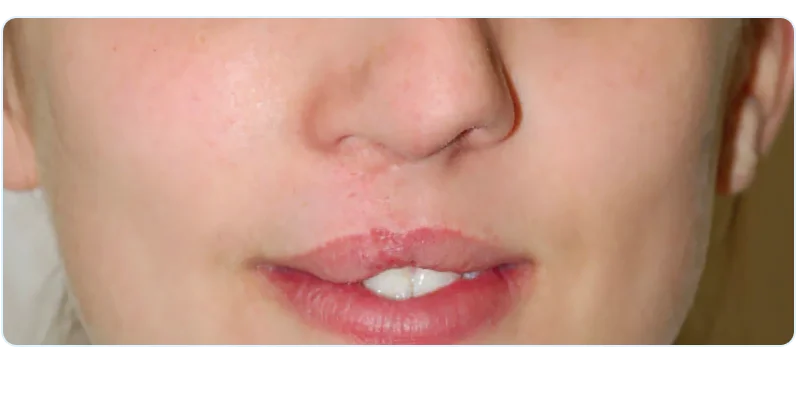
For individuals who did not undergo childhood reconstruction, had incomplete primary repairs, or present with persistent post-surgical fistulas, cleft palate surgery in adults provides functional correction.
In adult patients, treatment objectives adapt to mature facial structures. While pediatric surgery prioritizes speech acquisition and bone growth guidance, adult management focuses on closing residual palatal fistulas using local or distant tissue flaps, correcting hypernasal speech, addressing maxillary hypoplasia through orthognathic surgery (jaw alignment), and restoring dental aesthetics with dental implants or fixed prosthetics.
Treatment Matrix: Staged Interventions by Age Group
Review the multi-stage clinical roadmap for managing palatal clefts across different growth phases below:
|
Treatment Phase & Age |
Primary Clinical Objectives |
Interdisciplinary Specialties |
|
0 - 3 Months (Infancy) |
Custom feeding plate (obturator) fabrication, feeding guidance |
Pediatric Dentistry, Orthodontics, Nursing |
|
3 - 6 Months |
Primary cleft lip repair if lip involvement is present (Cheiloplasty) |
Plastic Surgery |
|
9 - 12 Months (Toddler) |
Primary Cleft Palate Surgery (Palatoplasty), Myringotomy tube placement |
Plastic Surgery, ENT |
|
2 - 4 Years |
Speech pathology evaluations, tracking hypernasality and language development |
Speech Therapy, ENT |
|
7 - 10 Years (Mixed Dentition) |
Alveolar bone grafting (grafting hard palate defects), maxillary expansion |
Oral Surgery, Orthodontics, Pedodontics |
|
18+ Years (Adulthood) |
Adult Cleft Palate Revision, Orthognathic Jaw Surgery, Dental Implants |
Plastic Surgery, Maxillofacial Surgery, Prosthodontics |
Deciphering the Financial Framework: Cleft Palate Surgery Cost
Determining a flat fee for "cleft palate surgery cost" or "cleft lip and palate repair expenses" without a physical examination is inaccurate. Primary cleft palate surgery cost variables include:
- Complexity and Classification of the Cleft: Repairing an incomplete soft palate defect involves different surgical steps and operative times compared to a complete bilateral cleft involving both hard and soft palates.
- Concurrent Procedures: Staging additional interventions during the same anesthetic window such as myringotomy ear tube placement, nasal floor reconstruction, or tissue grafting adjusts the overall budget.
- Surgeon Expertise and Hospital Facilities: The clinical experience of the craniofacial plastic surgeon, specialized pediatric anesthesia teams, and pediatric intensive care unit (PICU) stays directly shape the final cost.
Frequently Asked Questions
Can a cleft palate be detected on an ultrasound during pregnancy?
Cleft lip anomalies can be identified with high-resolution 3D/4D fetal ultrasounds during routine 18-to-22-week anatomical scans. However, an isolated cleft palate (where the lip is unaffected) is positioned inside the fetal oral cavity, making direct visualization on standard ultrasound difficult, though advanced fetal imaging may raise clinical suspicion.
How should an infant born with a cleft palate be fed?
Infants with palatal clefts should never be fed lying flat; hold the baby in an upright or semi-seated position (45 to 60 degrees). Because the baby cannot form intraoral suction, specialized feeders such as the Haberman Feeder or squeezable silicone bottles must be utilized. Additionally, pediatric dentists can fabricate a clear acrylic feeding plate (obturator) during the initial weeks to temporarily seal the palatal defect, allowing normal nursing mechanics.
Will there be visible facial scars after cleft palate surgery?
Because primary cleft palate surgery is performed entirely inside the oral cavity, there are no visible external scars on the face or lips. All incisions and sutures remain confined to the roof of the mouth. If the child also underwent cleft lip repair, the external lip scar is carefully aligned within natural facial lines using micro-suturing techniques to minimize visibility.
Will my child develop completely normal speech after cleft palate surgery?
When palatoplasty is completed within the recommended window (9 to 12 months) using proper muscle reconstruction, the vast majority of children (80% to 85%) develop completely normal, clear speech. If minor nasal air escape (hypernasality) persists as speech develops, targeted speech therapy starting around ages 3 to 4 helps the child achieve clear vocal articulation.
About the Author