


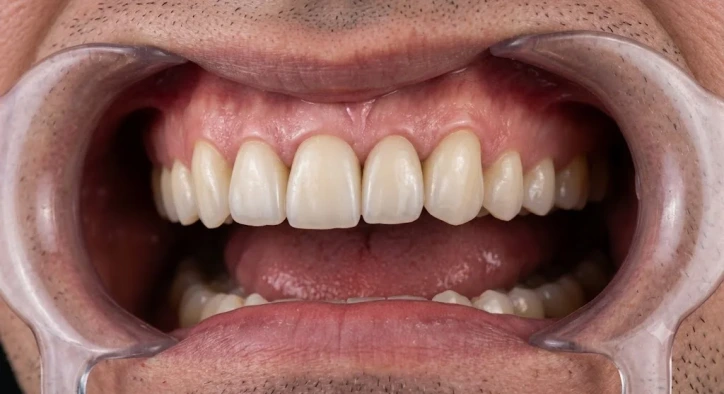
What Is a Fixed Prosthesis? Prices, Types and Procedure
Don't put off your smile. Message us now to discuss your treatment options with our expert dentists.
WhatsAppWhen severe tooth structural loss occurs due to extensive decay or a tooth is lost, both the aesthetic harmony of the smile and the functional balance of masticatory biomechanics are compromised. Among the restorative choices available to replace missing teeth, the option that offers the highest level of consumer comfort and most closely replicates the natural feel of original teeth is a fixed prosthesis. Unlike removable plates, these restorations are permanently bonded or screw-retained onto intraoral structures or implants, providing the patient with high structural confidence as if chewing with their original teeth.
Driven by modern advances in materials science, traditional metal-ceramic frameworks have been replaced by fully biocompatible, highly translucent zirconia and glass-ceramic systems. This comprehensive YMYL master guide examines what is a fixed prosthesis, explores popular fixed prosthesis tooth models, details how is a fixed prosthesis tooth fitted, and details the variables that govern 2026 fixed prosthesis tooth prices.
Table of Content
- What is a Fixed Prosthesis? The Biomechanical Matrix
- Technical Classifications: Fixed Prosthesis Tooth Models
- Clinical Sequence: How is a Fixed Prosthesis Fitted?
- How Many Days to Make a Fixed Prosthesis Tooth?
- Oral Maintenance: How to Clean a Fixed Prosthesis Tooth
- Performance Matrix: Fixed Prosthesis Modalities
- Deciphering the Financial Framework: Fixed Prosthesis Cost
- Frequently Asked Questions
What is a Fixed Prosthesis? The Biomechanical Matrix
In contemporary clinical prosthodontics, the exact scientific answer to what is a fixed prosthesis is this: It refers to dental crowns covering a single tooth or dental bridges replacing missing spaces, which are permanently anchored onto natural roots or titanium posts using specialized medical-grade luting cements or micro-screws.
The patient cannot remove these appliances at will. During functional chewing cycles, the axial and lateral forces are directed straight to the roots of the supporting abutment teeth or the underlying jawbone matrix. This mechanical distribution plays a key role in preventing local bone resorption and maintaining the anatomical health of the masticatory muscles.
Technical Classifications: Fixed Prosthesis Tooth Models
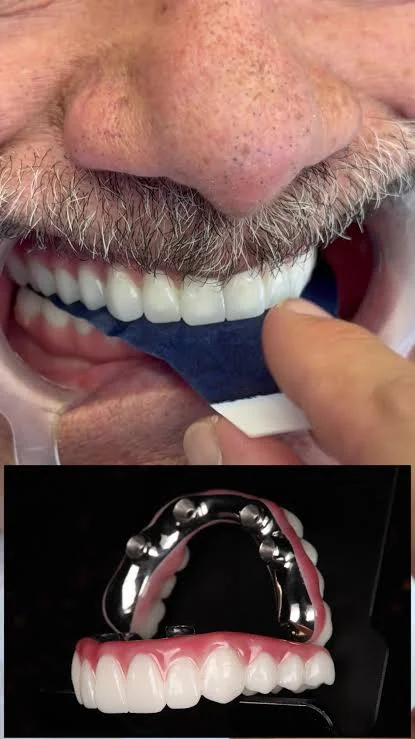
Depending on the specific clinical indication and the volume of edentulism, advanced fixed prosthesis tooth models are categorized as follows:
1. Single Unit Crowns
Indicated when a single tooth exhibits structural loss from trauma or severe decay that cannot be safely restored using resin composites. The tooth walls are reduced milimetrically under local anesthesia, and a custom crown is seated over the core like a cap. These are fabricated using zirconia, E-Max ceramics, or traditional porcelains.
2. Bridge Fixed Prosthesis Tooth Systems
A traditional method used when one or more teeth are missing, leveraging the stable teeth on either side of the empty space as supporting anchors. In a bridge fixed prosthesis tooth design, the adjacent abutment teeth are shaped, and a single-piece multi-unit bridge framework milled in the lab is cemented over them, filling the empty space.
3. Implant-Supported Fixed Prosthesis Configurations
The premier modern solution implemented when adjacent natural teeth must remain untouched, or when complete edentulism leaves the ridge entirely toothless. Securely locked onto titanium posts via cementation or direct micro-screwing, implant supported fixed prosthesis models such as All-on-4 or full-arch hybrid configurations can completely rebuild a jaw with stable teeth.
Clinical Sequence: How is a Fixed Prosthesis Fitted?
Patients frequently inquire about the structural steps involved in how is a fixed prosthesis tooth fitted. The clinical sequence progresses through these organized phases:
- Abutment Preparation & Reshaping: During the initial appointment, the supporting natural teeth are reduced milimetrically under local anesthesia. This step ensures that the forthcoming crown matches the biological boundaries of the gumline and does not exceed natural dimensions.
- 3D Digital or Elastomeric Impression: A precision 3D intraoral scanner captures a digital scan (CAD/CAM workflow) of the prepped teeth, or high-definition silicone elastomeric impression materials are used to copy the oral anatomy.
- Temporary Crown Splinting: To protect the prepped dentin walls from hot/cold thermal shocks and maintain space aesthetics, a temporary acrylic crown is immediately manufactured in the office and cemented over the cores.
- Framework & Porcelain Try-ins: The laboratory-milled zirconia or metal framework is checked intraorally for marginal fit, followed by a secondary check of the shaped porcelain to verify bite registration and shade harmony.
- Permanent Cementation: Once the shape, color, and occlusion balances are verified, the fixed prosthesis tooth is permanently bonded using dual-cure resin cements or glass ionomer luting agents.
How Many Days to Make a Fixed Prosthesis Tooth?
When evaluating how many days to make a fixed prosthesis tooth, the clinical turnaround tracks the digital capabilities of the lab. Simple single-unit crowns managed via in-office CAD/CAM milling can be completed in 2 to 3 days. However, extensive multi-unit bridges or implant-supported fixed bridges requiring multiple try-ins take an average of 7 to 10 days (encompassing 4 to 5 short appointments).
Oral Maintenance: How to Clean a Fixed Prosthesis Tooth
While it is biologically impossible for a fixed zirconia or porcelain crown to develop decay, the natural underlying tooth structure and surrounding gum margins can collect plaque and become infected. To extend the operational lifespan of your restoration, adhere to these how to clean a fixed prosthesis tooth hygiene rules:
- Calibrated Daily Brushing: Brush your fixed restorations at least twice a day using a soft-bristled toothbrush, applying gentle sweeping motions directed away from the gums.
- Bridge Interdental Cleaning (Superfloss): Standard dental floss cannot pass vertically through a fixed bridge framework. Therefore, specialized interdental cleaners with stiffened thread entries (Superfloss) must be guided horizontally beneath the suspended bridge pontic to clear trapped food particles daily.
- Intraoral Water Flosser Integration: Utilizing high-end oral irrigators (water flossers) that emit pressurized water streams is highly recommended for cleaning the gumline boundaries of implant-supported fixed bridges.
Performance Matrix: Fixed Prosthesis Modalities
Compare the structural properties and clinical attributes of advanced fixed dental systems below:
|
Technical & Clinical Criteria |
Zirconia Fixed Frameworks |
E-Max Glass-Ceramic Crowns |
Metal-Ceramic Bridges |
|
Mechanical Power & Flexural Strength |
Very High (1000 - 1200 MPa) |
Moderate to High (Best for aesthetics) |
High (Subject to structural metal wear) |
|
Light Transmission & Visual Aesthetics |
High (Closely mirrors natural dentin) |
Maximum (Flawless chameleon effect) |
Lower (Opaque tone, risk of dark gray shadow) |
|
Biocompatibility Profile |
Excellent (Zero risk of gum tattooing) |
Excellent |
Moderate (Can cause localized gum discoloration) |
|
Primary Clinical Application Zone |
Posterior Molars, Long Bridges, Implants |
Anterior Incisors, Aesthetic Makeovers |
Cost-Effective Restorations, Back Teeth |
|
Required Tooth Shaving Depth |
1.0 - 1.5 mm |
0.5 - 1.0 mm |
1.5 - 2.0 mm |
Deciphering the Financial Framework: Fixed Prosthesis Cost
Stating a single flat fee for "fixed prosthesis tooth prices" or "zirkonyum bridge costs" prior to a physical assessment is clinically inaccurate. Final estimates reference the official baseline indices of the Turkish Dental Association adjusted by these specific variables:
- The Base Material Class: Miling premium full-ceramic (E-Max) or multi-layered (multilayer) translucent zirconia blocks involves higher raw material costs compared to traditional base metal-ceramic structures.
- The Number of Units Involved: The exact number of crowns being prepared and the volume of missing teeth (bridge pontics) act as a direct cost multiplier.
- Implant Component Architecture: For implant-supported fixed bridges, the specific brand and number of specialized titanium connectors (such as multi-unit abutments) adjust the total laboratory budget.
Frequently Asked Questions
What is the lifespan of fixed prosthetics? Do they ever loosen or fall off?
With excellent execution and sound care, the clinical lifespan of fixed restorations ranges between 7 and 10 years. In patients who maintain exceptional oral hygiene and attend routine professional cleanings, this timeline can extend comfortably to 15–20 years. Fixed restorations do not detach spontaneously; however, if secondary decay develops along the underlying tooth margin or if severe gum recession exposes the root, the luting cement can slowly wash away, causing the crown to shift. If you notice a loose crown, visit your clinician immediately to clean the core and re-cement it.
Is it normal to experience sensitivity or pain after a fixed crown is bonded?
Yes, experiencing minor thermal sensitivity to hot or cold temperatures and a slight sense of bulkiness during the initial weeks following permanent cementation is normal. The vital pulp tissue within the prepped core requires time to adapt to the new restoration. However, if you experience throbbing, spontaneous pain at night, it could indicate that the bite is too high (hyperocclusion) or that the underlying tooth requires root canal treatment.
Do fixed dental bridges cause oral malodor (bad breath)?
A properly contoured fixed bridge that seals the margins with micron-level precision does not cause bad breath. If oral malodor develops, the primary cause is the accumulation of food debris beneath the bridge pontic due to a lack of proper cleaning with specialized Superfloss. When food remains trapped under the bridge, it undergoes bacterial fermentation, leading to odor.
About the Author