


What Is Tooth Erosion? Symptoms, Causes, and Treatment
Don't put off your smile. Message us now to discuss your treatment options with our expert dentists.
WhatsAppThe outer protective shield of the human tooth is enamel the hardest and most mineralized tissue in the human body. Designed to withstand massive mechanical chewing forces, enamel exhibits extraordinary physical durability. However, despite its structural hardness, enamel remains chemically vulnerable to acidic environments. When intraoral pH levels fall below the critical threshold of 5.5, the hydroxyapatite calcium and phosphate crystals within the enamel matrix begin to dissolve.
Unlike bacterial dental caries, which stem from plaque-bound bacteria fermenting dietary sugars into acid, dental erosion (acid wear) is defined as the chronic, irreversible loss of dental hard tissue caused by non-bacterial, chemical acid exposure. With the rising consumption of acidic beverages, sports drinks, and prevalent gastrointestinal disorders like acid reflux, dental erosion has become a major preventive dentistry concern among adolescents and adults. This comprehensive YMYL master guide explores what is dental erosion, uncovers what causes dental erosion, identifies key dental erosion symptoms, and details modern protocols for dental erosion treatment.
Table of Content
- What is Dental Erosion?
- What Causes Dental Erosion? Primary Acid Sources
- Dental Erosion Symptoms: Recognizing Clinical Signs
- How to Treat Dental Erosion: Modern Clinical Protocols
- Comparative Matrix: Erosion vs. Caries vs. Abrasion
- Essential Rules to Prevent Dental Erosion
- Frequently Asked Questions
What is Dental Erosion?
In restorative dentistry literature, the scientific answer to what is dental erosion is this: It is the chronic, non-bacterial, chemical dissolution of dental enamel and underlying dentin caused by intrinsic gastric acids or extrinsic dietary acids.
Under normal homeostatic conditions, natural saliva acts as a biological buffer, delivering calcium, phosphate, and bicarbonate ions to neutralize acids and remineralize microscopic enamel defects. However, when the frequency, concentration, or contact time of acidic substances overwhelms the salivary buffering capacity, enamel softens, thins, and gradually wears away, exposing the sensitive underlying dentin layer.
What Causes Dental Erosion? Primary Acid Sources
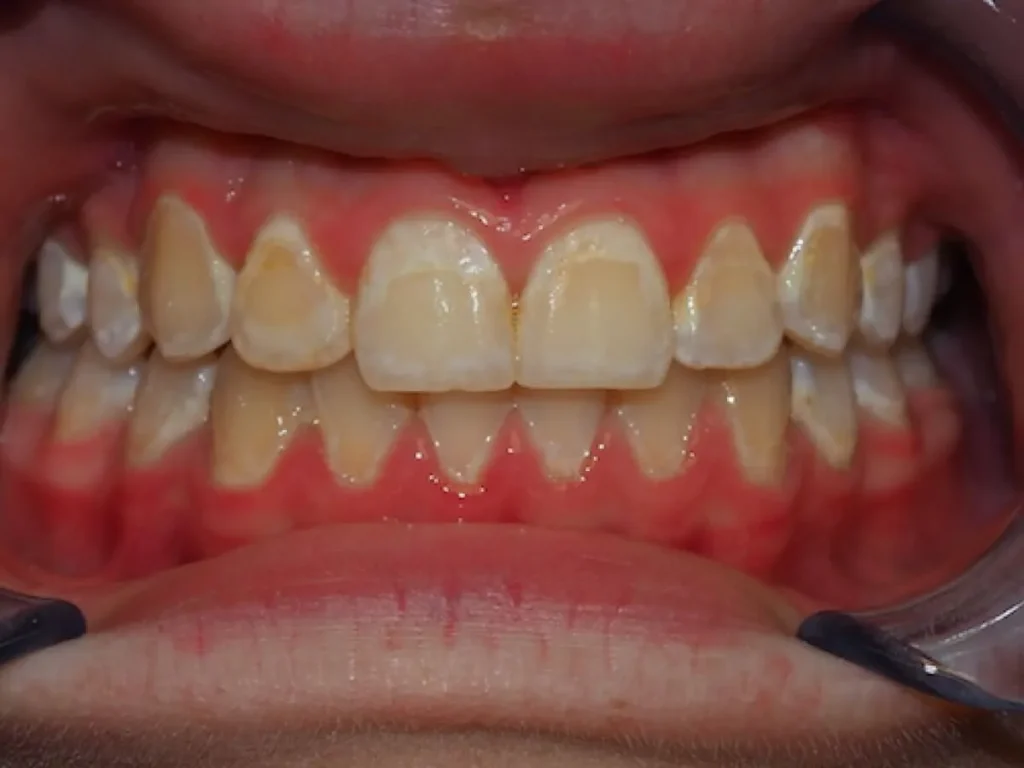
When evaluating what causes dental erosion, primary sources are categorized into two major clinical groups:
1. Extrinsic Sources (External Dietary Acids)
- Carbonated and Acidic Drinks: Colas, fizzy sodas, energy drinks, iced teas, and sports drinks contain high concentrations of phosphoric, citric, or carbonic acids.
- Fruit Juices and Citrus Fruits: Frequent consumption of lemons, grapefruits, oranges, or green apples, especially when swished or held in the mouth.
- Pickled and Vinegar-Rich Foods: Salad dressings, pickled vegetables, sour candies, and undiluted apple cider vinegar wellness shots.
- Ascorbic Acid Supplements: Frequent use of chewable or effervescent Vitamin C supplements.
2. Intrinsic Sources (Internal Gastric Acids)
- Gastroesophageal Reflux Disease (GERD): The involuntary regurgitation of stomach acid (hydrochloric acid with a low pH of 1.0 to 2.0) into the oral cavity represents the most destructive intrinsic cause of erosion.
- Eating Disorders (Bulimia Nervosa): Chronic, self-induced vomiting introduces stomach acid into the mouth, causing severe palatal erosion across the lingual surfaces of the upper teeth.
- Chronic Nausea and Pregnancy Vomiting: Persistent morning sickness during early pregnancy or hiatal hernia complications.
- Hyposalivation and Dry Mouth (Xerostomi): Reduced salivary flow deprives teeth of their natural buffering capacity, rendering enamel helpless against acid attacks.
Dental Erosion Symptoms: Recognizing Clinical Signs
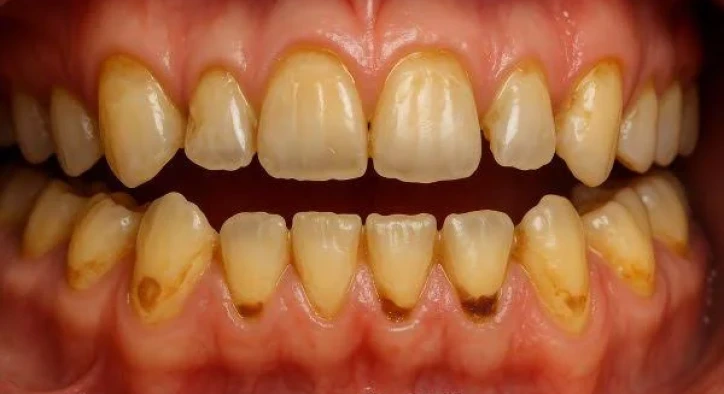
Because dental erosion progresses silently without early pain, identifying early structural changes is vital. Prominent dental erosion symptoms include:
- Thermal and Chemical Sensitivity: Sharp, sudden pain triggered by cold, hot, or sweet items, caused by enamel loss and exposed dentin tubules.
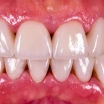
- Enamel Yellowing: As the outer white enamel layer thins, the underlying naturally yellow dentin shows through.
- Incisal Translucency and Glassiness: The edges of the front teeth become thin, semitransparent, fragile, and glassy in appearance.
- Occlusal Cupping: The formation of smooth, rounded, cup-like depressions on the chewing surfaces (cusps) of posterior molars.
- Proud Fillings: Existing amalgam or composite restorations appear raised above the surrounding eroded enamel, resembling small elevated islands.
- Shortened Clinical Crowns and Micro-Cracks: Advanced structural loss leading to chipped incisal edges and reduced vertical dimension of occlusion.
How to Treat Dental Erosion? Modern Clinical Protocols
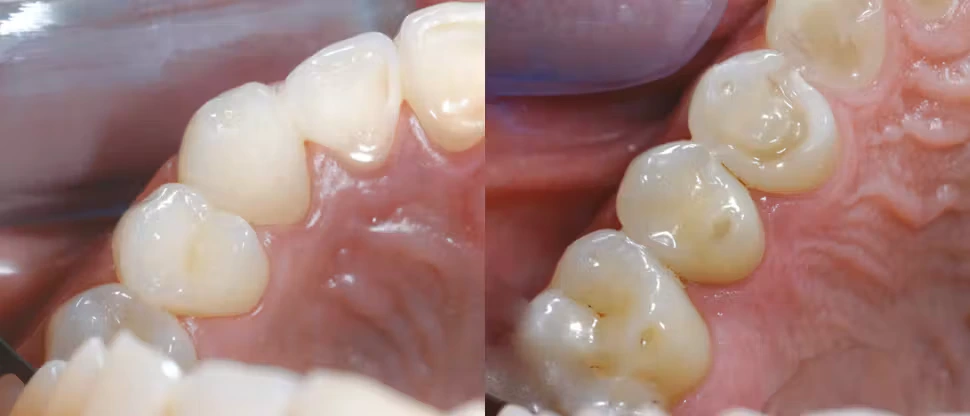
Understanding dental erosion treatment and how to treat dental erosion requires a multi-phased restorative approach tailored to the severity of tissue loss:
1. Etiological Control and Risk Elimination
The primary step involves isolating the root cause. If intrinsic gastric reflux is identified, the patient is immediately referred to a gastroenterologist. Extrinsic dietary habits are adjusted.
2. Remineralization and Desensitization (Early Stage)
When structural loss is confined to the enamel layer with minor sensitivity, high-potency in-office fluoride varnishes, calcium phosphate remineralizing pastes, and potassium nitrate desensitizing products are applied to re-harden the enamel matrix.
3. Restorative Reconstruction (Moderate to Advanced Stage)
When dentin exposure occurs or tooth height is reduced, restorative techniques protect the vital pulp and rebuild smile mechanics:
- Composite Resin Bonding: Cupped or worn surfaces are protected using minimally invasive composite resin restorations without further tooth reduction.
- Porcelain Laminate Veneers: Thin porcelain veneers restore aesthetic translucency and structural integrity on anterior teeth.
- Zirconia or E-Max Full-Coverage Crowns: Severe erosive wear involving overall vertical height loss is restored using high-strength zirconia crowns.
Comparative Matrix: Erosion vs. Caries vs. Abrasion
Differentiate between various forms of dental hard tissue loss using this diagnostic guide:
|
Diagnostic Feature |
Dental Erosion (Acid Wear) |
Dental Caries (Decay) |
Dental Abrasion / Attrition |
|
Primary Etiology |
Chemical Acid Dissolution |
Bacterial Plaque & Sugar |
Mechanical Friction (Friction/Grinding) |
|
Surface Appearance |
Smooth, glossy, cup-like hollows |
Dark, soft, cavitated lesions |
Flattened, hard, mechanically notched |
|
Primary Affected Zones |
Palatal surfaces of front teeth, molar cusps |
Interdental spaces, occlusal pits |
Cervical margins, incisal edges |
|
Bacterial Role |
Absent |
Active (Streptococcus mutans) |
Absent |
|
Sensitivity Profile |
Sharp thermal / acid sensitivity |
Pressure & sweet sensitivity |
Cold & tactile mechanical sensitivity |
Essential Rules to Prevent Dental Erosion
To prevent progressive acid wear, implement these preventive habits daily:
- Do NOT Brush Immediately After Acid Exposure: Never brush your teeth immediately after consuming acidic foods, drinks, or following an episode of acid reflux/vomiting! Acid softens the enamel; brushing instantly scrubs away the softened mineral layer, accelerating erosion tenfold. Rinse thoroughly with plain water and wait at least 30 to 45 minutes before brushing.
- Use a Straw for Acidic Drinks: Drink carbonated or citrus beverages through a straw to minimize direct acid contact with enamel. Swallow promptly rather than holding the liquid in your mouth.
- Stimulate Salivary Flow: Chew sugar-free or xylitol-containing gum after meals to boost salivary secretion, rapidly restoring intraoral pH levels.
- Consume Calcium-Rich Dairy: Eating a small piece of cheese after acidic meals neutralizes intraoral acids instantly due to its calcium and protein content.
Frequently Asked Questions
Can lost enamel from dental erosion regenerate naturally?
No. Dental enamel contains no living cells and lacks the biological capacity to regenerate itself once destroyed. Lost enamel cannot be naturally restored. However, early-stage mineral loss (demineralization) can be re-hardened using professional fluoride and calcium therapies before physical tissue collapse occurs. Once structural cavitation takes place, restorative dental treatment is required.
Does drinking apple cider vinegar or lemon water cause dental erosion?
Yes, significantly. Regularly drinking lemon water or undiluted apple cider vinegar wellness shots (pH 2.0 to 3.0) exposes enamel to severe acid baths. If consuming these beverages, always use a straw, rinse your mouth with plain water immediately afterward, and avoid brushing your teeth for at least 45 minutes.
Can severe dental erosion lead to tooth loss?
In advanced, untreated cases where enamel is completely eroded and dentin is worn away, clinical crowns shorten, vertical dimension is lost, and the dental pulp becomes exposed and infected. This can cause severe fractures, pulpal necrosis, and eventual tooth loss if restorative intervention is omitted. Early restorative care saves the affected teeth completely.
Which toothpastes are recommended for managing dental erosion?
Patients facing erosion risks or thermal sensitivity should choose low-abrasive toothpastes with a low Relative Dentin Abrasivity (RDA) value, enriched with sodium fluoride, stannous fluoride, Potassium Nitrate, or NovaMin technology. Avoid aggressive whitening toothpastes containing coarse abrasive particles.
About the Author