


Things to Consider After Teeth Whitening
Don't put off your smile. Message us now to discuss your treatment options with our expert dentists.
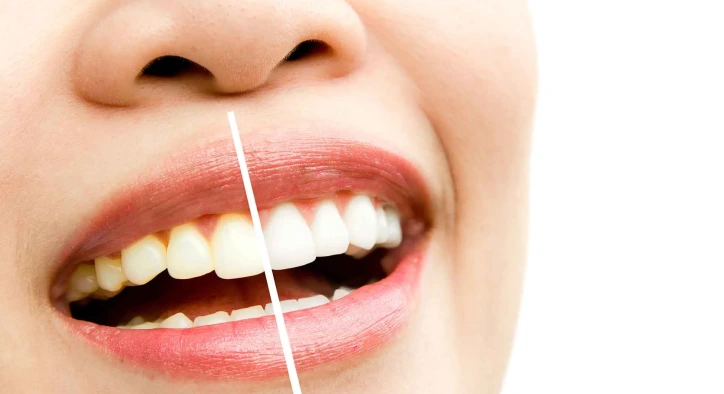
WhatsAppA bright, white smile is the most powerful accessory one can wear, boosting self-confidence and leaving a positive impression in social interactions. However, obtaining this aesthetic result through in-office or at-home teeth whitening is only the first step. Because whitening gels temporarily open the microscopic pores in your enamel, the first 48 hours to 2 weeks following the procedure are considered the "critical threshold" for longevity. Implementing the correct teeth whitening aftercare and dietary habits can extend the life of your brilliant smile for months or even years. At Avrupa Sağlık Diş, we have compiled this ultimate guide covering everything from the "White Diet" to bio-mechanical recovery steps.
Table of Content
- How Long Does It Take to See Results from Teeth Whitening?
- Essential Rules for Teeth Whitening Aftercare
- The White Diet: What Not to Eat After Teeth Whitening
- What to Eat After Teeth Whitening?
- Managing Sensitivity and Pain After Teeth Whitening
- Will Yellowing Occur After Teeth Whitening?
- Frequently Asked Questions
How Long Does It Take to See Results from Teeth Whitening?
Professional whitening treatments usually offer immediate gratification. In-office laser whitening can brighten your teeth by several shades before you even leave the chair. However, it takes about 2 to 3 days for the color to stabilize and for the enamel to rehydrate. For at-home whitening kits, final results typically manifest within 7 to 10 days of consistent use.
Essential Rules for Teeth Whitening Aftercare
Immediately following the procedure, your enamel acts like a sponge for pigments. Therefore, the first 48 hours are the "Golden Rule" period.
- Avoid Extreme Temperatures: Your dental nerves are stimulated post-whitening. Ice-cold drinks or steaming hot soups can trigger sharp sensitivity.
- Stay Away from Acidic Liquids: Drinks like orange juice, soda, or sparkling wine can irritate the newly opened enamel pores, worsening sensitivity.
- Be Mindful of Cosmetics: We recommend avoiding colored lipsticks or glosses for the first 24 hours, as pigments can seep into the tooth surface.
- Stop Tobacco Use: Smoke from cigarettes or vapes contains tar and nicotine, which penetrate whitened enamel much faster than usual, leading to rapid yellowing.
The White Diet: What Not to Eat After Teeth Whitening?
In clinical dentistry, the "White Diet" is a nutritional protocol designed to prevent recently whitened teeth from restaining. The list of what not to eat after teeth whitening consists primarily of highly pigmented foods.
- Colored Beverages: Tea (including green tea), coffee, red wine, fruit juices (cranberry, grape, pomegranate), and sodas.
- Sauces and Spices: Soy sauce, tomato paste (ketchup), curry, turmeric, balsamic vinegar, and pomegranate molasses.
- Bright Fruits and Vegetables: Beets, red cabbage, spinach, blueberries, blackberries, and tomatoes.
- Processed Foods with Dyes: Candies, flavored chips, and pre-packaged sauces containing food coloring.
What to Eat After Teeth Whitening?
While the restrictions may seem vast, there are plenty of "white" options that are safe for your smile:
- Proteins: Chicken breast (boiled or baked), white fish (unseasoned/no sauce), egg whites, tofu.
- Carbohydrates: White rice, pasta (with white sauce or plain), white bread, peeled potatoes (mashed or boiled).
- Dairy: Milk, white cheese, plain yogurt (no fruit).
- Fruits: Bananas, peeled apples, and pears.
Managing Sensitivity and Pain After Teeth Whitening
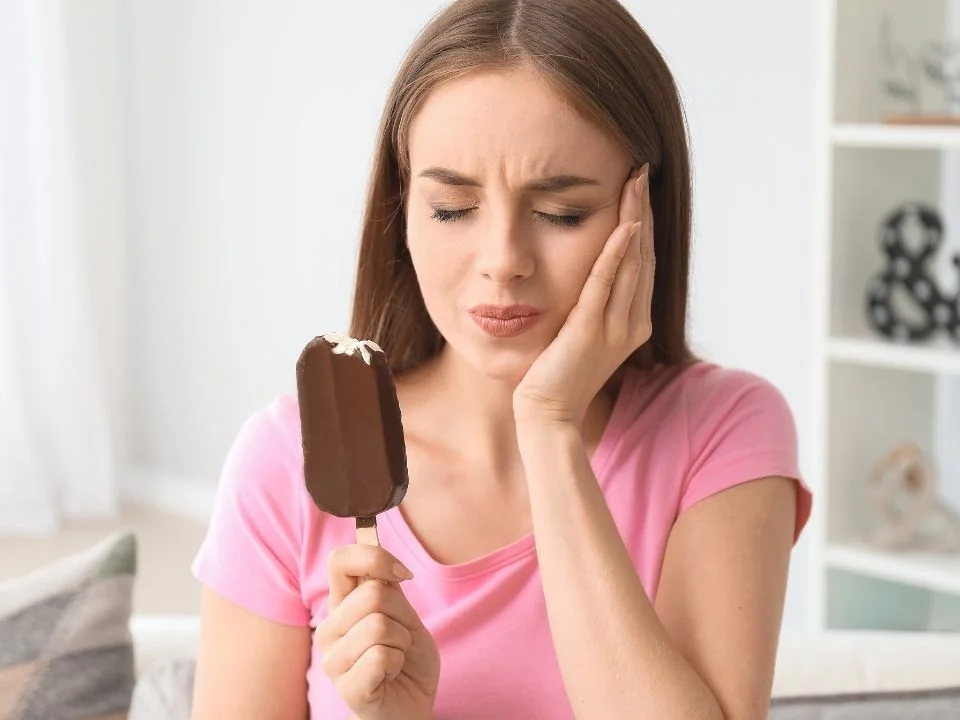
Many patients experience short, "electric shock" sensations in their teeth after a session. This is clinically known as tooth sensitivity after whitening or sensitivity after teeth whitening.
How to Relieve Sensitivity After Teeth Whitening?
This condition is temporary, but you can increase your comfort with these steps:
- Sensitivity Toothpastes: Using pastes containing potassium nitrate or fluoride helps seal the tubules in the enamel, reducing sharp zaps.
- Approved Pain Relievers: If pain after teeth whitening affects your daily activities, you can take a basic anti-inflammatory painkiller recommended by your doctor.
- Professional Fluoride Application: Fluoride varnishes applied at our clinic can immediately stop sensitivity in up to 90% of cases.
Brushing Teeth After Whitening and Oral Hygiene
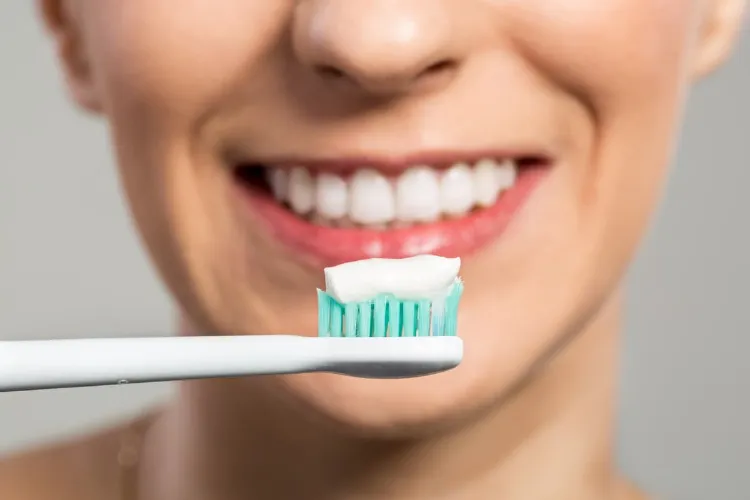
Your post-whitening hygiene routine must be gentler than usual.
- Toothbrush Choice: Always use a soft-bristled brush. Hard bristles can cause micro-abrasions on sensitized enamel.
- Timing Your Brushing: Do not brush immediately after eating; wait about 30 minutes. Your mouth is acidic right after meals, and brushing then can wear down the enamel.
- Avoid Abrasive Pastes: "Whitening" toothpastes with large abrasive particles should be avoided for the first 10 days, as they can scratch the sensitized surface.
Will Yellowing Occur After Teeth Whitening?
Patients often worry about the permanence of the result. Teeth whitening is not permanent. However, you decide the rate at which yellowing occurs after whitening. If the White Diet is ignored and hygiene is neglected, teeth can return to their original color within 6 months. With regular check-ups and avoiding staining foods, results can last up to 2-3 years. Remember, teeth are living tissues that naturally tend to darken with age.
Frequently Asked Questions
When can I start eating after teeth whitening?
You can eat immediately after the procedure, provided you stick to the White Diet. However, we recommend drinking only room-temperature water for the first 2 hours.
How long does the sensitivity last?
Sensitivity usually peaks within the first 24 to 48 hours and then quickly subsides. If severe pain persists after the 3rd day, contact your dentist.
What if I absolutely must drink coffee?
If you cannot give up coffee or tea, use a straw to bypass your teeth. Rinsing your mouth with water immediately after consumption will also minimize pigment absorption.
Can I chew gum after whitening?
Sugar-free and colorless gum is safe. Chewing gum stimulates saliva flow, which helps remineralize the enamel and can soothe sensitivity.
About the Author