


What is Bone Graft Treatment? Comprehensive Surgical Guide to Dental Bone Grafting
Don't put off your smile. Message us now to discuss your treatment options with our expert dentists.
WhatsAppWhen it comes to replacing missing teeth, dental implants offer the healthiest solution visually and functionally. However, for an implant screw to be safely integrated into the jawbone and withstand chewing forces over a lifetime, there must be adequate bone width and height at the site. If many years have passed since tooth extraction or if advanced gum disease (periodontitis) has eroded the jawbone, implant placement can become impossible.
In such cases, bone graft treatment (dental bone grafting) is performed to reconstruct lost bone volume. At Avrupa Sağlık Diş clinics, we carry out this specialized procedure with advanced surgical expertise, providing a rock-solid foundation for your implant therapy.
Table of Content
- What is the Meaning of Bone Graft Treatment?
- In Which Situations is Bone Graft Treatment for Jawbone Required?
- What Are the Different Material Types of Dental Bone Grafting?
- How is Bone Graft Treatment Done?
- Critical Rules to Follow After Bone Graft Treatment
- How Much is Dental Bone Grafting Cost?
- Frequently Asked Questions
What is the Meaning of Bone Graft Treatment?
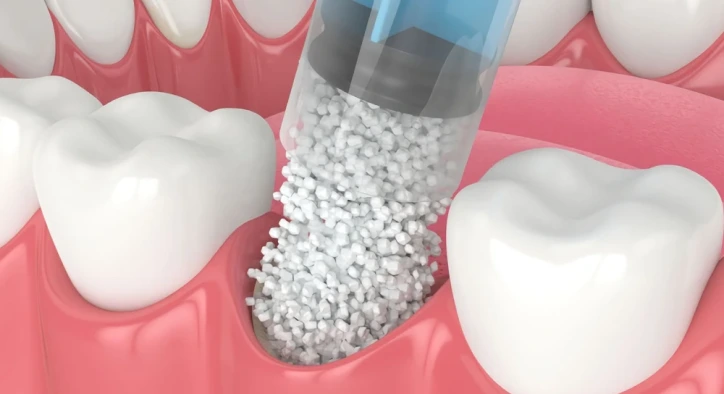
Known in medical literature as bone grafting, bone graft treatment meaning refers to the surgical procedure where artificial, animal, or human-derived bone particles are placed into sites with bone loss, degeneration, or anatomical voids. Dental bone graft treatment acts as a biological scaffold. Once introduced, it stimulates your body's natural regenerative cells to replace the particles with real, vascularized, and dense living bone structure over time.
In Which Situations is Bone Graft Treatment for Jawbone Required?
During detailed 3D dental tomography analyses at our clinics, we recommend this advanced surgical protocol for patients whose bone density or structural volume is insufficient. Bone graft treatment for jawbone becomes mandatory under these clinical conditions:
- Long-term Missing Teeth: When a tooth is extracted, the surrounding bone tissue no longer receives mechanical chewing stimulation, causing it to resorb and shrink over time.
- Advanced Periodontal Disease: Chronic gum infections systematically destroy the alveolar bone supporting the teeth, leading to tooth mobility and massive bone loss.
- Following Cyst and Tumor Removal: When cysts or benign tumors inside the jawbone are surgically cleared, bone graft is used to fill the large hollow cavities left behind.
- Dropped or Sagging Sinus Cavities: When upper back teeth are lost, the maxillary sinus floors naturally sag downward, destroying the vertical bone height required for implants.
- Structural Fractures and Accidents: Structural damage resulting from facial jaw trauma is corrected using targeted bone grafting.
What Are the Different Material Types of Dental Bone Grafting?
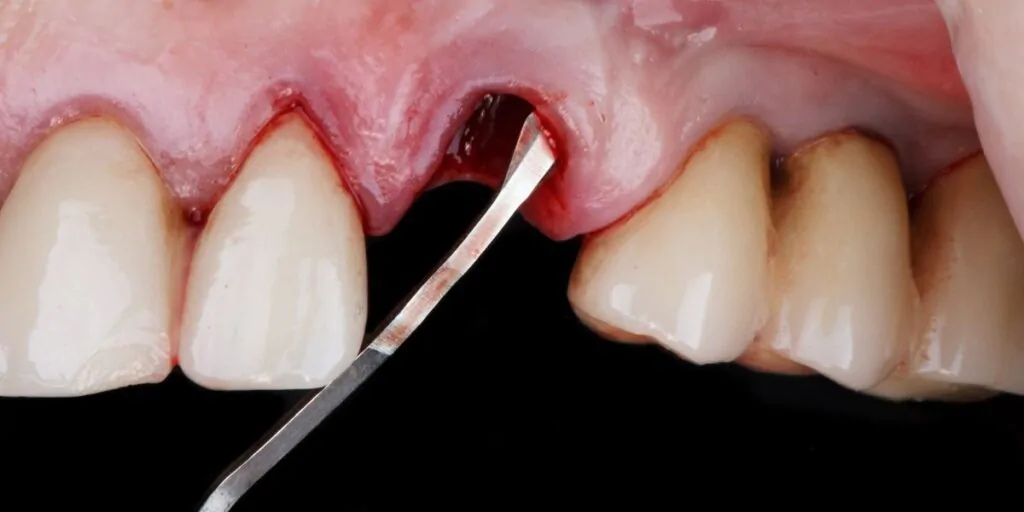
The raw materials used during dental bone graft treatment vary based on their biological origin. Our oral surgeon selects the exact graft type tailored to your bone architecture:
- Autogenous Grafts (Your Own Bone): Bone harvested from the patient’s own body (typically from the chin or rear jaw section). This remains the golden standard because it offers maximum biocompatibility and rapid healing.
- Allografts (Human Derived): Sterilized bone minerals harvested from carefully screened human tissue banks, processed in laboratory environments to guarantee absolute safety.
- Xenografts (Animal Derived): Highly biocompatible, organic-stripped bovine (cow) bone particles. This stands as our most frequently selected commercial option due to how beautifully it integrates with human bone cells.
- Alloplastic Grafts (Synthetic): Artificially manufactured minerals, typically composed of calcium phosphate or hydroxyapatite, which safely mimic real bone matrices.
How is Bone Graft Treatment Done?
Executed at Avrupa Sağlık Diş clinics under strict sterilization protocols and modern surgical guidelines, the timeline of how is bone graft treatment done features these core phases:
Advanced 3D Tomography Mapping
The patient receives a 3D dental cone-beam CT scan. This diagnostic tool allows our surgeons to calculate the exact millimetric depth, height, and width of the bone defect on a digital model.
Anesthesia and Site Isolation
Advanced local anesthesia is applied to the target quadrant to ensure a completely pain-free procedure. For patients dealing with heavy dental anxiety or those requiring extensive full-jaw reconstructions, conscious sedation or general anesthesia options are safely available.
Incision and Bone Exposure
A tiny, precise incision is made along the gum tissue to gently expose the underlying bone surface. If a broken or compromised tooth needs extraction, it is removed at this stage, and the socket is cleaned thoroughly.
Placing the Bone Graft and Protective Membrane
The precisely measured bone graft particles are packed firmly into the target structural defect. To prevent these granules from shifting and to block soft gum tissue from invading the bone space, the graft is covered with a specialized, bio-resorbable protective sheet called a "membrane."
Suturing the Tissue Closed
The gum tissue is carefully repositioned over the bone graft and membrane, secured tightly with sterile surgical sutures. Depending on the size of the defect, the entire procedure takes between 30 and 60 minutes.
How Many Months Does It Take for the Graft to Fuse?
The time required for the placed bone granules to fuse with your living bone cells, build a blood supply, and turn into dense bone tissue dictates how long does bone graft treatment take. This biological integration process requires 3 to 6 months. Upper jaw sinus lifting generally takes up to 6 months, while minor mandibular (lower jaw) defects can heal within 3-4 months. Proceeding with implant placement before this matrix is mature is clinically unsafe.
Critical Rules to Follow After Bone Graft Treatment
The long-term success of the grafting surgery depends heavily on patient mindfulness during the initial two-week post-operative phase. After bone graft treatment, patients must strictly observe these instructions:
- Do Not Spit or Rinse for the First 24 Hours: Creating negative pressure by spitting or aggressive mouth rinsing will dislodge the protective blood clot and cause the bone granules to leak out of the sutures. Always swallow your saliva normally.
- Consistent Cold Application: Apply a cold pack or ice bag wrapped in a cloth to the outside of your cheek for 10-minute intervals on the first day. This drastically minimizes post-surgical swelling and bruising.
- Dietary Modifications: Avoid hard, hot, spicy, or granular foods (like rice or seeds) for the first few days. Choose room-temperature, soft choices like yogurt, smooth soups, and mashed potatoes. Always chew food on the opposite side of the surgery.
- Strict Smoking and Alcohol Ban: Nicotine drastically constricts local blood vessels, cutting off the vital blood supply required for the new bone granules to survive. Smoking must be fully paused for at least 2 weeks; otherwise, graft failure can occur.
- Avoid Internal Air Pressure: Especially after upper jaw surgeries, keep your mouth open if you need to sneeze, do not blow your nose aggressively, and avoid using drinking straws. The internal air pressure can displace the protective membrane.
How Much is Dental Bone Grafting Cost?
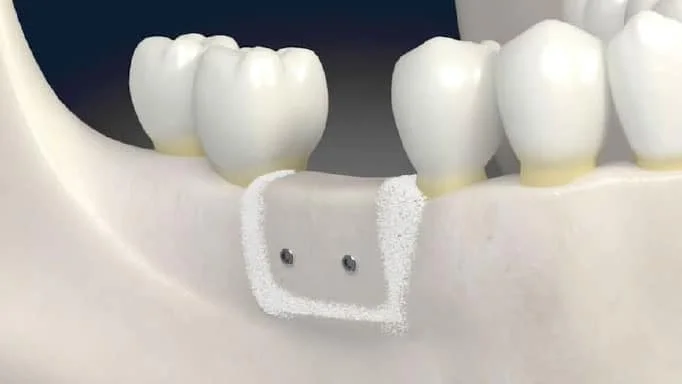
Providing a blanket estimate for "bone graft treatment cost" prior to an in-person clinical review is inaccurate. Every patient exhibits a unique pattern of bone loss, which directly changes the quantity of material needed.
Final pricing structures rely on these core factors:
- Volume of Graft Material (cc Measurements): Bone graft is packaged in specific doses (0.5 cc, 1 cc, 2 cc). The volumetric size of your bone defect determines how many packages are opened.
- Origin of Materials: Autogenous grafts, high-end bovine xenografts, and specialized synthetic options carry varying raw component expenses. Additionally, the brand and size of the protective membrane sheet shift the plan's budget.
- Surgical Complexity: Simply treating a single tooth socket requires different surgical resources compared to an advanced full-arch block graft or a comprehensive sinus lift procedure.
Frequently Asked Questions
Is bone graft dangerous or can it cause an allergic reaction?
No. The modern bone graft materials utilized in advanced dentistry are thoroughly purified, processed, and stripped of all organic cellular components. It is biologically impossible for the human body to reject high-grade sterile commercial grafts or develop allergic reactions; they are highly tissue-compatible.
Will I feel sharp pain during the bone grafting surgery?
Absolutely not. Because the procedure is conducted under deep local anesthesia, you will feel zero pain during the surgery. Any minor soreness or dull throbbing that develops over the first few days after the numbness wears off is easily controlled using standard anti-inflammatory painkillers prescribed by our surgeon.
Can bone graft placement and dental implant surgery be done together?
If the bone deficiency is minor and the implant screw can achieve firm initial mechanical lock (primary stability) upon insertion, we can safely perform the bone grafting and implant placement during the exact same session. However, if the bone is severely thin, the bone graft is placed first, allowed 4–6 months to mature, and the implant is introduced during a second step.
Can jawbone grafting be performed if I currently have the flu?
Proceeding with this surgery while suffering from a heavy cold or an active respiratory tract infection is not advised. The sinus congestion, coughing fits, and intense sneezing reflexes associated with the flu can exert destructive pressure on new bone grafts. It is safest to reschedule the surgery until you are completely recovered.
About the Author