

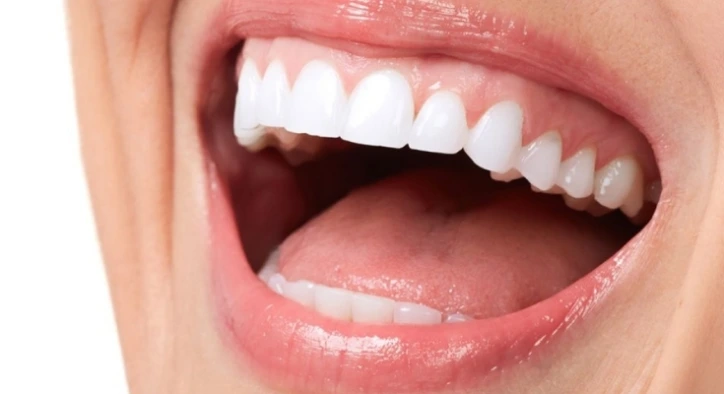
What is Monolithic Zirconia? Costs, Benefits & Differences
Don't put off your smile. Message us now to discuss your treatment options with our expert dentists.
WhatsAppAesthetic dentistry and biomaterial engineering continuously update their standards to provide patients with both the highest mechanical durability and aesthetic results that closely mimic natural teeth. In past decades, metal-ceramic crowns were seen as the only solution for extensive tooth structural loss on posterior molars or multi-unit bridges. Over time, these gave way to a more aesthetic alternative: traditional layered zirconia crowns. However, the traditional porcelain layer layered over the zirconia framework for aesthetic mapping has always carried a clinical risk of chipping, cracking, or fracturing under massive chewing forces.
To solve this structural limitation completely, the most durable restorative material developed with the latest digital dentistry workflows is monolithic zirconia. Milled directly from a single solid block using computer-aided manufacturing, this next-generation system has become the new gold standard for reconstructing posterior teeth and implant-supported prosthetics. This comprehensive master guide covers what monolithic zirconia is, its clinical advantages, digital manufacturing steps, and 2026 price metrics.
Table of Content
- What is Monolithic Zirconia?
- What Are the Key Monolithic Zirconia Properties?
- How is Monolithic Zirconia Made?
- Understanding the Structural Shift: Monolithic Zirconia vs. Layered Zirconia
- High-Strength Implant Monolithic Zirconia Restorations
- Performance Matrix: Monolithic vs. Layered Zirconia
- Deciphering the Cost Structure: Monolithic Zirconia Cost
- Frequently Asked Questions
- Do monolithic zirconia restorations discolor or stain over time?
- Can secondary tooth decay form underneath a monolithic zirconia crown?
- Is the treatment process painful?
- Can digital 3D scans for monolithic zirconia be captured if I have a cold?
- Can monolithic zirconia be used for front teeth restorations?
What is Monolithic Zirconia?
In contemporary digital prosthodontics, the term "monolithic" translates to "formed from a single stone or single solid block." In this framework, the scientific answer to what is monolithic zirconia is this: It refers to full-contour anatomical dental crowns milled with micron-level precision from a single industrially manufactured solid zirconia block using computer-aided design and manufacturing (CAD/CAM) systems, without adding any traditional feldspathic porcelain layer on top.
Advanced materials science now integrates highly translucent crystal structures and multi-layered color gradients directly into the monolithic zirconia crown blocks. Consequently, the material achieves ultimate fracture resistance on its own without needing an extra porcelain veneer layer, while offering an aesthetic light transmission profile that mimics natural human enamel.
What Are the Key Monolithic Zirconia Properties?
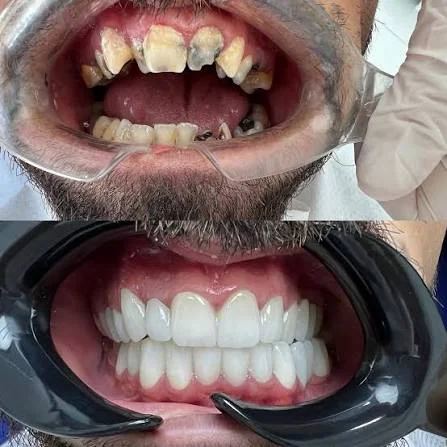
The essential monolithic zirconia properties that make this material the premier selection for posterior tooth restorations include:
- Ultra-High Flexural Strength: While standard veneering porcelains display a fracture resistance of around 100-150 MPa, monolithic zirconia features a structural strength between 1000 and 1200 MPa. This power provides maximum resistance against the massive chewing and crushing forces generated by the jaw muscles on posterior molars.
- Zero Risk of Chipping or Layer Separation: Because it is manufactured as a single monolithic block, the risk of "porcelain shearing off from the underlying zirconia core," a common problem in layered crowns, is completely zero.
- Minimal Tooth Preparation (Enamel Conservation): Because it is exceptionally strong even in thin dimensions, the clinician does not need to heavily reduce or shave down the natural tooth walls. Healthy tooth structure is preserved through minimal preparation depths.
- Antagonist Tooth-Friendly Surface: Monolithic restorations are polished using advanced computerized lab systems to achieve a glass-like smoothness. This eliminates abrasive wear on the natural teeth of the opposite arch during functional chewing cycles.
How is Monolithic Zirconia Made?
Bypassing manual laboratory steps, the sequence of how is monolithic zirconia made relies on computer-guided engineering through these structured phases:
- Preparation and 3D Intraoral Scan: The targeted monolithic zirconia tooth area is cleared of decay and gently shaped. Next, instead of using messy trays, a high-definition intraoral scanner captures a precise 3D digital model of your teeth within seconds.
- Computer-Aided Design (CAD): A specialized dental technician designs the anatomical crown structure on a monitor, simulating your specific bite registration, occlusion balances, and lateral chewing pathways.
- Robotic Milling (CAM): Once approved, the digital design file drives a high-precision robotic milling machine, which carves the crown geometry from a multi-layered translucent zirconia block with zero structural error.
- Industrial Sintering: The milled crown is baked inside specialized high-temperature furnaces (at approximately 1450–1500°C). During this process, the material achieves its ultimate hardness, density, and final dimensions. Finally, glazing and polishing are completed, preparing the restoration for cementation.
Understanding the Structural Shift: Monolithic Zirconia vs. Layered Zirconia
Patients frequently encounter confusion when analyzing the difference between monolithic zirconia and layered zirconia. The primary clinical monolithic zirconia differences are based on these parameters:
- Layer Configuration: A traditional layered zirconia crown consists of two separate components: a strong white zirconia core covered by layers of feldspathic porcelain hand-stacked by a lab technician for aesthetics. In contrast, monolithic zirconia is a single solid layer made entirely of uniform, pure translucent zirconia.
- Primary Application Zone: Layered zirconia crowns are highly successful for front teeth aesthetic restorations due to their high light transmission and custom-layered porcelain margins. Monolithic zirconia, due to its unmatched mechanical strength, is primarily indicated for posterior molars, multi-unit long-span bridges, and implant-supported restorations.
High-Strength Implant Monolithic Zirconia Restorations
In recent years, oral surgeons and prosthodontists have increasingly turned to implant monolithic zirconia configurations as the premier choice for full-arch or single implant restorations.
In implant dentistry, chewing forces are transferred directly to the prosthetic framework and the underlying jawbone, because implants lack the shock-absorbing periodontal ligaments found around natural teeth. This rigid environment causes traditional porcelain coatings to fracture easily under stress. Implant monolithic zirconia restorations offer immense resistance against fractures in screw-retained or cement-retained frameworks, making them the ideal choice to extend the functional lifespan of your implants.
Performance Matrix: Monolithic vs. Layered Zirconia
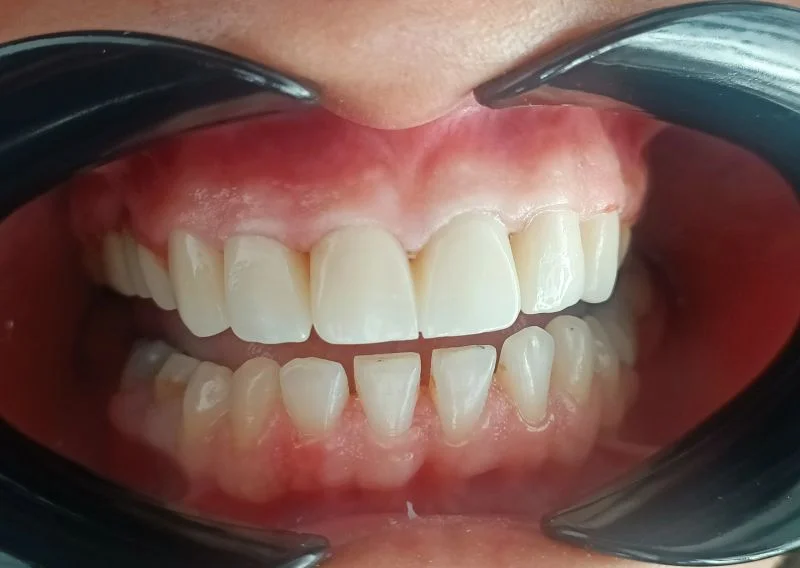
Review this clinical matrix to compare the structural properties of both zirconia methodologies:
|
Technical & Clinical Criteria |
Monolithic Zirconia Technology |
Traditional Layered Zirconia |
|
Material Base Composition |
Single Monolithic Block (Pure Translucent Zirconia) |
Zirconia Underlying Core + Feldspathic Porcelain Coating |
|
Flexural Strength (Mechanical Power) |
Very High (1000 - 1200 MPa) |
Moderate - High (Strong core, weak porcelain layer) |
|
Porcelain Chipping Risk |
Completely Zero (Lacks an overlay layer) |
Present (Porcelain can fracture under high loads) |
|
Primary Application Target Zone |
Posterior Molars, Long-Span Bridges, Implants |
Anterior Incisors, Aesthetic Smile Design Makeovers |
|
Required Tooth Shaving Depth |
Minimal (0.5 - 1.0 mm) |
Moderate (1.5 - 2.0 mm) |
|
Digital Workflow Integration |
100% Digital CAD/CAM Milled Process |
Digital Core Milled + Manual Hand-Layering |
Deciphering the Cost Structure: Monolithic Zirconia Cost
Stating a flat fee for "monolithic zirconia cost" or "monolithic zirconia crown prices" before a formal diagnostics review is inaccurate. Final investments track the baseline indices of the Turkish Dental Association alongside these clinical variables:
- The Raw Block Material Tier: Utilizing premium imported multi-layered (multilayer) translucent zirconia blocks scales material costs compared to standard opaque blocks.
- CAD/CAM Processing Fees: Because production relies on high-end robotic milling machinery, digital technician design time, and specialized sintering equipment, these procedures are positioned in a higher bracket than standard crowns.
- The Scale of the Restoration: A single posterior crown involves different design parameters and material volume compared to a full-arch implant-supported screw-retained monolithic hybrid bridge.
Frequently Asked Questions
Do monolithic zirconia restorations discolor or stain over time?
No, absolutely not. Monolithic zirconia blocks are industrially compressed under immense pressure, resulting in a non-porous material surface with zero micro-gaps. Combined with advanced clinical glazing (surface sealing), color pigments from items like black coffee, tea, red wine, or tobacco smoke cannot penetrate the material matrix. With standard home hygiene, it maintains its natural shade and gloss for life.
Can secondary tooth decay form underneath a monolithic zirconia crown?
The monolithic zirconia material itself cannot decay and is immune to bacterial acids. However, your natural underlying tooth structure can still develop decay along the gumline margin if daily oral hygiene is neglected. Because CAD/CAM-milled monolithic restorations fit the prepped tooth margins with micron-level precision, the risk of marginal leakage is significantly lower than with traditional crowns. Nonetheless, daily brushing and interdental cleaning remain vital.
Is the treatment process painful?
No, the entire workflow is highly comfortable. The initial steps of tooth preparation and 3D digital scanning are performed under profound local anesthesia blocks, ensuring you experience zero pain or discomfort. Because a temporary custom crown is bonded over your teeth before you leave, thermal hot/cold sensitivity between visits is effectively prevented. The final cementation appointment is entirely non-invasive and painless.
Can digital 3D scans for monolithic zirconia be captured if I have a cold?
Yes, they can. Traditional crown impressions involve bulky trays filled with heavy pastes that can trigger severe gag reflexes and restrict breathing in patients with nasal congestion. However, because monolithic zirconia workflows implement a slim intraoral scanning camera, the digital impression is captured cleanly within seconds without compromising your airway. If you have severe coughing fits, pausing the scan for a few minutes ensures a completely comfortable process.
Can monolithic zirconia be used for front teeth restorations?
Yes, it can. While early monolithic blocks were opaque and chalky making them ill-suited for the aesthetic zone modern materials technology has introduced highly translucent, "multi-layered" monolithic blocks with integrated color transitions. These blocks allow clinicians to achieve incredibly natural, light-reflective aesthetic results on front teeth. However, for extreme custom aesthetic makeovers, full-ceramic E-Max crowns or layered zirconia remain the primary choice for anterior restorations.
About the Author