

Zirconium Coating Guide: Aesthetics, Prices and Lifespan
Don't put off your smile. Message us now to discuss your treatment options with our expert dentists.
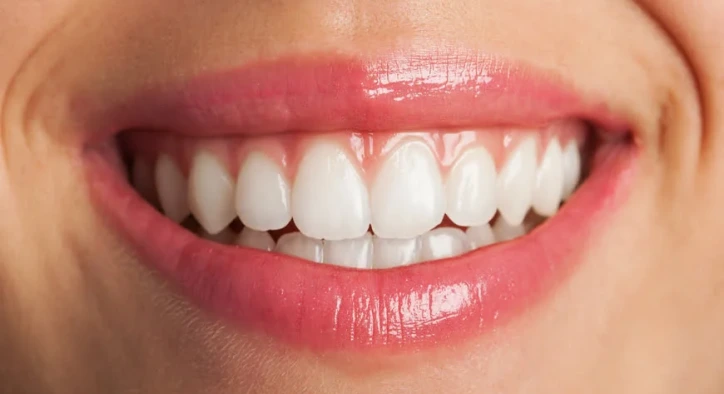
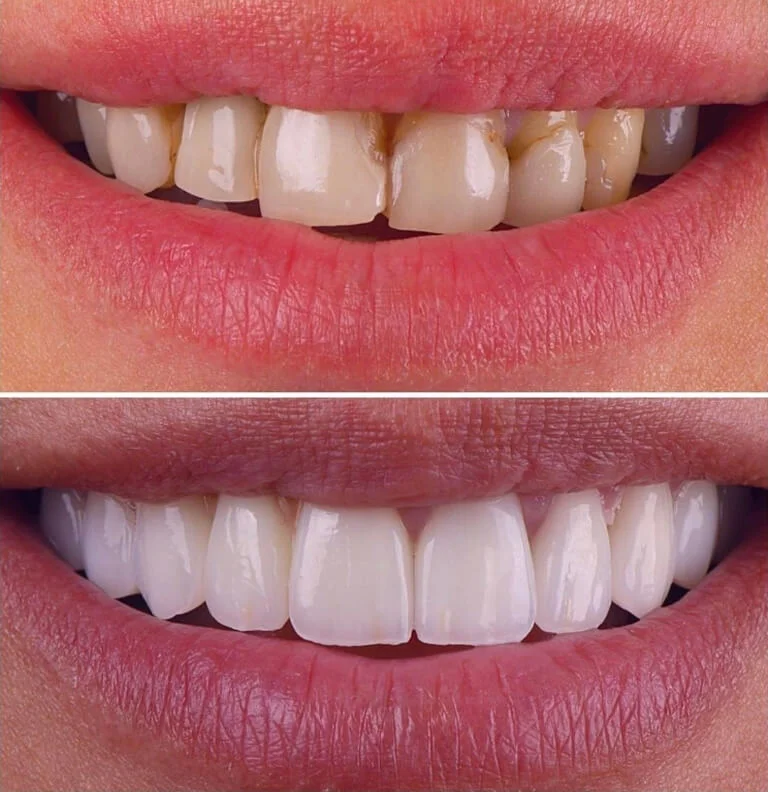
WhatsAppZirconium coating is the most popular restoration method in modern aesthetic dentistry, offering both durability and a natural appearance together. Unlike traditional crowns, this system does not contain a metal infrastructure, and thanks to the high resistance and light transmittance of the zirconium dioxide element, it can flawlessly mimic natural tooth enamel.
This method can be safely preferred both for the aesthetic restoration of front teeth and in cases requiring durability against the chewing forces of back molars, providing a long-lasting and healthy smile design. The zirconium material, which integrates perfectly with the gums and can absorb and reflect light, offers aesthetics and functionality combined. If you are looking for both an aesthetic transformation in your teeth and a strong structure that you can use safely for many years, you can find the answers to all your questions about zirconium technology in this comprehensive guide.
Table of Content
- What is Zirconium Coating?
- Why Should You Choose Zirconium Dental Coating?
- Zirconium vs. Porcelain: What Are the Key Differences?
- How is Zirconium Coating Applied Step by Step?
- How Does Zirconium Coating Affect Gum Health?
- How Long is the Lifespan of Zirconium Coating? Care Recommendations
- How are Zirconium Tooth Prices Determined in 2026?
- FAQ
What is Zirconium Coating?
Before proceeding to the treatment processes, it is necessary to explain what a zirconium coating is with its biological and mechanical properties. Zirconium is a white metallic element found in nature that possesses exceptionally high strength. In dentistry, this element is processed through special procedures to be transformed into a "zirconia ceramic" form. The greatest feature of this structure is that it combines the high fracture resistance shown by metal with the aesthetic transparency of porcelain.
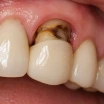
In traditional crowning methods, a gray-colored metal bridge is placed under the porcelain. This condition blocks the natural light transmittance of the tooth and creates a matte, artificial whiteness. In zirconium coating systems, however, both the infrastructure and the superstructure are produced from white-colored protective materials. Consequently, it does not look like an artificial layer inside the mouth, and it is highly difficult to distinguish it from a person's own tooth enamel.
Why Should You Choose Zirconium Dental Coating?
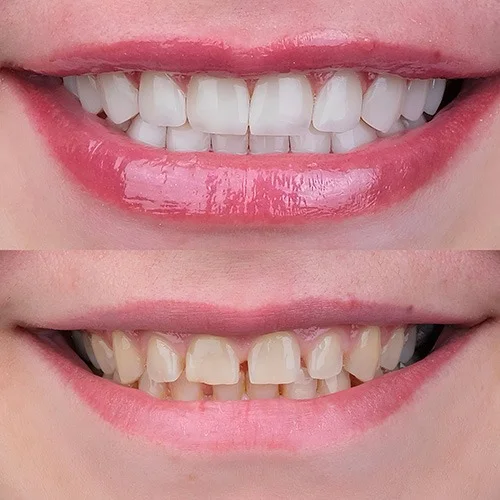
Many people who want to renew their smile may find themselves undecided about which material to choose. If you have heard that there are people around you who have had a zirconium restoration, it is natural to wonder why this method has become so popular. Here are the primary advantages that make this treatment stand out in aesthetic dentistry:
- Natural Light Transmittance: Zirconium partially transmits and reflects light, just like a natural tooth. This property prevents the tooth from looking opaque or lifeless.
- High Biocompatibility: It is completely compatible with body tissues. It does not leave a metallic taste in the mouth, does not cause allergic reactions, and is gum-friendly.
- Corrosion Resistance: It is not affected by saliva or intraoral fluids, meaning it does not corrode, oxidize, or undergo structural changes over time.
- High Durability: It is highly resistant to the chewing pressure in the posterior area. It does not easily break or crack, and with this aspect, it is also safely used in bridge treatments.
The answer to the question "Is a zirconium restoration reasonable?" becomes clear when long-term oral comfort is taken into consideration. This treatment is an extremely rational option for those who want to gain an aesthetic appearance in the front area and not experience functional loss in the back area.
Zirconium vs. Porcelain: What Are the Key Differences?
One of the most common comparisons we encounter in our clinic is the distinction between traditional porcelains and new-generation zirconium. Patients naturally look for a clear answer to the question, "Is porcelain better or zirconium?" We can list the key differences between these two materials as follows:
- Infrastructure Material: Classic porcelain crowns are metal-based; zirconium, on the other hand, is produced entirely from white-colored zirconium oxide blocks.
- Visual Aesthetics: Since metal-supported porcelains completely block light, they look lifeless. Zirconium mimics the natural tooth by creating a perception of depth.
- Gum Compatibility: While a metal infrastructure can cause grayish discoloration at the gum line over time, such color changes do not occur with zirconium.
- Amount of Tooth Preparation: Because the structural resistance of zirconium is high, it may sometimes be sufficient to shave a smaller amount from the tooth surface when shaping it compared to classic porcelains.
Especially in cases where aesthetic concerns are at the highest level, excellent results can be obtained by applying a zirconium coating only to the front teeth, without touching the natural structure of the back teeth at all.
How is Zirconium Coating Applied Step by Step?
Once the treatment decision is made, knowing the process eases the patients' anxieties. Although the answer to how a zirconium coating is performed varies from person to person, it generally takes place in the following digital and clinical stages:
1. Examination and Digital Planning
In the first session, the patient's oral cavity is checked, and panoramic X-rays are taken. The current state of the teeth, gum health, and jaw occlusion relationships are examined. A 3D model of the teeth is transferred to the computer environment with the help of digital scanners or intraoral putties.
2. Tooth Preparation and Temporary Teeth
In order for the crowns to sit perfectly on the tooth, the teeth are shaped millimetrically under local anesthesia. Because numbness is provided at this stage, our patients do not feel any pain. Following the reduction of the teeth, temporary teeth are prepared and fitted on the same day so that sensitivity does not occur and the aesthetic appearance is not disrupted. Thus, the patient can comfortably continue their daily life during the treatment.
3. Production with CAD/CAM Technology
The digital impressions are sent to computer-aided design and manufacturing (CAD/CAM) devices. Zirconium blocks are precisely sculpted in computer-controlled milling machines to fit our patient's tooth structure without human touch. Thanks to this technology, the margin of error can be reduced almost to zero.
4. Rehearsal and Permanent Bonding
The prepared zirconium infrastructures and porcelain superstructures are rehearsed in the mouth. After checking the patient's aesthetic approval, speech function, and biting comfort, the crowns are permanently fixed onto the teeth using special dental adhesives (bonding).
Many patients wonder whether zirconium crowns are fitted one by one. This condition can vary depending on the case. If there are gaps between the Zähne or if restoring them individually is aesthetically more accurate, they can be fitted independently. However, in bridge cases where there are missing teeth, they may need to be applied as a block.
|
Treatment Stage |
Procedure Performed |
Average Duration |
|
1st Session |
Examination, 3D Scanning, and Tooth Preparation |
1.5 - 2 Hours |
|
Intermediate Period |
Processing of Blocks with CAD/CAM in the Laboratory |
3 - 5 Days |
|
2nd Session |
Fit Check, Aesthetic Rehearsal, and Permanent Fixing |
1 Hour |
How Does Zirconium Coating Affect Gum Health?
One of the most common complaints after crown treatments is the dark-colored rings forming at the gum margins. Many people rightly carry the worry: "Does zirconium cause gum discoloration?"
In traditional metal-supported crowns, the ions within the metal content can seep into the gum tissue over time, or the gray shadow of the metal can reflect from under thin gums. This condition creates a purple, grayish, or unhealthy appearance in the gums. However, since zirconium is a completely biocompatible material, it never undergoes corrosion at the place where it merges with the gum. Therefore, zirconium crowns do not cause bruising, darkening, or the formation of a dark-colored line on the gums.
Furthermore, thanks to its smooth surface structure, it does not harbor bacterial plaque on it. This can provide a great advantage in preventing gum recessions that may occur after treatment and problems like bad breath. As long as gum health is maintained, your crowns can remain healthy in your mouth just like your own natural tissue.
How Long is the Lifespan of Zirconium Coating? Care Recommendations
Dental treatments are important investments for which both time and budget are allocated. For this reason, it is completely natural for patients to want to have information about the zirconium coating lifespan or zirconium teeth lifespan in general.
In general terms, the lifespan of zirconium crowns can vary between 10 and 15 years. It is even possible to go much beyond this period with correct oral care and regular doctor checks. The zirconium substance is not a material that decays or wears out on its own; what determines the lifespan of the crown is the health of the natural tooth underneath and the surrounding gum.
Care Recommendations to Extend the Lifespan of Your Crowns:
- Brush your teeth at least twice a day with a soft or medium-hard brush, using a sweeping motion from the gum toward the tooth.
- Be sure to use dental floss or an interdental brush to clean under the bridge pontics and between the teeth.
- The use of an oral irrigator is highly effective in removing micro food debris that may accumulate at the crown margins.
- Avoid breaking shelled nuts with your teeth and opening packages with your teeth. Such traumatic forces can damage your natural tooth just as they can damage zirconium.
- If you have a habit of clenching your teeth (bruxism) during sleep at night, regularly use the night guard recommended by your physician to protect your crowns.
How are Zirconium Tooth Prices Determined in 2026?
Zirconium crown prices are among the terms that people planning a treatment search for the most on the internet. As of 2026, current dental technologies and material quality play a direct role in pricing. It is not medically correct to talk about a single fixed price because every patient's intraoral condition and needs are specific.
We can summarize the fundamental elements that determine the prices as follows:
- Number of Teeth to be Applied: Whether the application will be performed on just a few teeth in the front region or on the entire mouth affects the cost.
- Origin and Quality of the Material: The cost of blocks that are approved by world standards and whose durability and transparency are registered may differ compared to local materials.
- Additional Treatment Needs: It may be necessary to perform a root canal treatment, filling, or gum leveling (gingivectomy) on the tooth before the crown is made.
- Laboratory Workmanship and Digital Technology: The use of CAD/CAM devices and the expertise of the technician performing the aesthetic porcelain workmanship are investments that directly determine success.
FAQ
Does zirconium coating damage my own tooth?
No. Like every restoration performed in dentistry, zirconium is made for the purpose of protecting the tooth. Patients who carry the worry of whether a zirconium procedure is harmful should know that, on the contrary, this procedure can extend the lifespan of decayed, broken, or worn teeth by protecting them from external factors. The millimetric reduction performed during the procedure is kept within limits that will not harm the health of the tooth.
How many years is the lifespan of zirconium teeth?
With good oral hygiene and regular dentist checks, zirconium crowns can be used comfortably for 10–15 years, or even longer. Extending the lifespan of the crown is entirely related to your oral care habits.
Is pain felt while making a zirconium coating?
No. The process of shaping the Zähne, which is the first stage of the procedure, is carried out under local anesthesia. Therefore, patients do not feel pain or ache in any way. It is normal to experience a slight tingling sensation after the session until the temporary teeth are fitted; this condition passes easily with simple painkillers.
Do zirconium teeth turn yellow over time?
No. The surface of zirconium blocks and the porcelain layer on them are glazed at high temperatures in a laboratory environment. Because they have a non-porous and smooth structure, external factors such as tea, coffee, or smoking do not form permanent staining or yellowing on the surface.
Does zirconium coating cause gum discoloration?
No, it does not. Bruising or dark rings on the gums are generally formed by the corrosion of metal-supported crowns. Since zirconium does not contain metal and is biocompatible, a pink and healthy appearance can always be preserved at the gum margin.
About the Author