


What Is Gum Bleeding, Why Does It Occur and How Does It Go Away?
Don't put off your smile. Message us now to discuss your treatment options with our expert dentists.
WhatsAppWhen it comes to oral health, Gum Bleeding is often ignored by many people, yet it can be an important signal from the body. It is commonly noticed during daily brushing or flossing and may appear as a minor sensitivity. However, in some cases, it can indicate broader oral health issues.
İçindekiler
What Is Gum Bleeding and How Does It Occur?
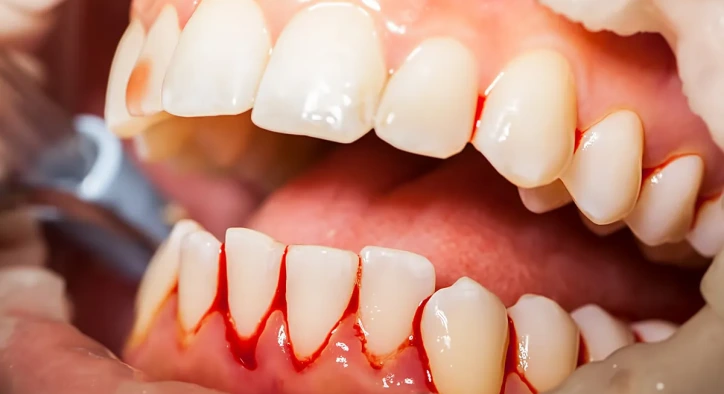
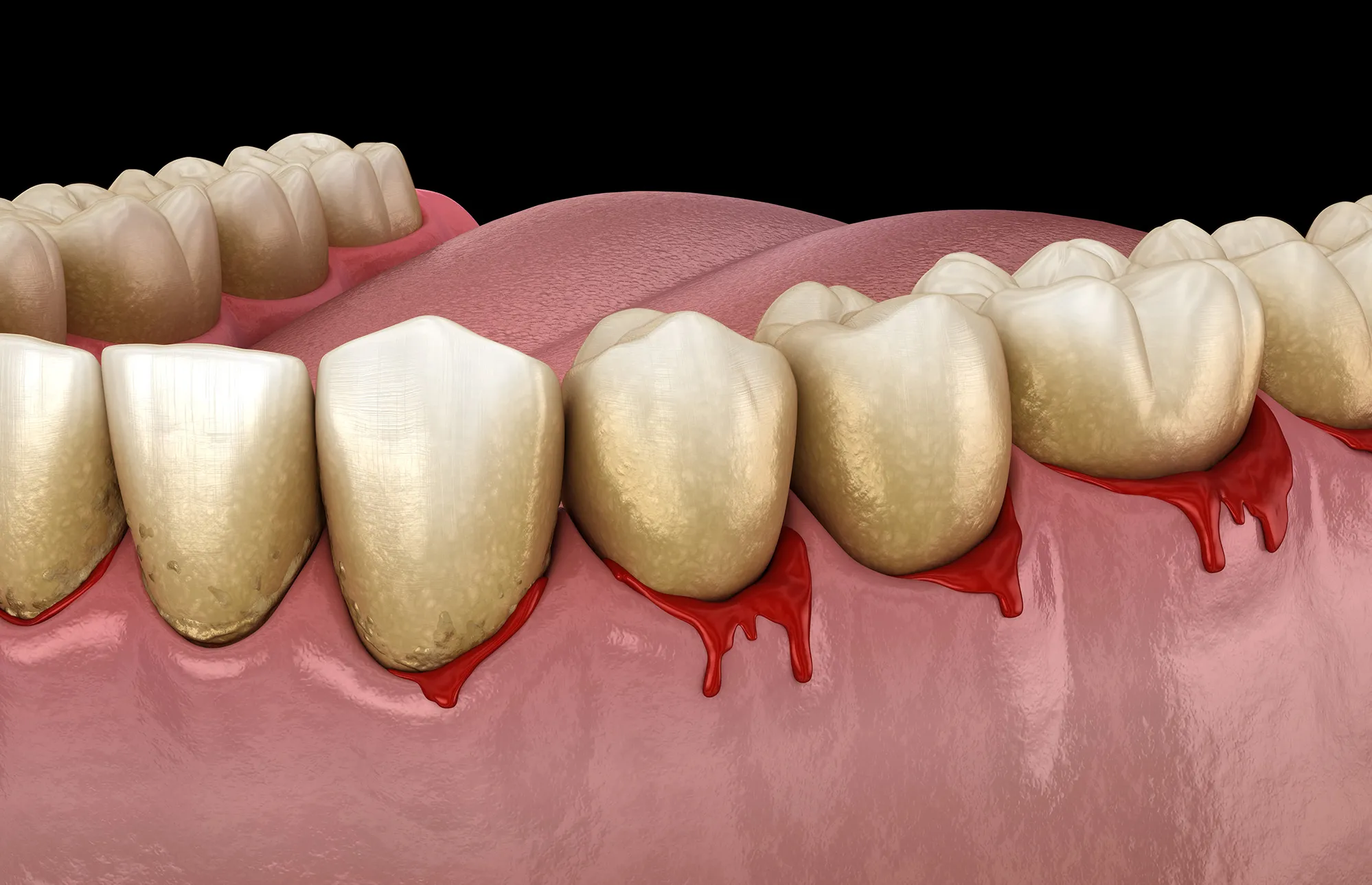
Gum Bleeding refers to the condition where gum tissue becomes sensitive and starts bleeding when exposed to mechanical stimulation such as brushing or flossing. Healthy gums are firm, pink, and resistant to bleeding, but this structure can weaken due to several factors.
The gums are closely connected to overall oral health. When bacterial plaque accumulates on the teeth, it may trigger inflammation in gum tissue. Over time, this inflammation increases sensitivity and may lead to bleeding even with light contact.
Why Does Gum Bleeding Occur?
There is no single reason for Gum Bleeding. Instead, multiple factors can contribute to this condition.
One of the most common causes is poor oral hygiene. When teeth are not cleaned properly and regularly, bacteria accumulate and form plaque. In addition, using a hard toothbrush can damage gum tissue mechanically.
Other possible causes include:
| Cause | Explanation |
|---|---|
| Plaque and tartar buildup | Leads to gum inflammation |
| Incorrect brushing technique | Causes physical gum trauma |
| Hormonal changes | Especially during pregnancy |
| Vitamin deficiencies | Particularly vitamin C and K deficiency |
| Systemic conditions | Can affect immune response |
For further reading, you may visit the World Health Organization oral health page:
https://www.who.int/news-room/fact-sheets/detail/oral-health
When Is Gum Bleeding More Common?
Gum Bleeding may occur more frequently in certain individuals depending on lifestyle and biological factors.
Smoking is one of the key contributors, as it affects blood flow and reduces gum tissue resilience. Stress may also play an indirect role by weakening the immune system. Diet is another important factor; a diet high in sugar and low in fiber can disrupt the oral bacterial balance.
How Does Gum Bleeding Go Away?
When dealing with Gum Bleeding, the most important step is identifying the underlying cause. Because not every case has the same origin, solutions may vary.
In most cases, improving oral hygiene habits is the first step. Brushing at least twice a day with proper technique and using dental floss regularly can significantly reduce plaque buildup.
Professional dental cleaning is also important, as it helps remove hardened tartar that cannot be eliminated with regular brushing.
You can also review guidelines from the American Dental Association:
https://www.ada.org/
Relationship Between Gum Bleeding and Gum Diseases
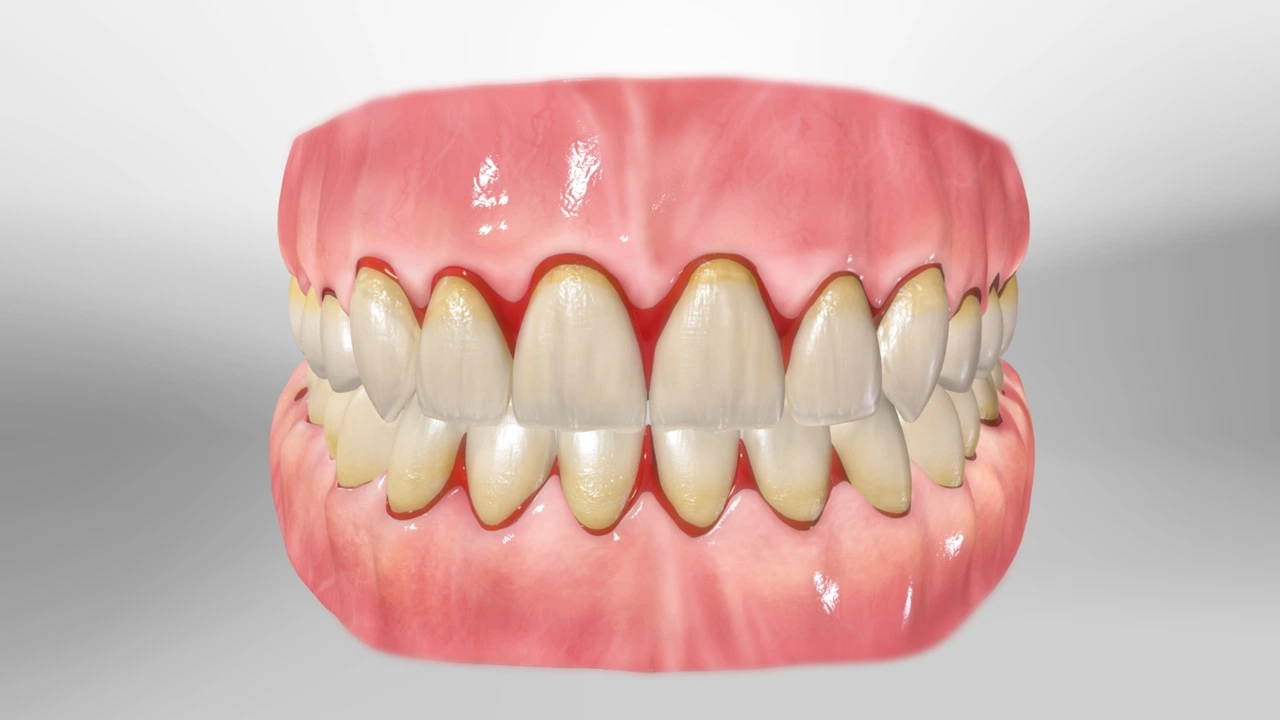
Not every case of Gum Bleeding indicates a disease. However, persistent bleeding may be an early sign of gum disease.
Gingivitis is the earliest stage of gum disease and is often characterized by bleeding gums. If left untreated, it may progress into periodontitis, a more severe condition that affects the bone supporting the teeth.
Early observation is crucial, as the frequency and duration of bleeding can provide important clues about oral health status.
Can Gum Bleeding Be Prevented?
Gum Bleeding is often preventable through consistent oral care habits.
Some effective preventive practices include:
- Regular brushing twice a day
- Daily flossing
- Balanced nutrition
- Routine dental check-ups
- Reducing smoking habits
These habits not only support gum health but also contribute to overall oral hygiene.
Common Misconceptions About Gum Bleeding
There are many misconceptions about Gum Bleeding. One of the most common is the belief that brushing should be stopped if bleeding occurs.
In reality, proper brushing should continue because stopping oral hygiene can worsen plaque accumulation. However, the technique should be gentle and correct.
Another misconception is that occasional bleeding is normal. While it may sometimes occur, recurring bleeding should not be ignored.
Gum Bleeding is more than just a minor oral issue. It can be an early indicator of changes in gum health and should be observed carefully.
At Avrupa Sağlık Diş, we emphasize the importance of awareness and consistent oral care habits. Understanding the causes and patterns of gum bleeding helps individuals maintain healthier gums and a better overall oral condition.
About the Author